
—
Imagine opening your laptop to compare two apartments: one in San Antonio at $1,189 a month, the other in Converse at $1,403. You check the grocery app—milk, eggs, ground beef—and the prices look nearly identical. Gas? $3.80 in San Antonio, $2.52 in Converse. Commute time in San Antonio: 24 minutes. Converse? You’re not sure yet, but you know a car is non-negotiable. Both cities sit in the same metro area, share the same summer heat, and pull from the same regional economy. So why does the same paycheck feel different depending on which ZIP code you choose?
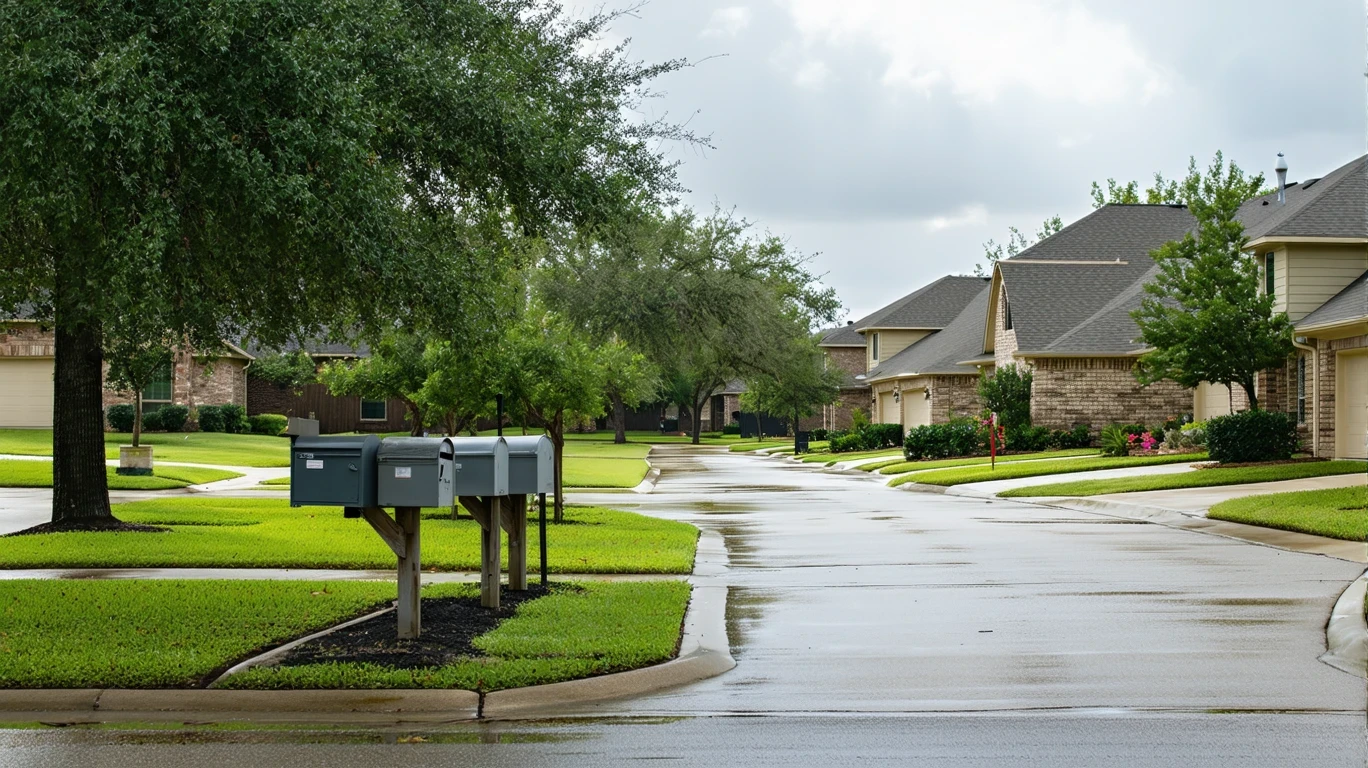
San Antonio and Converse represent two distinct approaches to life in the San Antonio metro. San Antonio offers rail transit, walkable pockets, and a more vertical built form with substantial pedestrian infrastructure. Converse is a low-rise suburb with moderate pedestrian infrastructure, no rail service, and a residential character shaped by single-family homes and car-oriented access. The median household income in Converse is $77,237 per year, compared to $59,593 in San Antonio—a reflection of different household compositions and commute patterns, not a guarantee of easier living. The decision between them isn’t about which city is cheaper overall; it’s about which cost pressures show up first, which households feel them most, and whether your daily routine aligns with the infrastructure each city provides.
In 2026, the differences between San Antonio and Converse are less about price tags and more about structure: where you spend time, how you move through your day, and what flexibility you have when costs shift. This article explains how housing, utilities, transportation, and daily errands behave differently in each city—and which households are more exposed to each type of cost pressure.
Housing Costs
Housing is where the structural differences between San Antonio and Converse begin. The median home value in San Antonio is $198,000, while in Converse it’s $216,100. For renters, the median gross rent in San Antonio is $1,189 per month; in Converse, it’s $1,403 per month. These aren’t small gaps, but they don’t tell the full story. What matters is what kind of housing you’re comparing, what you’re trading for that price, and how long you plan to stay.
San Antonio’s housing stock includes a mix of older single-family homes, newer apartment complexes, and mid-rise buildings concentrated in walkable pockets near transit corridors. Converse is dominated by low-rise, single-family construction with larger lot sizes and newer builds. If you’re renting an apartment in San Antonio, you’re more likely to find options near rail stops or in neighborhoods with pedestrian infrastructure. In Converse, rental housing tends to cluster along commercial corridors, and most units assume car access. For first-time buyers, the lower median home value in San Antonio can mean easier entry, but it may also mean older construction, higher maintenance exposure, and more variability in neighborhood walkability. Converse’s higher median home value often reflects newer construction, lower density, and more predictable suburban layouts—but it also means higher upfront costs and less flexibility if your household needs change.
For families, the housing tradeoff is particularly sharp. San Antonio offers strong family infrastructure—schools and playgrounds meet density thresholds across much of the city—and integrated green space with high park density. Converse has limited family infrastructure, with school density below thresholds, though park density is present in moderate range. If proximity to schools, playgrounds, and walkable errands matters, San Antonio’s housing may deliver more value even at similar price points. If you prioritize newer construction, larger yards, and a low-rise residential feel, Converse’s housing stock aligns better with that preference—but you’ll pay more upfront and rely more heavily on driving to access daily needs.
Housing takeaway: Renters sensitive to monthly obligations face higher baseline costs in Converse, while buyers face higher entry barriers. San Antonio’s housing pressure is more about variability and neighborhood-level walkability; Converse’s pressure is more about upfront cost and car dependence. Families with young children may find San Antonio’s infrastructure density reduces indirect costs (time, driving, access friction), even when rent or mortgage payments look similar.
Utilities and Energy Costs
Utility costs in San Antonio and Converse are shaped by the same regional climate—hot, humid summers with extended cooling seasons and mild winters—but differences in housing stock, infrastructure, and fuel pricing create distinct exposure patterns. The electricity rate in San Antonio is 15.69¢ per kWh; in Converse, it’s 16.04¢ per kWh. Natural gas pricing tells a different story: San Antonio’s rate is $16.51 per MCF, while Converse’s is $25.56 per MCF. These differences matter most during heating months, though cooling dominates annual energy use in both cities.
In San Antonio, the mix of older apartments, mid-rise buildings, and single-family homes means utility exposure varies widely by housing type. Older single-family homes with minimal insulation and aging HVAC systems can experience high summer cooling costs, while newer apartment complexes with shared walls and modern construction tend to see more predictable bills. Converse’s housing stock skews newer and low-rise, with larger single-family homes that often feature better insulation and more efficient systems—but also more square footage to cool. For households in larger homes, the slightly higher electricity rate in Converse can compound with increased cooling load, especially during triple-digit summer heat. The higher natural gas price in Converse adds exposure during winter months, though heating needs are far less intense than cooling.
Household size and home age drive much of the difference in utility volatility. Single adults or couples in smaller San Antonio apartments may see lower baseline usage and more stable bills, even in older buildings, because cooling a 700-square-foot unit is less expensive than cooling a 1,800-square-foot house. Families in Converse’s larger single-family homes face higher baseline usage, but newer construction and programmable thermostats can help manage peak costs. The tradeoff is predictability versus space: San Antonio’s housing mix offers more variability, while Converse’s newer stock offers more control—but at higher baseline usage levels.
Utility takeaway: San Antonio households in older housing face more volatility, especially during peak summer months, but smaller units and apartment living can keep baseline costs lower. Converse households benefit from newer construction and better insulation, but larger homes and higher natural gas pricing increase exposure for families. Households sensitive to seasonal spikes may prefer San Antonio’s apartment options; those prioritizing predictability and control may prefer Converse’s newer single-family stock, despite higher baseline usage.
Groceries and Daily Expenses

Grocery and daily spending pressure in San Antonio and Converse is less about price per pound and more about how often you drive, where you shop, and how much convenience costs when errands require planning. Both cities show corridor-clustered food and grocery accessibility, meaning options concentrate along commercial corridors rather than being evenly distributed. But the experience of running errands differs because of how each city is built and how you move through it.
In San Antonio, food establishment density exceeds high thresholds, and grocery density sits in the medium band. The city’s walkable pockets and rail transit mean some households can combine errands with other trips—picking up groceries on the way home from work, stopping at a corner store without a separate car trip, or accessing discount grocers and specialty markets along transit corridors. For single adults or couples without cars, this infrastructure reduces the friction cost of grocery shopping. For families managing larger weekly hauls, the tradeoff is different: walkability matters less when you’re loading a cart for four people, and access to big-box stores with bulk pricing becomes more important. San Antonio’s mix of discount chains, neighborhood grocers, and specialty stores offers price flexibility, but navigating that mix requires either transit literacy or a car.
Converse’s food and grocery density both sit in the medium band, and the city’s low-rise, car-oriented layout means most errands require driving. There’s no rail transit, and pedestrian infrastructure is moderate, so even short trips—milk, eggs, a last-minute dinner ingredient—turn into car trips. For families with predictable routines and weekly shopping habits, this isn’t necessarily a problem; Converse’s newer commercial corridors often feature big-box grocers with competitive pricing and ample parking. But for households sensitive to convenience spending—grabbing coffee, picking up takeout, running quick errands—the lack of walkable options can push spending toward drive-throughs and delivery apps, where costs creep higher without feeling like a major decision.
Grocery takeaway: San Antonio’s infrastructure allows more flexibility in how and where you shop, which can reduce friction costs for smaller households or those without cars. Converse’s car-dependent layout favors households with predictable routines and access to bulk pricing, but convenience spending can creep higher when every errand requires a drive. Single adults and couples may feel grocery pressure less acutely in San Antonio; families managing larger volumes may find Converse’s big-box access more efficient, as long as they avoid the convenience trap.
Taxes and Fees
Taxes and fees in San Antonio and Converse follow the same regional structure—Texas relies heavily on property taxes and sales taxes, with no state income tax—but the way these costs show up depends on whether you rent or own, how long you stay, and what services are bundled into your housing. Both cities sit in the same metro area, so sales tax rates and county-level fees are largely consistent. The differences emerge in property tax exposure, homeowners association (HOA) fees, and the predictability of recurring costs.
For renters, property taxes are baked into monthly rent, so the direct impact is invisible—but it still shapes pricing. San Antonio’s lower median home value means property tax obligations per unit are generally lower, which can translate into more competitive rental pricing in some neighborhoods. Converse’s higher median home value means higher property tax bills for owners, and landlords typically pass some of that cost through to tenants. For renters planning to stay short-term, this difference is marginal. For those planning to stay several years, the cumulative effect of higher rent in Converse can outweigh other cost advantages.
For homeowners, property taxes are a direct, ongoing obligation that scales with home value and doesn’t disappear after the mortgage is paid off. In Converse, where the median home value is $216,100, annual property tax bills will be higher than in San Antonio, where the median is $198,000. The difference isn’t just magnitude—it’s predictability. Property taxes can increase with reassessments, and in fast-growing suburbs like Converse, rising home values can push tax bills higher even when household income stays flat. San Antonio’s more established neighborhoods may see slower appreciation and more stable tax obligations, though this varies widely by area. HOA fees are more common in Converse’s newer subdivisions, where they may bundle services like landscaping, trash collection, or shared amenities. These fees add predictability—you know what you’re paying each month—but they also add a fixed cost that doesn’t flex with your budget.
Taxes and fees takeaway: Homeowners in Converse face higher property tax exposure due to higher median home values, and HOA fees are more common in newer subdivisions. Renters in Converse pay indirectly through higher rent, while San Antonio renters benefit from lower baseline housing costs. Long-term residents and homeowners are more exposed to tax increases in Converse; recent movers and renters feel the difference more as a fixed monthly obligation. Households planning to stay several years should weigh whether Converse’s newer housing stock justifies the higher ongoing tax and fee burden.
Transportation & Commute Reality
Transportation costs in San Antonio and Converse aren’t just about gas prices—they’re about whether you need a car at all, how far you drive, and whether your commute is time or distance. The gas price in San Antonio is $3.80 per gallon; in Converse, it’s $2.52 per gallon. That’s a significant difference, but it only matters if you’re driving the same number of miles. The average commute time in San Antonio is 24 minutes, and the city has rail transit and walkable pockets with substantial pedestrian infrastructure. Converse has moderate pedestrian infrastructure, no rail service, and a low-rise, car-oriented layout. For many Converse households, the lower gas price offsets higher mileage, but the car itself is non-negotiable.
In San Antonio, some households can reduce or eliminate car dependence. Rail service connects residential neighborhoods to employment centers, and walkable pockets allow some residents to combine errands, commute, and daily life without driving. For single adults or couples working near transit corridors, this can mean lower transportation costs overall—no car payment, no insurance, no maintenance, no parking fees. For families or households working in areas without transit access, San Antonio still requires a car, but the 24-minute average commute and denser commercial corridors mean shorter trips and less time spent driving. The higher gas price in San Antonio becomes a cost driver primarily for households commuting long distances or making frequent car trips outside walkable areas.
Converse’s transportation reality is simpler: you drive. The lack of rail transit and moderate pedestrian infrastructure mean most daily activities—commuting, groceries, errands, school drop-offs—require a car. The lower gas price helps, especially for households with long commutes into San Antonio or other parts of the metro. But the time cost of driving is harder to quantify. Even short trips require getting in the car, and the cumulative effect of car-dependent errands can add friction to daily routines. For families managing multiple schedules, the time spent driving can feel like a hidden cost, even when fuel expenses are lower.
Transportation takeaway: San Antonio offers transit optionality and shorter trips for some households, which can reduce or eliminate car dependence. Converse requires a car but offers lower gas prices, which helps offset longer commutes or higher mileage. Households sensitive to time costs and schedule flexibility may prefer San Antonio’s infrastructure; those prioritizing lower fuel costs and predictable car-based routines may prefer Converse. The decision is less about which city is cheaper and more about whether your household can function without a car—or whether you’re willing to trade lower gas prices for higher time costs.
Cost Structure Comparison
Housing dominates the cost experience in both San Antonio and Converse, but the pressure shows up differently. In San Antonio, the lower median rent and home value reduce entry barriers, but variability in housing stock—older construction, mixed walkability, and neighborhood-level differences—means households need to evaluate tradeoffs carefully. In Converse, higher rent and home values create a steeper upfront cost, but newer construction and low-rise layouts offer more predictability in what you’re getting. For renters, San Antonio’s lower baseline rent provides more breathing room; for buyers, Converse’s higher home values mean higher property tax exposure and less flexibility if household needs change.
Utilities introduce more volatility in San Antonio, where older housing stock and mixed construction quality create uneven exposure to summer cooling costs. Converse’s newer homes and better insulation reduce volatility, but larger square footage and higher natural gas pricing increase baseline usage. Families in larger homes face higher utility costs in Converse, but they also gain more control through programmable systems and efficient construction. Single adults and couples in smaller San Antonio apartments may see lower baseline costs, but they’re more exposed to seasonal spikes in older buildings.
Transportation patterns matter more in Converse, where car dependence is universal and every errand requires driving. The lower gas price helps, but the time cost of car-based logistics adds friction that’s harder to measure. In San Antonio, rail transit and walkable pockets allow some households to reduce or eliminate car costs entirely, though this depends heavily on where you live and work. For households sensitive to time costs and schedule complexity, San Antonio’s infrastructure reduces friction; for those prioritizing lower fuel costs and predictable routines, Converse’s car-oriented layout is easier to navigate.
Groceries and daily expenses follow similar patterns in both cities—corridor-clustered accessibility, medium grocery density, and regional pricing that doesn’t vary much. The difference is how you access those options. In San Antonio, walkability and transit reduce the friction cost of errands for some households; in Converse, every trip requires a car, which can push convenience spending higher when quick errands turn into drive-throughs or delivery orders. Families with predictable routines may find Converse’s big-box access more efficient; smaller households or those without cars may find San Antonio’s infrastructure reduces indirect costs.
The decision between San Antonio and Converse isn’t about which city is cheaper—it’s about which costs dominate your household and which infrastructure aligns with your daily routine. Households sensitive to upfront housing costs may prefer San Antonio’s lower entry barriers. Those prioritizing newer construction and predictable housing stock may prefer Converse, despite higher rent and home values. Households that can function without a car—or want the option to reduce driving—will find San Antonio’s transit and walkability more valuable. Those who drive regardless may find Converse’s lower gas prices and car-oriented layout easier to manage, as long as they account for the time cost of car-dependent logistics.
How the Same Income Feels in San Antonio vs Converse
Single Adult
For a single adult, the first non-negotiable cost is housing, and the $214 monthly rent difference between San Antonio and Converse shapes everything else. In San Antonio, lower rent and the option to live near rail transit can eliminate car costs entirely, freeing up flexibility for discretionary spending or savings. In Converse, higher rent and universal car dependence mean both housing and transportation become fixed obligations, leaving less room to absorb unexpected costs. The difference isn’t about total income—it’s about how much flexibility remains after covering the basics. San Antonio offers more optionality; Converse requires more predictability in your budget.
Dual-Income Couple
For a dual-income couple, the tradeoff shifts to housing form and commute friction. In San Antonio, lower rent or home prices allow more flexibility to prioritize location—living near work, near transit, or in walkable neighborhoods. In Converse, higher housing costs and car dependence mean both partners likely need vehicles, and commute logistics become a daily coordination challenge. Flexibility exists in Converse if both partners work nearby and value newer housing stock, but it disappears quickly if one partner commutes into San Antonio or if household needs change. San Antonio’s infrastructure allows more adaptability; Converse’s layout rewards stable, predictable routines.
Family with Kids
For families, the non-negotiable costs expand to include schools, childcare, and the time cost of managing multiple schedules. In San Antonio, strong family infrastructure—schools and playgrounds meeting density thresholds—and integrated green space reduce the indirect costs of raising children. Errands, school drop-offs, and recreational access can happen without long drives, and rail transit offers optionality for older kids. In Converse, limited family infrastructure and car-dependent logistics mean more time spent driving, even for routine activities. The lower gas price helps, but the cumulative time cost of car-based errands can feel like a hidden expense. Families in Converse gain newer housing and larger yards, but they trade flexibility for space.
Decision Matrix: Which City Fits Which Household?
| Decision factor | If you’re sensitive to this… | San Antonio tends to fit when… | Converse tends to fit when… |
|---|---|---|---|
| Housing entry + space needs | You need lower upfront costs or flexibility to move | You prioritize lower rent or home values and can trade space for location | You prioritize newer construction and larger homes despite higher entry costs |
| Transportation dependence + commute friction | You want to reduce or eliminate car costs | You live or work near rail transit and can function without a car | You drive regardless and value lower gas prices over transit optionality |
| Utility variability + home size exposure | You want predictable bills or control over seasonal spikes | You live in a smaller apartment or newer construction with shared walls | You prioritize newer single-family homes with better insulation despite higher baseline usage |
| Grocery strategy + convenience spending creep | You want to avoid friction costs and impulse spending | You can walk or take transit to groceries and combine errands with other trips | You have predictable routines and access to big-box stores with bulk pricing |
| Fees + friction costs (HOA, services, upkeep) | You want to minimize fixed obligations or ongoing fees | You prefer older neighborhoods with fewer HOA fees and lower property tax exposure | You value bundled services and predictable fees in newer subdivisions |
| Time budget (schedule flexibility, errands, logistics) | You want to reduce time spent driving or coordinating logistics | You live in walkable pockets or near transit and can reduce car-dependent errands | You have stable routines and don’t mind car-based logistics for all daily activities |
Lifestyle Fit
Lifestyle differences between San Antonio and Converse are rooted in infrastructure, not just preference. San Antonio’s walkable pockets, rail transit, and more vertical built form create opportunities for households to combine errands, reduce driving, and access amenities without a car. The city’s integrated green space—park density exceeds high thresholds—and strong family infrastructure mean schools, playgrounds, and recreational access are woven into daily life. For single adults or couples who value walkability, transit access, and the ability to live without a car, San Antonio’s infrastructure delivers real cost savings by reducing transportation expenses and time spent driving. For families, the density of schools and playgrounds reduces the logistical burden of managing children’s schedules, and the availability of hospital facilities provides access to comprehensive healthcare without long drives.
Converse offers a different lifestyle: low-rise, car-oriented, and suburban. The city’s moderate pedestrian infrastructure and lack of rail transit mean driving is the default for nearly all activities, but the lower gas price and newer housing stock make that routine more predictable. Park density is present in moderate range, and water features add recreational options, but family infrastructure is limited—school density falls below thresholds, and playground access is less integrated into neighborhoods. For families prioritizing larger homes, newer construction, and a quieter residential feel, Converse delivers on those preferences, but the tradeoff is more time spent driving and less access to walkable amenities. The presence of clinics provides routine healthcare access, but hospital care requires a trip into San Antonio or another nearby city.
The lifestyle fit between San Antonio and Converse often comes down to how much value you place on infrastructure versus space. San Antonio’s denser, more walkable layout reduces the indirect costs of daily life—time, driving, and friction—but it also means less space and more variability in housing quality. Converse’s low-rise, car-dependent layout offers more space and newer housing, but it also means more time spent in the car and fewer options for reducing transportation costs. For households with young children, San Antonio’s strong family infrastructure can feel like a hidden cost savings, even when rent or mortgage payments are similar. For households prioritizing quiet, predictable routines and larger homes, Converse’s layout may feel worth the higher upfront costs and car dependence.
Average commute time in San Antonio: 24 minutes, with rail transit and walkable pockets reducing car dependence for some households.
Median household income in Converse: $77,237 per year, reflecting different household compositions and commute patterns compared to San Antonio’s $59,593 per year.
Frequently Asked Questions
Is it cheaper to rent in San Antonio or Converse in 2026?
The median gross rent in San Antonio is $1,189 per month, compared to $1,403 per month in Converse. San Antonio offers lower baseline rent, but what you’re renting matters—older apartments, mixed walkability, and variability in construction quality mean you need to evaluate tradeoffs carefully. Converse’s higher rent typically reflects newer construction, low-rise layouts, and larger units, but it also assumes car access for all daily activities. Renters sensitive to monthly obligations will find more breathing room in San Antonio; those prioritizing newer housing stock and predictable suburban layouts may find Converse worth the higher rent, as long as they account for car dependence.
How do transportation costs compare between San Antonio and Converse?
Gas prices in Converse are $2.52 per gallon, compared to $3.80 per gallon in San Antonio—a significant difference, but only if you’re driving the same number of miles. San Antonio has rail transit and walkable pockets, which allow some households to reduce or eliminate car costs entirely. Converse requires a car for nearly all activities, but the lower gas price helps offset higher mileage. The decision isn’t about which city has cheaper gas—it’s about whether your household can function without a car, or whether you’re willing to trade lower fuel costs for higher time costs and car-dependent logistics.
Which city is better for families with kids in 2026?
San Antonio has strong family infrastructure—schools and playgrounds meet density thresholds across much of the city—and integrated green space with high park density. Converse has limited family infrastructure, with school density below thresholds, though park density is present in moderate range. For families prioritizing walkable access to schools, playgrounds, and recreational space, San Antonio’s infrastructure reduces the indirect costs of raising children. For families prioritizing larger homes, newer construction, and a quieter residential feel, Converse offers those benefits, but the tradeoff is more time spent driving and less access to walkable family amenities.
Do utilities cost more in San Antonio or Converse?
Electricity rates are similar—15.69¢ per kWh in San Antonio and 16.04¢ per kWh in Converse—but natural gas pricing differs significantly: $16.51 per MCF in San Antonio versus $25.56 per MCF in Converse. Utility exposure depends more on housing type and size than on rates. San Antonio’s mix of older apartments and single-family homes creates more variability, with older construction leading to higher cooling costs in summer. Converse’s newer, low-rise housing stock offers better insulation and more predictable bills, but larger square footage increases baseline usage. Families in larger homes face higher utility costs in Converse; single adults or couples in smaller San Antonio apartments may see lower baseline costs but more seasonal volatility.
Can you live without a car in San Antonio or Converse?
In San Antonio, some households can live without a car by choosing housing near rail transit or in walkable pockets with substantial pedestrian infrastructure. The city’s rail service, walkable corridors, and corridor-clustered grocery access make car-free living possible for single adults or couples working near transit lines. In Converse, car-free living is not practical—the city has moderate pedestrian infrastructure, no rail transit, and a low-rise, car-oriented layout that requires driving for nearly all daily activities. Households considering Converse should assume car ownership is non-negotiable, though the lower gas price helps offset fuel costs.
Conclusion
The choice between San Antonio and Converse in 2026 isn’t about which city is cheaper—it’s about which cost pressures show up first and which infrastructure aligns with