
How much is enough to feel at ease? In San Antonio, the answer depends less on hitting a specific number and more on understanding how income pressure actually shows up in daily life—and whether your household can absorb it without constant tradeoffs.
This article explains who feels comfortable in San Antonio, who doesn’t, and why—without producing a single “required income” figure. The goal is clarity, not reassurance.
What “Living Comfortably” Means in San Antonio
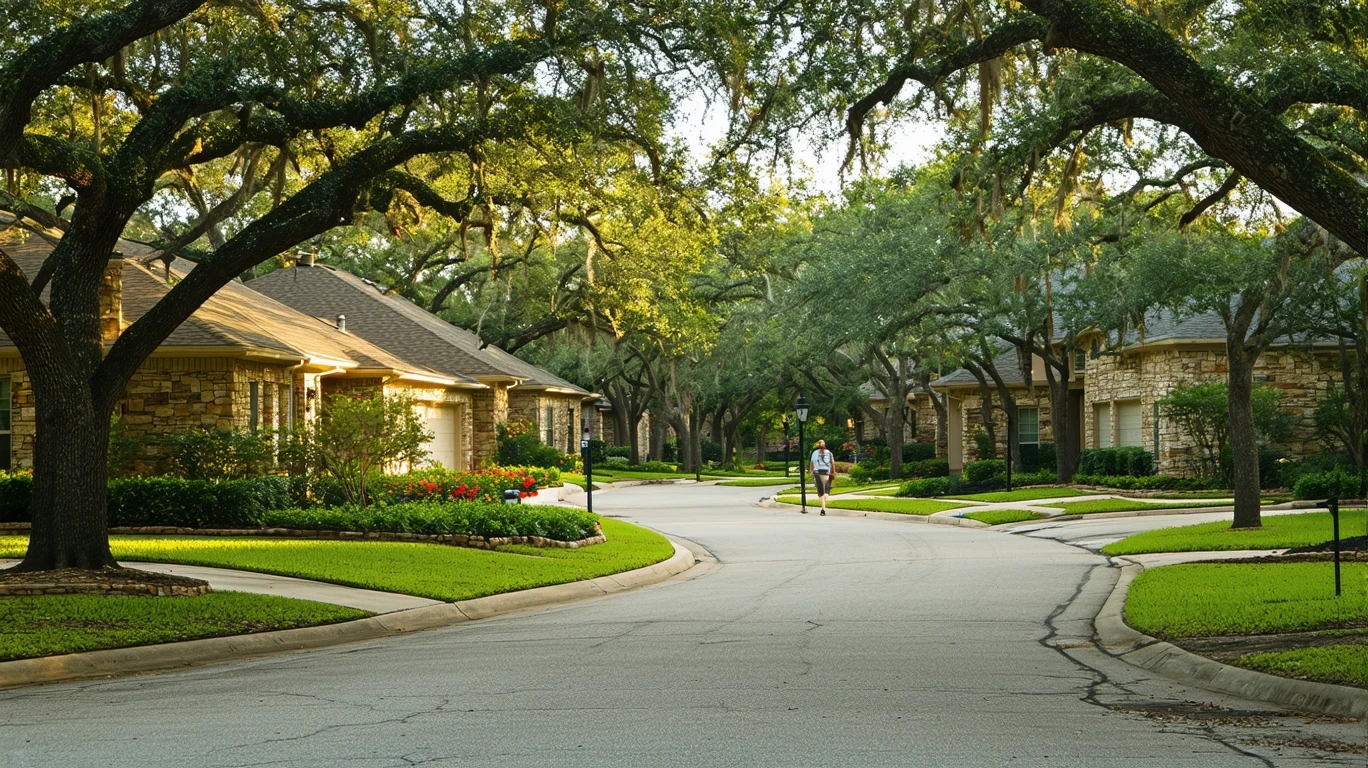
Comfort in San Antonio isn’t about luxury—it’s about predictability. It means you can cool your home through triple-digit summer heat without rearranging your spending each month. It means choosing where to live based on fit, not just commute math. It means absorbing an unexpected car repair or medical bill without derailing your month.
For families, comfort often includes access to decent schools, nearby parks, and the ability to run errands without burning an hour in the car. For singles and couples, it might mean flexibility to live closer to work or social centers, even if that costs more per square foot. Comfort is contextual—it reflects what your household actually needs to function without constant stress.
San Antonio’s median household income sits at $59,593 per year. That figure represents the middle—half of households earn more, half earn less. But income alone doesn’t determine comfort. What matters is how well your earnings match the city’s cost structure, your household’s size and needs, and your tolerance for tradeoffs.
Where Income Pressure Shows Up First
In San Antonio, what a budget has to handle is shaped by a few dominant forces: housing tradeoffs, utility volatility, transportation logistics, and—for families—access to infrastructure that reduces daily friction.
Housing is the first pressure point. The median home value is $198,000, and median gross rent is $1,189 per month. Those figures sound moderate compared to coastal metros, but they don’t tell the whole story. Location within San Antonio determines far more than just your monthly payment—it shapes your commute, your access to walkable errands, and whether you’re near the parts of the city with substantial pedestrian infrastructure and rail service.
San Antonio has walkable pockets where the pedestrian-to-road ratio is high, and rail transit is present. But food and grocery access is corridor-clustered rather than evenly distributed. That means some neighborhoods let you handle daily errands on foot or with short trips, while others require longer drives and more planning. If your income doesn’t stretch to the neighborhoods with better access, you’ll spend more time and fuel compensating.
Utilities create the second wave of pressure. San Antonio’s extended cooling season and triple-digit summer heat mean air conditioning isn’t optional—it’s survival infrastructure. Electricity rates sit at 15.69¢/kWh, and a typical household using 1,000 kWh per month would face illustrative costs around $157 before fees and taxes during peak cooling months. But usage spikes in summer, and bills can swing significantly depending on your home’s insulation, age, and exposure. Households that can’t absorb those swings feel the squeeze every June through September.
Transportation adds a third layer. The average commute is 24 minutes, and only 5.4% of workers operate from home. Most households depend on cars. Gas prices are currently $3.80 per gallon, and a typical commuter driving 25 miles round trip in a vehicle getting 25 MPG would use about one gallon per day—illustrative context that highlights how daily distance translates into recurring expense. But time matters as much as money. Long commutes (which affect 33.3% of workers) eat into the hours you’d otherwise use for errands, family time, or rest.
For families, infrastructure access becomes a fourth pressure point. San Antonio shows strong family infrastructure—both school density and playground density meet meaningful thresholds, and park density is high. Water features are present, and hospital facilities exist alongside pharmacies. But accessing that infrastructure depends on where you live. Families who can afford neighborhoods with integrated green space and walkable access to schools experience far less daily logistics burden than those who must drive everywhere.
How the Same Income Feels Different by Household
Households at similar income levels often experience very different pressure depending on size, structure, and expectations.
Single adults face moderate pressure but gain flexibility. Rent or a mortgage on a smaller space is more manageable, and one income supports one person. The challenge is absorbing fixed costs—utilities, transportation, insurance—without the benefit of shared expenses. Singles who prioritize location over space can access the walkable pockets and rail service, reducing car dependency and gaining time. But those who need to minimize rent often end up farther from the corridors where errands and transit cluster, which increases transportation costs and time burden.
Couples without children experience the most breathing room, especially with dual incomes. Two earners can more easily cover housing in desirable areas, absorb utility swings, and maintain flexibility for dining, travel, or savings. The tradeoff is coordination—two commutes, two schedules, two sets of needs. Couples who can align their work locations or live near transit corridors gain significant quality-of-life advantages. Those who can’t may find themselves spending more on transportation or accepting longer total household commute time.
Families face the highest pressure. Children multiply costs—larger housing, higher utility usage, school considerations, healthcare, food, and the need for proximity to parks, playgrounds, and family infrastructure. San Antonio’s strong family infrastructure helps, but only if you can afford to live near it. Families stretched thin often face a painful tradeoff: pay more for access and convenience, or pay less and absorb the time and logistics burden of driving everywhere. The latter choice compounds stress, especially when both parents work and long commutes (affecting one-third of workers) leave little margin for unexpected school pickups, appointments, or errands.
The Comfort Threshold (Qualitative)
Comfort in San Antonio arrives when certain pressures ease. You know you’ve crossed the threshold when:
- Seasonal utility bills no longer dictate your spending in other categories.
- You can choose housing based on fit—space, schools, commute, walkability—rather than pure affordability.
- An unexpected $500 expense is inconvenient, not catastrophic.
- Saving becomes routine rather than aspirational.
- You have enough margin to absorb a job change, a rent increase, or a major repair without immediate crisis.
This threshold isn’t the same for everyone. A single adult might reach it at a lower income than a family of four. A couple with no debt and modest expectations might feel comfortable sooner than a household carrying student loans and childcare costs. But the transition is recognizable: choices expand, bills stop dictating behavior, and tradeoffs ease.
San Antonio’s below-national-average cost structure (reflected in its regional price parity index of 95) means the threshold is lower here than in many metros. But “lower” doesn’t mean “easy.” It means the income required to feel stable is less extreme—not that stability is automatic.
Why Online Cost Calculators Get San Antonio Wrong
Most cost-of-living calculators produce a single total—a number meant to represent what you “need” to live in San Antonio. But totals mislead because they flatten the texture of real life.
Calculators don’t account for the fact that San Antonio’s cost structure is geographically uneven. Living near the walkable pockets with rail access and corridor-clustered food options feels entirely different from living in car-dependent areas farther out. The monthly rent might look similar on paper, but the time burden, transportation costs, and daily friction diverge sharply.
Calculators also assume average behavior—average commute, average utility usage, average household size. But real households don’t experience averages. A family with two working parents and school-age children faces different pressure than a single remote worker. A household sensitive to heat will spend more on cooling. A couple with one long commute and one short one will experience different transportation costs than a calculator assumes.
Most importantly, calculators ignore lifestyle expectations. They can’t tell you whether you’ll feel comfortable in a smaller home farther from parks, or whether you’ll resent a 30-minute commute, or whether you’ll find San Antonio’s corridor-based errands accessibility frustrating or manageable. Those judgments determine whether a given income feels sufficient—and they’re invisible to algorithms.
People feel surprised after moving because they trusted a total instead of understanding the forces that shape daily life. The number said it would work, but the reality—summer utility spikes, time spent driving, limited walkability outside certain areas—didn’t match expectations.
How to Judge Whether Your Income Fits San Antonio
Instead of asking “Is my income enough?”, ask yourself these questions:
- How sensitive are you to housing tradeoffs? Can you accept a smaller home or a longer commute in exchange for lower rent, or do you need space and convenience regardless of cost?
- Can you absorb seasonal utility swings? San Antonio’s extended cooling season means summer bills will be higher. If a $100–$150 swing in monthly expenses creates stress, you’ll feel pressure here.
- Is time or money your limiting factor? If you can afford to live near walkable areas and transit, you’ll save time. If you need to minimize rent, you’ll spend more time driving. Which tradeoff is tolerable?
- How much do you value access to parks, schools, and family infrastructure? San Antonio has strong family infrastructure and integrated green space, but accessing it depends on location. Are you willing to pay more to live near it, or can you manage with longer trips?
- How much flexibility do you expect month to month? If your income barely covers fixed costs, any surprise—car trouble, medical bills, rent increases—will destabilize you. Comfort requires margin, not just coverage.
- Do you have debt or dependents? Student loans, childcare, medical expenses, or support for family members all reduce the income available for San Antonio’s costs. A household earning $70,000 with no debt feels very different from one earning $70,000 with $500/month in loan payments.
These questions don’t produce a number, but they clarify whether your income and expectations align with how San Antonio actually works.
FAQs About Living Comfortably in San Antonio
Is San Antonio affordable compared to other Texas cities?
San Antonio’s regional price parity index of 95 indicates costs are below the national average, and housing costs are lower than Austin or Dallas. But affordability is relative to your income and household needs. What matters more than the comparison is whether your income can handle San Antonio’s specific cost structure—particularly housing location tradeoffs and utility volatility.
Can a single income support a family in San Antonio?
It depends on the income level, family size, and expectations. A single earner supporting a family will face significant pressure unless income is well above the median. Families on one income often must choose between housing affordability and access to the infrastructure that reduces daily logistics burden—schools, parks, walkable errands. The tradeoff is harder when children are involved because time and convenience matter more.
How much do utilities really cost in San Antonio?
Electricity rates are 15.69¢/kWh, and summer cooling drives the highest bills due to triple-digit heat and an extended cooling season. A household using 1,000 kWh per month would face illustrative costs around $157 before fees and taxes, but actual usage varies widely based on home size, insulation, and tolerance for heat. Natural gas is priced at $16.51/MCF, relevant primarily for heating during rare cold snaps. The real challenge isn’t the rate—it’s the seasonal swing and whether your budget can absorb it without stress.
Does living farther out really save money?
Sometimes, but not always. Rent or mortgage costs may be lower in outer areas, but transportation costs and time burden increase. San Antonio’s walkable pockets and rail service are concentrated in certain areas, and food access is corridor-clustered. Living farther out often means more driving, longer commutes (which already affect 33.3% of workers), and less access to the infrastructure that makes daily life easier. Whether the tradeoff saves money depends on how much you drive, what your time is worth, and whether you can absorb the logistics burden.
What’s the biggest mistake people make when judging affordability in San Antonio?
Trusting a total instead of understanding the forces. People see median rent or home prices and assume they know what life will cost, but they don’t account for where those costs come from—utility swings, transportation time, geographic clustering of convenience, and the difference between living near walkable infrastructure versus car-dependent areas. The mistake is treating San Antonio as a single uniform cost environment when it’s actually a patchwork of very different experiences depending on where you live and how your household operates.
How this article was built: In addition to public economic data, this article incorporates location-based experiential signals derived from anonymized geographic patterns—such as access density, walkability, and land-use mix—to reflect how day-to-day living actually feels in San Antonio, TX.
San Antonio can work well for some households—but only if expectations match reality. Comfort isn’t guaranteed by a number. It’s earned by understanding the city’s cost structure, knowing your household’s pressure points, and choosing a location and lifestyle that align with what you can actually sustain.