
Utility costs in Huntington Beach can catch new residents off guard—especially when that first summer electric bill arrives showing $250 or more for a modest single-family home. Understanding how utilities behave in this coastal Orange County city helps households budget accurately and avoid seasonal sticker shock.
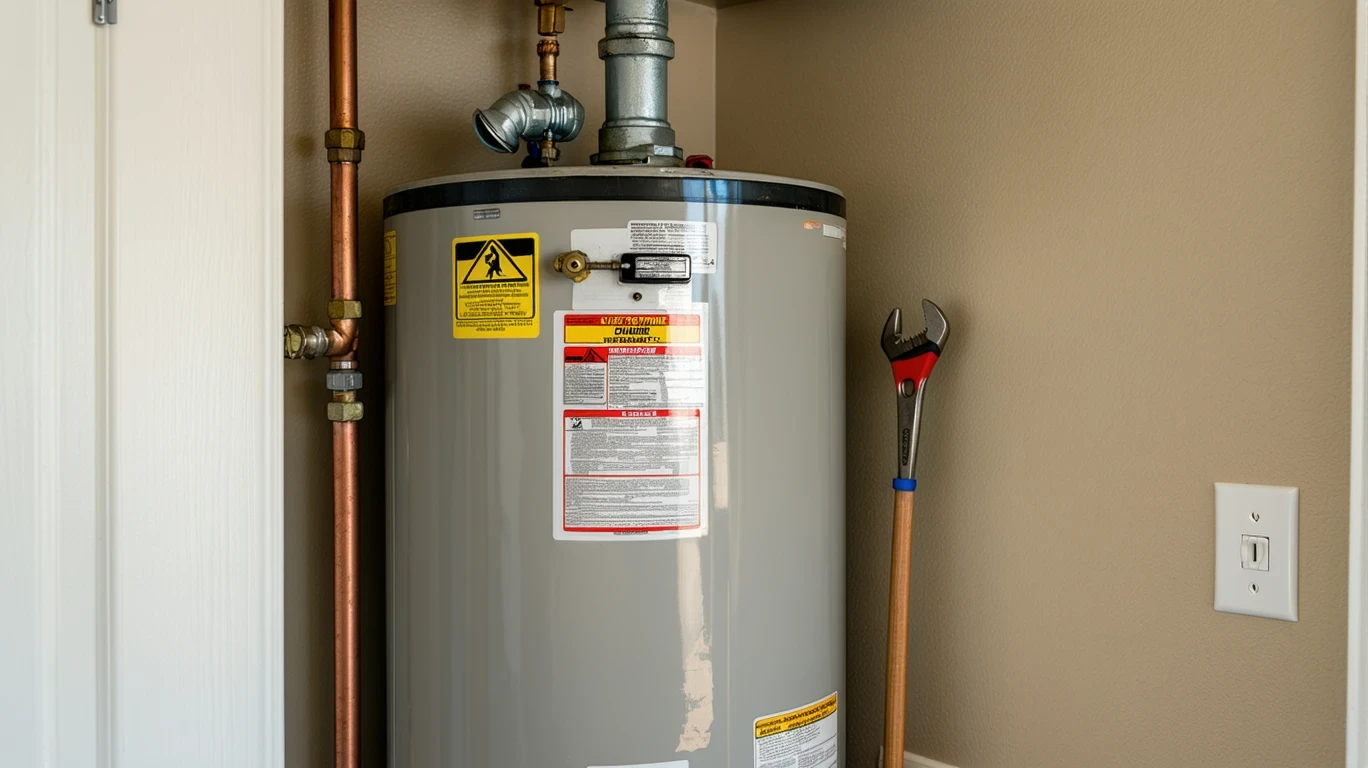
Understanding Utilities in Huntington Beach
Utilities represent the second-largest recurring expense for most households after housing, and in Huntington Beach they follow patterns shaped by California’s energy market, coastal climate, and low-rise residential character. For renters and homeowners alike, monthly utility outlays cover electricity, water, natural gas, trash, and recycling—though the structure and responsibility vary significantly depending on whether you live in an apartment, a single-family home, or a community with HOA services.
Electricity dominates the utility picture here. Huntington Beach enjoys mild, temperate weather year-round, but summer afternoons bring sustained heat that drives air conditioning use across thousands of detached homes. Because the city’s housing stock skews toward single-family, low-rise construction, most residents pay their own utility bills directly rather than benefiting from shared meters or landlord-included arrangements common in denser urban cores. That means each household absorbs the full seasonal swing in cooling costs.
For those moving from regions with heavy winter heating or from apartment complexes where utilities were bundled, the shift to individual responsibility and summer-driven bills requires adjustment. Water costs in coastal Southern California are also structured around conservation, with tiered pricing that penalizes higher usage. Natural gas, by contrast, plays a smaller role than in colder climates—most Huntington Beach homes use gas primarily for water heating and cooking, not for furnace operation through long winters. Trash and recycling services are typically billed separately or bundled with water, depending on the provider and neighborhood.
Utilities at a Glance in Huntington Beach
The table below shows how core utility costs typically behave for a mid-size household in a single-family home in Huntington Beach. Where city-level prices are available in the data feed, they are shown directly. When exact figures are not provided, categories are described qualitatively to reflect how costs are structured and what drives variability.
| Utility | Cost Structure | Notes |
|---|---|---|
| Electricity | 34.71¢/kWh | Usage-sensitive; summer cooling drives peak exposure |
| Water | Tiered pricing; usage-dependent | Conservation-oriented; higher tiers penalize heavy use |
| Natural Gas | $23.78/MCF | Minimal heating demand; primarily water heating and cooking |
| Trash & Recycling | Bundled with water or billed separately | Varies by provider and neighborhood |
| Total | Seasonal variability driven by electricity; gas and water remain relatively stable | |
This table reflects utility cost structure for a mid-size household in a single-family home in Huntington Beach during 2026. Where exact figures are not provided in the IndexYard data feed, categories are described directionally to reflect how costs behave rather than a receipt-accurate total.
Electricity is billed per kilowatt-hour at 34.71¢/kWh, and for a household using around 1,000 kWh per month—common during summer air conditioning season—that translates to roughly $347 before fees and taxes in illustrative context. The rate itself is set, but the bill swings dramatically based on how much cooling a home requires, how well insulated it is, and whether residents shift usage to off-peak hours. Coastal breezes help, but inland-facing neighborhoods and homes with poor attic insulation see the highest exposure.
Water in Huntington Beach follows tiered pricing typical of California’s conservation-focused utilities. The more you use, the higher the per-unit cost climbs. Households with lawns, pools, or larger families hit higher tiers quickly, especially during dry months. Even modest landscape irrigation can push a bill noticeably higher than baseline indoor use alone.
Natural gas is priced at $23.78 per thousand cubic feet (MCF), but because Huntington Beach rarely requires furnace heating, most homes use gas primarily for water heaters, stoves, and occasionally dryers. Winter bills stay low compared to regions where gas heats entire homes through freezing months. A typical household might use one MCF or less per month outside of any unusual cold snaps.
Trash and recycling services vary by provider. Some neighborhoods receive these services bundled with water bills, while others pay a separate monthly fee. In either case, the cost is relatively stable and predictable, unlike the seasonal swings seen in electricity.
Electricity is typically the most exposure-sensitive utility in Huntington Beach, driven more by climate and home efficiency than by base rates.
How Weather Impacts Utilities in Huntington Beach
Huntington Beach’s coastal location moderates temperature extremes, but summer heat still dominates the utility calendar. From June through September, daytime highs regularly reach the upper 70s to mid-80s, and inland-facing homes or those without ocean breezes can see interior temperatures climb into the 80s or 90s without air conditioning. Most households run AC daily during these months, and electricity consumption doubles or triples compared to the mild spring and fall shoulder seasons.
Winter, by contrast, brings minimal financial pressure. Heating demand is light—many residents go weeks without turning on a furnace, relying instead on a sweater or briefly running a space heater on the occasional cool morning. Natural gas use ticks up slightly for water heating as inlet water temperatures drop, but nothing approaching the sustained heating loads seen in colder regions. The result is a utility cost profile that peaks in summer and stays flat or even dips in winter, the opposite of what residents from the Midwest or Northeast might expect.
One coastal quirk worth noting: morning marine layer and humidity can make homes feel cooler than the actual temperature, reducing the urge to crank AC early in the day. But once the sun burns through by midday, that cooling effect disappears, and interior heat builds quickly in poorly ventilated or south-facing homes. Residents who learn to open windows strategically during cool mornings and close them before the heat peaks can shave meaningful usage off their monthly bills.
How to Save on Utilities in Huntington Beach
Reducing utility costs in Huntington Beach starts with controlling electricity, since that’s where the largest swings occur. Many households focus on air conditioning efficiency: setting thermostats to 78°F instead of 72°F, using ceiling fans to circulate air, and ensuring attic insulation meets current standards. Older homes, especially those built before modern energy codes, lose cooled air rapidly through gaps, ducts, and insufficient insulation, forcing AC units to run longer and harder.
Water conservation pays off directly in lower bills due to tiered pricing. Replacing lawns with drought-tolerant landscaping, installing low-flow showerheads, and fixing leaks quickly all help households stay in lower pricing tiers. For those with pools, covering them when not in use reduces evaporation and the need for frequent refilling. Trash and recycling costs are harder to control, but ensuring you’re on the right service tier for your household size can prevent overpaying for capacity you don’t use.
Here are actionable strategies that work well in Huntington Beach:
- Enroll in time-of-use billing plans if your provider offers them, shifting laundry, dishwashing, and EV charging to off-peak evening or early morning hours
- Consider solar panel installation—California’s net metering policies and abundant sunshine make solar financially viable for many homeowners, and state and federal incentives can offset upfront costs
- Install a smart thermostat to automate cooling schedules and avoid running AC when no one is home
- Plant shade trees on south- and west-facing sides of your home to block afternoon sun and reduce indoor heat gain
- Check for utility rebates on energy-efficient air conditioners, water heaters, and appliances—many providers in the region offer incentive programs
- Seal and insulate ductwork in attics and crawl spaces to prevent cooled air from escaping before it reaches living areas
🏆 Tip: Check if your provider in Huntington Beach offers rebates for energy-efficient AC units or heating systems. Many Southern California utilities run seasonal programs that cover part of the upgrade cost, and the savings on monthly bills can add up quickly.
FAQs About Utility Costs in Huntington Beach
Why are utility bills so high in Huntington Beach during summer?
Summer electricity bills spike because air conditioning dominates energy use in the city’s low-rise, single-family housing stock. Coastal breezes help, but sustained afternoon heat and homes with poor insulation or older AC units see the largest increases. Unlike denser cities where apartments share cooling loads, most Huntington Beach residents pay individually for every kilowatt-hour.
Do HOAs in Huntington Beach usually include trash or water in their fees?
Some do, especially in newer planned communities or townhome developments, but it varies widely by neighborhood and association. Single-family homeowners typically pay water, trash, and recycling separately, either as a bundled utility bill or through distinct service providers. Always confirm what’s included in HOA dues before assuming coverage.
How does seasonal weather affect monthly utility bills in Huntington Beach?
Summer drives the highest bills due to air conditioning, often doubling or tripling electricity costs compared to spring or fall. Winter brings minimal heating demand, so natural gas stays low and electricity drops back to baseline levels. The result is a cost curve that peaks June through September and flattens the rest of the year, unlike regions where winter heating creates the annual high point.
Does Huntington Beach offer incentives for solar panels or energy-efficient appliances?
California as a whole supports solar adoption through net metering, state tax credits, and federal investment tax credits, and many local utilities offer rebates for high-efficiency air conditioners, water heaters, and insulation upgrades. Huntington Beach homeowners can access these programs, though availability and amounts vary by provider and funding cycle. It’s worth checking your utility’s website or calling directly to see what’s currently offered.
What is the average winter heating cost in Huntington Beach?
Winter heating costs are minimal compared to most of the country. Many households go entire months without turning on a furnace, relying on natural warmth during the day and a sweater or space heater on cool mornings. Natural gas use ticks up slightly for water heating, but overall winter utility bills are far lower than summer peaks driven by air conditioning.
How Utilities Fit Into the Cost Structure in Huntington Beach
Utilities in Huntington Beach function as a secondary but significant cost driver, sitting below housing but above many discretionary expenses in the household hierarchy. Electricity’s seasonal volatility means that summer months require more financial cushion than winter, and households that don’t plan for that swing can find themselves squeezed when monthly expenses suddenly jump by $100 or more. Water and trash remain relatively predictable, but electricity alone can shift a household’s cost structure depending on home size, insulation quality, and cooling habits.
Because Huntington Beach’s housing stock is dominated by low-rise, detached homes rather than apartment buildings, most residents bear full individual responsibility for utility costs rather than benefiting from shared meters or landlord-included arrangements. That makes understanding your home’s energy profile critical—what works for a well-insulated townhome may not apply to an older single-family house with poor attic sealing and south-facing exposure. The city’s integrated park access and mixed walkability help reduce transportation pressure, but they don’t change the fact that cooling a home here requires planning and, often, investment in efficiency upgrades.
For renters, confirming which utilities are included in lease terms is essential. For buyers, factoring in summer electricity peaks and evaluating a home’s energy efficiency before purchase can prevent costly surprises. Utilities don’t make or break affordability in Huntington Beach the way housing does, but they add meaningful friction to household budgets, especially for families in larger homes or those moving from climates where heating, not cooling, was the dominant concern.
Explore more about how utilities interact with housing, transportation, and overall living costs in Huntington Beach through IndexYard’s localized cost guides. Understanding where your money goes—and why—makes it easier to control what you can and plan for what you can’t.
How this article was built: In addition to public economic data, this article incorporates location-based experiential signals derived from anonymized geographic patterns—such as access density, walkability, and land-use mix—to reflect how day-to-day living actually feels in Huntington Beach, CA.
—