
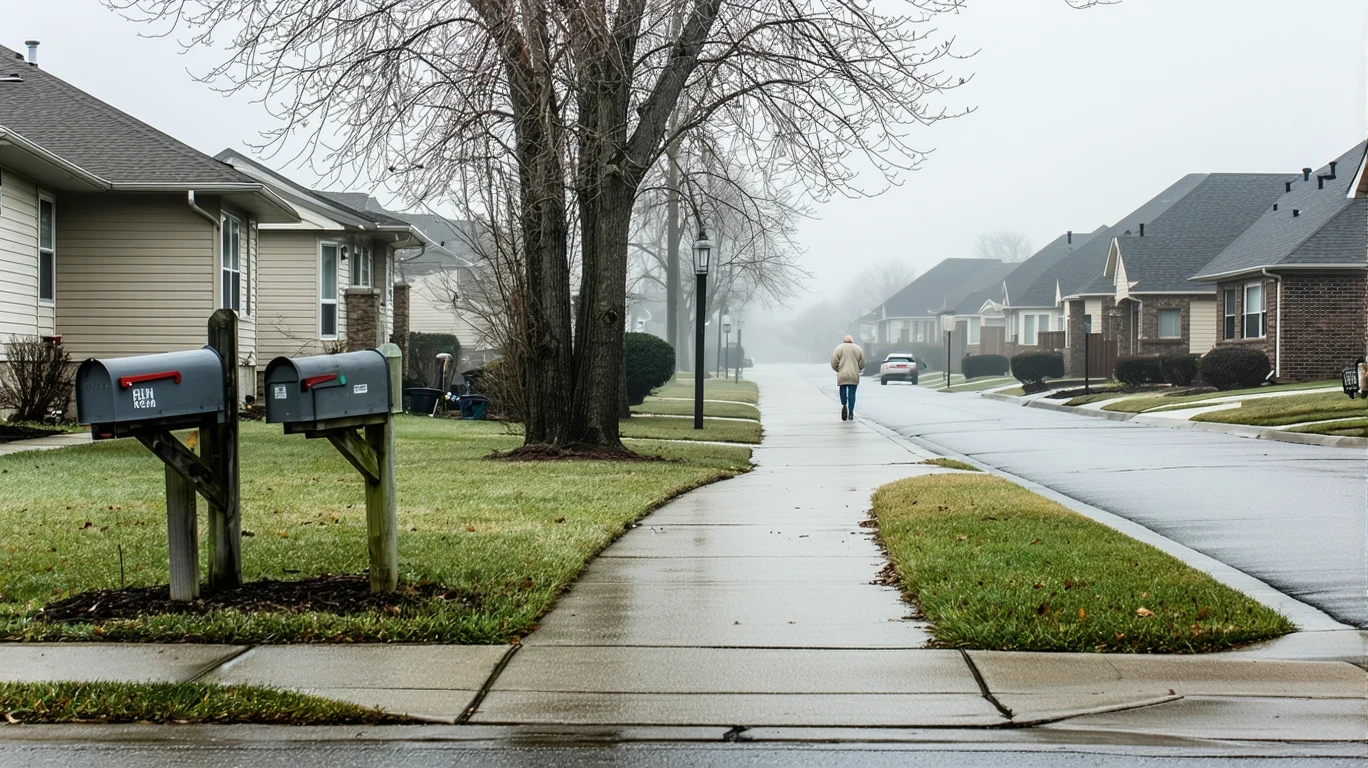
Most people assume Riverside is automatically more affordable than Norco because it’s a larger city with more housing options. But cost pressure doesn’t work that way in the Inland Empire—where your money goes depends less on city size and more on which expenses dominate your household. Both cities sit in the same metro area, share similar climate exposure, and draw from overlapping job markets, yet the structure of daily costs differs in ways that matter more than raw price tags. For families prioritizing space and outdoor access, Norco’s higher entry costs may feel justified. For households where transit access, hospital proximity, or grocery convenience reduce friction, Riverside’s lower housing barrier opens different tradeoffs. The better choice in 2026 isn’t about which city costs less overall—it’s about which cost pressures your household can absorb and which you can’t.
Norco and Riverside represent two distinct approaches to suburban life in Southern California. Norco maintains a semi-rural character with equestrian trails, larger lots, and integrated green space, while Riverside functions as a regional hub with rail transit, hospital facilities, and corridor-clustered commercial access. These aren’t just lifestyle differences—they’re structural factors that determine where cost shows up, how predictable it remains, and how much control households retain over day-to-day spending. A dual-income couple in Norco may face higher housing and transportation costs but gain outdoor access and space; the same couple in Riverside trades housing savings for commute exposure and denser errands infrastructure. Neither city is universally cheaper, and neither fits every household equally well.
This comparison focuses on how costs behave differently between Norco and Riverside, not which city wins on price. We’ll examine housing entry barriers, utility volatility, transportation dependence, daily errands friction, and the role of healthcare access in shaping household budgets. By the end, you’ll understand which structural pressures matter most for your situation and which city aligns with how you actually live.
Housing Costs
Housing is where the two cities diverge most sharply, and it’s not just about price—it’s about what kind of housing pressure dominates. Norco’s median home value sits at $683,200, while Riverside’s median home value is $485,500. That’s a substantial difference in entry barrier for buyers, and it reflects Norco’s lower-density, larger-lot housing stock versus Riverside’s mix of single-family homes, townhomes, and older subdivisions. For renters, the gap narrows but persists: Norco’s median gross rent is $1,884 per month, compared to Riverside’s $1,711 per month. The difference isn’t just in the monthly obligation—it’s in what you’re renting. Norco’s rental stock skews toward single-family homes with yards, while Riverside offers more apartments, duplexes, and attached housing that trades space for lower entry cost.
The housing entry barrier in Norco creates a filtering effect: households that can afford the upfront cost (down payment, closing costs, higher monthly mortgage) tend to prioritize space, outdoor access, and lower density. Riverside’s lower entry cost opens homeownership to a broader income range, but it also means more competition for starter homes and tighter inventory in desirable neighborhoods. For renters, Norco’s higher rent often buys more square footage and private outdoor space, while Riverside’s lower rent may come with shared walls, smaller yards, or older construction. Neither is inherently better—it depends on whether your household values space over flexibility, and whether you can absorb the higher upfront cost.
Both cities feature low-rise, mixed-use development patterns, meaning you’ll find single-family homes near small commercial corridors in both places. But Norco’s housing stock is newer on average, which affects maintenance costs, utility efficiency, and long-term repair exposure. Riverside’s older housing stock may offer lower purchase prices but can introduce higher ongoing costs for HVAC replacement, insulation upgrades, and deferred maintenance. For first-time buyers, Riverside’s lower entry barrier may feel more accessible, but the total cost picture depends on how much renovation or upkeep the home requires. For families planning to stay long-term, Norco’s higher entry cost may be offset by lower maintenance exposure and better energy efficiency in newer construction.
Housing takeaway: Norco’s housing pressure is front-loaded—higher entry cost, higher rent, but often newer construction and more space. Riverside’s housing pressure is more distributed—lower entry cost, but older stock and more variability in condition and size. Households with higher income and long-term plans may absorb Norco’s entry barrier more easily. Households prioritizing flexibility, lower upfront cost, or access to attached housing may find Riverside’s structure more manageable. The decision isn’t about which city is cheaper—it’s about whether your household can handle the entry barrier or prefers to spread cost across ongoing maintenance and smaller space.
Utilities and Energy Costs
Utility cost behavior in Norco and Riverside reflects subtle differences in rates, housing stock age, and household size exposure rather than dramatic seasonal swings. Both cities experience hot, dry summers that drive cooling costs and mild winters with minimal heating demand. Norco’s electricity rate is 33.22¢/kWh, while Riverside’s rate is 30.29¢/kWh—a difference that compounds over time for larger homes or households with high baseline usage. Natural gas pricing is nearly identical ($22.96/MCF in Norco vs $23.78/MCF in Riverside), meaning heating costs in winter months behave similarly across both cities. The real difference emerges in how housing stock and household size interact with these rates.
Norco’s newer housing stock generally includes better insulation, dual-pane windows, and more efficient HVAC systems, which can offset the higher electricity rate for some households. Larger homes with more square footage still face higher absolute cooling costs during summer months, but the rate of increase may be slower than in older Riverside homes with single-pane windows or undersized air conditioning units. Riverside’s older housing stock introduces more variability—some homes have been retrofitted with modern systems, while others rely on decades-old equipment that cycles more frequently and drives up usage. For households in older Riverside homes, the lower electricity rate may not fully compensate for higher consumption driven by inefficient infrastructure.
Household size and home type also shape utility exposure differently in each city. Single adults or couples in smaller Norco homes may see modest utility bills despite the higher rate, especially if the home is newer and well-sealed. Families in larger Norco homes face higher absolute costs, but predictability remains strong if the home’s systems are efficient. In Riverside, smaller apartments or townhomes benefit from shared walls and lower square footage, which reduces cooling load even in older buildings. Families in larger, older Riverside homes face the highest volatility—older systems, higher square footage, and less efficient envelopes combine to create unpredictable summer spikes. Neither city offers a universal advantage; the fit depends on home age, size, and how much cooling your household actually uses.
Utility takeaway: Norco’s higher electricity rate is partially offset by newer housing stock and better efficiency in many homes, but larger homes still face higher absolute costs. Riverside’s lower rate helps, but older housing stock introduces more volatility and less predictability, especially in larger single-family homes. Households in newer, smaller homes experience the least volatility in both cities. Families in older, larger homes face the most exposure in Riverside. The decision hinges on whether your household prioritizes rate predictability or housing stock efficiency, and whether you’re willing to invest in retrofits to control long-term usage.
Groceries and Daily Expenses
Grocery and daily spending pressure in Norco and Riverside isn’t driven by dramatic price differences—it’s shaped by access density, store concentration, and how much friction your household tolerates in errands planning. Both cities fall within the same regional price environment, meaning staple grocery prices behave similarly. But the structure of access differs in ways that affect how often you drive, how much you buy per trip, and whether convenience spending creeps into your budget. Norco’s food and grocery establishment density is sparse, with options concentrated along a few corridors rather than distributed throughout neighborhoods. Riverside’s food and grocery density is corridor-clustered, meaning more options exist but still require intentional trips rather than walkable access.
For households that plan weekly grocery trips and buy in bulk, Norco’s sparse access may not introduce much friction—you’re driving to a big-box store or regional supermarket regardless, and the trip frequency stays low. But for households that prefer frequent, smaller trips or need last-minute items, Norco’s layout adds time cost and planning burden. Riverside’s corridor clustering offers more flexibility: you’re still driving, but store density is higher, and the chance of finding what you need without crossing town improves. For single adults or couples with flexible schedules, this difference may feel minor. For families managing school pickups, work schedules, and meal planning, the extra friction in Norco can shift behavior toward less frequent trips, larger purchases, and more reliance on convenience items when time runs short.
Dining out and convenience spending follow similar patterns. Norco’s lower commercial density means fewer casual dining options within a short drive, which can reduce impulse spending but also limits flexibility when cooking isn’t an option. Riverside’s corridor-clustered layout offers more takeout, coffee shops, and quick-service options, which increases convenience but also creates more opportunities for spending creep. Households with tight budgets and strong meal-planning discipline may find Norco’s structure helpful in limiting temptation. Households that value flexibility, variety, or the ability to grab a quick meal without a 20-minute drive may find Riverside’s density worth the trade.
Grocery and daily expenses takeaway: Norco’s sparse access reduces convenience spending opportunities but increases planning burden and time cost for frequent errands. Riverside’s corridor clustering offers more flexibility and variety but creates more chances for impulse spending. Single adults and couples with predictable schedules may not feel much difference. Families managing complex logistics or households that value errands flexibility will feel Norco’s friction more acutely. The decision depends on whether your household prioritizes spending discipline or time efficiency, and whether you’re willing to plan around limited access.
Taxes and Fees
Tax and fee structures in Norco and Riverside reflect their different roles in the region and the services each city provides. Both cities fall under California’s statewide sales tax framework, meaning consumption taxes behave similarly for everyday purchases. Property taxes, however, interact differently with housing values: Norco’s higher median home value means higher absolute property tax bills for homeowners, even though the rate structure is governed by Proposition 13. A home assessed at $683,200 generates a larger annual property tax obligation than one assessed at $485,500, and that difference persists as long as you own the home. For renters, property taxes are embedded in rent, but the passthrough effect is less transparent and harder to isolate from other cost factors.
Local fees and assessments vary more by neighborhood than by city in this region. Some Norco neighborhoods include HOA fees that bundle landscaping, equestrian trail maintenance, or community amenities, while others have minimal or no HOA obligations. Riverside’s fee landscape is similarly variable: older neighborhoods may have lower fees but require more individual responsibility for utilities and services, while newer developments may include HOA fees for shared amenities or master-planned infrastructure. Neither city has a universal fee structure, and the difference between neighborhoods within the same city can exceed the difference between cities. Households evaluating total cost need to examine the specific property and neighborhood rather than assuming city-wide norms.
Trash, water, and sewer fees are typically billed separately in both cities, though some HOAs bundle these into monthly assessments. The predictability of these fees depends more on the service provider and billing structure than on the city itself. Households planning to stay long-term should account for the fact that property taxes in Norco start higher due to higher assessed values, but both cities benefit from Proposition 13’s limits on annual increases. For recent movers, the initial property tax basis reflects current market value, meaning Norco buyers lock in a higher starting point that compounds over time. Riverside buyers start lower, but the total tax picture also depends on how much the home appreciates and whether future assessments trigger reassessment events.
Taxes and fees takeaway: Norco’s higher home values generate higher property tax obligations for homeowners, even under Proposition 13’s rate limits. Riverside’s lower home values reduce the property tax baseline, but the total fee picture depends heavily on neighborhood-specific HOA assessments and service bundling. Renters in both cities face embedded property tax costs, but the passthrough effect is harder to measure. Homeowners planning to stay long-term should focus on the absolute property tax obligation and neighborhood fee structure rather than assuming city-wide norms. The decision depends on whether your household can absorb higher upfront property taxes in exchange for space and newer construction, or whether starting with a lower tax basis in Riverside offers more flexibility.
Transportation and Commute Reality
Transportation pressure in Norco and Riverside isn’t just about gas prices—it’s about how much driving your household actually does, whether transit offers a viable alternative, and how commute patterns interact with work schedules and daily errands. Norco’s gas price sits at $5.98/gal, while Riverside’s is $5.84/gal—a small difference that compounds over time for households with long commutes or multiple drivers. But the real divergence emerges in transit access and commute structure. Riverside has rail transit service, which offers a meaningful alternative for commuters heading to regional job centers or connecting to other transit lines. Norco has bus service only, which limits flexibility and increases car dependence for most households.
Riverside’s documented commute data shows an average commute time of 31 minutes, with 46.4% of workers facing long commutes and 15.8% working from home. That’s a significant share of households spending substantial time on the road, and it reflects Riverside’s role as a regional hub where people both live and commute outward to jobs in other parts of the Inland Empire or Orange County. Norco lacks comparable commute data in the feed, but its car-oriented layout and limited transit options suggest similar or higher car dependence, especially for households commuting to job centers outside the immediate area. For households where one or both adults work from home, the commute difference matters less. For households with two commuters or jobs requiring regional travel, the presence of rail in Riverside can reduce fuel costs, vehicle wear, and time stress.
Both cities feature walkable pockets and some bike infrastructure, but neither offers the kind of pedestrian density that eliminates car dependence for daily life. Norco’s sparse grocery and services access means most errands require driving, even for households in more walkable neighborhoods. Riverside’s corridor-clustered layout improves errands efficiency slightly—more destinations per trip, less backtracking—but you’re still driving for most tasks. The difference is less about whether you need a car (you do in both cities) and more about how often you use it and whether transit can absorb some of the commute burden. Households with flexible work arrangements or jobs within the city limits may not feel much difference. Households with rigid schedules, long commutes, or multiple drivers will feel the friction more acutely in Norco, where transit alternatives don’t exist.
Transportation takeaway: Norco’s slightly higher gas price and bus-only transit increase car dependence and fuel exposure for most households. Riverside’s rail access offers a meaningful alternative for regional commuters, and the lower gas price reduces per-gallon cost for those still driving. Both cities require car ownership for daily errands, but Riverside’s transit infrastructure and corridor-clustered layout reduce total driving burden for some households. The decision depends on whether your household can absorb higher fuel costs and full car dependence in Norco, or whether Riverside’s transit access and regional connectivity reduce friction enough to matter.
How Day-to-Day Living Actually Feels
The structural differences between Norco and Riverside don’t just show up in price tags—they shape how people move through their day, how much friction they encounter running errands, and how much control they have over time and logistics. In Norco, the sparse density of grocery stores and limited transit options mean most households plan around fewer, longer trips. You’re not stopping at the store on the way home from work unless it’s already on your route, and last-minute errands require intentional driving rather than quick detours. For households with predictable schedules and strong planning habits, this structure works fine. For households managing variable work hours, school pickups, or medical appointments, the lack of nearby options adds time cost and reduces flexibility.
Riverside’s corridor-clustered grocery access and rail transit presence change the logistics equation in subtle but meaningful ways. You’re still driving for most errands, but the chance of consolidating trips improves—grocery, pharmacy, and takeout options cluster along the same corridors, reducing backtracking. For commuters heading to regional job centers, the rail line offers an alternative that eliminates fuel costs and vehicle wear for that specific trip, even if the car remains essential for everything else. The hospital presence in Riverside also matters for households with ongoing medical needs or young children—emergency care, specialist visits, and routine checkups don’t require a 20-minute drive to another city. In Norco, the lack of hospital facilities means those trips add time and planning burden, and pharmacies handle only routine needs.
These aren’t dramatic differences in isolation, but they compound over time. A household in Norco that makes three grocery trips per week, drives 25 miles round-trip for medical appointments, and has no transit alternative for commuting faces higher fuel costs, more vehicle wear, and less schedule flexibility than a comparable household in Riverside with shorter errands loops, hospital access, and the option to take rail for work. Neither city eliminates car dependence, but Riverside’s infrastructure reduces the total burden for households where transit, healthcare access, and errands density align with daily patterns. Norco’s structure works best for households that prioritize space and outdoor access over convenience, and that can absorb the time cost of longer trips without schedule friction.
How this article was built: In addition to public economic data, this article incorporates location-based experiential signals derived from anonymized geographic patterns—such as access density, walkability, and land-use mix—to reflect how day-to-day living actually feels in Norco and Riverside.
Cost Structure Comparison
Housing dominates the cost experience in both cities, but the pressure shows up differently. Norco’s higher entry barrier—whether you’re buying at $683,200 or renting at $1,884 per month—filters for households with higher income or long-term plans that justify the upfront cost. Riverside’s lower entry cost opens homeownership and rental access to a broader range, but it also introduces more variability in housing condition, maintenance exposure, and neighborhood quality. For households where the entry barrier is the primary constraint, Riverside offers more flexibility. For households that can absorb the higher upfront cost and prioritize space, outdoor access, and newer construction, Norco’s structure aligns better with long-term value.
Utilities introduce more volatility in Riverside, particularly for households in older homes with inefficient systems. Norco’s higher electricity rate is offset by newer housing stock in many neighborhoods, which reduces consumption even as the per-kilowatt-hour cost rises. Families in larger homes face higher absolute costs in both cities, but predictability is stronger in Norco if the home’s infrastructure is modern. Riverside households in older, larger homes face the most exposure—older HVAC, less insulation, and higher square footage combine to create unpredictable summer spikes that are harder to control without retrofits.
Transportation patterns matter more in Norco, where the lack of rail transit and sparse errands access increase total driving burden. Households with two commuters, long work trips, or frequent errands face higher fuel costs and more vehicle wear. Riverside’s rail access and corridor-clustered layout reduce the total driving burden for some households, particularly those commuting to regional job centers or managing complex daily logistics. The difference isn’t universal—households working from home or with jobs in the immediate area won’t feel much impact—but for households where commute and errands friction dominate daily life, Riverside’s infrastructure reduces time cost and fuel exposure.
Healthcare access introduces a structural difference that matters most for families with young children, households managing chronic conditions, or anyone prioritizing emergency care proximity. Riverside’s hospital presence means those needs are handled locally, without adding drive time or planning burden. Norco’s limited healthcare infrastructure (pharmacies present, but no hospital or clinics) means medical trips require leaving the city, which adds time cost and reduces flexibility for urgent or routine care. For healthy households with minimal medical needs, this difference may not register. For households where healthcare access shapes daily logistics, Riverside’s infrastructure reduces friction in ways that compound over time.
How the Same Income Feels in Norco vs Riverside
Single Adult
For a single adult, housing becomes the first non-negotiable cost, and the difference between Norco and Riverside determines how much flexibility remains after rent or mortgage. In Norco, higher rent or mortgage payments claim a larger share of income upfront, leaving less room for discretionary spending or savings. Flexibility exists in limiting dining out and convenience purchases, since fewer options reduce temptation. The car remains essential, and fuel costs compound with every errand or commute, but the predictability of those costs makes budgeting straightforward. In Riverside, lower housing costs free up more monthly flexibility, but the denser commercial access creates more opportunities for spending creep. Transit access offers an alternative for commuting, which can reduce fuel exposure if work patterns align with rail schedules.
Dual-Income Couple
For a dual-income couple, the non-negotiables expand to include two commutes, potentially two vehicles, and higher baseline utility usage in a larger home. In Norco, the higher housing entry cost is more manageable with two incomes, but transportation pressure increases if both adults commute to regional job centers without transit alternatives. Flexibility exists in grocery planning and limiting convenience spending, but the time cost of errands adds friction when both schedules are tight. In Riverside, lower housing costs and rail transit access reduce the total burden for couples where one or both commutes align with transit routes. The corridor-clustered errands layout improves efficiency for households managing two work schedules, but the denser commercial access also increases chances for impulse spending on dining out or convenience purchases.
Family with Kids
For families, the non-negotiables include housing space, school access, healthcare proximity, and the logistics of managing multiple schedules. In Norco, higher housing costs buy more space and outdoor access, which matters for families prioritizing yards and lower density. But the lack of hospital facilities and sparse grocery access add time cost and planning burden, especially for families managing medical appointments, school pickups, and meal planning. Flexibility disappears quickly when every errand requires intentional driving and healthcare trips mean leaving the city. In Riverside, lower housing entry costs and hospital presence reduce friction for families managing complex logistics. The corridor-clustered errands layout and rail access improve efficiency for households juggling work, school, and medical needs, but older housing stock may introduce higher utility costs and maintenance exposure that offset the housing savings.
Decision Matrix: Which City Fits Which Household?
| Decision factor | If you’re sensitive to this… | Norco tends to fit when… | Riverside tends to fit when… |
|---|---|---|---|
| Housing entry + space needs | You need predictable housing costs and space for long-term plans | Higher income allows absorption of entry barrier and you prioritize newer construction and outdoor access | Lower entry cost is the primary constraint and you’re willing to trade space or condition for flexibility |
| Transportation dependence + commute friction | You want alternatives to full car dependence or face long regional commutes | You work from home or have jobs within the immediate area and can absorb higher fuel costs | You commute to regional job centers and rail access reduces fuel exposure and vehicle wear |
| Utility variability + home size exposure | You want predictable energy costs and control over seasonal spikes | You’re in newer construction with efficient systems and can absorb higher electricity rates | You’re in smaller or well-maintained homes where lower rates offset older infrastructure |
| Grocery strategy + convenience spending creep | You want to limit impulse spending or need frequent errands flexibility | You plan weekly trips and sparse access helps limit convenience spending temptation | You value errands efficiency and corridor clustering reduces time cost despite more spending opportunities |
| Fees + friction costs (HOA, services, upkeep) | You want transparency in ongoing obligations and predictable fee structures | You’re willing to pay higher property taxes for newer construction and lower maintenance exposure | You start with lower property tax basis and can manage neighborhood-specific HOA variability |
| Time budget (schedule flexibility, errands, logistics) | You need to minimize drive time and consolidate trips efficiently | You have predictable schedules and can plan around sparse access without friction | You manage complex logistics and hospital access plus corridor clustering reduce total time cost |
Lifestyle Fit
Norco and Riverside offer distinct lifestyle textures that extend beyond cost structure into how daily life actually feels. Norco maintains a semi-rural character with equestrian trails, larger lots, and integrated green space that exceeds high density thresholds. The city’s layout prioritizes outdoor access and lower-density living, which appeals to families seeking space, privacy, and a slower pace. Walkable pockets exist, but the overall structure assumes car ownership and rewards households that value outdoor recreation over urban convenience. For households that prioritize hiking, equestrian activities, or simply having a yard large enough for kids and pets, Norco’s lifestyle fit is strong. For households that value walkable errands, frequent dining options, or the ability to run quick errands without driving, Norco’s layout introduces friction that compounds over time.
Riverside functions as a regional hub with more commercial density, rail transit access, and a broader mix of housing types and neighborhood characters. The city’s corridor-clustered layout means you’re still driving for most errands, but the density of options improves efficiency and reduces backtracking. Cultural and recreational amenities are more concentrated—parks, museums, dining districts—and the presence of a hospital and clinics means healthcare access doesn’t require leaving the city. For households that value regional connectivity, transit alternatives, and the ability to consolidate errands without long drives, Riverside’s lifestyle fit is stronger. For households that prioritize space, outdoor access, and lower density over convenience, Riverside’s denser layout may feel more congested and less aligned with long-term preferences.
Both cities feature low-rise construction and mixed land use, meaning you’ll find single-family homes near small commercial corridors in both places. But the density and distribution of amenities differ in ways that affect how often you leave your neighborhood and how much time you spend in the car. Norco’s integrated green space and water features create a strong outdoor environment, but the sparse commercial access means most trips require intentional planning. Riverside’s moderate green space and corridor-clustered amenities improve daily convenience, but the trade is less private outdoor space and more shared infrastructure. Norco’s median household income of $120,636 per year reflects a higher-income population that can absorb the housing entry barrier and transportation costs, while Riverside’s median household income of $83,448 per