

Oldsmar’s median home value sits at $323,200 while Plant City’s stands at $225,700—a structural difference that shapes how households experience cost pressure across the Tampa metro in 2026. Both cities share the same regional price environment and face similar Florida climate exposure, but the way costs concentrate differs sharply depending on whether housing entry barriers or ongoing transportation and utility volatility dominate your household budget. For families prioritizing school and playground access, Oldsmar offers infrastructure density that Plant City doesn’t match. For households sensitive to fuel costs and seeking lower housing entry points, Plant City’s significantly lower gas prices and home values create different tradeoffs. The better choice isn’t about which city costs less overall—it’s about which cost structure aligns with what your household can’t negotiate away.
This comparison focuses on where cost pressure shows up in each city and which households feel those differences most acutely. Oldsmar and Plant City sit within the same metro area, share similar cooling-season exposure, and both show walkable pockets with corridor-clustered errands. But the distribution of costs—front-loaded housing barriers versus ongoing transportation exposure, family infrastructure density versus hospital access—creates distinct fits for different household types. Understanding these structural differences helps clarify which city matches your priorities in 2026, not by declaring a winner, but by explaining how the same income feels different depending on where costs concentrate.
Housing Costs
Oldsmar’s median home value of $323,200 and median gross rent of $1,330 per month establish a higher entry threshold than Plant City’s $225,700 median home value and $1,232 per month median rent. These aren’t small differences—they represent distinct levels of upfront capital required to enter the ownership market and different baseline obligations for renters. In Oldsmar, the housing entry barrier is steeper, which affects down payment requirements, mortgage qualification thresholds, and the financial cushion needed before committing to ownership. Plant City’s lower home values reduce that initial hurdle, making ownership accessible to households with less accumulated savings or lower debt-to-income ratios.
For renters, the $98 monthly difference in median gross rent between the two cities may seem modest, but it compounds over lease terms and interacts with other cost pressures. In Oldsmar, renters face slightly higher baseline obligations, which tightens flexibility when utility bills spike during peak cooling months or when transportation costs fluctuate. Plant City’s lower rent baseline creates more breathing room for households managing variable expenses, though both cities share similar rental market structures—predominantly single-family homes and smaller apartment complexes rather than high-density urban housing stock. The rental experience in both cities tends toward car-dependent layouts with moderate pedestrian infrastructure in pockets, meaning renters in either location still need to budget for vehicle ownership and maintenance.
First-time buyers encounter different tradeoffs in each city. Oldsmar’s higher home values mean larger mortgage payments, higher property tax assessments, and steeper insurance premiums—all ongoing obligations that persist regardless of income changes. Plant City’s lower entry costs reduce those monthly fixed expenses, but buyers should consider what they’re trading: Oldsmar offers stronger family infrastructure (both schools and playgrounds meet density thresholds) and notable cycling infrastructure, while Plant City provides hospital access locally but shows limited family-oriented amenity density. For families planning to stay long-term and prioritizing proximity to schools and playgrounds, Oldsmar’s higher housing costs may be offset by reduced friction in daily logistics. For households prioritizing lower fixed obligations and local healthcare access, Plant City’s structure makes more sense.
Housing takeaway: Oldsmar imposes higher entry barriers and ongoing housing obligations, which matters most for households with limited savings or those sensitive to fixed monthly costs. Plant City’s lower home values and rent create more budget flexibility for managing variable expenses like transportation and utilities. Families prioritizing school and playground density may find Oldsmar’s higher housing costs justified by reduced daily logistics friction, while households seeking lower baseline obligations and hospital proximity may prefer Plant City’s cost structure.
Utilities and Energy Costs
Plant City’s electricity rate of 15.78¢/kWh runs slightly higher than Oldsmar’s 15.02¢/kWh, and its natural gas price of $25.39/MCF exceeds Oldsmar’s $23.62/MCF. These differences are modest in isolation, but they interact with housing stock, household size, and cooling-season intensity to shape utility exposure throughout the year. Both cities face extended cooling seasons typical of Florida’s climate, where air conditioning dominates summer utility bills and drives the majority of residential electricity consumption. The structural difference isn’t whether cooling costs matter—they do in both cities—but how rate differences compound when applied to high-usage months.
In Oldsmar, the slightly lower electricity rate reduces per-kilowatt-hour costs during peak cooling periods, which benefits households in larger single-family homes or older construction with less efficient insulation. For a household running air conditioning heavily from May through October, even a modest rate advantage accumulates over the season. Plant City’s higher rate increases exposure during those same months, particularly for families in older homes or those with larger square footage to cool. Natural gas usage in both cities remains minimal outside of water heating and occasional heating needs during rare cold snaps, so the natural gas price difference has less practical impact than the electricity rate gap.
Household size and home age amplify these differences. Single adults or couples in newer, well-insulated apartments face lower baseline usage regardless of city, so rate differences matter less. Families in older single-family homes—common in both cities’ housing stock—experience higher cooling exposure, making Oldsmar’s lower electricity rate more valuable. Plant City’s higher rate becomes more noticeable for households that can’t easily reduce usage through behavioral changes or efficiency upgrades. Both cities’ utility structures reward households that can shift usage to off-peak hours or invest in programmable thermostats and insulation improvements, but those strategies require upfront capital or schedule flexibility that not all households possess.
Utility takeaway: Oldsmar’s lower electricity rate reduces cooling-season exposure, which matters most for families in larger or older homes with high baseline usage. Plant City’s higher rates increase volatility during peak summer months, particularly for households with limited ability to reduce consumption. Single adults and couples in newer, efficient housing feel these differences less acutely, while families managing larger homes experience more pronounced rate-driven cost pressure in Plant City.
Groceries and Daily Expenses
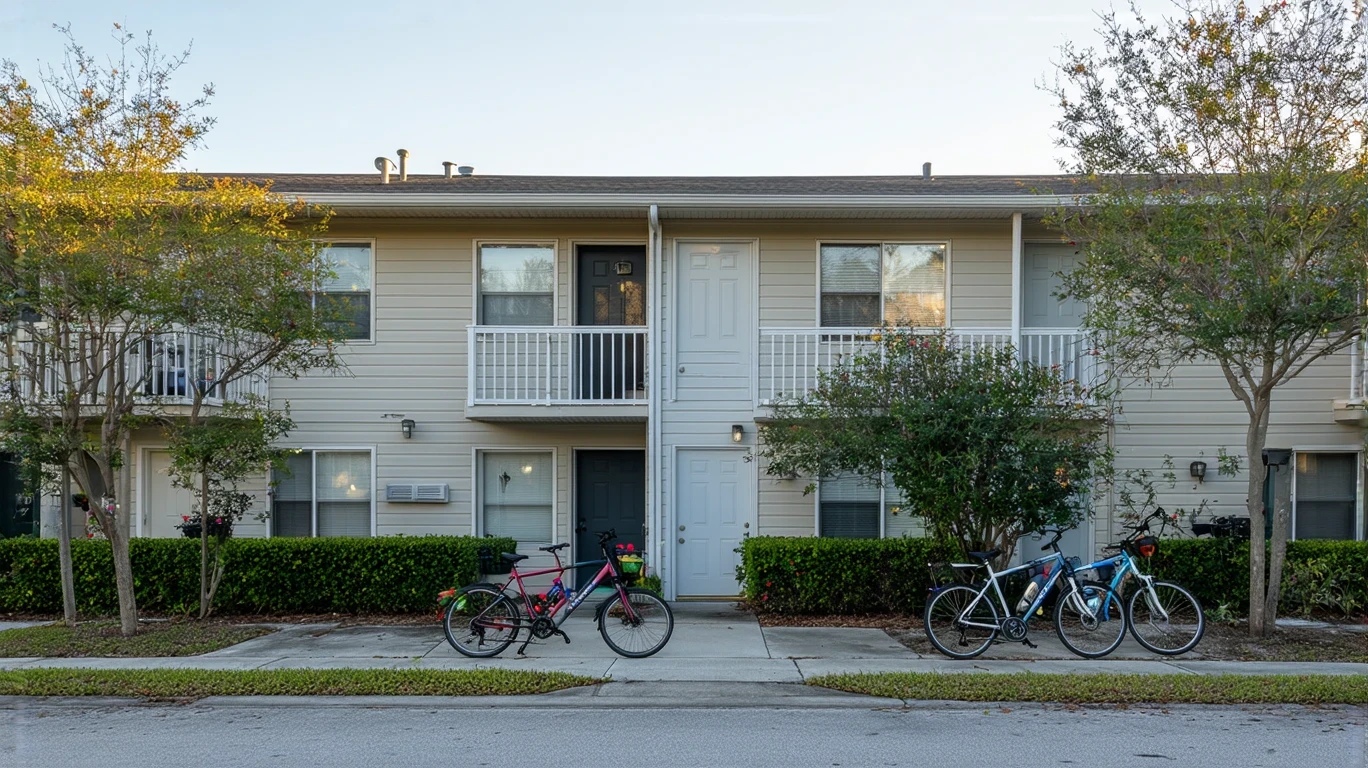
Both Oldsmar and Plant City share the same regional price parity index, meaning grocery staples and everyday goods reflect similar baseline pricing across the Tampa metro. The cost difference in daily spending isn’t driven by price variation between the cities—it’s shaped by access patterns, store concentration, and how households navigate errands. Both cities show corridor-clustered food and grocery accessibility, with medium-density food and grocery establishments concentrated along main corridors rather than distributed evenly throughout residential areas. This structure means households in either city face similar tradeoffs: convenience comes from proximity to those corridors, while distance increases reliance on planned shopping trips and bulk purchasing.
In Oldsmar, the presence of walkable pockets and notable cycling infrastructure creates opportunities for some households to reduce car-dependent errands, particularly for quick trips to nearby stores or cafes. This doesn’t eliminate grocery costs, but it shifts the friction—households closer to commercial corridors can make smaller, more frequent purchases without burning fuel or dedicating large time blocks to shopping. Plant City shows similar walkable pockets, but with limited family infrastructure density, households with children may find errands more complex when combining grocery runs with school pickups or playground visits. The structural difference isn’t price—it’s how much time and planning each city’s layout demands.
Single adults and couples experience grocery pressure differently than families in both cities. Smaller households can more easily adapt to corridor-clustered access by shopping less frequently or choosing smaller-format stores, reducing both cost and time exposure. Families managing larger grocery volumes face more friction: bulk shopping becomes necessary to minimize trip frequency, but it requires vehicle access, storage space, and upfront cash flow to buy in larger quantities. In both cities, households without easy access to big-box stores or discount grocers face higher per-unit costs at smaller neighborhood markets, which compounds over time for families purchasing high volumes of staples like milk, eggs, and proteins.
Grocery takeaway: Oldsmar and Plant City share similar grocery price environments, but access friction differs based on proximity to commercial corridors and household logistics complexity. Single adults and couples feel less pressure from corridor-clustered layouts, while families managing larger volumes face more planning burden and potential reliance on bulk shopping. Households closer to main corridors in either city reduce time and fuel costs; those farther out experience more friction regardless of which city they choose.
Taxes and Fees
Property taxes in both Oldsmar and Plant City follow Florida’s statewide structure, with no state income tax and reliance on property taxes and sales taxes to fund local services. The key difference isn’t tax rates—it’s how property values translate into annual tax obligations. Oldsmar’s higher median home value of $323,200 means higher assessed values and correspondingly higher annual property tax bills for homeowners, even if millage rates are similar. Plant City’s lower median home value of $225,700 reduces that baseline obligation, creating more predictability for homeowners on fixed incomes or those planning long-term budgets.
For renters, property taxes matter indirectly—landlords pass through tax costs in rent pricing, but the relationship isn’t always transparent or immediate. In Oldsmar, higher property values likely contribute to higher rent baselines, though other factors like housing demand and amenity access also play roles. Plant City’s lower property values reduce landlords’ tax exposure, which can translate to more stable rent pricing over time, though this depends on local rental market competition and turnover rates. Both cities’ renters face similar sales tax exposure on everyday purchases, so the tax difference concentrates in housing-related obligations rather than consumption.
Recurring fees—trash collection, water, sewer, stormwater management—vary by provider and housing type in both cities. Single-family homeowners typically pay these fees separately, while apartment renters may see them bundled into rent or charged as separate line items. In neighborhoods with homeowners’ associations, fees can add significant monthly obligations, particularly in newer developments with shared amenities like pools, landscaping, or security. Both cities show mixed land use with residential and commercial areas, so HOA prevalence depends on specific neighborhood age and development type rather than city-wide patterns. Households considering either city should verify fee structures at the neighborhood level, as these costs can shift total housing obligations substantially.
Tax and fee takeaway: Oldsmar’s higher home values increase property tax exposure for owners, which matters most for households on fixed incomes or planning long-term ownership. Plant City’s lower values reduce that baseline obligation, creating more predictability. Renters in both cities face similar sales tax exposure, but Oldsmar’s higher property values likely contribute to higher rent baselines. HOA fees and utility charges vary by neighborhood in both cities, requiring household-level verification rather than city-wide assumptions.
Transportation and Commute Reality
Oldsmar’s average commute time of 25 minutes sits in a moderate range, but 41.4% of workers face long commutes, indicating that a substantial share of residents travel well beyond the city for work. Only 3.3% work from home, meaning the vast majority depend on personal vehicles for daily commuting. Gas prices in Oldsmar stand at $3.93/gal, which compounds over time for households making long commutes or managing multiple vehicles. Plant City’s gas price of $2.84/gal represents a significant reduction in per-gallon cost, which matters most for households driving frequently or covering long distances. Without commute time data for Plant City, it’s difficult to compare trip duration directly, but the lower fuel cost reduces ongoing transportation exposure regardless of distance traveled.
Both cities show bus service, but neither offers rail transit, meaning public transportation serves as a supplement rather than a primary commute option for most households. Oldsmar’s notable cycling infrastructure provides an alternative for short trips or recreational use, but it doesn’t eliminate car dependence for most workers. Plant City lacks the same cycling infrastructure density, reinforcing reliance on personal vehicles for errands and commuting. The transportation cost difference between the cities isn’t about whether you need a car—you do in both—but how much you’ll spend fueling it and whether commute patterns create time pressure that limits flexibility.
For single adults or couples with flexible schedules, Oldsmar’s moderate average commute and cycling infrastructure create opportunities to reduce vehicle use for some trips. Families managing school drop-offs, extracurricular activities, and grocery runs face more complex logistics in both cities, but Oldsmar’s strong family infrastructure (schools and playgrounds both meet density thresholds) reduces trip chaining complexity. Plant City’s lower gas prices offset some of that friction by reducing per-mile costs, but the absence of robust family infrastructure means more driving to access schools, playgrounds, and pediatric care. Households sensitive to fuel price volatility may find Plant City’s lower gas prices more valuable than Oldsmar’s infrastructure density, while those prioritizing time savings and reduced daily logistics may prefer Oldsmar despite higher fuel costs.
Cost Structure Comparison
Housing dominates the cost experience in Oldsmar, where higher home values and rent create steeper entry barriers and ongoing obligations. Plant City’s lower housing costs shift pressure toward transportation and utility exposure, particularly for households driving frequently or managing older homes with higher cooling-season usage. The difference isn’t that one city is universally cheaper—it’s that costs concentrate differently depending on household priorities and non-negotiable expenses.
In Oldsmar, families benefit from strong infrastructure density (schools and playgrounds both meet thresholds) and notable cycling infrastructure, which reduces daily logistics friction even as housing costs remain elevated. Plant City offers hospital access locally and lower baseline housing obligations, but limited family infrastructure increases trip complexity for households with children. For renters, Oldsmar’s higher rent baseline tightens flexibility when managing variable costs like utilities or fuel, while Plant City’s lower rent creates more breathing room for those expenses.
Utilities introduce more volatility in Plant City due to higher electricity and natural gas rates, which compounds during extended cooling seasons. Oldsmar’s lower rates reduce that exposure, particularly for families in larger or older homes. Transportation patterns matter more in Oldsmar, where 41.4% of workers face long commutes and gas prices run higher. Plant City’s significantly lower gas prices reduce per-gallon costs, which benefits households driving frequently or managing multiple vehicles, even without detailed commute data to confirm trip lengths.
Households sensitive to housing entry costs may prefer Plant City’s lower home values and rent, which reduce upfront capital requirements and ongoing fixed obligations. Those prioritizing family infrastructure density and reduced daily logistics friction may find Oldsmar’s higher housing costs justified by time savings and proximity to schools and playgrounds. For households managing tight budgets with limited flexibility, the difference is less about total monthly cost and more about whether housing obligations or transportation and utility volatility create the most pressure. Plant City’s structure favors households that can absorb variable costs but need lower fixed obligations; Oldsmar’s structure favors those willing to pay higher fixed costs in exchange for reduced friction and infrastructure access.
How the Same Income Feels in Oldsmar vs Plant City
Single Adult
In Oldsmar, housing costs claim a larger share of income upfront, leaving less cushion for variable expenses like utilities and fuel. Flexibility exists in transportation—cycling infrastructure and walkable pockets reduce car dependence for some errands—but long commutes for many workers mean fuel costs still accumulate. In Plant City, lower rent or mortgage payments create more breathing room for managing utility spikes and fuel purchases, but the absence of robust cycling infrastructure reinforces car dependence. The tradeoff is between higher fixed housing costs with some mobility flexibility versus lower baseline obligations with more reliance on driving.
Dual-Income Couple
In Oldsmar, two incomes ease housing pressure, but if both partners face long commutes, fuel costs at $3.93/gal compound quickly. Walkable pockets and cycling infrastructure offer some relief for non-work trips, reducing total vehicle use. In Plant City, lower housing costs free up income for other expenses, and significantly lower gas prices reduce commute-related exposure even if both partners drive daily. The role of commute friction becomes central—Oldsmar’s documented long-commute percentage suggests time costs that Plant City’s lower fuel prices can’t fully offset, but without Plant City’s commute data, the comparison hinges on whether time or cash cost dominates the household’s priorities.
Family with Kids
In Oldsmar, higher housing costs become non-negotiable, but strong family infrastructure (schools and playgrounds both meeting thresholds) reduces trip chaining and daily logistics complexity. Families spend more on housing but less time coordinating errands, school runs, and recreational access. In Plant City, lower housing costs create budget flexibility, but limited family infrastructure means more driving to access schools and playgrounds, increasing both fuel costs and time pressure. The presence of a hospital locally in Plant City reduces healthcare access friction, but the absence of dense family amenities shifts daily logistics burden. Families prioritizing time savings and reduced coordination complexity may find Oldsmar’s higher housing costs worthwhile; those needing lower fixed obligations and willing to manage more driving may prefer Plant City’s structure.
Decision Matrix: Which City Fits Which Household?
| Decision factor | If you’re sensitive to this… | Oldsmar tends to fit when… | Plant City tends to fit when… |
|---|---|---|---|
| Housing entry + space needs | You need lower upfront costs or reduced fixed monthly obligations | You can absorb higher entry costs in exchange for proximity to family infrastructure | You prioritize lower home values and rent to preserve budget flexibility |
| Transportation dependence + commute friction | You drive frequently or face long commutes | You value cycling infrastructure and moderate average commute times despite higher fuel costs | You benefit from significantly lower gas prices even if car dependence is unavoidable |
| Utility variability + home size exposure | You manage a larger or older home with high cooling-season usage | You benefit from lower electricity rates during extended cooling months | You can manage higher rates through efficiency upgrades or smaller housing footprint |
| Grocery strategy + convenience spending creep | You need frequent access to stores without long drives | You live near commercial corridors and can use walkable pockets for quick errands | You plan bulk shopping trips and prioritize lower baseline housing costs over errand convenience |
| Fees + friction costs (HOA, services, upkeep) | You want predictable monthly obligations without hidden fees | You verify neighborhood-level HOA structures and accept higher property tax exposure from elevated home values | You prioritize lower property tax baselines from reduced home values and verify fee structures locally |
| Time budget (schedule flexibility, errands, logistics) | You need to minimize trip chaining and daily coordination complexity | You value strong family infrastructure density and cycling options that reduce logistics friction | You can manage more driving and trip planning in exchange for lower fixed housing costs |
Lifestyle Fit
Oldsmar offers moderate commute times with an average of 25 minutes, though 41.4% of workers face long commutes, suggesting that many residents travel well beyond the city for employment. The presence of notable cycling infrastructure and walkable pockets creates opportunities for households to reduce car dependence for some errands, particularly those living near commercial corridors. Family-oriented households benefit from strong infrastructure density—both schools and playgrounds meet thresholds—which reduces daily logistics friction when managing children’s activities and educational needs. The city’s mixed land use and medium-density food and grocery establishments along corridors support a blend of planned shopping trips and quick errands, though households farther from those corridors still rely heavily on personal vehicles.
Plant City’s lifestyle centers more on car dependence, with limited cycling infrastructure and walkable pockets that serve specific areas rather than the city broadly. The presence of a hospital locally reduces healthcare access friction, which matters for families with young children or older adults managing chronic conditions. However, limited family infrastructure density—schools and playgrounds both fall below thresholds—means households with children face more trip chaining to access educational and recreational amenities. Both cities share similar outdoor access, with moderate park density and water features present, offering recreational options for families and individuals seeking green space. The corridor-clustered layout of food and grocery establishments in both cities rewards households that can batch errands and plan shopping trips, while those needing frequent, spontaneous access face more friction.
Commute times in Oldsmar create time pressure for households with inflexible work schedules, particularly the 41.4% facing long commutes. This time cost interacts with housing decisions—paying more for proximity to work or key corridors reduces commute burden, while choosing lower-cost housing farther out increases daily travel time. Plant City’s lack of detailed commute data makes direct comparison difficult, but the significantly lower gas prices reduce the financial burden of driving, even if time costs remain. For households prioritizing walkability and family infrastructure, Oldsmar’s layout supports those needs despite higher housing costs. For those seeking lower baseline obligations and local hospital access, Plant City’s structure offers different tradeoffs, with more reliance on driving but reduced fixed expenses.
Oldsmar unemployment rate: 3.3% Plant City unemployment rate: 3.4%
Frequently Asked Questions
Is Oldsmar or Plant City cheaper for renters in 2026?
Plant City’s median gross rent of $1,232 per month runs lower than Oldsmar’s $1,330 per month, reducing baseline housing obligations for renters. The difference matters most for households managing tight budgets with limited flexibility for variable expenses like utilities and fuel. Oldsmar’s higher rent baseline tightens budget cushion, but renters closer to commercial corridors and cycling infrastructure may reduce transportation costs through walkability. Plant City’s lower rent creates more breathing room for managing utility spikes and fuel purchases, though car dependence remains high in both cities. The better choice depends on whether lower fixed rent or reduced transportation friction dominates your household priorities.
How do transportation costs compare between Oldsmar and Plant City in 2026?
Oldsmar’s gas price of $3.93/gal runs significantly higher than Plant City’s $2.84/gal, which compounds for households driving frequently or managing long commutes. Oldsmar’s average commute time of 25 minutes and 41.4% long-commute percentage indicate substantial driving for many workers, making fuel costs a recurring pressure point. Plant City’s lower gas prices reduce per-gallon exposure, which benefits households with multiple vehicles or those covering long distances daily. Oldsmar’s notable cycling infrastructure offers some relief for short trips, but most households still depend on personal vehicles for commuting and errands. The transportation cost difference hinges on whether fuel price volatility or commute time friction creates more pressure for your household.
Which city is better for families with kids in 2026, Oldsmar or Plant City?
Oldsmar offers strong family infrastructure, with both schools and playgrounds meeting density thresholds, which reduces daily logistics friction when managing children’s activities and educational needs. Plant City shows limited family infrastructure density, meaning households with children face more trip chaining to access schools and playgrounds. Oldsmar’s higher housing costs—median home value of $323,200 and median rent of $1,330 per month—create steeper entry barriers, but families willing to absorb those costs benefit from reduced coordination complexity. Plant City’s lower housing costs—median home value of $225,700 and median rent of $1,232 per month—free up budget for other expenses, and the presence of a hospital locally reduces healthcare access friction. Families prioritizing infrastructure density and time savings may prefer Oldsmar; those needing lower fixed obligations and local hospital access may find Plant City’s structure more manageable.
Do utilities cost more in Oldsmar or Plant City in 2026?
Plant City’s electricity rate of 15.78¢/kWh and natural gas price of $25.39/MCF run slightly higher than Oldsmar’s 15.02¢/kWh and $23.62/MCF. These differences compound during extended cooling seasons, which dominate utility bills in both cities due to Florida’s climate. Oldsmar’s lower electricity rate reduces per-kilowatt-hour costs, which benefits households in larger or older homes with high baseline usage. Plant City’s higher rates increase exposure during peak summer months, particularly for families managing older construction or larger square footage. Single adults and couples in newer, efficient housing feel these differences less acutely, while families in older single-family homes experience more pronounced rate-driven cost pressure in Plant City. The utility cost difference matters most for households with high cooling-season usage and limited ability to reduce consumption.
How does the same household income feel different in Oldsmar versus Plant City in 2026?
In Oldsmar, higher housing costs claim a larger share of income upfront, leaving less cushion for variable expenses like utilities and fuel, but strong family infrastructure and cycling options reduce daily logistics friction. In Plant City, lower housing costs create more breathing room for managing utility spikes and fuel purchases, but limited family infrastructure increases trip chaining and car dependence. For single adults, Oldsmar’s higher rent tightens flexibility, while Plant City’s lower baseline obligations ease budget pressure. For families, Oldsmar’s infrastructure density reduces time costs and coordination complexity despite higher fixed expenses, while Plant City’s lower housing costs require more driving and trip planning. The same income feels tighter in Oldsmar if housing obligations dominate, but more flexible if reduced logistics friction and infrastructure access justify the higher fixed costs.
Conclusion
Oldsmar and Plant City offer distinct cost structures shaped by housing entry barriers, transportation exposure, and infrastructure density. Oldsmar’s higher home values and rent create steeper upfront costs and ongoing obligations, but strong family infrastructure and notable cycling options reduce daily logistics friction for households willing to absorb those expenses. Plant City’s lower housing costs and significantly reduced gas prices ease baseline obligations and fuel exposure, but limited family infrastructure and higher utility rates shift pressure toward trip chaining and cooling-season volatility. Neither city is universally cheaper—the better choice depends on which costs your household can’t negotiate away and whether fixed housing obligations or variable transportation and utility exposure create more pressure.
Families prioritizing school and playground access, reduced coordination complexity, and cycling infrastructure may find Oldsmar’s higher housing costs justified by time savings and infrastructure density. Households seeking lower entry barriers, reduced fixed obligations, and local hospital access may prefer Plant City’s structure, accepting more car dependence and trip planning in exchange for budget flexibility. Single adults and couples face similar tradeoffs: Oldsmar’s higher rent tightens cushion but offers walkable pockets and cycling options, while Plant City’s lower baseline costs create breathing room for managing variable expenses. The decision hinges on whether your household prioritizes lower fixed costs or reduced friction in daily logistics, and whether housing entry barriers or ongoing transportation and utility volatility dominate your financial pressure in 2026.
How this article was built: In addition to public economic data, this article incorporates location-based experiential signals derived from anonymized geographic patterns—such as access density, walkability, and land-use mix—to reflect how day-to-day living actually feels in Oldsmar and Plant City.