
“It’s a beach town that doesn’t quite feel like a beach town anymore—and I’m not sure if that’s progress or just expensive sprawl with an ocean view.”
That tension captures much of what people feel about living in Oceanside. It’s a city caught between identities: coastal and suburban, walkable in pockets but car-dependent overall, family-friendly yet financially stretched. The emotional experience here depends heavily on what you came looking for—and whether the tradeoffs align with how you actually want to live day-to-day.
Oceanside sits along the San Diego County coast, offering beach access and a slower pace than the metro core, but at a cost structure that increasingly mirrors urban pressure. Median home values reach $644,600 while household income centers around $86,701 annually—a gap that shapes much of the frustration and compromise locals describe. For families drawn to strong playground density, school access, and coastal recreation, the city delivers on infrastructure. For renters facing $2,078 monthly medians or urban transplants expecting dense walkability and spontaneous errands, the friction shows up quickly.
The city’s physical structure creates a mixed mobility experience. Some neighborhoods feature substantial pedestrian infrastructure and bike networks that exceed typical suburban standards, supported by rail transit access uncommon in coastal communities of this size. But grocery stores and daily errands cluster along corridors rather than spreading evenly, meaning even residents in walkable pockets often drive for routine needs. It’s a place where you might bike to the beach but still need a car to stock the fridge—a pattern that delights some and exhausts others.
What the Conversation Sounds Like Online
Oceanside’s social media presence—across neighborhood Facebook groups, local subreddits, and community forums—tends to circle around a few recurring emotional themes: pride in coastal access, frustration with housing costs, protectiveness over “local” identity, and debate about what growth should look like.
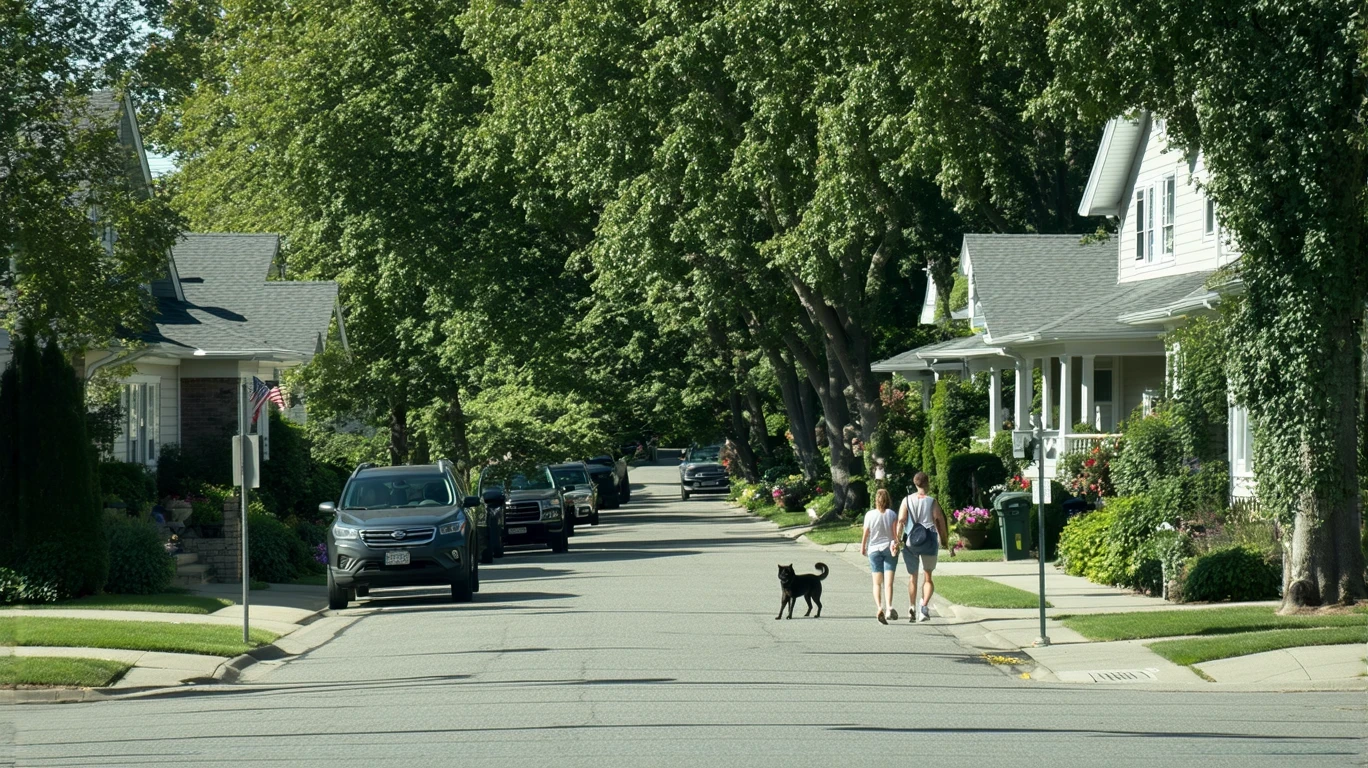
Beach culture and outdoor lifestyle dominate the positive sentiment. People celebrate morning surf sessions, harbor walks, and year-round access to parks and water features. There’s genuine appreciation for the city’s family infrastructure—playgrounds are plentiful, schools feel accessible, and the low-rise character keeps the visual scale comfortable for households with kids.
But the tone shifts when the topic turns to affordability and logistics. Composite sentiment reflects a common refrain: “I love living near the coast, but I’m not sure how much longer I can justify the rent when I still have to drive everywhere for groceries.” The corridor-clustered errands create a friction point for people who assumed coastal proximity would come with urban convenience. It doesn’t—at least not evenly.
Growth and change generate mixed feelings. Some residents welcome new amenities and transit improvements; others worry about losing the quieter, beach-town character that originally attracted them. The presence of rail service draws praise from commuters but also sparks concern about density and traffic as the city evolves.
“It feels like we’re stuck between being a sleepy surf town and a real city, and we’re not doing either one particularly well,” one sentiment pattern suggests. That ambivalence—neither fully suburban nor urban, neither budget-friendly nor elite—defines much of the emotional landscape.
How Local Coverage Frames the City
Local news and community outlets tend to frame Oceanside through themes of transition, identity negotiation, and infrastructure debate. Coverage doesn’t declare the city’s direction as much as it reflects ongoing tension about what kind of place it’s becoming.
Recurring topic categories include:
- “Coastal Community Weighs Housing Growth Against Character Preservation”
- “Families Drawn to Schools and Playgrounds as Costs Climb”
- “New Rail Riders Navigate Suburban Commute Tradeoffs”
- “Residents Debate What ‘Beach Town’ Means in a Metro Context”
- “Oceanside Balances Outdoor Appeal with Day-to-Day Logistics”
The tone is rarely celebratory or alarmist—it’s observational, focused on tradeoffs rather than outcomes. Coverage acknowledges the city’s strengths (location, recreation, family amenities) while documenting the friction points (cost pressure, car dependency for errands, identity uncertainty). There’s little consensus about whether the city is “improving” or “losing its soul”—just ongoing conversation about what residents are willing to trade and what they’re not.
What Reviews and Public Perception Reveal
Public reviews—across Google, Yelp, Nextdoor-style platforms, and community boards—reveal a pattern: satisfaction depends heavily on expectation matching. People who wanted coastal access within a suburban framework tend to feel rewarded. People who expected urban texture, walkable errands, or budget relief tend to feel let down.
Positive sentiment clusters around outdoor lifestyle and family fit. Parents praise playground density, school accessibility, and the ability to raise kids near the beach without the intensity of a dense urban core. Active adults appreciate bike infrastructure and park access that exceed typical suburban offerings. The presence of a hospital and pharmacies earns quiet approval—healthcare feels local, not distant.
Complaints center on cost-versus-convenience mismatches. Renters and first-time buyers express frustration that housing pressure remains high despite the need to drive for most errands. The corridor-clustered food and grocery access means even walkable neighborhoods require planning and car trips for routine needs. “It’s expensive to live here, but it doesn’t feel like a city where you can just walk out your door and handle life,” one common sentiment pattern suggests.
Neighborhood variation matters, though it’s often described in general terms: newer planned areas feel more car-dependent and homogenous, while older pockets near the coast offer more pedestrian texture and character. But even in walkable areas, the lack of evenly distributed daily services creates a gap between infrastructure and convenience.
Commuters express mixed feelings. The 29-minute average commute and rail access feel manageable compared to other coastal options, but 44.6% of workers face long commutes, and only 11.4% work from home. For households tied to job centers elsewhere in the metro, Oceanside offers location appeal but not necessarily time savings.
How Oceanside Compares to Nearby Cities
| Dimension | Oceanside | Carlsbad | Escondido |
|---|---|---|---|
| Overall Vibe | Coastal suburban, mixed walkability, identity in flux | Polished coastal, affluent, resort-town feel | Inland suburban, budget-friendlier, car-dependent |
| Housing Pressure | High costs, tight affordability for median income | Higher costs, more wealth concentration | Moderate costs, more accessible entry points |
| Mobility Feel | Walkable pockets, rail access, but car needed for errands | Car-oriented, minimal transit, polished paths | Fully car-dependent, limited pedestrian texture |
| Family Infrastructure | Strong playgrounds and schools, accessible parks | High-quality schools, manicured recreation | Solid schools, fewer playgrounds, more sprawl |
| Emotional Tone | Ambivalent, transitional, cost-stressed but coastal-proud | Confident, aspirational, polished but pricey | Practical, budget-conscious, less coastal identity |
Oceanside sits between Carlsbad’s polished affluence and Escondido’s inland affordability. If you want a coastal address with rail access and don’t need urban walkability, Oceanside offers more texture and transit than Carlsbad at a slightly lower cost. If you prioritize budget relief and don’t need beach proximity, Escondido trades coastal identity for more accessible entry points. Oceanside appeals to households willing to navigate the tension between suburban form and coastal location—those who value the beach but accept the car, who appreciate family infrastructure but feel the financial squeeze.
Voices from Different Perspectives
“We moved here for the schools and the beach, and on that front, it’s been great. The playgrounds are everywhere, and my kids can bike safely in our neighborhood. But I didn’t expect to still be driving 15 minutes just to get to a decent grocery store.”
— Parent of two, renting near downtown
“I love that I can take the train to work and still live near the coast. That’s rare. But the rent is brutal, and it’s not like I’m in some walkable urban neighborhood—I still need my car for everything outside of my commute.”
— Young professional, rail commuter
“Oceanside used to feel like a real beach town. Now it just feels like expensive suburbia with an ocean view. I’m not sure what we’re becoming, but it’s not what it was.”
— Long-time local, homeowner
“For retirees, this place is kind of perfect. It’s quiet, the weather is great, there’s a hospital nearby, and I can walk along the harbor whenever I want. I don’t mind driving to the store—I’ve always done that.”
— Retiree, settled in older neighborhood
“I thought moving to the coast would mean more walkability and spontaneity, like a real city by the beach. Instead, it’s just sprawl with a higher price tag. I feel stuck between wanting to stay for the location and wanting to leave for the logistics.”
— Remote worker, relocated from urban core
“The bike infrastructure here is actually pretty solid, and the rail access is a huge plus. If you’re active and don’t mind planning your errands, it works. But if you expect everything to be walkable, you’ll be disappointed.”
— Cyclist and transit user, newer resident
“We’re paying San Diego prices without San Diego amenities. I get that we’re near the beach, but when I’m spending over two grand a month in rent and still driving everywhere, it’s hard not to feel like we’re getting squeezed.”
— Renter, dual-income household
Does Oceanside Feel Like a Good Fit?
Oceanside doesn’t offer a simple emotional answer. It’s a city in transition, caught between coastal appeal and suburban logistics, between family-friendly infrastructure and financial pressure, between walkable potential and car-dependent reality. The vibe here rewards people who value location and outdoor access enough to navigate the tradeoffs—and frustrates those who expected coastal living to come with urban convenience or budget relief.
This tends to work for families who prioritize beach proximity, strong playground and school access, and a low-rise suburban scale. It works for active adults who appreciate bike infrastructure, rail transit, and park density uncommon in similar coastal suburbs. It works for commuters willing to trade higher costs for a coastal address with manageable metro access.
This tends to frustrate renters and buyers facing steep costs without corresponding walkability or urban texture. It frustrates people who assumed “beach town” meant spontaneous errands and neighborhood cafes, not corridor-clustered grocery runs. It frustrates remote workers seeking the energy and amenities of a dense urban core, and budget-conscious households trying to make $86,701 stretch across $644,600 home prices or $2,078 rents.
The city’s emotional profile is one of ambivalence—appreciation mixed with compromise, pride tempered by cost stress, potential limited by structure. If you’re drawn to Oceanside, the question isn’t whether it’s “happy” or “worth it” in the abstract. It’s whether the specific tradeoffs—coastal access for car dependency, family infrastructure for financial pressure, walkable pockets for uneven errands—align with how you actually want to live and what your budget has to handle day-to-day.
For more on whether the city’s structure supports what ‘enough’ actually means for your household, or how the housing market shapes long-term decisions, explore the related guides. Oceanside’s vibe isn’t universal—but for the right household, the tension might be exactly the balance you’re looking for.
How this article was built: In addition to public economic data, this article incorporates location-based experiential signals derived from anonymized geographic patterns—such as access density, walkability, and land-use mix—to reflect how day-to-day living actually feels in Oceanside, CA.
The perspectives shown reflect commonly expressed local sentiment and recurring themes in public discussion, rather than individual accounts.