
Many people assume utility bills in Poway follow a predictable monthly pattern—steady, manageable, and easy to budget for. The reality is more nuanced: utility costs in Poway are shaped by seasonal intensity, home type, and usage behavior far more than by base rates alone. Understanding how these factors interact helps households plan for volatility rather than just average spending.
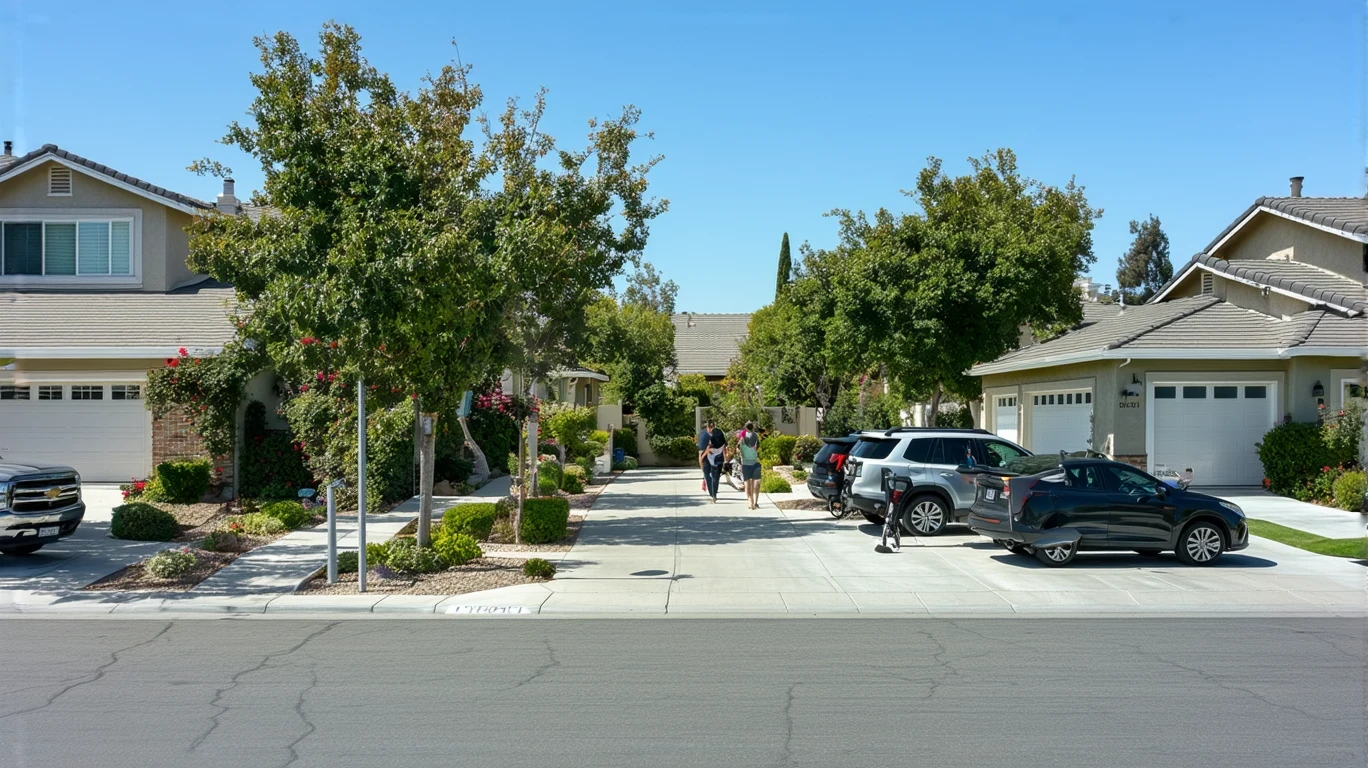
Understanding Utilities in Poway
Utilities represent the second-largest recurring expense for most households in Poway, sitting just behind housing costs in the monthly budget hierarchy. Unlike rent or mortgage payments, which remain fixed, utility bills fluctuate based on weather, occupancy patterns, and household efficiency. For families moving to Poway, this variability can be surprising—especially during the extended cooling season when electricity demand climbs sharply.
The typical utility bundle in Poway includes electricity, water, natural gas, trash collection, and recycling services. In single-family homes, these are usually billed separately by municipal providers or private utilities, with costs tied directly to usage and property size. Apartment dwellers often see lower bills due to smaller square footage and shared infrastructure, though some complexes bundle water or trash into HOA fees. Renters should confirm what’s included in their lease, as arrangements vary widely across Poway’s neighborhoods.
For households planning a move, the key challenge isn’t estimating a single monthly figure—it’s understanding which utilities drive the most exposure and when. Electricity dominates in Poway, particularly from late spring through early fall, while natural gas remains a minor factor due to the region’s mild winters. Water costs depend heavily on landscaping choices and tiered pricing structures, and trash services are often bundled or billed at flat rates. Knowing this structure helps new residents anticipate where flexibility exists and where costs are largely fixed.
Utilities at a Glance in Poway
The table below shows how core utility costs typically behave for a mid-size household in a single-family home in Poway. Where city-level prices are available in the data feed, they are shown directly. When exact figures are not provided, categories are described qualitatively to reflect how costs are structured and what drives variability.
| Utility | Cost Structure |
|---|---|
| Electricity | 33.22¢/kWh; usage-sensitive and seasonal |
| Water | Tiered pricing; usage-dependent |
| Natural Gas | $22.96/MCF; minimal heating demand |
| Trash & Recycling | Often bundled with water or HOA |
| Total | Seasonal variability driven by electricity and cooling |
This table reflects utility cost structure for a mid-size household in a single-family home in Poway during 2026. Where exact figures are not provided in the IndexYard data feed, categories are described directionally to reflect how costs behave rather than a receipt-accurate total.
Electricity is billed per kilowatt-hour in Poway, with rates at 33.22¢/kWh. Usage swings sharply between seasons: air conditioning drives demand during warm months, while spring and fall see much lighter loads. Homes with older HVAC systems or poor insulation face steeper bills, as do households with multiple occupants running appliances throughout the day. Electricity is typically the most exposure-sensitive utility in Poway, driven more by climate and home efficiency than by base rates.
Water costs in Poway are structured around tiered pricing, meaning the more you use, the higher the per-unit rate climbs. Households with large yards, pools, or inefficient irrigation systems hit higher tiers quickly, especially during dry summer months. Apartments and townhomes with minimal outdoor space tend to stay in lower tiers, keeping water bills more predictable. Conservation measures—like drought-tolerant landscaping and low-flow fixtures—directly reduce both usage and cost tier exposure.
Natural gas plays a minor role in Poway’s utility landscape. Priced at $22.96 per thousand cubic feet (MCF), it’s used primarily for water heating, cooking, and occasional winter heating. Because Poway’s winters are mild, heating demand remains low, and many homes rely on electric heat pumps or minimal furnace use. Gas bills stay relatively flat year-round, with slight upticks during cooler months when water heaters work harder.
Trash and recycling services in Poway are often bundled with water bills or included in HOA fees, particularly in planned communities and apartment complexes. Standalone single-family homes may receive separate invoices, typically at flat monthly rates that don’t vary with usage. Costs are stable and predictable, making trash one of the least volatile components of the utility bundle.
How Weather Impacts Utilities in Poway
Poway’s inland location within San Diego County creates a climate pattern that drives clear seasonal shifts in utility demand. Summers bring extended heat, with daytime temperatures regularly climbing into the 80s and 90s, pushing air conditioning systems into sustained operation. Unlike coastal areas where ocean breezes moderate temperatures, Poway experiences warmer, drier conditions that keep cooling costs elevated from June through September. Many households see their electric bills double or triple during peak summer compared to the mild spring months.
Winter in Poway is notably gentle, with rare freezing nights and daytime temperatures often in the 60s. Heating demand remains minimal, and natural gas usage stays low except for water heating. This seasonal asymmetry—high summer cooling costs, negligible winter heating costs—defines the utility rhythm for most Poway residents. Households accustomed to cold-climate living may find the lack of winter heating expenses surprising, though the summer cooling burden more than offsets that savings.
One regional quirk worth noting: Poway’s elevation and distance from the coast mean nighttime temperatures can drop more sharply than in nearby beach communities, offering some natural cooling relief. Homes that take advantage of this by opening windows in the evening and closing them during the day can reduce air conditioning runtime significantly. Still, the overall pattern remains clear: electricity exposure in Poway is summer-driven, and households that manage cooling efficiency gain the most control over their annual utility costs.
How to Save on Utilities in Poway
Reducing utility costs in Poway starts with understanding where exposure is highest—and that’s almost always electricity during the cooling season. Households that invest in programmable or smart thermostats can shift usage away from peak hours, reducing both consumption and per-kilowatt-hour costs if their provider offers time-of-use pricing. Sealing air leaks, upgrading insulation, and maintaining HVAC systems also lower cooling demand without sacrificing comfort. These measures don’t just cut bills; they stabilize them, making month-to-month budgeting more predictable.
Water conservation offers another high-impact lever, particularly for homes with outdoor irrigation. Switching to drip systems, installing weather-based sprinkler controllers, and replacing turf with drought-tolerant plants all reduce usage and help households stay in lower pricing tiers. Inside the home, low-flow showerheads and efficient appliances compound savings over time. Because water costs scale with usage, even modest reductions can shift a household into a lower tier, amplifying the financial benefit.
Here are additional strategies that work well in Poway:
- Enroll in utility provider rebate programs for energy-efficient appliances, including air conditioners, water heaters, and refrigerators
- Consider solar panel installation, which can offset peak electricity costs and may qualify for state and federal incentives
- Use ceiling fans to circulate air and reduce air conditioning runtime during moderate heat
- Plant shade trees on south- and west-facing sides of the home to block afternoon sun
- Switch to LED lighting throughout the home to lower baseline electricity usage
- Check for budget billing or equalized payment plans that smooth out seasonal spikes
🏆 Tip: Check if your provider in Poway offers rebates for energy-efficient AC units or heating systems—many utilities in California provide incentives that reduce upfront costs and long-term bills.
FAQs About Utility Costs in Poway
Why are utility bills so high in Poway during summer? Electricity costs spike in Poway during summer because extended heat drives heavy air conditioning use, and rates are billed per kilowatt-hour. Homes with older HVAC systems, poor insulation, or west-facing exposure face the steepest increases. Unlike coastal areas with natural cooling, Poway’s inland location keeps cooling demand high from June through September.
Do HOAs in Poway usually include trash or water in their fees? Many planned communities and apartment complexes in Poway bundle trash and sometimes water into HOA fees, but arrangements vary widely. Single-family homes in older neighborhoods typically receive separate bills for each utility. Always confirm what’s included in your HOA agreement or lease before budgeting.
How does seasonal weather affect monthly utility bills in Poway? Summer drives the highest bills due to cooling costs, often doubling or tripling electricity expenses compared to spring. Winter bills remain low because heating demand is minimal in Poway’s mild climate. The seasonal swing is asymmetric: summer cooling dominates annual utility exposure, while winter heating barely registers.
Does Poway offer incentives for solar panels or energy-efficient appliances? California provides state-level incentives for solar installations, and many utility providers in the region offer rebates for energy-efficient appliances like air conditioners, water heaters, and refrigerators. Homeowners in Poway can also access federal tax credits for qualifying solar and efficiency upgrades, which reduce both upfront costs and long-term utility bills.
How much should a family of four budget for utilities in Poway each month? Budgeting depends heavily on home size, efficiency, and season. Electricity will be the largest variable, with summer months driving the highest costs due to cooling. Water bills vary based on landscaping and usage tiers, while natural gas and trash remain relatively stable. Rather than targeting a single monthly figure, families should plan for seasonal swings and focus on managing electricity exposure during peak heat.
How Utilities Fit Into the Cost Structure in Poway
Utilities in Poway function as a cost driver and volatility factor, not a fixed line item. Electricity dominates seasonal swings, water costs scale with usage and landscaping choices, and natural gas remains a minor player due to the region’s mild winters. Understanding this structure helps households identify where they have control—through efficiency upgrades, behavioral changes, and seasonal planning—and where costs are largely determined by external factors like weather and provider rates.
For new movers, utilities represent one piece of the broader cost landscape in Poway, sitting alongside housing, transportation, and groceries. Unlike rent or mortgage payments, which remain fixed, utility bills respond to household decisions and seasonal conditions, making them one of the few areas where proactive management yields measurable savings. Families who invest in efficiency early—whether through insulation, smart thermostats, or drought-tolerant landscaping—gain long-term budget stability and reduce exposure to rate increases.
Poway’s walkable pockets and corridor-clustered errands also influence utility costs indirectly. Households that can run errands on foot or by bike reduce short car trips, lowering transportation-related energy use and freeing up budget capacity for other expenses. Mixed land use and moderate green space mean housing types vary widely, from single-family homes with large yards (and higher water bills) to apartments with shared infrastructure (and lower overall utility exposure). Understanding how your housing choice intersects with utility structure is essential for accurate monthly budget planning in Poway.
Ultimately, utilities in Poway reward planning and efficiency. Households that understand their exposure—where it’s highest, when it peaks, and what levers reduce it—can stabilize costs and avoid seasonal surprises. For a complete view of how utilities interact with housing, transportation, and other recurring expenses, explore the full cost-of-living resources available on IndexYard.
How this article was built: In addition to public economic data, this article incorporates location-based experiential signals derived from anonymized geographic patterns—such as access density, walkability, and land-use mix—to reflect how day-to-day living actually feels in Poway, CA.