
“It’s quiet, the schools are solid, and you’re close enough to Houston without being in it—but you’ll drive everywhere, and it’s growing fast. If that tradeoff works for you, you’ll probably love it here.”
That’s the essence of League City in a single breath: a family-friendly suburban city south of Houston where comfort, convenience, and growth coexist—sometimes easily, sometimes tensely. For families prioritizing good schools, safe neighborhoods, and manageable commutes, League City tends to feel like a smart landing spot. For those craving walkable spontaneity, dense nightlife, or urban texture, it often feels like a compromise.
This article translates the emotional tone of living in League City through the lens of public discussion—social media threads, review platforms, and local commentary—to help you predict whether this city’s rhythm matches yours.
What It Feels Like to Live in League City
League City sits in a sweet spot for a certain kind of household: families who want suburban predictability without feeling isolated from Houston’s job market and amenities. The city offers strong family infrastructure—schools and playgrounds are well-distributed, and healthcare access includes hospital facilities. Parks and green space are present, and while the city leans car-dependent, there are pockets where sidewalks and mixed-use corridors make short errands feel less sterile.
But growth is the emotional undercurrent. League City has been expanding steadily, and that expansion brings both opportunity and friction. Newer planned neighborhoods deliver modern amenities and tidy streetscapes; older pockets retain more character but sometimes feel overshadowed. Traffic has thickened on major corridors, and the pace of change—new retail, new residents, new construction—can feel either exciting or exhausting depending on what you value.
The city’s vibe rewards routine and planning. Errands cluster along commercial corridors rather than being woven into neighborhoods, so you’ll drive to the grocery store, the pharmacy, the gym. That’s fine if you’re used to suburban logistics, but it can feel like friction if you’re coming from a place where daily life unfolded on foot.
Social Media Buzz in League City
On platforms like Facebook neighborhood groups and regional Reddit threads, League City residents tend to express a mix of pride, protectiveness, and mild exasperation. The tone is rarely extreme—this isn’t a city people love dramatically or hate loudly—but the recurring themes reveal what matters most.
Growth dominates the conversation. People celebrate new restaurants and retail options, but they also worry about traffic, overcrowded schools, and whether the city’s infrastructure can keep pace. There’s a recurring tension between “we need more to do” and “it’s changing too fast.”
“We moved here for the schools and the space, and we got both. But now it feels like every empty lot is turning into another subdivision, and I’m not sure the roads were built for this.”
“Honestly, I like that it’s quiet. If I want Houston, I’ll drive there. League City is for coming home and exhaling.”
“It’s fine if you have kids and a yard. If you’re single or don’t drive, you’ll be bored in a week.”
The emotional tone is pragmatic rather than passionate. People tend to describe League City as a place that works well for a specific life stage—especially families with school-age children—but less so for those seeking spontaneity, nightlife, or walkable urban texture.
Local News Tone
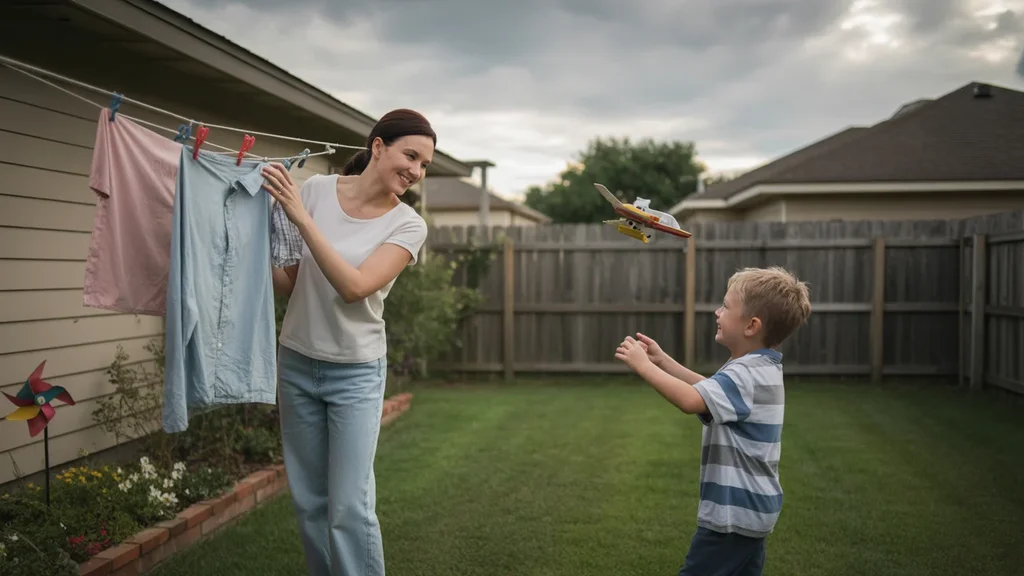
Local coverage of League City tends to frame the city through the lens of growth management, community identity, and infrastructure adaptation. Headlines and story angles often reflect the tension between development and character, progress and preservation.
- “New Retail and Dining Options Arrive as City Grows”
- “Residents Weigh Traffic Solutions as Population Climbs”
- “School District Expands to Meet Demand”
- “Community Debates What Growth Should Look Like”
- “Parks and Green Space Remain Priority Amid Development”
The tone is rarely alarmist, but it’s not celebratory either. Coverage tends to acknowledge both sides: growth brings amenities and tax base, but it also brings congestion and change. The city is portrayed as competent and family-focused, but also as a place navigating the emotional and logistical challenges of rapid suburban expansion.
Review-Based Public Perception
On platforms like Google Reviews, Yelp, and Nextdoor-style forums, League City earns steady but not effusive praise. The city tends to meet expectations for suburban comfort—safe streets, good schools, clean parks—but it doesn’t surprise or delight in ways that generate passionate reviews.
Positive sentiment clusters around predictability and family fit. Parents appreciate the school quality and the abundance of playgrounds. Commuters like the proximity to Houston without the density. People value the sense of safety and the ease of parking.
Criticism tends to focus on monotony and car dependency. Reviewers note that errands require driving, that walkability is limited outside a few corridors, and that nightlife and cultural amenities are sparse. There’s also recurring frustration about traffic on major routes during peak hours, and about the sameness of newer developments.
“Great place to raise kids. Schools are solid, parks are clean, and it feels safe. Just don’t expect much excitement.”
“If you like chain restaurants and driving everywhere, you’ll be fine. If you want local flavor or walkable neighborhoods, look elsewhere.”
“We love it here. It’s quiet, the neighbors are friendly, and we’re close enough to Houston for anything we need. The growth is a little much, but that’s everywhere now.”
Neighborhood variation exists but is often framed generically: newer planned areas feel polished and amenity-rich but can lack character; older pockets offer more individuality but sometimes feel bypassed by investment.
Comparison to Nearby Cities
| Aspect | League City | Friendswood | Pearland |
|---|---|---|---|
| Overall Vibe | Growing suburban comfort, family-focused | Quieter, more established, slower growth | Busier, more retail density, faster pace |
| Family Appeal | Strong schools, playgrounds, hospital access | Highly rated schools, tight-knit feel | Good schools, more commercial energy |
| Walkability | Pockets exist, but car-dependent baseline | Limited, very car-oriented | Some mixed-use corridors, still car-reliant |
| Growth Tension | Moderate; visible but manageable | Low; slower, more controlled | High; rapid expansion, busier feel |
| Commute to Houston | Reasonable, traffic on key routes | Similar distance, quieter roads | Slightly closer, heavier traffic |
League City sits in the middle of this trio emotionally. It’s busier and more growth-oriented than Friendswood, but calmer and more spacious than Pearland. If you want the quietest, most established suburban feel, Friendswood edges ahead. If you want more retail density and don’t mind a faster pace, Pearland might fit better. League City offers a balance: enough growth to feel dynamic, enough calm to feel suburban, and strong family infrastructure to anchor daily life.
None of these cities will thrill someone seeking urban walkability or nightlife. The choice comes down to how much growth energy you want around you, and whether you prioritize calm over convenience.
What Locals Are Saying
“We moved here from Houston five years ago, and it was the right call. The schools are great, the neighborhood feels safe, and we actually have a yard. The traffic has gotten worse, but it’s still nothing compared to the inner loop.”
“It’s fine if you’re raising kids, but if you’re young and single, there’s not much to do. You’ll end up driving to Houston or Clear Lake for anything interesting.”
“I like that it’s quiet and predictable. I don’t need excitement every night—I need good schools, low crime, and a place where my kids can ride bikes. League City delivers that.”
“The growth is a double-edged sword. We’re getting better restaurants and stores, but the roads are packed now, and it’s losing some of the small-town feel we moved here for.”
“If you work remotely or have a flexible schedule, it’s great. If you’re commuting to downtown Houston every day, the drive will wear on you.”
“It’s a solid suburb. Not flashy, not boring, just… solid. If that’s what you want, you’ll be happy. If you want more personality, you might feel restless.”
“We love the parks and the family vibe, but I do wish more things were walkable. It feels like you have to drive for everything, even just to grab milk.”
Does League City Feel Like a Good Fit?
League City tends to work well for families who value strong schools, safe neighborhoods, and proximity to Houston without urban density. It offers predictability, space, and a rhythm built around routine rather than spontaneity. The city’s family infrastructure is robust—schools, playgrounds, and healthcare access are all strong—and for households in that life stage, the fit often feels natural.
But the city’s emotional profile is less forgiving for those who crave walkable texture, cultural density, or nightlife. Errands require planning and driving, and while some pockets offer sidewalks and mixed-use corridors, the baseline is car-dependent. Growth is visible and ongoing, and that brings both opportunity (more amenities) and friction (more traffic, more sameness).
If you’re comfortable with suburban logistics and prioritize family fit over urban spontaneity, League City will likely feel like a smart, stable choice. If you’re restless without walkable neighborhoods or frequent cultural options, the city may feel limiting.
To explore how these tradeoffs translate into monthly expenses and budget planning, or to understand what quality of life factors matter most, dive into the related guides. And if you’re weighing renting versus buying in League City, the housing guide breaks down the real tradeoffs.
How this article was built: In addition to public economic data, this article incorporates location-based experiential signals derived from anonymized geographic patterns—such as access density, walkability, and land-use mix—to reflect how day-to-day living actually feels in League City, TX.
The perspectives shown reflect commonly expressed local sentiment and recurring themes in public discussion, rather than individual accounts.