
74 out of 100 residents say they’re happy in Katy — but what does that number really mean when you’re deciding whether this city fits your life? Happiness in Katy isn’t about perfection; it’s about alignment. The people who thrive here tend to value space, green access, and a strong sense of suburban order. The people who feel restless often wanted more walkable spontaneity, urban texture, or transit flexibility than Katy’s structure delivers. Understanding the city’s emotional tone means understanding the tradeoffs that shape daily life — and whether those tradeoffs feel like relief or friction to you.
What It Actually Feels Like to Live in Katy
Katy’s vibe is rooted in suburban comfort with a family-first orientation. The city offers extensive park access — density exceeds high thresholds — and water features woven into the landscape, creating a strong outdoor foundation for households that prioritize green space and recreation. A hospital is present, along with pharmacies, giving residents confidence in local healthcare access. The median household income of $114,917 per year signals a community where dual-income professional families are common, and expectations around convenience, quality, and amenities run high.
But Katy’s structure creates tension for some. While walkable pockets exist — the pedestrian-to-road ratio exceeds high thresholds in certain areas — the overall mobility texture remains car-oriented. Errands are clustered along corridors rather than integrated into neighborhoods, meaning grocery runs, dining, and daily tasks typically require driving and planning rather than spontaneous walking. Family infrastructure — schools and playgrounds — falls below density thresholds, a surprising gap given the city’s income profile and family orientation. The urban form is low-rise with mixed residential and commercial land use, but the day-to-day experience leans heavily on vehicle dependency.
People who feel “at home” in Katy tend to be those who wanted exactly this: a spacious, orderly, green suburban environment where you trade walkability for yard space, and where convenience is available but requires a short drive. People who feel friction are often those who expected more neighborhood-level walkability, transit options, or urban texture — or who underestimated how much of daily life would revolve around the car.
Social Media Buzz in Katy
Online discussions about Katy often reflect pride mixed with pragmatic realism. Residents celebrate the city’s parks, the sense of safety, and the appeal of newer planned communities. But there’s also recurring conversation about growth, traffic, and the feeling that Katy is “in between” — no longer a small town, but not quite an urban center either.
“We moved here for the schools and the space, and we got both. But you definitely need to be okay with driving everywhere — there’s no popping out for a quick errand on foot.”
“The parks are fantastic, and we use them constantly. It’s one of the best things about living here if you have kids who need to burn energy.”
“Katy feels safe and clean, but it can feel a little isolating if you’re used to walkable neighborhoods where you run into people. Here, you have to be more intentional about socializing.”
The tone is rarely negative, but it’s also rarely uncritical. Residents tend to describe Katy as a place that delivers on its promises — as long as you understood what those promises were.
Local News Tone
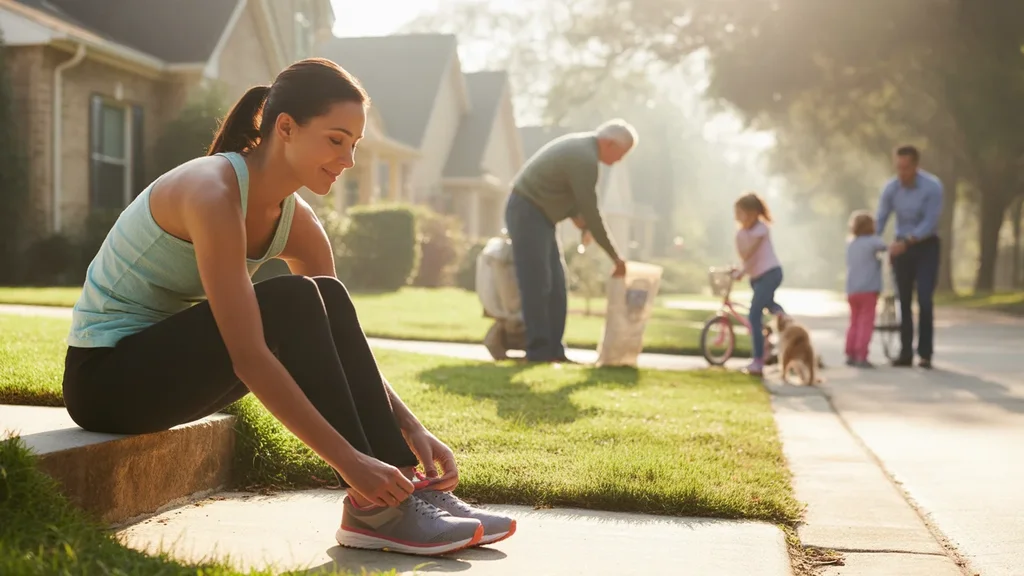
Coverage of Katy tends to frame the city through the lens of growth, infrastructure adaptation, and community identity. The emotional tone is one of cautious optimism mixed with concern about preserving what made the city appealing in the first place. Typical discussion categories include:
- “New Retail and Dining Options Arrive Along Major Corridors”
- “Residents Weigh Convenience Against Increased Traffic”
- “Community Debates What Growth Should Look Like”
- “Families Drawn to Green Space and Suburban Comfort”
- “Balancing Small-Town Feel with Big-City Proximity”
The framing is rarely alarmist, but it reflects an ongoing negotiation: how does Katy grow without losing the suburban character that attracted people in the first place?
Review-Based Public Perception
Public reviews of Katy — whether on Google, Yelp, or neighborhood platforms — tend to cluster around expectation matching. People who wanted suburban space, safety, and green access tend to leave positive reviews. People who wanted walkability, nightlife, or urban variety tend to express disappointment.
Praise often centers on:
- Park quality and accessibility
- Perceived safety and cleanliness
- Good options for families with children
- Proximity to Houston without living in the urban core
Complaints often focus on:
- Car dependency for nearly all errands
- Limited walkability outside specific pockets
- Traffic congestion during peak hours
- Lack of spontaneous social or cultural activity
Neighborhood variation exists, with newer planned areas offering more amenities and cohesion, while older pockets may feel less connected to the city’s growth trajectory. But across the board, the recurring theme is: Katy works best for people who wanted exactly what it offers, and less well for those who hoped it would feel more urban or walkable than it does.
Comparison to Nearby Cities
| Dimension | Katy | Sugar Land | Cypress |
|---|---|---|---|
| Overall Vibe | Suburban comfort, car-dependent, family-oriented | More polished, higher density retail, slightly more walkable pockets | Similar suburban feel, slightly more rural edges, quieter |
| Walkability | Pockets exist, but car required for most errands | Better corridor walkability, more mixed-use zones | Very car-dependent, fewer walkable areas |
| Green Space | Extensive parks, high density, water features | Good park access, but less integrated into daily life | Strong green space, more spread out |
| Family Appeal | High income, safety-focused, but limited school/playground density | Strong family infrastructure, more amenities | Family-friendly, quieter, fewer amenities nearby |
| Social Texture | Requires intentionality, less spontaneous interaction | Slightly more social density, more dining/retail variety | Quieter, more private, less social infrastructure |
If you prioritize green space and a strong sense of suburban order, Katy delivers. If you want more walkable retail variety and slightly denser social infrastructure, Sugar Land may feel more aligned. If you prefer even quieter surroundings and don’t mind driving a bit farther for amenities, Cypress might be a better fit. None of these cities will satisfy someone seeking urban walkability or transit access — that’s a different decision entirely.
What Locals Are Saying
“We moved from an apartment in Houston, and Katy gave us the yard and the quiet we wanted. But I do miss being able to walk to a coffee shop — here, everything requires getting in the car.”
“The parks are honestly incredible. We’re out there every weekend, and it’s one of the main reasons we’re happy here. If you have young kids, that access is huge.”
“Katy feels safe, and that matters to us. But it can feel a little sterile sometimes — like everyone’s in their own bubble. You have to work harder to build community.”
“I work remotely, and Katy’s been great for that. Low cost of distraction, plenty of space, and I can get to Houston when I need to. But if I had to commute daily, the traffic would wear on me.”
“We’re retirees, and Katy’s been a good fit — quiet, clean, and we have access to healthcare. But we do wish there were more walkable areas. We end up driving even for short trips.”
“As a young professional without kids, Katy feels a little limiting. There’s not much nightlife or spontaneous social scene. It’s a family city, and that’s fine — it’s just not my phase of life.”
“We’ve been here for ten years, and we’ve watched it grow. Some of that growth has been good — more restaurants, more options. But the traffic has definitely gotten worse, and it’s starting to feel less like the small town we moved to.”
Does Katy Feel Like a Good Fit?
Katy’s emotional profile is clear: this is a city that rewards people who wanted suburban space, green access, and a family-first environment, and who are comfortable with car dependency as the cost of that lifestyle. It tends to frustrate people who wanted more walkable spontaneity, urban texture, or transit flexibility.
If you’re a dual-income family looking for safety, parks, and room to breathe — and you’re fine with driving for errands — Katy will likely feel like a relief. If you’re someone who thrives on walkable neighborhoods, frequent social interaction, or public transit access, Katy will likely feel limiting.
The city’s happiness isn’t about universal appeal; it’s about alignment. Understanding what “enough” actually means in Katy — and whether that matches your priorities — is the real decision. If you’re weighing housing tradeoffs or trying to map out where money goes in a car-dependent suburb, those are the next steps in figuring out whether Katy’s structure works for your life.
How this article was built: In addition to public economic data, this article incorporates location-based experiential signals derived from anonymized geographic patterns—such as access density, walkability, and land-use mix—to reflect how day-to-day living actually feels in Katy, TX.
The perspectives shown reflect commonly expressed local sentiment and recurring themes in public discussion, rather than individual accounts.