
Windsor, CT vs. South Windsor, CT: Cost of Living Comparison (2025)
Considering a move to the Hartford suburbs in 2025? Windsor and South Windsor are two popular choices, but which one fits your budget best? While both towns offer a high quality of life, there are some notable differences in the cost of living to consider:
- Housing costs: 10-15% lower in Windsor
- Utilities: Similar in both towns
- Groceries: 5% cheaper in Windsor
- Property taxes: 20% higher in South Windsor
For many families and young professionals relocating to the area, the bottom line often comes down to housing affordability and taxes. Let’s take a closer look at how the numbers compare in Windsor versus South Windsor, and what that means for your monthly expenses in 2025.

Housing Costs
The median home price in Windsor is around $325,000 as of 2025, while South Windsor’s median is closer to $375,000. For a typical 3-bedroom single-family home, that translates to a mortgage payment of roughly $1,900 per month in Windsor compared to $2,200 in South Windsor (assuming 20% down on a 30-year fixed loan).
Rents show a similar gap, with the average 2-bedroom apartment going for $1,600 monthly in Windsor versus $1,800 in South Windsor. Rental inventory also tends to be a bit tighter in South Windsor.
Here’s a snapshot of common housing costs in Windsor and South Windsor:
| Housing | Windsor | South Windsor |
|---|---|---|
| Median Home Price | $325,000 | $375,000 |
| Mortgage (3BR) | $1,900 | $2,200 |
| Rent (2BR) | $1,600 | $1,800 |
For a family of four, choosing Windsor could mean saving around $300 per month on housing compared to a similar home in South Windsor. Young professionals who rent may pocket $200 extra per month by opting for Windsor instead.
The verdict? Windsor wins on housing costs, with prices around 10-15% lower across the board for both renters and buyers.
Utilities and Energy Costs
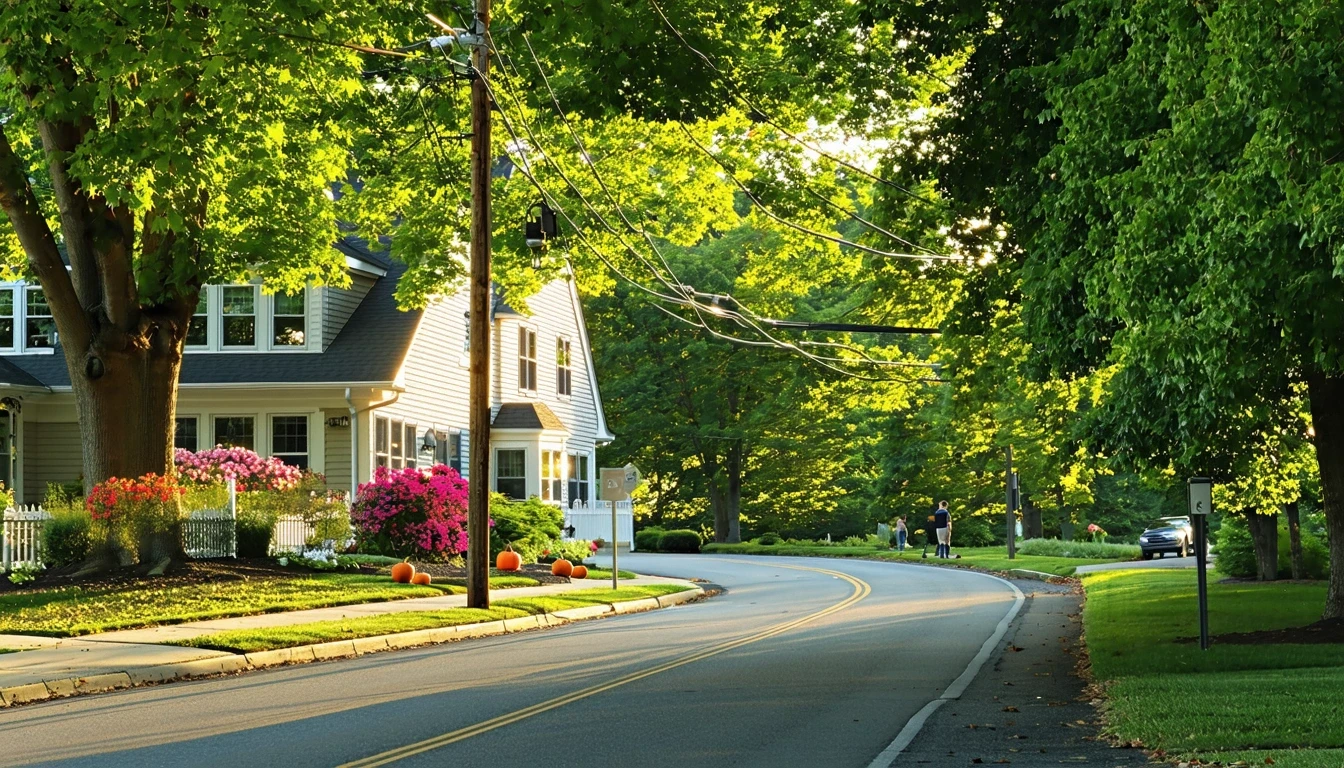
Both Windsor and South Windsor residents pay similar amounts for utilities like electricity, natural gas, water, and sewer. The average monthly utility bill ranges from $250-$350 for a typical household.
Seasonal swings can impact costs, with higher heating bills in the winter and increased AC use in the summer. Newer construction homes tend to be more energy-efficient, while older houses may have draftier windows and doors that bump up utility expenses.
Since the housing stock and utility providers are comparable between the two towns, there’s no clear winner. Expect to pay about the same for utilities whether you live in Windsor or South Windsor.
Groceries and Daily Expenses
Grocery costs are fairly reasonable in both Windsor and South Windsor, with major chains like Stop & Shop, Big Y, and Geissler’s serving the area. Prices at these stores align with Hartford metro averages.
However, Windsor does have a slight edge, with a gallon of milk or loaf of bread typically costing about 5% less than in South Windsor. Over a month, that can add up to $25-$50 in savings for a family that cooks most meals at home.
Dining out is a bit pricier in South Windsor, where a meal for two at a casual restaurant averages $60 compared to $50 in Windsor. But with plenty of local favorites in both towns, you won’t need to venture far for a good bite.
Overall, Windsor has the advantage on food and daily living costs, even if the difference is a modest 5% compared to South Windsor.
Taxes and Fees
Taxes are where the cost gap widens considerably between Windsor and South Windsor. The mill rate (used to calculate property taxes) is over 20% higher in South Windsor—39.9 versus 32.9 in Windsor for 2025.
For a home assessed at $250,000, that means an annual property tax bill of $9,975 in South Windsor compared to $8,225 in Windsor. Buyers should factor that $1,750 difference into their monthly housing budget.
Both towns charge similar fees for trash collection and other municipal services. But with its lower property taxes, Windsor comes out ahead for most households.
Cost of Living Comparison
| Category | Windsor | South Windsor |
|---|---|---|
| Housing | $1,600 – $1,900 | $1,800 – $2,200 |
| Utilities | $250 – $350 | $250 – $350 |
| Groceries | $500 – $700 | $525 – $735 |
| Transportation | $60 – $80 | $60 – $80 |
| Taxes | $685 | $830 |
| Misc. | $200 – $300 | $200 – $300 |
| Est. Monthly Total | $3,295 – $4,015 | $3,665 – $4,495 |
Estimates reflect 2025 costs for a mid-size household (2-bedroom apartment or 3-bedroom home) using published national data and regional benchmarks. Actual expenses will vary with household size, lifestyle, and neighborhood.
Adding it all up, a typical family can expect to spend around $3,295 to $4,015 per month living in Windsor, compared to $3,665 to $4,495 per month in South Windsor. That’s a potential savings of $370 to $480 per month by choosing Windsor—or up to $5,760 per year.
Lifestyle Fit
Of course, cost is just one factor in deciding where to live. Both Windsor and South Windsor offer a suburban lifestyle with easy access to Hartford and other major employment centers. Commute times are similar, with most residents driving 20-30 minutes to work.
Windsor has a bit more of a historic feel, with a quaint town green and a mix of older homes and newer developments. It’s also more walkable, with a Walk Score of 45 compared to South Windsor’s 36. You’ll find a good selection of parks, trails, and community events.
South Windsor has a slightly more modern vibe, with larger lots and a higher percentage of newer construction homes. It’s known for its excellent schools and youth sports programs. While not as walkable as Windsor, South Windsor does have more shopping and dining options concentrated along Buckland Road and the Evergreen Walk lifestyle center.
Ultimately, both towns provide a high quality of life for families and professionals. Windsor may appeal more to those seeking a classic New England feel and lower housing costs, while South Windsor attracts residents willing to pay a bit more for newer homes and top-rated schools.
Frequently Asked Questions
Is Windsor more affordable than South Windsor in 2025?
Yes, Windsor tends to be 10-15% cheaper than South Windsor across major cost of living categories like housing, food, and taxes. A typical family can save $300 to $500 per month living in Windsor.
Are property taxes higher in South Windsor than in Windsor?
Property taxes are about 20% higher in South Windsor, with a mill rate of 39.9 compared to 32.9 in Windsor (as of 2025). For a home assessed at $250,000, that’s an extra $1,750 per year in South Windsor.
How much could homebuyers save by choosing Windsor over South Windsor in 2025?
With a median home price around $325,000 in Windsor versus $375,000 in South Windsor, buyers can expect to save roughly $50,000 upfront. Factor in lower property taxes and that savings grows to $80,000 or more over 10 years.
Do utility bills tend to be higher in Windsor or South Windsor during the winter?
Utility costs are comparable between the two towns, with most households paying $250 to $350 per month. Winter heating bills may be slightly higher in older Windsor homes, but the difference is usually minimal.
What is the average monthly cost of living for a family of four in Windsor vs. South Windsor?
Expect to budget around $4,000 per month in Windsor compared to $4,500 per month in South Windsor for a family of four in 2025. Housing, taxes, and groceries account for most of that $500 difference.
The Bottom Line
While Windsor and South Windsor both provide an excellent quality of life, Windsor comes out ahead on affordability in 2025. Lower housing costs, cheaper groceries, and a lighter tax burden add up to substantial monthly savings for most households.
If maximizing your budget is a top priority, Windsor is a smart choice. You’ll get more house for your money and likely pay a bit less for everyday expenses. But if newer homes and top schools are worth a premium, South Windsor remains a desirable option for those willing to stretch their budget.
Carefully weigh the cost of living factors against your lifestyle priorities as you decide between these two Hartford County neighbors. And if you need help with your move to the Windsor area, be sure to compare quotes from multiple providers to find the best fit for your needs and budget.