
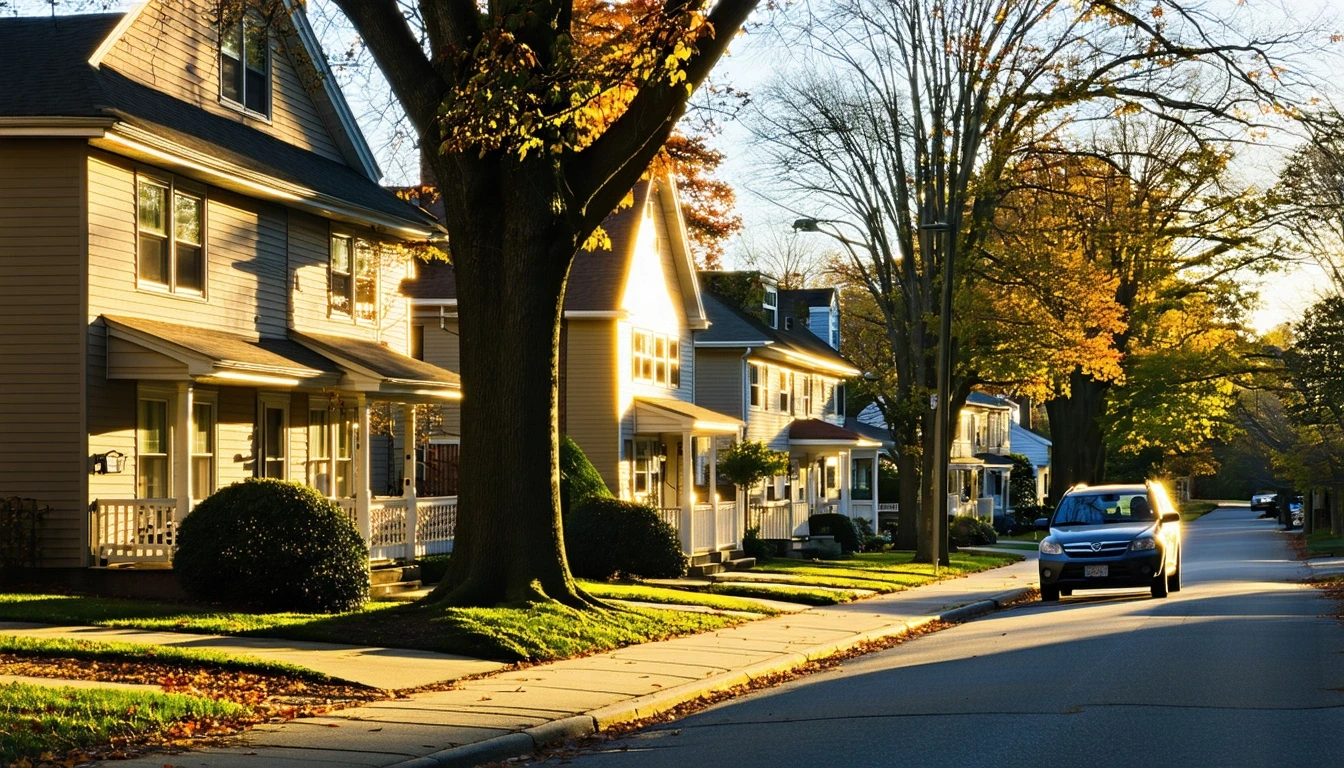
The Housing Market in Wilmington Today
Wilmington, Delaware’s largest city, offers a diverse housing market shaped by its position as a corporate hub and proximity to major East Coast metros. The city’s economy is anchored by the finance and healthcare sectors, with major employers like Bank of America, Christiana Care Health System, and DuPont influencing housing demand. Compared to nearby Philadelphia and Baltimore, Wilmington provides a more affordable urban living option with convenient access to these larger job markets.
In recent years, Wilmington has seen steady population growth and rising housing costs, though prices remain lower than in many comparable Northeast cities. The market offers a mix of historic row homes, suburban single-family houses, and newer apartment complexes catering to young professionals. Riverfront redevelopment and downtown revitalization efforts have also spurred demand in the city center.
For those considering a move to Wilmington, it’s important to understand the local housing landscape, including rent trends, property taxes, and cost differences between apartments and houses. While Wilmington offers relative affordability for the region, housing expenses still make up a significant portion of most residents’ monthly budgets.
Renting in Wilmington: Typical Costs and Trends
As of 2025, the median rent for a one-bedroom apartment in Wilmington stands at $1,250 per month, while two-bedroom units rent for around $1,550. These prices represent a moderate increase from previous years, driven by demand from young professionals and families drawn to the city’s job opportunities and amenities.
Rent prices vary by neighborhood, with the most expensive areas clustered around the riverfront and downtown districts. The Highlands, Trolley Square, and Wawaset Park are among the pricier rental markets, offering walkable urban living and easy access to dining and entertainment. More affordable rents can be found in neighborhoods like Hedgeville, Hilltop, and parts of the West Side.
For renters, location often involves a tradeoff between price and convenience. Apartments close to major employers or with quick access to I-95 tend to command higher rents. However, Wilmington’s compact size means even more affordable neighborhoods are usually within a 15-20 minute drive of the city center.
Owning a Home in Wilmington: Prices, Taxes, and HOA Fees
The median home price in Wilmington currently sits around $250,000, making homeownership attainable for many middle-class buyers. However, prices have been on an upward trajectory, with the market seeing steady appreciation in recent years.
One important factor for Wilmington homeowners is property taxes. The city has a property tax rate of 1.985%, slightly higher than the national average. For a home valued at $250,000, this translates to an annual tax bill of roughly $4,960.
Many of Wilmington’s suburban neighborhoods, particularly in the northern part of the city, have active homeowners associations (HOAs). These associations charge monthly or annual fees to cover services like trash removal, snow plowing, and common area maintenance. HOA fees in Wilmington typically range from $200 to $400 per month, though some higher-end communities may charge more. When budgeting for homeownership, it’s important to factor in both property taxes and any applicable HOA fees on top of mortgage payments.
Apartment vs House in Wilmington: Side-by-Side Costs
| Monthly Expense | Apartment (2BR) | House (3BR) |
|---|---|---|
| Rent/Mortgage Payment | $1,550 | $1,480 |
| Property Tax | N/A (included in rent) | $413 |
| Utilities | $120 | $250 |
| Insurance | $15 (renters) | $80 (homeowners) |
| HOA Fees | N/A | $300 |
| Monthly Total | $1,685 | $2,523 |
Methodology: Housing estimates for 2025 in Wilmington use published rent and sale price data, local property tax rates, and typical HOA fees where available. When city-specific numbers are missing, regional ranges for similar Delaware markets are applied. All totals are rounded and expressed as monthly costs. Actual expenses vary depending on neighborhood, housing type, and household size.
Utility & Upkeep Differences
In addition to rent or mortgage payments, utilities and maintenance costs are key factors when comparing apartments and houses. Wilmington’s climate means heating costs can be significant in winter, while summer electricity bills are more moderate.
Apartment dwellers typically pay for electricity, internet/cable, and sometimes water, while other utilities are often rolled into rent prices. Renters insurance is also recommended and relatively affordable. Maintenance and repairs are generally the landlord’s responsibility.
Homeowners must budget for all utilities, including heating oil or natural gas, electricity, water/sewer, and internet/cable. Costs are highly variable based on home size, age, and efficiency. Homeowners insurance is a must and premiums are higher than renters insurance. Houses also come with added maintenance expenses like lawn care, snow removal, and routine upkeep, which can add hundreds of dollars per month.
5-Year Rent vs Buy Outlook
Looking ahead, both renting and buying in Wilmington are likely to get more expensive. Based on current trends, rents are projected to rise 3-4% annually, while home values may appreciate 2-3% per year. Over a five-year period, this means monthly rents could reach $1,800+ for a two-bedroom, while the median home price could approach $300,000.
Of course, these projections are uncertain and individual circumstances vary greatly. Renters can avoid the added costs and responsibilities of homeownership but won’t build equity. Buyers can fix housing costs and gain an asset but face upfront expenses and longer-term commitments.
Ultimately, the rent vs buy decision depends on factors like job stability, savings, debt, and long-term goals. Talking to a local real estate agent or financial advisor can help clarify the best path. For a full picture of living costs, also check out our Wilmington cost of living breakdown.
FAQs About Housing Costs in Wilmington
How much are HOA fees in Wilmington?
HOA fees in Wilmington typically range from $200 to $400 per month, but can be higher in luxury developments. Not all homes have HOAs.
What is the property tax rate in Wilmington?
Wilmington’s property tax rate is 1.985% of assessed value. For a $250,000 home, annual taxes would be around $4,960.
Is renting cheaper than buying long-term in Wilmington?
On a monthly basis, renting is often cheaper than buying. But over time, owning can be more cost-effective as you build equity. Use our monthly budget guide to compare options.
Do houses have higher utility costs than apartments?
Yes, houses typically have higher utility and maintenance costs than apartments due to their larger size, additional outdoor areas, and owner responsibilities.
What’s the monthly cost difference between apartments and houses in Wilmington?
On average, renting a 2-bedroom apartment in Wilmington costs $1,685 per month. Owning a 3-bedroom house has a typical monthly cost of $2,523 including mortgage, taxes, insurance, and HOA fees.
Making Smart Housing Choices in Wilmington
Wilmington offers a range of housing options for different budgets and lifestyles. For those prioritizing affordability and flexibility, renting may be the best choice, especially in the short term. Homeownership requires more upfront costs and commitment but can provide stability and wealth-building over time.
When deciding whether to rent or buy, consider your financial picture holistically. Beyond monthly payments, factor in savings for down payments, closing costs, and emergency repairs. Also think about your job prospects, family plans, and desire to put down roots.
Wilmington’s many neighborhoods provide opportunities for both urban and suburban living at relatively affordable price points for the Northeast. Whether renting an apartment near the riverfront or buying a house in the suburbs, it’s important to understand all the costs involved. Doing your research, making a budget, and comparing moving options are key steps in finding your ideal Wilmington home.