
“Honestly, West Valley gets written off by people who’ve never actually spent time here. Yeah, it’s not the trendy part of the valley, but I can walk to the grocery store, take TRAX downtown, and actually afford a house with a yard. That combo doesn’t exist in most of Salt Lake County anymore.”
That tension—between what West Valley City is assumed to be and what it actually offers—defines much of the emotional experience here. This is a city where suburban affordability meets unexpectedly urban infrastructure, where cultural diversity shapes daily life more than in neighboring towns, and where pragmatism often wins over prestige. For some households, that’s exactly the tradeoff they want. For others, it feels like settling.
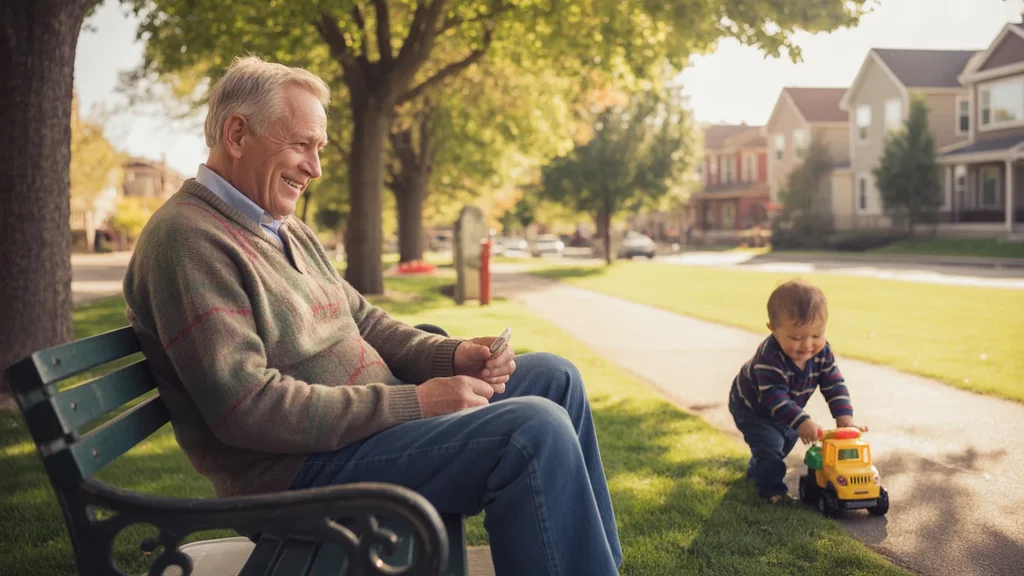
What West Valley City Feels Like
West Valley City doesn’t try to be charming in the boutique sense. It’s a working city—practical, diverse, and built around getting things done rather than being admired. The vibe here rewards people who care more about function than reputation: families who want space and school options without stretching into six figures, commuters who value rail access at a suburban price point, renters who’d rather have grocery stores and parks within walking distance than a prestigious ZIP code.
What tends to feel rewarding is the infrastructure-to-cost ratio. This is one of the few places in the Salt Lake metro where you can find housing tradeoffs that don’t force you to choose between affordability and accessibility. The city has rail transit, high grocery density, and integrated green space—features more common in urban cores than suburban edges. People who recognize that combination tend to feel like they’re getting more than they’re paying for.
What tends to feel limiting is the perception gap. West Valley carries an older reputation that doesn’t match its current reality, and that affects everything from social signaling to resale confidence. If you care about how your address reads to others, that friction doesn’t go away. The city also lacks the dining variety, nightlife texture, and walkable commercial districts that define more established urban neighborhoods. It’s broadly accessible for errands, but it’s not a place where you stroll for pleasure.
The people who feel at home here tend to be pragmatic, culturally open, and focused on day-to-day livability over long-term brand. The people who feel restless tend to want either more suburban homogeneity or more urban vitality—and West Valley sits in between.
Social Media Buzz in West Valley City
In online discussions—across local Facebook groups, regional subreddit threads, and neighborhood app posts—West Valley City gets talked about in a few recurring emotional registers: defensive pride, cautious optimism, and fatigue with being misunderstood.
There’s a protective tone among longtime residents and newer arrivals who feel the city gets unfairly dismissed. People push back when outsiders conflate older crime statistics with current conditions, or when they assume West Valley lacks amenities it actually has. That defensiveness isn’t about denial—it’s about wanting credit for what’s improved and what’s always been here.
“People act like there’s nothing here, but we’ve got better park access than half the east side, and I can actually take my kids to the splash pad without driving 20 minutes.”
There’s also a pragmatic, almost weary realism about what the city isn’t. Residents acknowledge the lack of walkable downtown character, the uneven retail landscape, and the perception problem. But the tone isn’t bitter—it’s more like: this is the deal, and the deal works if you know what you’re getting.
“It’s not going to show up on anyone’s ‘best places’ list, but I’m five minutes from TRAX, my mortgage is reasonable, and my neighbors are from everywhere. I’ll take that over a trendy address I can’t afford.”
Conversations about growth and change tend to be cautiously optimistic but not celebratory. People notice new retail, updated parks, and denser development, but there’s little illusion that West Valley will suddenly become a destination. The hope is more modest: that the city continues to improve without losing its affordability or diversity.
Local News Tone
Local coverage of West Valley City tends to frame the city through a few recurring lenses: growth and development, community identity, public safety evolution, and infrastructure investment. The tone is rarely celebratory or alarmist—it’s more observational, tracking a city in transition without declaring a direction.
Here are the kinds of topic frames that tend to appear:
- “New Housing and Retail Arrive as City Grows”
- “Community Debates What Development Should Prioritize”
- “Transit Access Expands While Car Dependency Remains”
- “Residents Weigh Affordability Against Neighborhood Perception”
- “Cultural Diversity Shapes City Character and Services”
The framing reflects a city that’s neither struggling nor thriving in a headline-worthy way—it’s evolving steadily, with tension between what it was, what it is, and what different groups want it to become. There’s less narrative drama here than in gentrifying urban cores or fast-growing exurbs, and that lack of clear storyline mirrors how residents describe the experience: solid, functional, and a little underestimated.
Review-Based Public Perception
On platforms like Google Reviews, Yelp, and Nextdoor-style community boards, West Valley City gets praised and critiqued in predictable patterns—and the gap between praise and complaint often comes down to expectation matching.
People who wanted suburban affordability with urban-adjacent infrastructure tend to be pleasantly surprised. They highlight grocery access, park quality, transit convenience, and the ease of running errands without a car for every trip. The tone is often “better than I expected” rather than “this is amazing,” but that modest satisfaction runs deep.
People who wanted either a quieter, more insular suburban experience or a walkable, amenity-rich urban neighborhood tend to feel let down. Common complaints include lack of dining variety, uneven streetscape quality, and the perception that the city lacks a cohesive identity. There’s also frustration among those who feel the city’s reputation affects resale value or social belonging.
Neighborhood variation shows up in reviews, though usually in broad strokes: newer planned areas tend to get praised for parks and school proximity, while older pockets get described as more worn but also more affordable and culturally diverse. The city doesn’t have sharply defined “good” and “bad” zones in the way some metros do—it’s more a gradient of age, density, and upkeep.
What almost everyone agrees on: this is not a place that rewards you for seeking status or aesthetic delight. It rewards you for caring about day-to-day costs, logistical ease, and access to the broader metro without paying urban premiums.
Comparison to Nearby Cities
| Aspect | West Valley City | Salt Lake City | Sandy |
|---|---|---|---|
| Overall Vibe | Pragmatic, diverse, infrastructure-focused | Urban, walkable, culturally active | Family-oriented, polished, suburban |
| Housing Accessibility | Affordable with space and transit access | Expensive, competitive, limited yards | Moderate to high, newer builds |
| Transit & Walkability | Rail present, walkable pockets, car-light possible | Strong transit, walkable core, bike-friendly | Car-dependent, limited transit, spread out |
| Cultural Diversity | High, defining characteristic | Moderate, growing | Low, more homogeneous |
| Dining & Nightlife | Limited, functional, not a draw | Extensive, varied, destination-worthy | Chain-heavy, family-focused |
| Perception & Prestige | Underestimated, reputation lags reality | Desirable, competitive, trendy | Aspirational, safe, suburban ideal |
If you want urban vitality, walkable density, and cultural amenities, Salt Lake City delivers—but you’ll pay significantly more for housing and deal with parking scarcity and competition. If you want a polished suburban experience with newer builds and strong schools, Sandy offers that, but you’ll sacrifice transit access, cultural diversity, and affordability relative to West Valley.
West Valley City works for people who want the infrastructure advantages of urban proximity—rail access, grocery density, park integration—without the cost or density of the urban core, and without the cultural homogeneity or car dependency of outer suburbs. It’s a middle option that doesn’t feel like a compromise if those are the variables you care about. It does feel like a compromise if you’re seeking either extreme.
What Locals Are Saying
“We moved here from out of state and honestly didn’t know the reputation. What we found was a house we could afford, a park two blocks away, and neighbors from six different countries. I don’t get the negativity.”
— Family with young children, newer planned area
“I’ve been here 20 years and yeah, it’s changed. More development, more people, more traffic. But it’s still the most affordable part of the valley where you can actually take the train downtown. That’s worth something.”
— Longtime resident, older neighborhood
“It’s fine for what it is, but I wouldn’t call it exciting. You’re not walking to dinner or meeting friends at a coffee shop. It’s more like: I can get groceries, go to the park, and commute without burning half my paycheck on rent.”
— Remote worker, renting
“The diversity here is real, and that matters to us. Our kids go to school with families from all over, and that’s not something you get in every suburb. But I do wish there were more local restaurants that weren’t chains.”
— Parents, mid-30s
“People told us not to move here, but we wanted a yard and didn’t want to be an hour from anything. We’re 15 minutes from downtown, we have TRAX access, and we’re not underwater on our mortgage. I’d make the same choice again.”
— Young professional couple
“I think the city’s trying, but it still feels a little scattered. Some areas are really nice, others feel neglected. It’s not cohesive the way Sandy or Draper feels. But it’s also way cheaper, so you kind of get what you pay for.”
— Renter in transition, early 30s
“Honestly, the perception thing bugs me. People assume it’s rough or boring, and it’s neither. It’s just not fancy. If you need fancy, go somewhere else. If you need functional and affordable, this works.”
— Homeowner, 40s
Does West Valley City Feel Like a Good Fit?
West Valley City doesn’t ask you to fall in love with it. It asks you to recognize what it offers and decide whether that matches what you need. The city works for people who prioritize livability factors like transit access, grocery density, park availability, and cultural openness over neighborhood prestige or aesthetic polish. It works for families who want space and affordability without sacrificing metro connectivity. It works for pragmatic renters and buyers who’d rather have functional infrastructure than a trendy ZIP code.
It tends to frustrate people who care deeply about perception, resale confidence, or social signaling. It also frustrates those seeking either a quieter, more insular suburban experience or a walkable, amenity-rich urban core. West Valley sits in between, and that in-between position is either exactly right or perpetually unsatisfying, depending on what you value.
The emotional profile here is rooted, not romantic. If you’re looking for a place that rewards careful observation over first impressions, that offers more infrastructure than its reputation suggests, and that doesn’t penalize you financially for wanting both space and access, West Valley City tends to deliver. If you need the place you live to also be the place that impresses others, the friction probably won’t resolve.
How this article was built: In addition to public economic data, this article incorporates location-based experiential signals derived from anonymized geographic patterns—such as access density, walkability, and land-use mix—to reflect how day-to-day living actually feels in West Valley City, UT.
The perspectives shown reflect commonly expressed local sentiment and recurring themes in public discussion, rather than individual accounts.