
West Hartford, CT vs. Glastonbury, CT: Cost of Living Comparison (2025)
Considering a move to the Hartford suburbs in 2025? West Hartford and Glastonbury often top the list for relocating families and young professionals. But which town offers the right mix of affordability and amenities for your lifestyle and budget? Let’s break it down:
- 🏡 Housing costs: 10-15% lower in Glastonbury
- 🥑 Groceries: Slightly higher in West Hartford
- 🔌 Utilities: Similar in both towns
- 🚌 Transportation: More options in West Hartford
- 💸 Taxes: Property taxes 5% lower in Glastonbury
While both of these desirable Hartford suburbs boast excellent schools, safe neighborhoods, and a high quality of life, there are some notable cost of living differences to consider. West Hartford tends to be pricier for housing and everyday expenses but offers more urban amenities and transit access. Glastonbury has a lower cost of entry for homebuyers and slightly lower taxes but is further from the city.
As more people prioritize space and affordability in the post-pandemic landscape, cost of living has become a central factor in deciding where to settle down. In this article, we’ll dive into the key living costs in West Hartford and Glastonbury circa 2025 to help you determine which town fits your family’s needs and budget.
Housing Costs
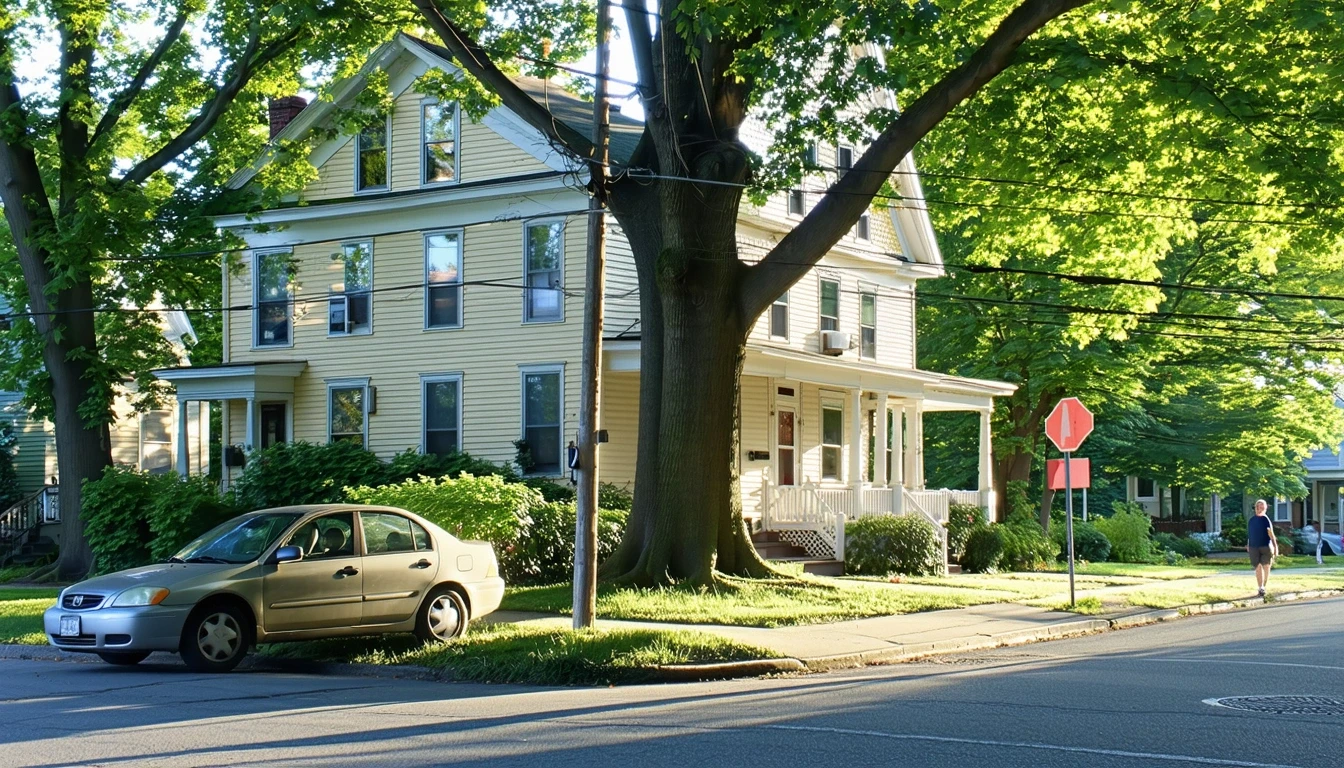
Housing is the biggest line item in most household budgets, and there’s a clear difference between West Hartford and Glastonbury. While both towns have a mix of apartments, condos, and single-family homes, prices skew higher in West Hartford due to its proximity to downtown Hartford and demand for its walkable neighborhoods and amenities.
As of 2025, the median home price in West Hartford is around $450,000, while Glastonbury’s median is closer to $400,000. For a typical 3-bedroom, 2-bath single-family home, expect to pay $550,000-$650,000 in most parts of West Hartford compared to $450,000-$550,000 in Glastonbury.
Rents also tend to be 10-20% lower in Glastonbury. A mid-range 2-bedroom apartment runs about $1,800-$2,200 per month in West Hartford, while similar units in Glastonbury go for $1,600-$2,000. Keep in mind that newer luxury complexes in both towns can climb above $3,000 for a 2-bedroom.
| Housing | West Hartford | Glastonbury |
|---|---|---|
| Median Home Price | $450,000 | $400,000 |
| Typical 3BR Home | $550K – $650K | $450K – $550K |
| 2BR Apartment Rent | $1,800 – $2,200 | $1,600 – $2,000 |
For growing families in need of more space, Glastonbury offers better value and a lower barrier to entry for first-time homebuyers. Young professionals more focused on location may find West Hartford’s higher housing costs worth it for the walkability and social scene. Rental inventory also tends to be higher in West Hartford Town Center and Blue Back Square.
Overall, housing costs are the biggest differentiator between these two towns, with Glastonbury coming out ahead. Families can expect to save $100,000+ on a starter home or $200-400 per month on rent by choosing Glastonbury over West Hartford.
Utilities and Energy Costs
Utility costs are fairly comparable between West Hartford and Glastonbury. Both towns are served by Eversource and Connecticut Natural Gas, with similar rate structures. Expect to pay around $150-$250 per month for electricity and $100-$150 for natural gas to heat a typical single-family home, depending on the season.
Older homes in both towns may have higher heating and cooling costs due to less efficient systems and insulation. Glastonbury does have slightly newer housing stock on average, with more homes built after 1990, so utility costs may skew a bit lower. Water and sewer fees are also marginally lower in Glastonbury.
For a family of four in a 3-bedroom home, budget around $400 per month for utilities in either town. Smaller apartments or condos will see lower bills, while large estates can easily double that. With no major disparities, utilities aren’t a huge factor in choosing between West Hartford and Glastonbury. It’s essentially a toss-up based on the specific property.
Groceries and Daily Expenses
Feeding a hungry family is a major monthly expense, and grocery costs are worth comparing. West Hartford has a wider variety of food shopping options, from high-end specialty markets like Whole Foods to discount grocers like Aldi. Glastonbury has fewer choices but solid standards like Stop & Shop and Shoprite.
To stock a family fridge, expect to spend around $1,000 per month in either town according to MIT’s Living Wage Calculator. However, West Hartford prices may be 5-10% higher on average due to more upscale markets and prepared foods. Eating out is also pricier, with dinner for two at a casual restaurant easily topping $60 compared to $45-$50 in Glastonbury.
For everyday expenses like dry cleaning, haircuts, gym memberships, and home services, costs are fairly comparable. However, West Hartford does have more trendy fitness studios and spas that command premium prices.
Overall, Glastonbury has the edge for affordability on groceries and daily living costs. A family of four can expect to save $50-$100 per month on food alone. Singles and couples may prioritize West Hartford’s wider variety of restaurants and shops over minor cost savings.
Taxes and Fees
No one likes paying taxes, but they’re a fact of life in the Hartford suburbs. The good news is that both West Hartford and Glastonbury have lower property tax rates than Hartford proper. However, Glastonbury does come out ahead with a mill rate of 35.08 versus West Hartford’s 41.80.
For a home assessed at $350,000, that translates to an annual tax bill of about $12,300 in Glastonbury compared to $14,600 in West Hartford. Vehicle taxes are also slightly lower in Glastonbury. Both towns charge for trash and recycling pickup, with quarterly fees around $75-$100.
It’s important to note that buying into certain condo complexes or newer subdivisions may come with additional HOA or community fees to cover shared amenities and services. This is more common in West Hartford developments, where monthly HOA dues can add $200-$500+ to housing costs.
For most households, Glastonbury offers a lower overall tax burden. Over the life of a 30-year mortgage, a typical family could save over $50,000 in property taxes alone by choosing Glastonbury. Renters may see this reflected in lower monthly costs as landlords pass on savings.
Cost Summary Table
| Category | West Hartford | Glastonbury |
|---|---|---|
| Housing (3BR Home) | $2,500 – $3,000 | $2,000 – $2,500 |
| Utilities | $350 – $450 | $300 – $400 |
| Groceries | $1,000 – $1,200 | $900 – $1,100 |
| Transportation | $200 – $300 | $300 – $400 |
| Taxes (Property) | $1,200 – $1,400 | $1,000 – $1,200 |
| Misc. Expenses | $500 – $750 | $400 – $600 |
| Estimated Monthly Total | $5,750 – $7,100 | $4,900 – $6,200 |
Based on these estimates, a typical family can expect to spend $5,750 – $7,100 per month living in West Hartford, compared to $4,900 – $6,200 per month in Glastonbury. That’s a potential savings of $850 – $900 per month or over $10,000 per year by choosing Glastonbury.
Estimates reflect 2025 costs for a mid-size household (2-bedroom apartment or 3-bedroom home) using published national data and regional benchmarks. Actual expenses will vary with household size, lifestyle, and neighborhood.
Lifestyle Fit
Of course, cost is just one factor in deciding where to live. Lifestyle fit is equally important, and West Hartford and Glastonbury each have their own character. West Hartford is known for its vibrant Town Center, with trendy restaurants, boutiques, and cultural attractions all within walking distance. It’s a hub for young professionals and empty nesters seeking a more urban feel without sacrificing space or schools.
Glastonbury has a more rural vibe, with acres of orchards, golf courses, and riverfront parks. It’s popular with families who value privacy and outdoor recreation. While the town center is charming, it’s smaller and quieter than West Hartford’s. However, Glastonbury does offer more bang for the buck in terms of square footage and yard space.
Commuters to Hartford will find faster access from West Hartford, with more bus lines and a shorter drive. Glastonbury residents typically rely on cars, though the new Hartford Line rail has improved transit options. Both towns are bikeable and walkable in their town centers but more car-dependent in outlying areas.
West Hartford wins for urban amenities and transit access, while Glastonbury offers more space and privacy for the money. Ultimately, the right fit depends on your family’s priorities and lifestyle needs.
Frequently Asked Questions
Is West Hartford more affordable than Glastonbury in 2025?
No, Glastonbury is generally more affordable than West Hartford across major cost of living categories like housing, food, and taxes. Families can expect to save $850+ per month living in Glastonbury.
Are rental prices lower in West Hartford or Glastonbury?
Rental prices are typically 10-20% lower in Glastonbury compared to similar properties in West Hartford as of 2025. A mid-range 2-bedroom apartment averages $1,600 – $2,000 per month in Glastonbury versus $1,800 – $2,200 in West Hartford.
How do grocery costs compare between West Hartford and Glastonbury?
Grocery costs are about 5-10% higher in West Hartford, mainly due to more upscale markets and prepared foods. A family of four can expect to spend $1,000 – $1,200 per month on groceries in West Hartford compared to $900 – $1,100 in Glastonbury.
Are property taxes higher in Glastonbury than in West Hartford?
No, property taxes are actually lower in Glastonbury, with a mill rate of 35.08 versus West Hartford’s 41.80 as of 2025. For a home assessed at $350,000, that’s an annual tax bill of $12,300 in Glastonbury compared to $14,600 in West Hartford.
What is the average monthly cost of living for a family of four in West Hartford vs. Glastonbury?
Based on 2025 estimates, a typical family of four can expect to spend $5,750 – $7,100 per month living in West Hartford, compared to $4,900 – $6,200 per month in Glastonbury. That breaks down to potential savings of $850 – $900 per month or over $10,000 per year in Glastonbury.
The Bottom Line
While both West Hartford and Glastonbury offer an excellent quality of life, Glastonbury comes out ahead for affordability in 2025. Housing costs are the biggest difference, with Glastonbury homes and rentals priced 10-20% lower on average. Taxes, groceries, and daily expenses are also moderately lower in Glastonbury, adding up to substantial savings over time.
For families focused on stretching their budget, Glastonbury is the clear winner. Young professionals and empty nesters willing to pay a premium for walkability and culture may prefer West Hartford. Ultimately, the choice depends on your household priorities and lifestyle needs.
Looking for more insights on the cost of living in West Hartford or Glastonbury? Check out our sample monthly budgets for West Hartford and our full 2025 cost of living breakdown. If you’re planning a move, be sure to compare local moving company costs and options to find the best fit for your needs and budget.