
Warren, MI vs. Sterling Heights, MI: Cost of Living Comparison (2025)
As the Detroit metro area continues to evolve in 2025, many people find themselves comparing nearby cities like Warren and Sterling Heights when deciding where to live. While both offer suburban comforts and proximity to Detroit’s urban core, there are notable differences in cost of living that can sway your choice. For relocating families seeking more space or young professionals prioritizing affordability, understanding these nuances is key.
Picture the Johnsons, a family of four debating between a charming colonial in Warren or a newer build in Sterling Heights. They love the tree-lined streets and sense of history in Warren, but the modern amenities and top-rated schools in Sterling Heights are also appealing. As they map out their budget, cost of living emerges as the deciding factor. Let’s dive into the details to see which city comes out ahead in 2025.
Housing Costs: Renting vs. Buying in Warren and Sterling Heights
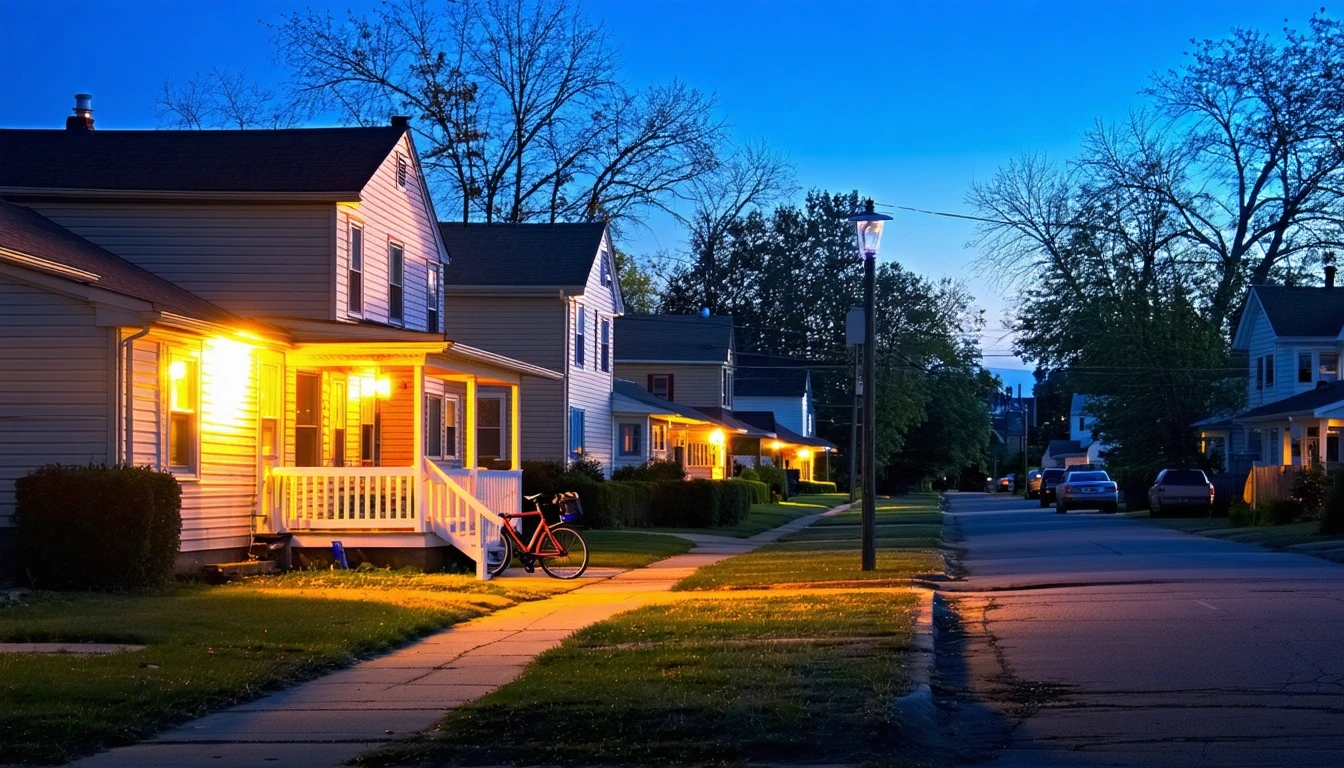
Housing often makes up the largest chunk of a household budget, and the Johnson family is carefully weighing their options. In Warren, the median home price hovers around $180,000 in 2025, while Sterling Heights tends to be pricier at $220,000+. For a typical 3-bedroom home, the Johnsons can expect to pay around $1,400 per month on a mortgage in Warren compared to nearly $1,700 in Sterling Heights.
Renting tells a similar story. A standard 2-bedroom apartment runs about $1,100 monthly in Warren, whereas the same unit in Sterling Heights averages $1,300. It’s worth noting that Warren has a higher proportion of older homes and apartments, while Sterling Heights boasts more new construction. This means more character and mature trees in Warren, but potentially higher maintenance costs compared to the modern efficiency of Sterling Heights.
| Housing | Warren | Sterling Heights |
|---|---|---|
| Median Home Price | $180,000 | $220,000 |
| Mortgage (3BR) | $1,400 | $1,700 |
| Rent (2BR) | $1,100 | $1,300 |
For a family like the Johnsons looking to put down roots, Warren’s lower home prices could mean more wiggle room in their budget for savings or discretionary spending. However, a young professional might prefer Sterling Heights’ newer apartment options and amenity-rich complexes, even at a slight premium.
Considering housing costs alone, Warren comes out ahead. A family could easily save $300+ per month on mortgage costs compared to a similar home in Sterling Heights. For renters, the savings are closer to $200 monthly.
Keeping the Lights On: Utilities and Energy Costs
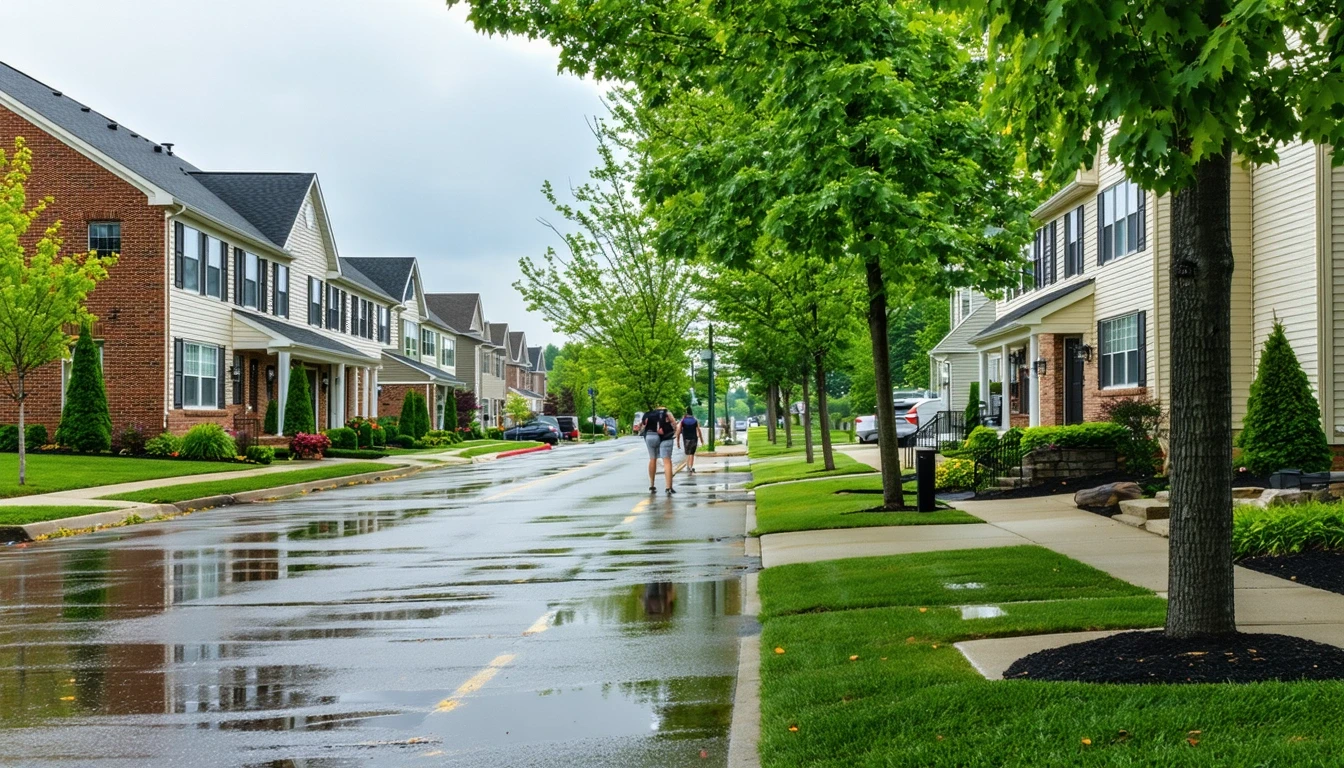
Powering and heating a home in Michigan isn’t cheap, especially during those frigid winters. Both Warren and Sterling Heights residents can expect to pay around $150-$200 per month for electricity and gas. However, older homes in Warren may be less energy-efficient, leading to higher heating bills in the coldest months.
Water and sewer fees are fairly comparable between the two cities, averaging $50-$70 monthly for a family of four. Trash and recycling are often covered by municipal taxes in both places. Internet and cable prices also run neck-and-neck, with basic packages starting around $50.
Since utility costs are largely a wash, they’re unlikely to be a major deciding factor for the Johnsons. Ultimately, the efficiency of their particular home will matter more than the city. Still, if they opt for new construction in Sterling Heights, they may eke out modest savings on heating and cooling.
Feeding the Family: Groceries and Dining Out
Weekly grocery runs are a fact of life for the Johnsons, and they’re pleased to discover that food costs are pretty similar between Warren and Sterling Heights. A gallon of milk runs about $3.50 in either city, while a loaf of bread is just under $3. Staples like eggs, cheese, and chicken might cost 50¢ to $1 more in Sterling Heights.
One notable difference is the restaurant scene. Warren boasts a diverse array of locally-owned eateries where a family of four can enjoy a nice meal out for around $50. In Sterling Heights, chain restaurants are more prevalent, and that same meal is more likely to be in the $60-$70 range.
For the budget-conscious Johnsons, Warren’s slight edge on grocery costs and more affordable dining options might be appealing. Over the course of a year, they could easily save a few hundred dollars on food alone. However, if they value the variety and consistency of chain restaurants, Sterling Heights may be worth the premium.
The Taxman Cometh: Comparing Taxes and Fees
No one loves paying taxes, but they’re an important consideration in the cost of living equation. The good news for the Johnsons is that both Warren and Sterling Heights have lower property tax rates than many other Detroit suburbs, hovering around 1.5% of a home’s assessed value.
Where the cities differ is in municipal fees. Warren charges a 1% income tax for residents, while Sterling Heights does not. For a household earning the median income of $60,000, that’s an extra $600 per year in Warren. However, Sterling Heights has slightly higher water and sewer fees, which can add $100+ annually.
Considering taxes and fees, Sterling Heights has a modest advantage. The lack of a city income tax will likely offset any difference in utility fees for most households. Still, the gap is small enough that it may not be a make-or-break factor for the Johnsons.
The Bottom Line: Cost of Living Comparison
| Category | Warren | Sterling Heights |
|---|---|---|
| Housing | $1,400 | $1,700 |
| Utilities | $250 | $225 |
| Groceries | $800 | $850 |
| Transportation | $200 | $250 |
| Taxes | $500 | $450 |
| Misc. | $400 | $450 |
| Estimated Monthly Total | $3,550 | $3,925 |
Estimates reflect 2025 costs for a mid-size household (2-bedroom apartment or 3-bedroom home) using published national data and regional benchmarks. Actual expenses will vary with household size, lifestyle, and neighborhood.
When all the numbers are tallied, Warren emerges as the more affordable city for the Johnson family. They could expect to save around $375 per month, or $4,500 per year, by choosing Warren over Sterling Heights in 2025. Much of that difference comes down to lower housing costs, which can provide a bigger buffer in the family budget.
Of course, cost of living is just one piece of the puzzle. The Johnsons will also want to weigh factors like schools, commute times, and community amenities. But if affordability is a top priority, Warren is a compelling choice.
Lifestyle Factors to Consider
Beyond the hard costs, Warren and Sterling Heights each offer distinct lifestyles that will appeal to different households. Warren’s tree-lined streets and well-established neighborhoods create a strong sense of community. Many homes have mature landscaping and large yards, perfect for families with young children. The city also boasts a thriving downtown with unique shops and restaurants, all easily walkable.
Sterling Heights, on the other hand, has a more modern, suburban feel. Newer housing developments often include community pools, playgrounds, and walking trails. The city is known for its excellent public schools and abundant green space, including the 132-acre Dodge Park. While Sterling Heights is less walkable overall, it offers convenient access to major highways for an easier commute.
For the Johnsons, the choice may come down to priorities. Warren’s walkability means potentially lower transportation costs and more opportunities for family strolls to the ice cream shop. However, Sterling Heights’ newer homes could translate to lower utility and maintenance bills over time. There’s no clear winner, but by weighing the tradeoffs, the family can make an informed decision.
Frequently Asked Questions
Is Warren more affordable than Sterling Heights in 2025?
Yes, Warren tends to be more affordable than Sterling Heights, particularly when it comes to housing costs. A typical family could save $300+ per month on mortgage or rent payments in Warren.
How do grocery costs compare between Warren and Sterling Heights?
Grocery costs are quite comparable between the two cities, with Warren having a slight edge. Expect to pay 50¢ to $1 less on staple items in Warren versus Sterling Heights.
Are property taxes higher in Sterling Heights than in Warren?
No, property tax rates are similar between the two cities, around 1.5% of assessed home value. However, Sterling Heights has no local income tax, while Warren charges a 1% rate.
What is the average monthly cost of living for a family of four in Warren vs. Sterling Heights?
In 2025, a family of four can expect to spend around $3,550 per month in Warren compared to $3,925 in Sterling Heights. This assumes a 3-bedroom home and typical expenses.
Is Warren considered a better value for homebuyers compared to Sterling Heights?
Yes, Warren offers lower home prices and a higher proportion of established neighborhoods, making it an excellent value for buyers. However, Sterling Heights’ newer construction may appeal to some.
Making the Move: Warren or Sterling Heights?
For the Johnson family and many others like them, the choice between Warren and Sterling Heights in 2025 is a balancing act. Warren’s lower cost of living, particularly in housing, is a major draw. The potential to save $4,500+ per year is substantial, offering more flexibility for other financial goals. Warren’s walkable neighborhoods and strong community feel are added benefits that could enhance the family’s quality of life.
However, Sterling Heights’ newer homes, top-notch schools, and abundant green spaces are also compelling. For families who prioritize modern amenities and don’t mind paying a bit more, Sterling Heights could be the perfect fit. It’s a matter of weighing the tradeoffs and determining what matters most.
Ultimately, both Warren and Sterling Heights offer a high quality of life in the Detroit metro area. By digging into the details of the cost of living, families like the Johnsons can make a more informed decision about which city will work best for their budget and lifestyle in 2025 and beyond. Ready to take the next step? Explore sample monthly budgets for Warren in 2025 or dive into a full cost of living breakdown. If a move is in your future, be sure to compare moving company costs and options to find the best fit for your needs and budget.