
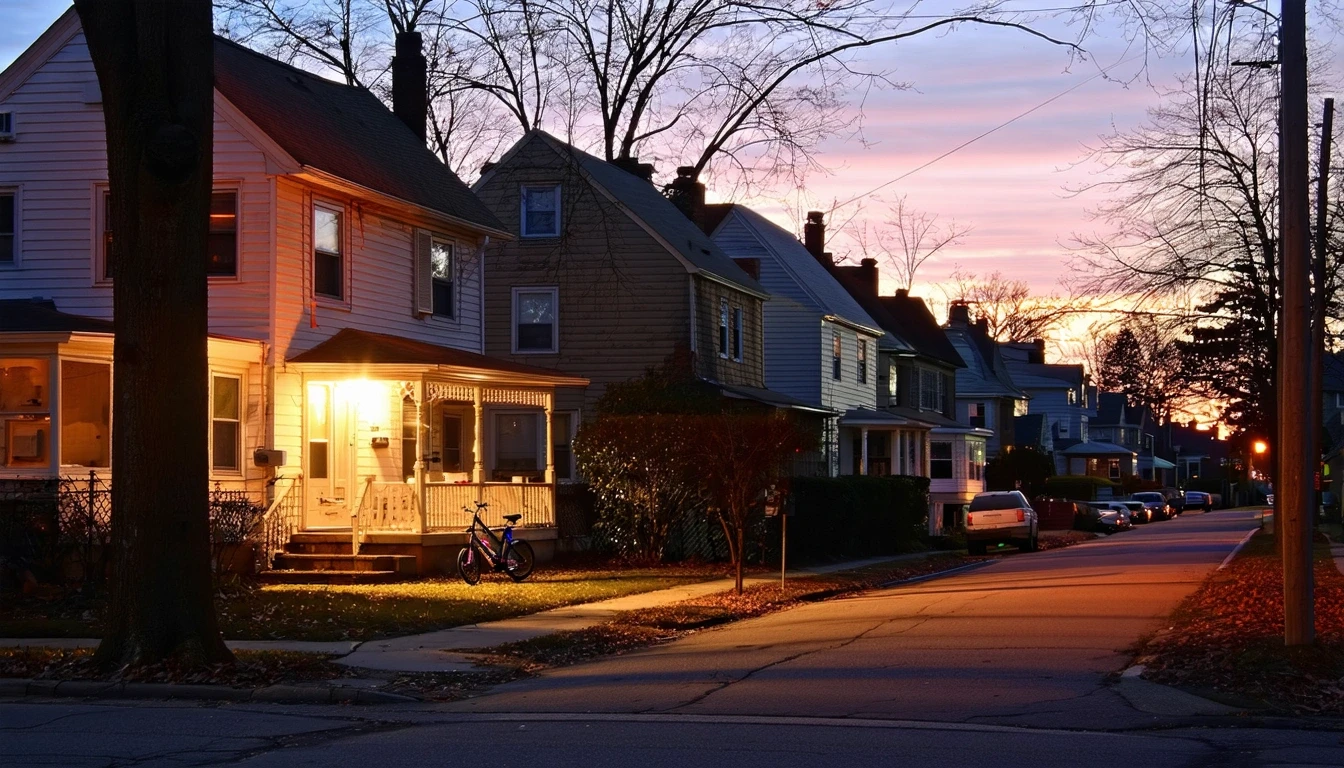
The Housing Market in Upper Darby Today
Upper Darby, a suburb of Philadelphia, has a housing market shaped by its proximity to the city and its diverse population. As a well-established community, Upper Darby offers a mix of single-family homes, townhouses, and apartments that cater to various lifestyles and budgets. The market has remained relatively stable compared to the broader Philadelphia metro area, with moderate price appreciation and steady demand from both local residents and those drawn to the area for its convenient location and amenities.
One factor that sets Upper Darby apart is its property tax rates, which are higher than some neighboring suburbs. This can come as a surprise to new homeowners who may not have factored this expense into their budgets. Additionally, many neighborhoods in Upper Darby have active homeowners associations (HOAs) that charge monthly or annual fees for maintaining common areas and amenities. Understanding these costs is crucial for anyone considering buying a home in the area.
Despite the higher property taxes and potential HOA fees, Upper Darby remains an attractive option for those seeking a suburban lifestyle with easy access to Philadelphia. The community’s diverse housing stock, well-regarded schools, and variety of shopping and dining options continue to draw residents who appreciate its unique blend of urban convenience and small-town charm.
Renting in Upper Darby: Typical Costs and Trends
Renting is a popular choice for many Upper Darby residents, particularly young professionals, families, and those who value flexibility. As of 2025, the typical rent for a 1-bedroom apartment in Upper Darby ranges from $1,100 to $1,400 per month, while a 2-bedroom apartment usually costs between $1,300 and $1,700 monthly. These prices can vary depending on the specific neighborhood, amenities, and proximity to public transportation.
Some of the most sought-after rental areas in Upper Darby include Drexel Hill, Bywood, and Stonehurst, which offer a mix of apartments and single-family homes for rent. These neighborhoods are popular due to their walkability, access to SEPTA’s trolley and bus lines, and variety of local businesses. Renters in these areas can expect to pay slightly higher prices than the Upper Darby average, but many find the convenience and community atmosphere well worth the cost.
For those looking for more affordable options, neighborhoods like Secane and Westbrook Park offer lower rental prices while still providing access to Upper Darby’s amenities. Renters in these areas may need to rely more on personal vehicles or budget extra time for public transportation commutes, but the cost savings can be significant for those on a tighter budget.
Owning a Home in Upper Darby: Prices, Taxes, and HOA Fees
Homeownership is a significant investment, and in Upper Darby, it comes with some unique considerations. As of 2025, the median home price in Upper Darby is around $250,000, although this can vary greatly depending on the neighborhood, house size, and property condition. While this price point is attractive for many buyers, it’s essential to factor in the additional costs of property taxes and potential HOA fees.
Upper Darby’s property tax rate is 2.8%, which is higher than many surrounding suburbs. For a home valued at $250,000, this translates to an annual property tax bill of approximately $7,000, or about $583 per month. This expense can catch some first-time homebuyers off guard, so it’s crucial to incorporate it into your monthly budget planning when considering a home purchase in Upper Darby.
In addition to property taxes, many neighborhoods in Upper Darby have active HOAs that charge monthly or annual fees. These fees typically cover the maintenance of common areas, such as parks, pools, and walking trails, as well as services like trash removal and snow plowing. HOA fees in Upper Darby can range from $50 to $300 per month, depending on the community and its amenities. While these fees can add to the overall cost of homeownership, many residents find value in the services and sense of community that HOAs provide.
Apartment vs House in Upper Darby: Side-by-Side Costs
| Monthly Expense | Apartment (2BR) | House (3BR) |
|---|---|---|
| Rent/Mortgage Payment | $1,500 | $1,400 |
| Property Tax | N/A (included in rent) | $583 |
| Utilities | $150 | $250 |
| Insurance | $20 | $80 |
| HOA Fees | N/A | $150 |
| Monthly Total | $1,670 | $2,463 |
Methodology: Housing estimates for 2025 in Upper Darby use published rent and sale price data, local property tax rates, and typical HOA fees where available. When city-specific numbers are missing, regional ranges for similar Philadelphia suburbs are applied. All totals are rounded and expressed as monthly costs. Actual expenses vary depending on neighborhood, housing type, and household size.
Utility & Upkeep Differences
In addition to the base costs of renting or owning a home in Upper Darby, it’s important to consider the differences in utility expenses and maintenance responsibilities. Renters in apartments typically have lower utility costs than those in single-family homes, as the smaller space requires less energy to heat and cool. Additionally, many apartment complexes include water, sewer, and trash services in the monthly rent, further reducing out-of-pocket expenses for tenants.
Homeowners, on the other hand, are responsible for all utility costs, which can be higher due to the larger square footage of most single-family homes. They also bear the responsibility for all home maintenance tasks, such as lawn care, snow removal, and repairs. While some of these costs may be covered by HOA fees in certain communities, homeowners should budget for these expenses to avoid unexpected financial strain.
Upper Darby’s climate, with its cold winters and warm summers, can also impact utility costs for both renters and homeowners. Ensuring proper insulation, sealing drafts, and investing in energy-efficient appliances can help mitigate these expenses, regardless of housing type.
5-Year Rent vs Buy Outlook
When deciding between renting and buying a home in Upper Darby, it’s essential to consider the long-term financial implications. Over a 5-year period, the total cost of renting a 2-bedroom apartment at $1,500 per month would be approximately $90,000, not accounting for potential rent increases. In contrast, the total cost of owning a $250,000 home with a 30-year mortgage at 3.5% interest, including property taxes and HOA fees, would be around $148,000 over the same 5-year period.
While owning a home may appear more expensive initially, it’s important to factor in the potential for home appreciation and the building of equity over time. Upper Darby has historically seen steady home value growth, which can help offset the higher upfront costs of homeownership. Additionally, tax deductions for mortgage interest and property taxes can further reduce the effective cost of owning a home.
Ultimately, the decision to rent or buy in Upper Darby depends on individual financial circumstances, long-term goals, and lifestyle preferences. Those who value flexibility and lower upfront costs may prefer renting, while those seeking stability and the potential for long-term financial gains may find homeownership more appealing.
FAQs About Housing Costs in Upper Darby
How much are HOA fees in Upper Darby?
HOA fees in Upper Darby typically range from $50 to $300 per month, depending on the community and its amenities. Not all neighborhoods have HOAs, so it’s essential to research specific areas when considering a home purchase.
What is the property tax rate in Upper Darby?
Upper Darby’s property tax rate is 2.8%, which is higher than many surrounding suburbs. For a home valued at $250,000, this translates to an annual property tax bill of approximately $7,000, or about $583 per month.
Is renting cheaper than buying long-term in Upper Darby?
Over a 5-year period, renting may appear cheaper than buying in Upper Darby. However, when considering the potential for home appreciation, equity building, and tax deductions, homeownership can be more financially advantageous in the long run.
Do houses have higher utility costs than apartments?
Yes, houses in Upper Darby typically have higher utility costs than apartments due to their larger size and the responsibility of the homeowner to cover all expenses. Apartments often have some utilities included in the rent, which can result in lower monthly out-of-pocket costs for renters.
What’s the monthly cost difference between apartments and houses in Upper Darby?
Based on 2025 estimates, the monthly cost difference between renting a 2-bedroom apartment and owning a 3-bedroom house in Upper Darby is approximately $793. This includes rent/mortgage payments, property taxes, utilities, insurance, and HOA fees.
Making Smart Housing Choices in Upper Darby
Navigating the housing market in Upper Darby requires careful consideration of your budget, lifestyle, and long-term goals. By understanding the unique factors that influence housing costs in this suburb, such as property taxes and HOA fees, you can make informed decisions that align with your financial situation.
For those considering homeownership, it’s crucial to look beyond the list price and factor in the full range of expenses, including property taxes, insurance, maintenance, and potential HOA fees. Working with a local real estate professional who understands Upper Darby’s market can help you find a home that fits your budget and preferences.
Renters should also take a comprehensive approach when evaluating housing options, considering factors such as commute times, access to public transportation, and proximity to amenities. By comparing the total cost of living in various neighborhoods and housing types, renters can find the best balance of affordability and quality of life.
Regardless of whether you choose to rent or buy, it’s essential to create a realistic monthly budget that accounts for all housing-related expenses, as well as other essential costs like food, transportation, and healthcare. By taking a proactive approach to understanding and managing housing costs, you can build a stable financial foundation and enjoy all that Upper Darby has to offer.