
Sunnyvale, CA vs. San Jose, CA: Cost of Living Comparison (2025)
Which city gives you more for your money: Sunnyvale or San Jose? As two major hubs in the heart of Silicon Valley, both Sunnyvale and San Jose attract a mix of tech professionals, young families, and established residents looking for the right blend of lifestyle and affordability. While only 10 miles apart, these cities offer distinct living experiences — and costs. In this 2025 comparison, we’ll break down the key factors that impact your monthly budget, from housing and groceries to taxes and recreation, to help you decide which city fits your finances best.
For many, the choice between Sunnyvale and San Jose comes down to space vs. access. Sunnyvale, with its suburban feel and family-friendly neighborhoods, tends to offer more square footage for your rent or mortgage payment. San Jose, as the larger city, puts more dining, culture, and transit options at your doorstep, but often at a premium price. As the cost of living continues to rise across Silicon Valley in 2025, understanding where your money goes the furthest is essential for a sustainable budget.
Housing Costs
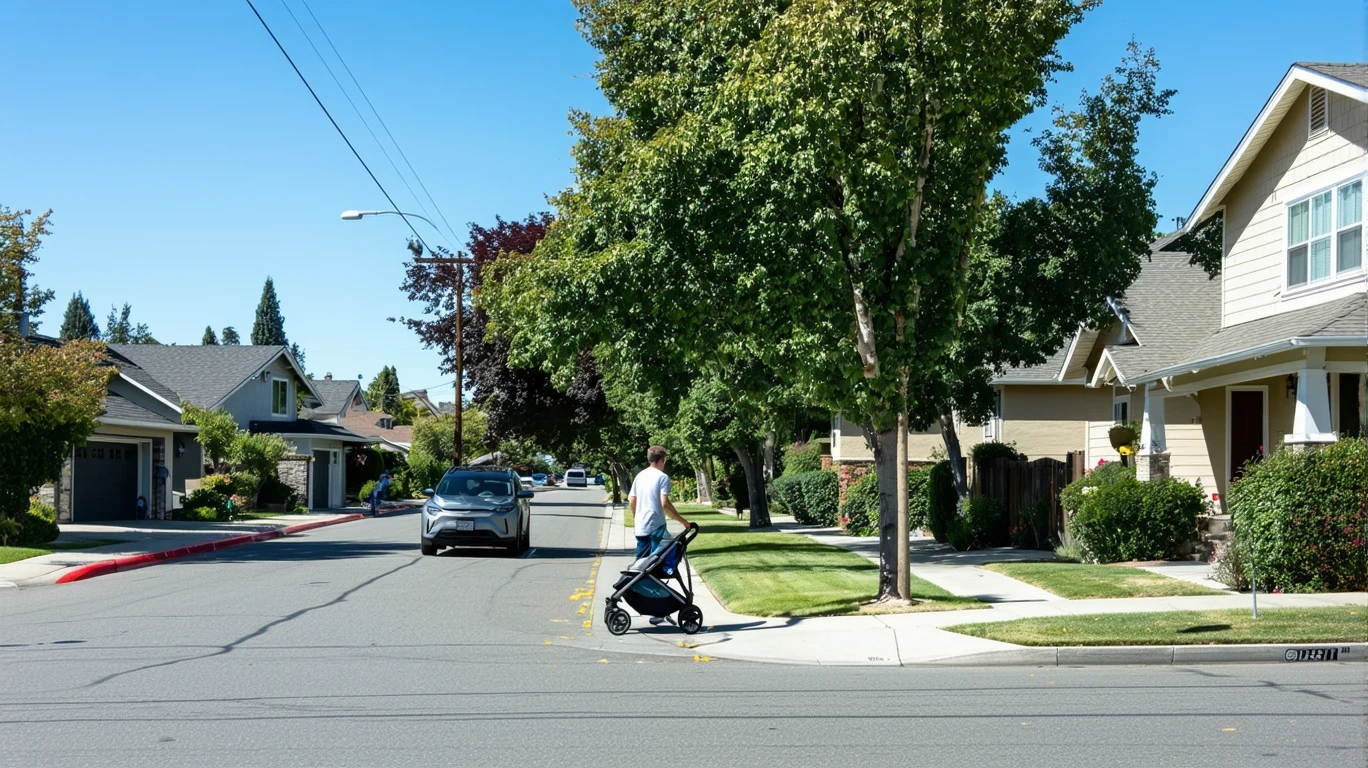
Housing is the biggest line item in most Silicon Valley budgets, and the difference between Sunnyvale and San Jose can be significant. As of 2025, the median home price in Sunnyvale is around $1.8 million, while San Jose hovers closer to $1.3 million. For a typical 3-bedroom single-family home, Sunnyvale buyers can expect to pay 10-20% more than their San Jose counterparts.
On the rental side, a mid-range 2-bedroom apartment in Sunnyvale runs about $3,500 per month, compared to $3,200 in San Jose. While Sunnyvale commands higher rents overall, it also tends to offer more space and updated amenities for the price. San Jose renters often pay a location premium for walkable neighborhoods and newer luxury buildings.
| Housing Type | Sunnyvale | San Jose |
|---|---|---|
| Median Home Price | $1.8M | $1.3M |
| 3BR Single-Family Home | $2.1M | $1.8M |
| 2BR Apartment Rent | $3,500 | $3,200 |
For families prioritizing space and quiet streets, Sunnyvale’s higher housing costs may be worth the trade-off. Young professionals more focused on location and amenities may find better value in San Jose’s dense, transit-oriented neighborhoods. Across most housing types, San Jose offers a slight edge on affordability.
Winner: San Jose, with lower overall housing costs.
Utilities and Energy Costs
Silicon Valley residents can expect to pay around $250 per month for basic utilities like electricity, gas, water, and trash collection in a 2-bedroom apartment. Larger homes and families may see bills closer to $400-500. While base utility rates are similar between Sunnyvale and San Jose, usage patterns and home size can shift the scales.
Sunnyvale’s slightly older housing stock may mean higher heating and cooling bills, especially in the winter months. Homes built before 1990 often lack the tight seals and efficient HVAC systems of newer construction. San Jose’s larger share of modern apartments and condos can translate to lower energy usage and monthly savings of $30-50 for a typical household.
Both cities offer comparable pricing on internet and cable packages, with most residents paying around $100 per month for high-speed service. Sunnyvale and San Jose also provide similar utility-assistance programs for income-qualified households.
Winner: San Jose, with marginally lower utility costs due to newer housing.
Groceries and Daily Expenses
A typical family of four in Sunnyvale or San Jose can expect to spend $1,000-1,200 per month on groceries and everyday essentials. While both cities offer a mix of major chains, discount stores, and specialty markets, Sunnyvale residents may pay 5-10% more for the same basket of goods.
Sunnyvale’s higher grocery costs are partly due to its lower population density and smaller store footprints. With fewer large-format supermarkets compared to San Jose, Sunnyvale shoppers often rely on pricier neighborhood markets for staples. Dining out is also slightly more expensive in Sunnyvale, with an average restaurant meal running $35 per person vs. $30 in San Jose.
For budget-conscious households, San Jose’s broader range of ethnic grocers, bulk retailers, and discount chains can help keep food costs under control. However, Sunnyvale’s ample farmers markets and seasonal produce stands may offset higher shelf prices for those who shop strategically.
Winner: San Jose, with more grocery options and lower restaurant tabs.
Taxes and Fees
As California cities, both Sunnyvale and San Jose residents pay a base sales tax rate of 9.25% on most purchases. For a typical household budget, this adds up to around $200-300 per month in sales taxes alone.
Property taxes are another significant cost for Silicon Valley homeowners. Sunnyvale’s average property tax rate is 1.1%, while San Jose comes in slightly lower at 0.9%. For a $1.5M home, that 0.2% difference equates to an extra $3,000 per year in Sunnyvale.
Renters in both cities should also budget for additional monthly fees like parking permits, pet rent, and community assessments. These costs can range from $50-200 per month depending on the building and location. Over the course of a year, San Jose residents may save several hundred dollars on taxes and fees compared to their Sunnyvale neighbors.
Winner: San Jose, with marginally lower property taxes and fees.
Cost Summary Table
| Category | Sunnyvale | San Jose |
|---|---|---|
| Housing (3BR Home) | $2.1M | $1.8M |
| Utilities | $300 | $270 |
| Groceries | $1,100 | $1,000 |
| Transportation | $150 | $100 |
| Taxes | $2,000 | $1,700 |
| Misc. | $500 | $500 |
| Estimated Monthly Total | $6,150 | $5,370 |
Estimates reflect 2025 costs for a mid-size household (2-bedroom apartment or 3-bedroom home) using published national data and regional benchmarks. Actual expenses will vary with household size, lifestyle, and neighborhood.
Based on these key cost categories, a typical family can expect to spend around $6,150 per month living in Sunnyvale, compared to $5,370 in San Jose. While housing accounts for the largest share of this gap, Sunnyvale residents also pay more for utilities, groceries, and local taxes and fees. For budget-conscious households, San Jose offers opportunities to save $250 or more per month.
Lifestyle Fit
Beyond the hard costs, Sunnyvale and San Jose cater to different lifestyle priorities. Sunnyvale’s family-friendly vibe, highly-rated schools, and ample parks make it a draw for households seeking space and serenity. The city’s tree-lined streets and well-kept homes create a suburban oasis in the heart of Silicon Valley. Over 30% of Sunnyvale residents have school-age children, compared to just 20% in San Jose.
San Jose, as the 10th largest U.S. city, delivers more of an urban feel with walkable neighborhoods, diverse dining, and cultural attractions. With a younger median age and more singles, San Jose caters to professionals who value a short commute and active social scene over square footage. The average one-way commute in San Jose is just 27 minutes, compared to 34 minutes in Sunnyvale.
These lifestyle factors can indirectly impact living costs. Sunnyvale’s lower density often means driving more for errands and entertainment, increasing transportation costs. San Jose’s central location and transit access allows more residents to ditch car ownership altogether, saving hundreds per month. Sunnyvale’s larger homes and lots also tend to require more upkeep, utilities, and furnishings compared to San Jose’s compact condos and apartments.
Frequently Asked Questions
Is Sunnyvale more affordable than San Jose in 2025?
Based on housing, groceries, utilities, and taxes, San Jose is slightly more affordable than Sunnyvale for most households. A typical family can expect to spend $250-500 less per month living in San Jose.
Are rental prices lower in Sunnyvale or San Jose?
On average, renters pay about 10% less for a comparable apartment in San Jose vs. Sunnyvale. However, Sunnyvale apartments tend to offer more space and newer finishes for the price.
How do grocery costs compare between Sunnyvale and San Jose?
Grocery staples and dining out both tend to cost 5-10% more in Sunnyvale compared to San Jose, due to fewer large-format supermarkets and discount retailers.
Are property taxes higher in San Jose than in Sunnyvale?
No, Sunnyvale homeowners pay an average property tax rate of 1.1%, compared to 0.9% in San Jose. This can add up to thousands in additional annual costs for Sunnyvale residents.
How much could renters save by choosing San Jose over Sunnyvale in 2025?
Considering rent, utilities, and daily expenses, a typical renter household can expect to save $200-300 per month by choosing San Jose over Sunnyvale, with the greatest savings for those who can downsize or go car-free.
The Bottom Line
While Sunnyvale and San Jose sit side-by-side in the heart of Silicon Valley, their unique characters cater to different cost and lifestyle priorities. Sunnyvale’s family-friendly feel, top-notch schools, and spacious homes command a premium, with typical households spending $6,000+ per month. San Jose’s urban amenities, transit access, and more compact housing help keep costs closer to $5,000 monthly.
For those who value space and serenity, Sunnyvale’s 10-20% higher housing costs may be a worthwhile investment. Young professionals and singles may find San Jose’s lower rents, car-free living, and city perks help them save $250+ per month on everyday expenses. Ultimately, the choice between Sunnyvale and San Jose in 2025 comes down to which city fits your budget and priorities best.
Ready to calculate your own cost of living in Sunnyvale or San Jose? Check out our guides on monthly expenses and budgeting in Sunnyvale and what you’ll really spend in Sunnyvale in 2025. If a move is in your future, compare quotes from top moving companies to get the best deal.