
Sterling Heights, MI vs. Warren, MI: Cost of Living Comparison (2025)
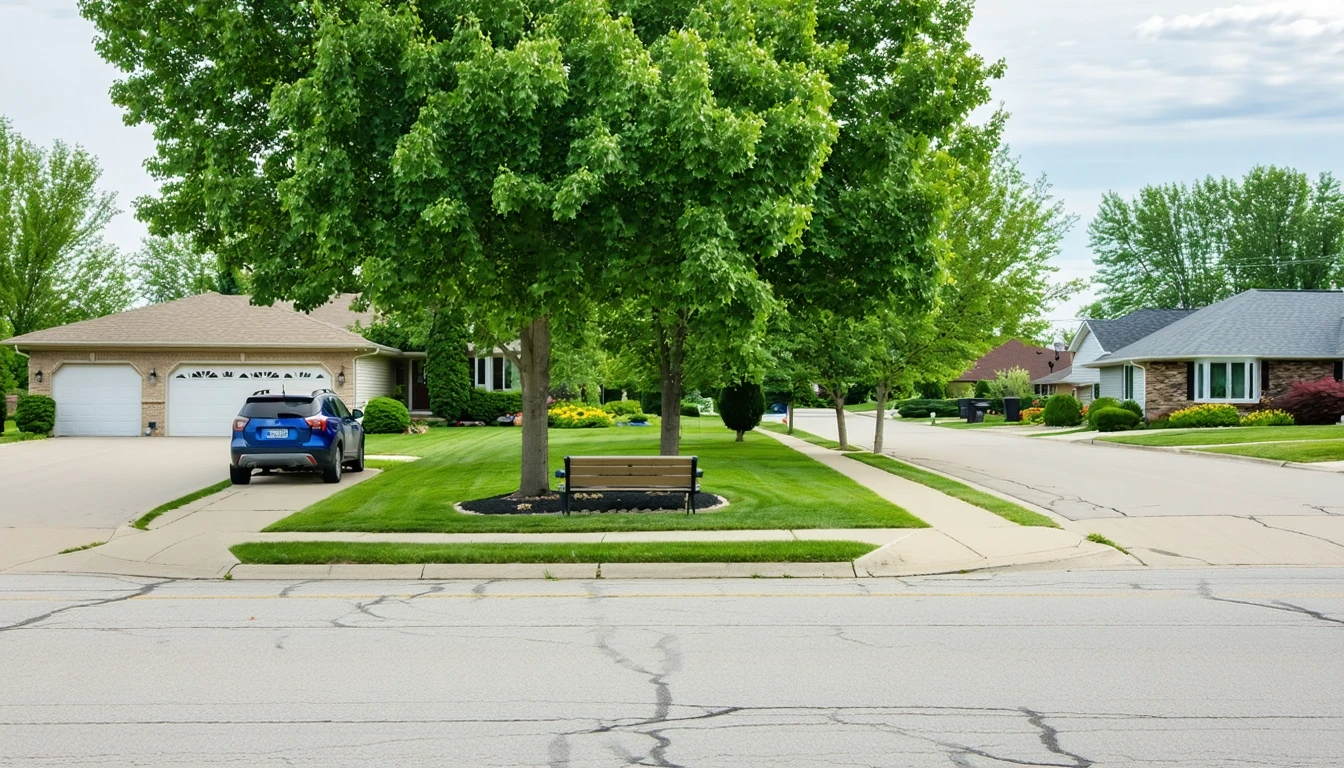
Located just 15 miles apart in the Detroit metropolitan area, Sterling Heights and Warren are two popular suburbs that attract residents seeking affordability and convenience. While both cities offer a high quality of life, there are notable differences in the cost of living that can impact your budget. As of 2025, the average rent for a 2-bedroom apartment is $250 lower per month in Warren compared to Sterling Heights.
For those weighing a move to the area or debating between these two cities, cost is often a central factor. Housing expenses, utility bills, grocery prices, and taxes can vary significantly even between neighboring communities. Understanding these nuances is key to finding the location that fits your lifestyle and financial goals.
In this article, we’ll dive into a detailed cost of living comparison between Sterling Heights and Warren. By examining housing costs, utilities, daily expenses, and other key factors, you’ll gain insights to help guide your decision-making process in 2025 and beyond. Whether you’re a young professional seeking an affordable apartment or a growing family in need of more space, we’ll highlight the tradeoffs and savings opportunities in each city.
Housing Costs
Housing is typically the largest expense in any household budget, and the costs can differ substantially between Sterling Heights and Warren. As of 2025, the median home price in Sterling Heights is around $350,000, while Warren’s median sits at $225,000. For homebuyers, this represents a significant savings opportunity in Warren.
Renters will also find more affordable options in Warren. A typical 2-bedroom apartment in Warren ranges from $1,100 to $1,400 per month, compared to $1,350 to $1,650 in Sterling Heights. Availability of rentals tends to be similar in both cities, with a mix of apartment complexes, townhomes, and single-family homes on the market.
It’s worth noting that housing costs can vary by neighborhood within each city. Newer developments and highly rated school districts often command higher prices. However, on average, Warren offers a lower cost of entry for both renters and buyers.
| Housing Type | Sterling Heights | Warren |
|---|---|---|
| 2BR Apartment (Monthly Rent) | $1,350 – $1,650 | $1,100 – $1,400 |
| 3BR House (Median Price) | $350,000 | $225,000 |
For a family of four seeking a 3-bedroom home, the potential savings in Warren could amount to over $125,000 on the purchase price. Young professionals and couples may save $250 or more per month by renting in Warren instead of Sterling Heights. Of course, specific savings will depend on the property and location chosen.
When it comes to housing costs in 2025, Warren emerges as the more affordable option for both renters and buyers compared to Sterling Heights. The lower home prices and monthly rents can provide significant savings for households.
Utilities and Energy Costs
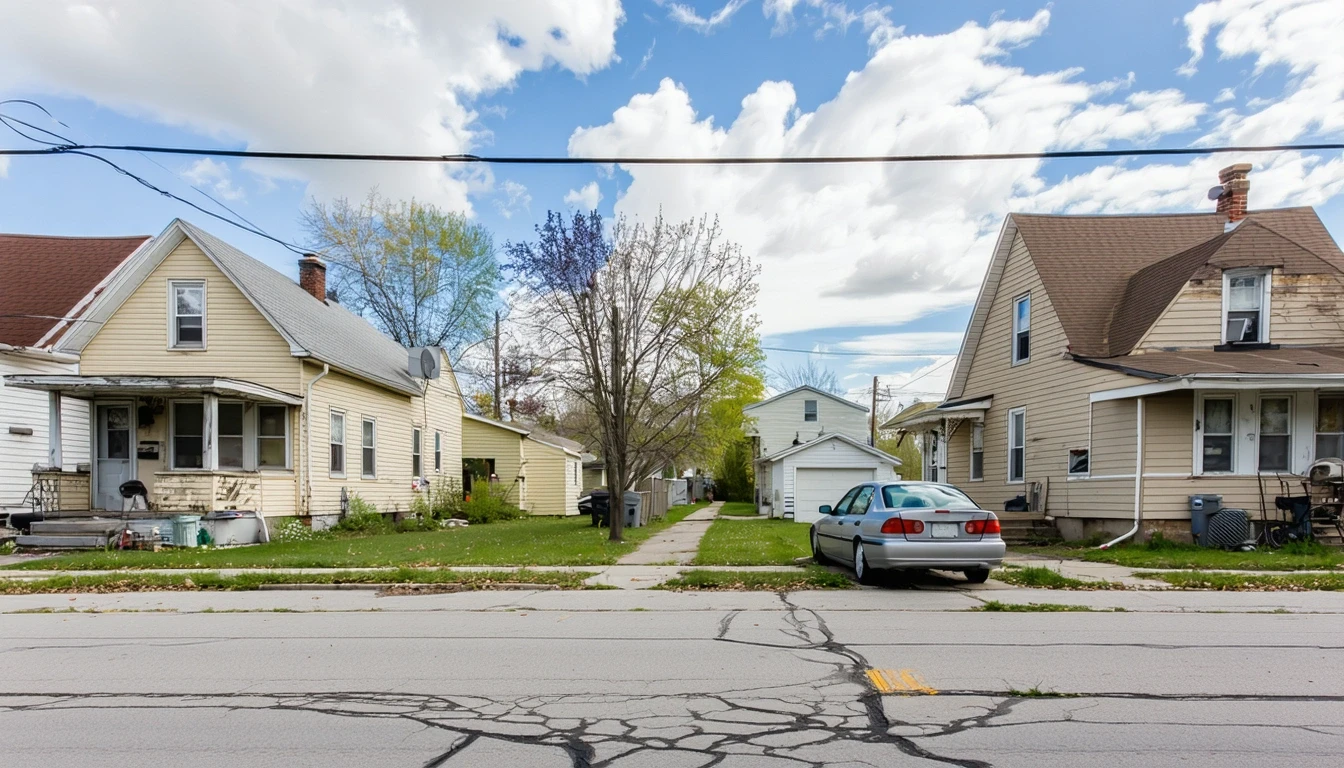
Utility costs are another important consideration when comparing the cost of living between cities. In Sterling Heights and Warren, residents can expect to pay similar amounts for basic utilities like electricity, natural gas, water, and sewer.
For a typical 2-bedroom apartment, monthly utility costs average around $200 in both cities. This includes electricity, heating, cooling, water, and garbage. Larger homes and families will see higher bills, with a 3-bedroom house averaging $300 to $400 per month.
Seasonal changes impact utility costs in this region, with higher heating bills in the winter and increased cooling costs in the summer. Both cities offer energy efficiency programs and rebates to help residents manage expenses. Older homes may have higher utility costs compared to newer, energy-efficient construction.
Overall, there is no significant difference in utility and energy costs between Sterling Heights and Warren in 2025. Residents of both cities can expect similar monthly expenses in this category.
Groceries and Daily Expenses
The cost of groceries and everyday items is another factor that can impact the overall cost of living. In Sterling Heights and Warren, residents have access to a variety of grocery stores, ranging from major chains to local markets.
On average, grocery prices in Warren tend to be slightly lower than in Sterling Heights. A gallon of milk costs around $3.50 in Warren compared to $4 in Sterling Heights, while a dozen eggs average $2.75 and $3.25 respectively. However, prices can vary depending on the specific store and any sales or promotions.
Dining out is also marginally more affordable in Warren. A meal at a casual restaurant averages $12 to $15 per person in Warren, while similar meals in Sterling Heights range from $15 to $18. For a family of four, this can add up to savings of $10 to $20 per meal.
Household essentials and personal care items are comparably priced in both cities, with no significant differences for products like toothpaste, shampoo, or cleaning supplies. Bulk purchases at warehouse clubs can provide savings in either location.
When it comes to groceries and daily expenses, Warren offers modest savings compared to Sterling Heights in 2025. While the difference may seem small on individual purchases, it can accumulate over time for budget-conscious households.
Taxes and Fees
Taxes and municipal fees are another aspect to consider when evaluating the cost of living in Sterling Heights versus Warren. Both cities have similar property tax rates, with Sterling Heights at 2.1% and Warren at 2.3% of assessed value.
For a home valued at $250,000, annual property taxes would be around $5,250 in Sterling Heights and $5,750 in Warren. However, the lower home prices in Warren can offset this difference, resulting in a lower overall tax bill for many homeowners.
Sales tax is consistent across both cities at 6%, which is the standard rate for Michigan. Residents of Sterling Heights and Warren also pay similar amounts for municipal services like trash collection and water, with no significant cost differences.
It’s important to note that some neighborhoods in Sterling Heights have homeowners associations (HOAs) that charge additional monthly or annual fees. These fees can range from $100 to $400 per month and often cover amenities like landscaping, snow removal, and community facilities. Warren has fewer neighborhoods with HOA fees.
In terms of taxes and fees, Warren has a slight advantage over Sterling Heights for most residents. The lower home prices in Warren can result in a lower property tax bill, and the absence of HOA fees in many areas can provide additional savings.
Cost of Living Summary
| Category | Sterling Heights | Warren |
|---|---|---|
| Housing (2BR Apartment Rent) | $1,500 | $1,250 |
| Utilities | $200 | $200 |
| Groceries | $500 | $450 |
| Transportation | $100 | $100 |
| Taxes (Property Tax on $250K Home) | $438 | $479 |
| Miscellaneous | $300 | $250 |
| Estimated Monthly Total | $3,038 | $2,729 |
Estimates reflect 2025 costs for a mid-size household (2-bedroom apartment or 3-bedroom home) using published national data and regional benchmarks. Actual expenses will vary with household size, lifestyle, and neighborhood.
When comparing the overall cost of living between Sterling Heights and Warren, the data shows that Warren is the more affordable city in 2025. The lower housing costs in Warren contribute significantly to the monthly savings, with a potential difference of $250 or more for renters and a lower mortgage payment for homeowners.
While utility costs are similar in both cities, Warren offers modest savings on groceries and daily expenses. The slightly higher property tax rate in Warren is offset by the lower home prices, resulting in a comparable or lower tax bill for many residents.
Based on these factors, a typical household can expect to spend around $300 less per month living in Warren compared to Sterling Heights. Over the course of a year, this adds up to a savings of $3,600. For budget-conscious families and individuals, this difference can be significant.
Lifestyle Fit
While cost is a major consideration, it’s also important to evaluate how each city fits your lifestyle needs and preferences. Sterling Heights and Warren offer distinct amenities and characteristics that may appeal to different individuals and families.
Sterling Heights is known for its well-regarded school district, making it a popular choice for families with children. The city also boasts a variety of parks, recreation facilities, and community events. Commute times to downtown Detroit are slightly shorter from Sterling Heights, with an average drive time of 25 minutes compared to 30 minutes from Warren.
Warren, on the other hand, offers a more affordable cost of living and a diverse range of housing options. The city has a vibrant downtown area with local shops, restaurants, and entertainment venues. Warren also has a strong sense of community, with many neighborhoods hosting block parties and events throughout the year.
Both cities have similar access to healthcare facilities, shopping centers, and cultural attractions in the greater Detroit area. Public transportation options are available in both Sterling Heights and Warren, though most residents rely on personal vehicles for their daily commute.
Sterling Heights is known for its extensive network of parks and trails, with over 1,000 acres of green space. This can encourage an active lifestyle and provide cost-effective recreation options for families.
Warren has a higher Walk Score than Sterling Heights, indicating that more amenities are within walking distance in certain neighborhoods. This can help reduce transportation costs for some residents.
Ultimately, the lifestyle fit between Sterling Heights and Warren will depend on your individual priorities and preferences. While Warren offers a lower overall cost of living, Sterling Heights may be worth the additional expense for families who value the school district and specific amenities. It’s important to visit both cities and explore the neighborhoods to determine which one aligns best with your needs.
Frequently Asked Questions
Is Sterling Heights more affordable than Warren in 2025?
No, as of 2025, Warren is generally more affordable than Sterling Heights. The cost of living in Warren is estimated to be around 10% lower than in Sterling Heights, with the most significant savings found in housing costs.
Are rental prices lower in Sterling Heights or Warren?
Rental prices are typically lower in Warren compared to Sterling Heights. On average, renters can expect to pay $200 to $300 less per month for a comparable apartment in Warren.
How do grocery costs compare between Sterling Heights and Warren?
Grocery costs are slightly lower in Warren than in Sterling Heights, with an average savings of 5% to 10% on common items like milk, eggs, and bread. However, prices can vary depending on the specific store and any ongoing sales or promotions.
Are property taxes higher in Warren than in Sterling Heights?
Property tax rates are slightly higher in Warren at 2.3% compared to 2.1% in Sterling Heights. However, the lower home prices in Warren often result in a lower overall tax bill for homeowners.
What is the average monthly cost of living for a family of four in Sterling Heights vs. Warren?
As of 2025, the average monthly cost of living for a family of four is estimated to be around $4,500 in Sterling Heights and $4,200 in Warren. This includes expenses like housing, utilities, groceries, transportation, and taxes.
Conclusion
When considering a move to Sterling Heights or Warren in 2025, it’s important to weigh the cost of living differences alongside your lifestyle preferences and priorities. While Warren offers a lower overall cost of living, particularly in housing, Sterling Heights may be worth the additional expense for some families due to its highly regarded school district and specific amenities.
Regardless of which city you choose, it’s essential to create a detailed monthly budget that accounts for all of your expenses, including housing, utilities, groceries, transportation, and taxes. By understanding your unique financial situation and comparing it to the cost of living in each city, you can make an informed decision that aligns with your long-term goals.
If you’re planning a move to Sterling Heights, Warren, or the surrounding area, be sure to compare moving company costs and options to find the best fit for your needs and budget. With careful planning and consideration of the cost of living factors, you can find the ideal community to call home in 2025 and beyond.