
Southfield, MI vs. Detroit, MI: Cost of Living Comparison (2025)
In 2025, the average rent for a 2-bedroom apartment in Southfield is $1,200, while in Detroit it’s $1,450 – a $250 per month difference that adds up quickly for cost-conscious renters. As two major cities in the Detroit metro area, Southfield and Detroit attract a mix of young professionals seeking urban access and families looking for more space. But which city offers the best value in today’s market? This cost of living comparison explores the key factors, from housing and utilities to groceries and taxes, to help you decide where to settle down in 2025.
While Detroit proper provides the buzz of big city life, Southfield’s suburban calm and newer housing stock appeal to those prioritizing affordability. Of course, the choice involves lifestyle tradeoffs too. Shorter commutes and walkable neighborhoods can indirectly lower your monthly costs. As we break down the numbers, keep in mind how your household size, housing type, and daily habits shape your true cost of living in Southfield vs Detroit.
Housing Costs
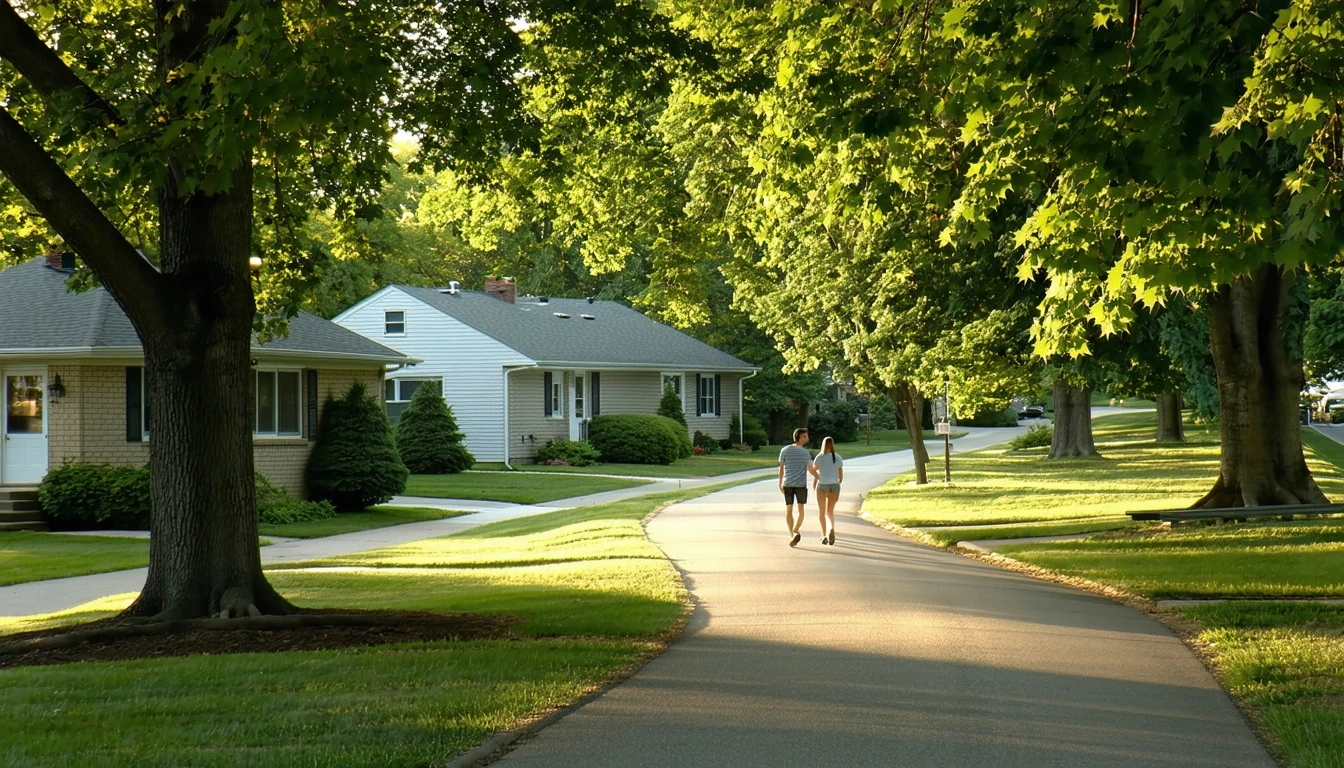
Housing often makes up the biggest chunk of a household’s monthly budget, so it’s the natural starting point when comparing Southfield and Detroit. In 2025, the median home price in Southfield is $220,000, while Detroit proper sits higher at $250,000. For a typical 3-bedroom home, that translates to monthly mortgage payments around $1,300 in Southfield compared to $1,500 in Detroit (assuming a 30-year fixed rate loan with 20% down).
Renters face a similar cost gap. The average rent for a 2-bedroom apartment runs $1,200 in Southfield, whereas Detroit’s urban core commands $1,450. Availability matters too. Detroit’s rental market can be tight, with low vacancy rates pushing prices up. Southfield generally has more options, especially for those seeking single-family homes.
| Housing Type | Southfield | Detroit |
|---|---|---|
| Median Home Price | $220,000 | $250,000 |
| Mortgage Payment (3BR) | $1,300 | $1,500 |
| Rent (2BR Apartment) | $1,200 | $1,450 |
These housing cost differences add up quickly, especially for families. Choosing Southfield over Detroit could easily save $200-300 per month on a comparable home or apartment. Young singles may have more flexibility, but $3,000 per year remains a substantial sum for any renter.
Winner: Southfield. Lower home prices and rents give it an affordability edge over Detroit proper.
Utility Bills and Energy Costs
Utility costs are another key factor in the Southfield vs Detroit living cost equation. In both cities, expect to budget $150-200 per month for electricity, gas, water, and trash for a typical apartment. Larger homes will run higher, especially with older construction and seasonal heating needs.
Detroit residents often report spikes in winter heating bills given the city’s older housing stock. Southfield’s newer suburban homes tend to be better insulated and more efficient, translating to lower monthly utility costs. A family in a 3-bedroom Southfield house might spend $250 on utilities, while the same setup in Detroit could hit $300+.
Both cities offer some relief through energy-saving programs and budget billing to even out seasonal cost swings. But on average, Southfield residents spend less on utilities across household sizes.
Winner: Southfield. Newer homes and better efficiency keep utility bills in check compared to Detroit.
Groceries and Food Costs
Southfield and Detroit offer similar grocery costs, with each city sporting a mix of big-box chains, local markets, and specialty stores. Expect to spend around $400 per month on groceries for a couple, or $800+ for a family of four. Buying in bulk at places like Costco or Walmart can trim 20-30% off your bill in either city.
Eating out presents more variation. A basic meal for two averages $40 at a casual Southfield spot, while Detroit’s trendier scene trends higher at $50+. Of course, both cities have budget-friendly options like diners and food trucks. But for comparable restaurants, Detroit runs 10-20% pricier.
These small differences add up, especially for foodies. A couple dining out weekly could spend $200 more per month in Detroit compared to Southfield. Families can control costs by cooking at home, but even quick-serve meals will dent the budget more in the big city.
Winner: Southfield. While groceries are a toss-up, its more affordable dining scene gives Southfield the edge for overall food costs.
Taxes and Fees
Taxes and fees can sneak up on you, so it’s wise to factor them into any cost of living comparison. The good news: Michigan’s flat 4.25% income tax rate applies to both Southfield and Detroit. But property taxes are a different story. Southfield’s average rate is 1.6%, while Detroit charges 2.4% – a substantial difference for homeowners.
On a $250,000 house, that means $4,000 in annual property taxes for Southfield, compared to $6,000 in Detroit. Over a decade of ownership, that extra $2,000 per year compounds significantly. Renters aren’t directly hit, but landlords often pass the cost on through higher rent.
Both cities charge 6% sales tax, but Detroit tacks on an extra 1% for certain services. Parking, auto rentals, and event tickets can all cost more in the motor city. And don’t forget the little things: Detroit charges $45 for a parking permit, while Southfield asks just $20.
Winner: Southfield. Lower property taxes and fewer nickel-and-dime fees make it more cost-effective than Detroit.
Cost Summary
| Category | Southfield | Detroit |
|---|---|---|
| Housing (3BR Home) | $1,300 | $1,500 |
| Utilities | $250 | $300 |
| Groceries | $800 | $800 |
| Transportation | $100 | $150 |
| Taxes (Property) | $333 | $500 |
| Misc Costs | $500 | $600 |
| Estimated Monthly Total | $3,283 | $3,850 |
These estimates reflect 2025 costs for a mid-size household (2-bedroom apartment or 3-bedroom home) using published national data and regional benchmarks. Actual expenses will vary with household size, lifestyle, and neighborhood.
The bottom line: Southfield offers substantial savings over Detroit, to the tune of $500+ per month for a typical family. Even budget-conscious singles could pocket $200-300 extra by choosing the suburb. While Detroit’s urban allure has its perks, Southfield delivers more bang for the buck across major cost categories.
Lifestyle Considerations
Of course, cost isn’t everything. Southfield and Detroit offer distinct vibes that will suit different tastes. **Southfield ranks as the more walkable city, with a score of 58 compared to Detroit’s 55 on Walk Score.** That means more errands can be done on foot, potentially saving on transportation. Detroit’s patchwork walkability varies heavily by neighborhood.
**Detroit’s average commute time is 26 minutes, while Southfield residents spend 24 minutes getting to work.** The difference seems small, but it adds up. Over a year, Southfield commuters save 8 hours – a full workday. However, Detroit offers more robust public transit, which can lower costs for car-free households.
Culturally, Detroit is in a league of its own. World-class museums, professional sports, and a thriving music scene make it a hotspot for nightlife and entertainment. Southfield’s more laid-back atmosphere appeals to families and those who prefer nature over neon. Its ample parks and community events create a tight-knit feel.
So while Southfield wins on pure cost, the lifestyle tradeoffs are real. Urbanites may find the savings worthwhile, but suburbanites should weigh whether Detroit’s amenities justify the premium. Budgeting for your must-haves, like a car or gym membership, can help you strike the right balance.
Frequently Asked Questions
Is Southfield more affordable than Detroit in 2025?
Yes, Southfield offers a lower cost of living than Detroit as of 2025. Housing, utilities, taxes, and dining out all tend to be cheaper in the suburb, adding up to $500+ in monthly savings for a typical family.
How do grocery costs compare between Southfield and Detroit?
Grocery costs are similar in Southfield and Detroit, with each city offering a mix of big-box stores and local markets. Expect to spend around $400 per month for a couple or $800+ for a family of four in either location.
Are property taxes higher in Detroit than in Southfield?
Yes, Detroit’s average property tax rate is 2.4%, compared to just 1.6% in Southfield. For a $250,000 home, that means paying $2,000 more per year in Detroit – a significant cost difference for homeowners.
What is the average monthly cost of living for a family of four in Southfield vs. Detroit?
As of 2025, a family of four can expect to spend around $3,283 per month in Southfield, compared to $3,850 in Detroit. This assumes a 3-bedroom home, a mix of dining in and eating out, and typical utility and transportation costs.
How much could renters save by choosing Southfield over Detroit in 2025?
Renters can save $250 per month or more by choosing Southfield over Detroit in 2025. The average 2-bedroom apartment goes for $1,200 in Southfield, while Detroit proper commands $1,450.
The Verdict
In the battle of Southfield vs Detroit, Southfield comes out ahead on affordability. Its lower housing costs, utility bills, and taxes make it an attractive choice for budget-minded families and singles alike. However, Detroit’s vibrant urban culture and transit options still hold appeal for those willing to pay a premium.
Ultimately, the right choice depends on your lifestyle priorities and spending habits. Use this cost of living comparison as a starting point, but dive deeper with tools like our monthly budget calculator for Southfield and comprehensive guide to expenses. By crunching the numbers for your unique situation, you can find the sweet spot between cost and quality of life in Southfield or Detroit circa 2025.
And if a move is in your future, be sure to weigh the pros and cons of hiring movers vs. going DIY. With careful planning, you can keep relocation costs under control in either city – and start enjoying your new home sweet home for less.