
Schertz is considered moderately priced in 2026, with median home values around $272,600 and median rent at $1,513 per month. The value proposition depends on housing entry cost versus car dependence, as transportation and commute exposure shape day-to-day expenses more than grocery or utility volatility.
Figuring out what a move to Schertz will actually cost means looking past the sticker price on rent or a mortgage payment. You’re weighing housing entry against the reality of getting around, the bite of summer cooling bills, and whether your daily errands require planning or happen on the way home. The structure of costs here rewards those who can absorb upfront housing expenses and own reliable transportation, while renters and single-car households face tighter logistics and less cost predictability.
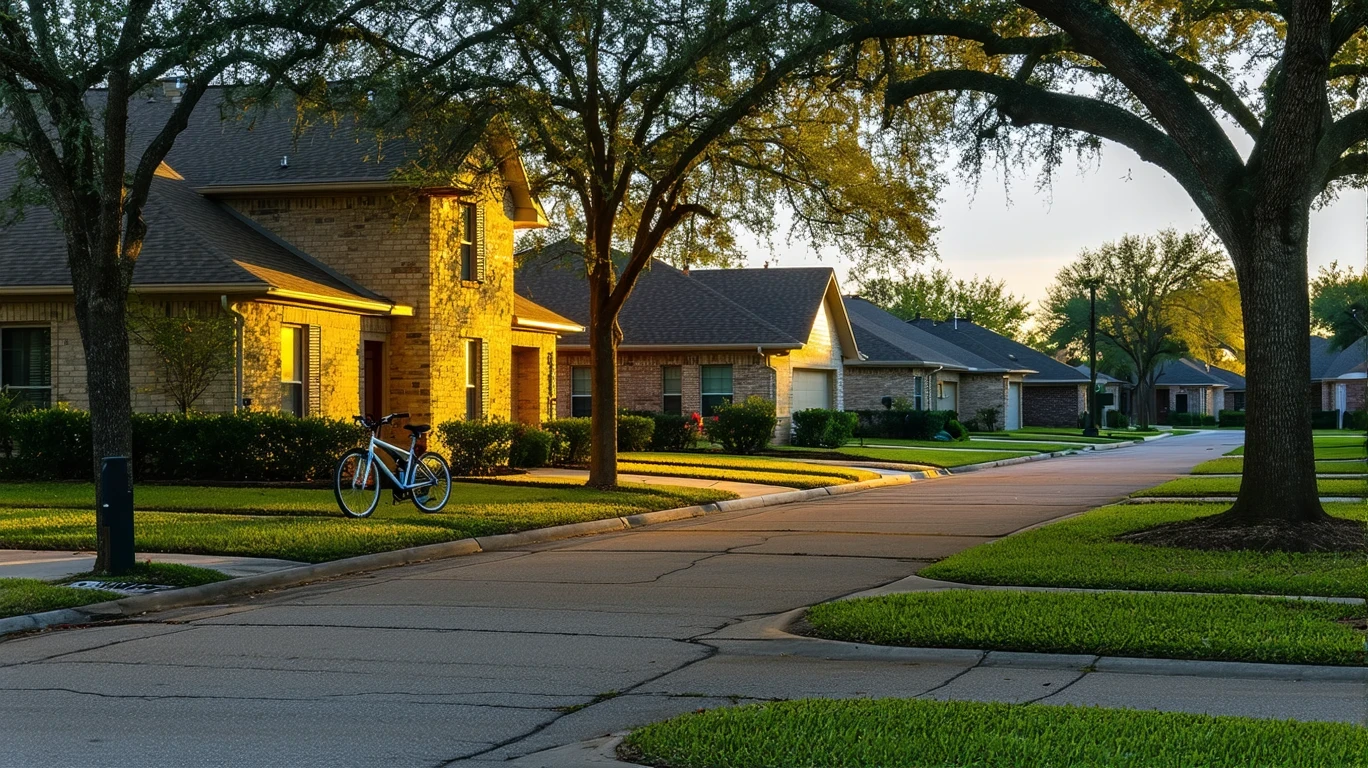
Overall Cost of Living Snapshot
Schertz sits below the national baseline for overall cost pressure, with a regional price parity index of 95. That means the same dollar stretches slightly further here than in many metro areas, but the savings show up unevenly across categories. Housing dominates the cost structure—whether you’re buying or renting—and transportation runs a close second due to commute length and car dependency. Utilities add seasonal swings during the extended cooling season, while groceries and daily essentials track close to or slightly below national norms.
The city’s layout creates friction between walkability and errands accessibility. Some neighborhoods show strong pedestrian infrastructure relative to road networks, but food and grocery options remain clustered along corridors rather than distributed evenly. That means even residents in walkable pockets often rely on a vehicle for routine shopping, school drop-offs, and healthcare appointments. Green space access is exceptional—park density exceeds high thresholds and water features are present—but family infrastructure like schools falls below density benchmarks, adding logistical complexity for households with children.
Driver verdict: Housing entry cost and vehicle ownership dominate total exposure. Surprises come from the gap between walkable street design and corridor-dependent errands, and from the contrast between abundant parks and limited school density. Utility seasonality is a secondary swing factor, not a primary cost driver.
Housing Costs (Primary Driver)
The median home value of $272,600 positions Schertz as accessible compared to many Texas metro submarkets, but it still represents the largest single financial commitment for most households. Ownership here means absorbing not just the mortgage but property taxes, insurance (which can be volatile in Texas), and maintenance on predominantly low-rise, single-family structures. The housing stock reflects mixed land use—both residential and commercial zones are present—but the urban form remains low-rise, so density and walkability don’t reduce the need for yard upkeep or vehicle storage.
Renters face a median gross rent of $1,513 per month, which includes some utilities in many cases but rarely covers the full cost of cooling during summer months. Rental inventory exists, but the city’s character leans toward ownership. Renters often find themselves in complexes or single-family homes along the same corridors where errands cluster, which can mean better access to groceries and pharmacies but also more exposure to traffic noise and longer walks to parks despite the overall high park density.
The tradeoff between renting and owning here isn’t just about monthly payment size—it’s about control over long-term cost exposure. Owners lock in a mortgage but face property tax reassessments and insurance renewals that can shift year to year. Renters avoid those risks but lose leverage over rent increases and have less ability to spread transportation costs across a household with multiple drivers.
Conclusion: Schertz is an ownership-oriented city. Renting works as a transitional strategy or for households prioritizing flexibility, but the cost structure and layout favor those who can buy and absorb the logistical and financial overhead of homeownership.
| Housing Type | Cost Anchor | What That Buys You |
|---|---|---|
| Median Home | $272,600 | Single-family, low-rise, likely requires yard maintenance and vehicle ownership |
| Median Rent | $1,513/month | Access to rental inventory, often near commercial corridors; less control over renewals |
Utilities & Energy Risk
Electricity in Schertz runs 15.41¢ per kWh, which sits near the state average but translates into meaningful monthly exposure during the extended cooling season. Triple-digit summer heat is common, and air conditioning dominates household energy use from late spring through early fall. For illustrative context, a household using around 1,000 kWh per month would see a baseline electric cost near $154 before fees and taxes, but usage can spike well above that threshold during peak heat.
Natural gas is priced at $16.51 per MCF (roughly 100 therms). Gas heating demand is light compared to cooling, but it still appears during occasional winter cold snaps. The bigger role for gas here is often water heating and cooking, which create steady but modest baseline usage rather than the dramatic seasonal swings seen with electricity.
The risk profile for utilities in Schertz is moderate. Cooling costs are predictable in direction but variable in magnitude depending on home insulation, thermostat discipline, and household size. Renters in older units or poorly insulated structures face higher exposure, while owners can mitigate some volatility through efficiency upgrades, though those require upfront investment and time to pay off.
Groceries & Daily Costs
Grocery costs in Schertz track slightly below the national baseline, consistent with the regional price parity index of 95. The pressure point isn’t price per item—it’s access friction. Food and grocery establishments are present at moderate density and cluster along commercial corridors rather than spreading evenly across neighborhoods. That means even households in areas with strong pedestrian infrastructure often drive to shop, adding transportation cost and time to what might otherwise be a low-cost errand.
For households that plan trips and buy in bulk, grocery expenses remain manageable and predictable. For those relying on frequent top-up shopping or without flexible schedules, the corridor-clustered layout adds logistical drag. The city has both food establishments and grocery options in the medium density band, so variety exists, but convenience requires either living near the right corridor or accepting that errands will involve a car trip.
Transportation Reality
The average commute in Schertz is 30 minutes, and nearly half of workers (49.3%) face what’s classified as a long commute. Only 8.9% work from home, which means the vast majority of households depend on personal vehicles for daily work travel. Gas prices currently sit at $3.66 per gallon. For illustrative context, a commuter driving 25 miles round trip in a vehicle averaging 25 MPG would use about one gallon per day, or roughly $73 per month in fuel alone before tolls, parking, insurance, or maintenance.
The city’s layout reinforces car dependency even beyond commuting. While some neighborhoods show high pedestrian-to-road ratios and walkable street design, errands remain corridor-clustered, and family infrastructure like schools falls below density thresholds. That means households with children often face multiple daily car trips: drop-offs, pickups, grocery runs, and healthcare appointments. A hospital is present, along with pharmacies, but reaching them typically requires driving.
Transportation isn’t just a line item here—it’s a recurring structural exposure that scales with household size, number of workers, and school-age children. Single-car households face scheduling friction and limited flexibility. Multi-car households gain logistics capacity but double the insurance, maintenance, and fuel costs.
Cost Exposure Profiles
In Schertz, cost exposure is shaped more by household structure and logistics than by income alone. The dominant exposures are housing entry (buy vs. rent), transportation dependence (one car vs. two, commute length), and utility volatility (cooling season intensity, home insulation quality).
Low-exposure situations: Homeowners with paid-off or low mortgages, short commutes or remote work, multi-car households, and energy-efficient homes face the least cost pressure. These households benefit from the regional price discount, strong park access, and the ability to absorb occasional utility spikes without budget stress.
High-exposure situations: Renters in older units, single-car households with multiple workers or school-age children, and long commuters face compounding friction. Rent renewals, cooling season bills, and fuel costs stack up, and the corridor-clustered errands layout adds time and mileage to routine tasks. Limited school density means longer or less convenient routes for families, and the lack of viable transit options removes any fallback when a vehicle is unavailable.
The city’s structure rewards those who can front-load housing investment and vehicle ownership, and it penalizes those who need flexibility, frequent errands access, or alternatives to driving. Walkable pockets exist, and park access is exceptional, but those features don’t reduce the core cost exposures—they just make the day-to-day experience more pleasant for those who’ve already cleared the housing and transportation hurdles.
Frequently Asked Questions
Is Schertz more affordable than San Antonio in 2026? Schertz tends to offer lower housing entry costs than central San Antonio, but transportation expenses often run higher due to longer commutes and car dependency. The tradeoff depends on whether you’re comparing rent or ownership and how commute length affects your household.
What does a typical cost profile look like in Schertz? Most households face moderate housing costs, significant transportation expenses (fuel, insurance, maintenance), and seasonal utility swings during the cooling months. Groceries and daily essentials track near or slightly below national averages, but errands require planning and vehicle access.
Do utilities cost more in Schertz than nearby areas? Electricity rates in Schertz are close to the Texas average, but total utility costs depend heavily on cooling season intensity and home insulation. Households in older or poorly insulated homes face higher exposure than those in newer, efficient structures.
What costs tend to surprise newcomers in Schertz? Many newcomers underestimate transportation expenses—both commute fuel and the mileage added by corridor-clustered errands. Others are caught off guard by summer cooling bills or by the logistical complexity of managing school and errands without dense, walkable access.
Are property taxes higher in Schertz than in nearby cities? Property tax rates vary across Texas municipalities and are influenced by school district funding, county levies, and local bonds. Schertz sits within Bexar, Guadalupe, and Comal counties, each with different rate structures, so effective tax burden depends on your specific address and assessed home value.
Is Schertz a good fit for renters? Schertz leans toward homeownership in both housing stock and layout. Renters can find inventory, especially near commercial corridors, but they face less cost control over renewals and utilities, and the car-dependent errands structure adds friction for single-car households.
How does commute length affect overall cost in Schertz? Commute length directly drives fuel, vehicle wear, and time costs. With nearly half of workers facing long commutes and limited transit alternatives, transportation becomes a recurring structural expense that scales with distance and household size.
Does Schertz have good park access? Yes—park density exceeds high thresholds, and water features are present. Green space access is one of the city’s strengths, offering recreational options that don’t require significant travel or cost once you’re a resident.
How this article was built: In addition to public economic data, this article incorporates location-based experiential signals derived from anonymized geographic patterns—such as access density, walkability, and land-use mix—to reflect how day-to-day living actually feels in Schertz, TX.