
Saratoga, CA vs. Sunnyvale, CA: Cost of Living Comparison (2025)
When relocating within Silicon Valley, many homebuyers and renters find themselves comparing Saratoga and Sunnyvale. Both cities offer a high quality of life with access to top tech employers, excellent schools, and abundant recreation. However, they present different lifestyle tradeoffs: Saratoga’s quiet, semi-rural charm contrasts with Sunnyvale’s denser, more urban feel.
Ultimately, the decision often comes down to cost. In 2025, with remote work reshaping where people choose to live, understanding the nuances of local expenses is crucial. This article breaks down the key cost of living factors to help you determine which city best fits your budget and priorities.
Imagine two software engineers, both earning $12,500 per month in gross income. One rents a 2-bedroom apartment in Saratoga for $3,800, while the other pays $3,200 for a similar unit in Sunnyvale. After a grocery run, the Saratoga engineer spends $220 on staples at Safeway, while the Sunnyvale resident pays $190 at Sprouts. These small differences add up over time, shaping how far each paycheck stretches.
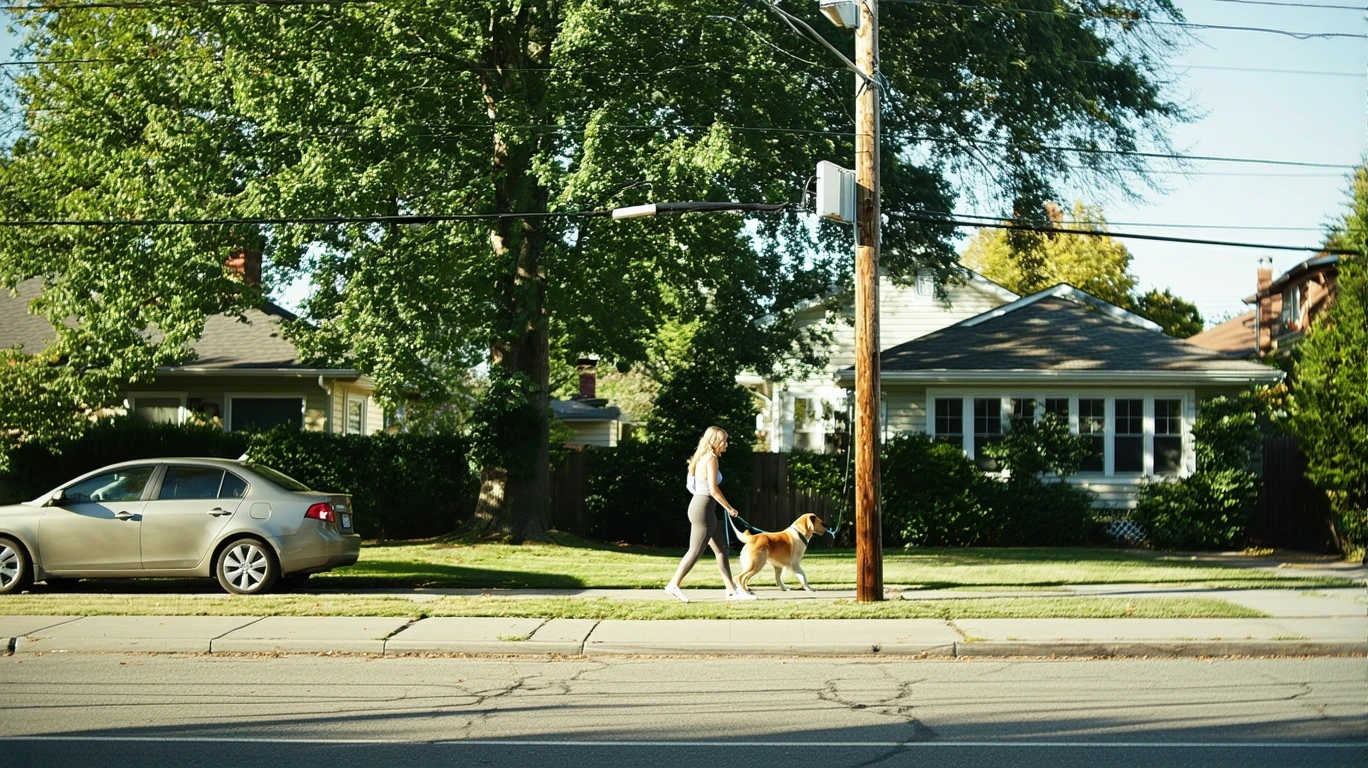
Housing Costs: Rents and Mortgages in Saratoga vs Sunnyvale
Housing dominates most Silicon Valley budgets. In 2025, expect to pay a premium in both cities, but with notable variations:
Saratoga commands higher prices for its spacious homes on larger lots. A typical 3-bedroom, 2-bath house rents for around $5,500 monthly, while buying costs a median of $3.2M. The rental stock tends to be more limited, as nearly 80% of units are owner-occupied. Neighborhoods like Saratoga Ranch and Saratoga Woods offer a semi-rural feel with abundant green space, but also come with higher costs.
Sunnyvale offers a broader mix of housing, from apartments to single-family homes. Rents for a 2-bedroom unit hover around $3,400, while a 3-bed house runs closer to $4,800. The median home price of $2.3M reflects the larger supply of condos and townhomes. Neighborhoods range from the pricier Heritage District to more affordable Lakewood, appealing to diverse household types.
| Housing Type | Saratoga | Sunnyvale |
|---|---|---|
| 2BR Apartment | $3,800 | $3,400 |
| 3BR House | $5,500 | $4,800 |
| Median Home Price | $3.2M | $2.3M |
For a family seeking space and top schools, the higher costs in Saratoga may be worthwhile. Young professionals or couples may find better value and more rental options in Sunnyvale. A monthly budget breakdown shows that choosing Sunnyvale could save a typical renter $400+ compared to similar Saratoga housing.
Winner: Sunnyvale offers lower housing costs across the board.
Utilities and Energy: Powering Homes in Saratoga and Sunnyvale
Silicon Valley’s mild climate keeps utility costs relatively stable, but bills can vary based on home size and age. Saratoga’s larger lots and higher share of single-family homes tend to use more water for landscaping. Older houses may also be less energy-efficient, leading to higher heating and cooling expenses.
In contrast, Sunnyvale’s denser housing mix includes more apartments and condos, which typically have lower utility costs per square foot. Newer construction also benefits from stricter efficiency standards. On average, expect monthly energy bills of $180 for a 2-bed Sunnyvale apartment, compared to $250+ for a Saratoga house.
Both cities offer comparable telecom options, with gigabit internet running about $80 monthly. Sunnyvale residents can also access municipal fiber in some areas, a rarity in the region.
Winner: Sunnyvale has the edge for lower utility bills across housing types.
Food and Dining: Grocery and Restaurant Costs
While both cities have abundant grocery options, Saratoga’s higher-end markets like Safeway and Zanotto’s Family Market tend to charge more for staples. A gallon of milk runs about $5.50, compared to $4.80 at Sunnyvale’s Sprouts or Trader Joe’s. Saratoga’s weekly grocery bill for a couple averages $220, about 15% higher than Sunnyvale’s $190.
Dining out shows similar trends. A casual meal for two in Saratoga easily tops $80 with tax and tip at popular spots like The Basin or Mint Leaf Cuisine. Sunnyvale offers a wider range of affordable eats, with dinner for two averaging closer to $60 at local favorites like Dish n Dash or Dishdash.
For a family of four, the grocery and dining differences can add up to $300+ in monthly savings by choosing Sunnyvale. Singles and couples may find the gap smaller but still significant.
Winner: Sunnyvale offers meaningfully lower food costs, especially for larger households.
Taxes and Fees: The Silicon Valley Premium
Both Saratoga and Sunnyvale face the high taxes common across Silicon Valley. California’s statewide sales tax of 7.25% applies, with Santa Clara County adding 0.25% on top. Property taxes are similarly steep, with most homeowners paying 1.2% to 1.4% of assessed value annually.
Where the cities diverge is in local fees and service charges. Saratoga’s more limited public services mean residents often pay for private alternatives like garbage collection. Homeowners may also face higher HOA dues in some neighborhoods. Sunnyvale provides more municipal services, but charges higher utility taxes and fees as a result.
For property owners, Saratoga’s larger homes can mean heftier tax bills, sometimes topping $30,000 yearly. Sunnyvale’s more diverse housing stock leads to a wider range, with a typical 3-bedroom home owing closer to $20,000. Renters face these costs indirectly, as landlords often pass on a portion through higher rent.
Winner: Sunnyvale has a slight advantage due to more public services and lower home values.
Cost of Living Comparison Summary
| Category | Saratoga | Sunnyvale |
|---|---|---|
| Housing (3BR) | $5,500 | $4,800 |
| Utilities | $350 | $280 |
| Groceries | $880 | $760 |
| Transportation | $650 | $550 |
| Taxes (1.3% for $2.5M home) | $2,700 | $1,900 |
| Misc. | $500 | $450 |
| Estimated Monthly Total | $10,580 | $8,740 |
Methodology: Estimates reflect 2025 costs for a mid-size household (2-bedroom apartment or 3-bedroom home) using published national data and regional benchmarks. Actual expenses will vary with household size, lifestyle, and neighborhood.
The table above paints a clear picture: Sunnyvale offers meaningful savings across major budget categories. For a typical family, the lower housing, food, and utility costs add up to $1,800+ in monthly savings compared to a similar Saratoga lifestyle. Even for a single person or couple, the difference can easily top $1,000.
Lifestyle Considerations Beyond Costs
While Sunnyvale wins on costs, Saratoga offers compelling lifestyle benefits for some. Its top-rated schools, semi-rural charm, and access to open space draw many families. Commute times from Saratoga to major tech campuses often run 10-20% longer, a tradeoff for more space and quieter neighborhoods.
Sunnyvale’s denser layout means more than 30% of residents live within walking distance of stores and restaurants, cutting transportation costs. Its more diverse population and housing also foster a vibrant cultural scene, with abundant festivals and international dining. For singles or couples, the urban amenities and shorter commutes can be major draws.
Ultimately, the choice depends on your priorities and lifestage. Young professionals may favor Sunnyvale’s lower costs and urban perks, while families may prefer Saratoga’s schools and residential feel. Comparing moving company options can help control relocation expenses either way.
Frequently Asked Questions
Is Saratoga more affordable than Sunnyvale in 2025?
No, Sunnyvale offers lower costs across housing, utilities, groceries, and taxes. A typical family can save $1,800+ monthly compared to Saratoga.
Are rental prices lower in Saratoga or Sunnyvale?
Sunnyvale rents average 10-20% less than comparable Saratoga properties in 2025. A 2-bedroom apartment runs about $3,400 monthly in Sunnyvale vs. $3,800 in Saratoga.
How do grocery costs compare between Saratoga and Sunnyvale?
Sunnyvale stores like Sprouts and Trader Joe’s offer 10-15% lower prices than Saratoga’s higher-end grocers. A couple can save $100+ monthly on food in Sunnyvale.
What is the average monthly cost of living for a family of four in Saratoga vs. Sunnyvale?
In 2025, a family of four pays around $10,600 monthly in Saratoga compared to $8,700 in Sunnyvale, assuming a 3-bedroom rental. Exact costs vary by neighborhood and lifestyle.
Is Saratoga considered a better value for homebuyers compared to Sunnyvale?
Not necessarily. While Saratoga offers larger homes and lots, Sunnyvale’s lower median prices ($2.3M vs. $3.2M) mean more affordable entry points for buyers.
The Bottom Line
When deciding between Saratoga and Sunnyvale in 2025, cost is a central factor. Sunnyvale offers meaningful savings on housing, food, utilities, and taxes, adding up to $1,000+ monthly for most households. Its denser layout and urban amenities also mean more walkability and shorter commutes.
However, Saratoga’s semi-rural charm, top schools, and spacious homes still appeal to many families. Those who value space and quiet over cost may find the premium worthwhile. Ultimately, the choice depends on your budget, lifestage, and personal priorities.
For more on local expenses and tradeoffs, see our guides to the monthly cost of living in Saratoga and typical Sunnyvale household budgets. Then explore moving options to get the best value for your Silicon Valley relocation.