
Saratoga, CA vs. San Jose, CA: Cost of Living Comparison (2025)
Which city gives you more for your money – Saratoga or San Jose? As two popular Silicon Valley destinations, Saratoga and San Jose attract many relocating professionals, growing families, and first-time homebuyers. While only 10 miles apart, these cities offer distinct lifestyles and affordability tradeoffs. Saratoga provides a quaint, small-town feel with top-rated schools but commands higher housing prices. San Jose delivers big-city amenities and job access but with more urban density.
As the tech sector continues to drive population growth into 2025, cost of living has become the central factor for those choosing between Saratoga and San Jose. Housing expenses, utility bills, and everyday costs can vary significantly. For a typical family, selecting the right city could mean saving hundreds of dollars per month. To help you decide which community fits your budget, let’s break down the key cost of living differences between Saratoga and San Jose in 2025.
Housing Costs: Rents and Home Prices
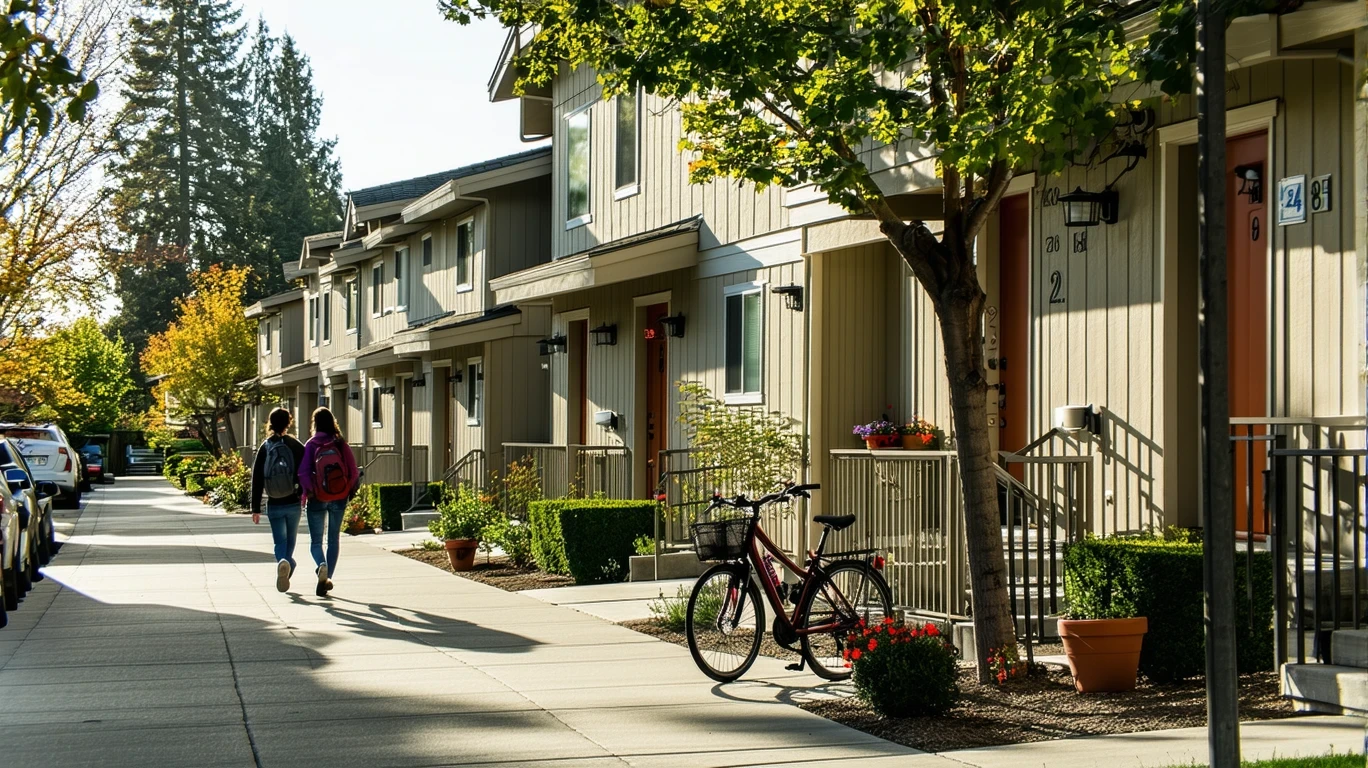
Housing often makes up the largest part of a household’s monthly budget in Saratoga. Both cities have seen rising prices, but Saratoga’s highly-rated schools and village atmosphere command a notable premium. Typical rents for a 2-bedroom apartment hover around $3,800 in Saratoga compared to $3,200 in San Jose. For homebuyers, the gap widens further – the median sale price for a 3-bedroom house reaches $2.8M in Saratoga versus $1.3M in San Jose.
Saratoga offers more single-family homes with spacious lots, attracting families seeking extra room. However, this low-density layout constrains the housing supply, with more competition for the limited inventory. San Jose provides a broader mix of apartments, townhomes, and modest single-family residences. While older homes may lack the upgrades found in newer Saratoga construction, San Jose’s diverse housing options improve affordability and availability.
| Housing Type | Saratoga | San Jose |
|---|---|---|
| 2BR Apartment Rent | $3,800 | $3,200 |
| 3BR House Rent | $5,500 | $4,200 |
| 3BR House Median Price | $2,800,000 | $1,300,000 |
For high-income households prioritizing education and residential perfection, Saratoga’s steep housing costs may be worthwhile. Families can expect to pay 20-30% more than in San Jose for comparable square footage. Young professionals and first-time buyers will likely find better value in San Jose’s range of starter homes and condos at lower price points.
Winner: San Jose offers more affordable and flexible housing options compared to Saratoga’s premium-priced market.
Keeping the Lights On: Utility Costs
Silicon Valley’s mild climate helps keep utility costs manageable, but bills can still add up. Typical monthly expenses for electricity, gas, water, and trash collection come to around $250 in Saratoga and $220 in San Jose for a 2-bedroom apartment. Larger homes in Saratoga often see higher utility usage, pushing average monthly totals closer to $400+ for a 3-bedroom house.
Seasonal changes bring some cost fluctuations, but the variations are less pronounced than in other regions. Winter heating needs are minimal, but summer cooling can drive up electricity bills, especially in older, less-efficient homes. Saratoga and San Jose both offer residential energy programs with free audits and rebates for upgrades like insulation and appliances. These incentives are particularly valuable for those in aging houses.
While exact utility costs will depend on your home’s size, age, and efficiency, San Jose residents can generally expect to pay 10-15% less than their Saratoga neighbors each month. For a family of four, that could mean keeping an extra $50-$100 in their pockets.
Winner: San Jose has the edge for lower monthly utility expenses, particularly for those in older or larger homes.
Groceries and Everyday Spending
Feeding a family and covering daily expenses is a key component of Saratoga’s overall cost of living. Grocery prices are similar between the two cities, with staples like milk, bread, and eggs averaging around 5% more in Saratoga. However, Saratoga’s upscale markets and specialty stores can easily inflate food budgets for those who frequently shop there.
When it comes to dining out, Saratoga’s restaurant scene tends to be pricier, with entrees at popular spots often exceeding $30. San Jose offers more diverse and affordable culinary options, making it easier to find budget-friendly meals. A family of four might spend $200 on a nice dinner out in Saratoga, while the same quality meal could be found for closer to $150 in San Jose.
Everyday purchases like gas, clothing, and household goods are comparable between the two cities. However, Saratoga’s quaint downtown boutiques and high-end retailers can entice shoppers into splurging. San Jose’s larger stores and chain retailers make it simpler to stick to a budget.
Winner: San Jose takes the prize for more affordable grocery and dining options, while Saratoga’s upscale offerings can lead to higher everyday spending.
Taxes and Fees: The Hidden Costs
Taxes and local fees can take a sneaky bite out of your budget. Saratoga’s property tax rate is 1.17%, slightly higher than San Jose’s 1.11%. For a $1.5M home, that 0.06% difference adds an extra $900 to the annual tax bill. Both cities also tack on assessments for schools, libraries, and city services, which can vary by neighborhood.
One important factor for homeowners to consider is Mello-Roos taxes. These special assessments are often levied in newer developments to fund infrastructure like roads and sewers. Mello-Roos fees can add thousands of dollars to a homeowner’s yearly tax burden and are more common in Saratoga’s recently built neighborhoods.
Renters aren’t directly responsible for property taxes, but landlords often pass these costs on in the form of higher rent. This “tax effect” is more pronounced in Saratoga. Sales tax is 9.38% in both cities, so there’s no advantage either way for daily purchases.
Winner: San Jose squeaks ahead with slightly lower property tax rates and fewer Mello-Roos districts, easing the burden on homeowners.
Cost Summary: Saratoga vs. San Jose
| Category | Saratoga | San Jose |
|---|---|---|
| Housing (3BR House) | $5,500 | $4,200 |
| Utilities | $400 | $350 |
| Groceries | $1,000 | $900 |
| Transportation | $200 | $150 |
| Taxes (Property) | 1.17% | 1.11% |
| Misc. | $500 | $400 |
| Estimated Monthly Total | $7,600 | $6,000 |
Methodology: Estimates reflect 2025 costs for a mid-size household (2-bedroom apartment or 3-bedroom home) using published national data and regional benchmarks. Actual expenses will vary with household size, lifestyle, and neighborhood.
When totaling up the core living costs, Saratoga comes in at approximately $7,600 per month for a typical family, about 27% higher than San Jose’s $6,000 average. Housing accounts for the largest share of the difference. Choosing San Jose over Saratoga could mean pocketing an extra $1,600 per month – nearly $20,000 per year – a significant amount for most budgets.
Lifestyle and Location Perks
While cost is crucial, quality of life also plays a role in deciding between Saratoga and San Jose. Saratoga offers a quaint, residential ambiance, with top-tier schools, low crime rates, and a charming downtown. The city’s abundant parks and proximity to hiking trails provide ample outdoor recreation. However, commute times can be lengthy for those traveling to employers in other parts of Silicon Valley.
San Jose delivers a more dynamic urban environment, with diverse neighborhoods, cultural attractions, and a lively downtown. Closer proximity to major tech campuses can mean shorter commutes. The city’s larger size also provides a wider array of public transit options, which can help offset transportation costs. However, crime rates are higher than in Saratoga, and schools are more hit-or-miss.
Ultimately, the lifestyle tradeoffs between Saratoga and San Jose can indirectly impact the cost of living. Saratoga’s family-friendly vibe and highly-rated schools can be worth the premium for those who prioritize those factors. San Jose’s urban conveniences, easier commutes, and lower housing costs can help balance the budget for singles, couples, and young families.
Frequently Asked Questions
Is Saratoga more affordable than San Jose in 2025?
No, Saratoga is generally more expensive than San Jose, particularly when it comes to housing. A typical family can expect to spend about 27% more per month living in Saratoga compared to San Jose.
Are rental prices lower in Saratoga or San Jose?
Rental prices are typically lower in San Jose. A 2-bedroom apartment averages around $3,200 per month in San Jose, while a similar unit in Saratoga often runs closer to $3,800.
How do grocery costs compare between Saratoga and San Jose?
Grocery prices are slightly higher in Saratoga, averaging about 5% more than in San Jose. However, Saratoga’s upscale markets and specialty food stores can significantly increase the total bill for frequent shoppers.
Are property taxes higher in San Jose than in Saratoga?
No, property tax rates are actually a bit lower in San Jose. The average rate is 1.11% in San Jose compared to 1.17% in Saratoga. However, special assessments and Mello-Roos taxes are more common in Saratoga, which can increase the overall tax burden for homeowners.
What is the average monthly cost of living for a family of four in Saratoga vs. San Jose?
Based on 2025 estimates, a family of four can expect to spend around $7,600 per month in Saratoga compared to $6,000 per month in San Jose. This factors in housing, utilities, groceries, and other typical expenses. Actual costs will depend on the specific neighborhood, lifestyle, and housing choices.
The Bottom Line: Saratoga vs. San Jose
Choosing between Saratoga and San Jose ultimately comes down to your budget, lifestyle priorities, and family needs. Moving to Saratoga means investing in top-notch schools, a quaint residential feel, and prestige – but at a premium price. Opting for San Jose brings more affordable housing options, urban amenities, and potentially shorter commutes – but with some tradeoffs in school quality and safety.
For high-earning households with school-age children, Saratoga’s steep housing costs may be a worthwhile expense. Young professionals, first-time buyers, and budget-conscious families will likely find better value in San Jose’s diverse housing market and lower overall cost of living. Regardless of the city you choose, living in Silicon Valley will require careful financial planning to manage the region’s high expenses.
As you weigh the pros and cons of Saratoga vs. San Jose, consider using the free cost of living calculator and budgeting tools at IndexYard.com. You’ll find data-driven insights to help you make an informed decision and keep your expenses in check as you navigate life in these vibrant Silicon Valley communities.