
How People Get Around Sammamish
Understanding transportation options in Sammamish begins with recognizing what kind of place this is: a low-density, affluent suburban community spread across the Sammamish Plateau east of Lake Sammamish. The city’s development pattern—large lots, winding residential streets, separated neighborhoods—was built around the assumption that households own cars. That assumption still holds. Most people drive for nearly everything: work commutes, errands, school drop-offs, weekend activities.
Newcomers often arrive expecting Seattle-adjacent transit access, only to discover that proximity to the city doesn’t translate into transit convenience. Sammamish sits outside the urban core where frequent bus service and light rail operate. The result is a transportation landscape where driving isn’t just common—it’s structural. Families, professionals, and retirees alike depend on personal vehicles to navigate daily life, and that dependence shapes everything from housing choices to time management.
What surprises many is how little this feels like a limitation once you’re settled. The city’s layout rewards car ownership with ample parking, low congestion within city limits, and direct highway access to employment centers. But for households hoping to reduce car reliance or avoid the costs and responsibilities of vehicle ownership, Sammamish presents real friction.
Public Transit Availability in Sammamish
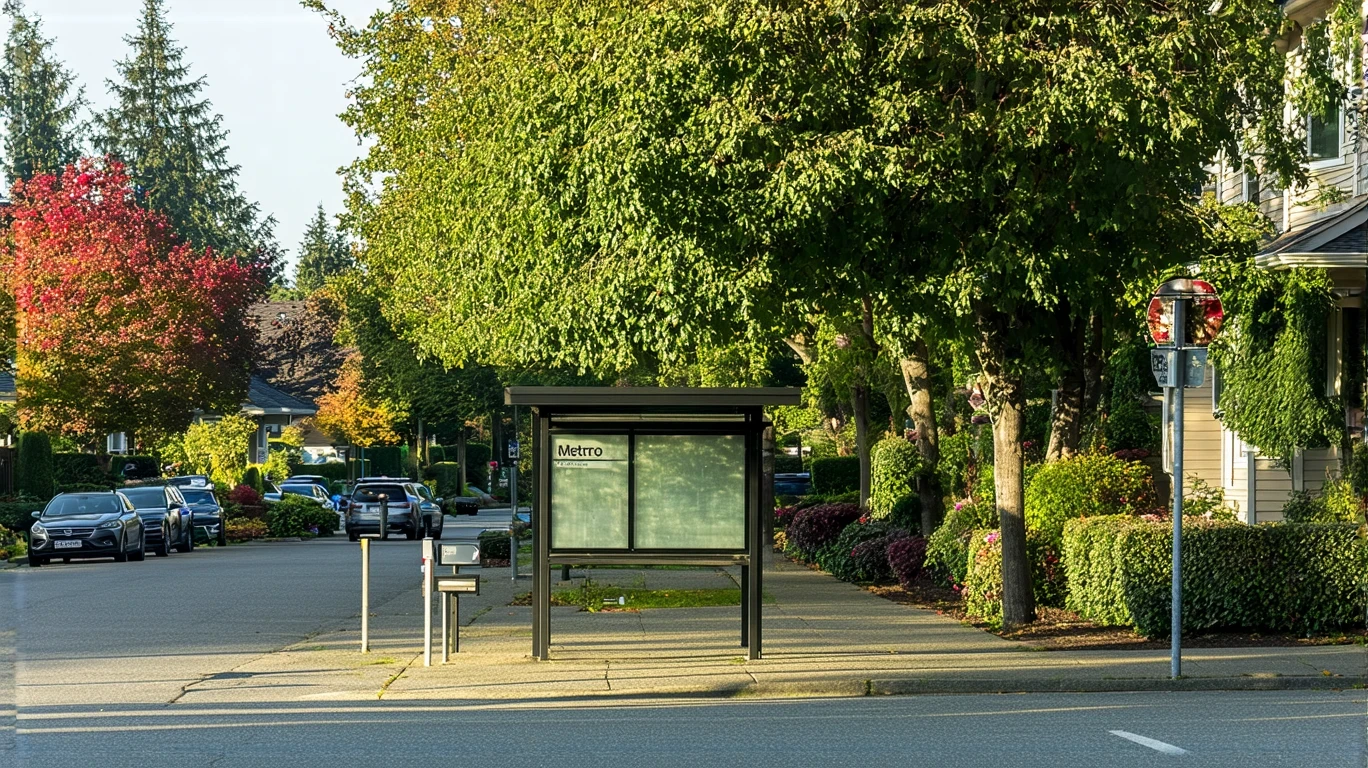
Public transit in Sammamish exists, but it plays a supporting role rather than a foundational one. Residents may encounter services such as King County Metro, which operates limited bus routes connecting parts of Sammamish to Redmond, Issaquah, and Seattle. These routes tend to serve specific corridors—often along major roads like East Lake Sammamish Parkway—rather than blanketing the city with coverage.
Transit works best for commuters living near a bus stop with direct service to a major employment hub, particularly downtown Seattle or the Eastside tech corridor. For that narrow slice of residents, transit can function as a weekday commute solution, especially when paired with park-and-ride lots. But coverage thins quickly as you move into residential neighborhoods. Side streets, cul-de-sacs, and hillside developments rarely see bus service, meaning most residents would need to drive to a transit stop before they could use transit—a friction point that undermines the whole value proposition.
Evening and weekend service is lighter still. Families relying on transit for non-commute trips—grocery runs, medical appointments, youth sports—find the system difficult to use. The suburban geography that makes Sammamish appealing for space and privacy also makes it challenging to serve efficiently with fixed-route transit.
Driving & Car Dependence Reality
Driving isn’t just the default in Sammamish—it’s the infrastructure. Roads are designed for cars, parking is abundant, and most destinations assume you’ll arrive with a vehicle. This isn’t a design flaw; it’s the intended structure of a suburban community built during an era when car ownership was universal and transit was an urban amenity.
For most households, this works. Commuters can reach Seattle, Bellevue, or Redmond via I-90 or State Route 520 with reasonable predictability outside peak congestion windows. Errands are car-dependent by design: grocery stores, medical offices, and retail centers are spread across the plateau with minimal walkable clustering. School transportation often requires driving, especially for families managing multiple drop-off times or extracurricular schedules.
Parking is rarely a concern. Homes come with garages and driveways, and commercial areas provide ample surface lots. This eliminates one of the major frictions of urban car ownership, making vehicle dependence feel less burdensome than it might in denser cities.
But car dependence does create exposure. Households must budget for vehicle purchase or lease, insurance, maintenance, fuel, and registration. Multi-driver families often need multiple cars, compounding these costs. And while driving offers flexibility, it also ties daily life to vehicle availability—a consideration for households with young drivers, aging adults, or anyone managing mobility limitations.
Commuting Patterns & Daily Mobility
Commuting from Sammamish typically means leaving the city. The local economy is primarily residential, so most working adults commute to jobs in Seattle, Bellevue, Redmond, or Issaquah. These commutes are car-dominant, with some transit use among downtown Seattle commuters willing to drive to a park-and-ride and transfer to a bus.
Single-destination commuters—those traveling to one workplace on a predictable schedule—have the most flexibility. They can optimize routes, experiment with departure times to avoid peak congestion, or explore transit if their destination is well-served. But multi-stop commuters face compounding friction. Dropping kids at school, stopping for errands, or managing mid-day appointments requires the flexibility only a car provides.
Remote and hybrid workers experience Sammamish differently. Without daily commutes, they benefit from the city’s residential character—space, quiet, greenery—without absorbing the time cost of regular travel. For these households, transportation becomes less about daily logistics and more about weekend access to recreation, dining, and social activities, most of which still require driving.
Who Transit Works For — and Who It Doesn’t
Transit in Sammamish works for a specific profile: individuals commuting alone to a major employment center, living near a bus route, and willing to structure their schedule around limited service. This often means downtown Seattle commuters in tech or professional services, particularly those who value commute time for reading, working, or decompressing rather than driving.
Transit does not work well for families managing complex logistics. School schedules, activity drop-offs, and errand chains require the flexibility and speed that only personal vehicles provide. It also struggles to serve residents in the majority of Sammamish’s neighborhoods, where bus stops are too far to walk and service is too infrequent to rely on.
Renters near transit corridors—particularly younger professionals or couples without children—may find transit viable for commuting, but they’ll still likely need a car for weekend errands and social trips. Homeowners in residential enclaves, especially those with families, will find transit largely irrelevant to their daily lives.
Older adults and households with mobility limitations face the steepest barriers. Without walkable access to transit and with limited paratransit options, car dependence becomes unavoidable unless family or community support fills the gap.
Transportation Tradeoffs in Sammamish
Choosing between transit and driving in Sammamish isn’t really a choice for most households—it’s a question of whether your specific situation allows transit to play even a minor role.
Driving offers control, predictability, and flexibility. You leave when you want, stop where you need to, and manage your own schedule. The tradeoff is exposure to vehicle costs, maintenance responsibilities, and the time spent behind the wheel, particularly during peak commute windows when highway congestion builds.
Transit, where it’s viable, offers a different set of benefits: no parking concerns, the ability to use commute time productively, and insulation from fuel price swings. But it requires proximity to service, tolerance for fixed schedules, and acceptance that most non-commute trips will still require a car. For the small number of households where transit works, it’s a supplement, not a replacement.
The deeper tradeoff is structural. Sammamish’s transportation reality reflects its housing character. The space, privacy, and residential calm that attract families and professionals come with car dependence baked in. Households seeking walkability, transit access, or car-free living will find Sammamish misaligned with those priorities. Those who value suburban space and accept driving as the cost of entry will find the city’s transportation structure logical and functional.
FAQs About Transportation in Sammamish (2026)
Is public transit usable for daily commuting in Sammamish?
Public transit can work for daily commuting if you live near a bus route with direct service to your workplace, particularly downtown Seattle or Redmond. Most of Sammamish lacks convenient transit access, so commuting by bus requires either living in a transit-served corridor or driving to a park-and-ride first. For the majority of residents, driving remains the primary commute mode.
Do most people in Sammamish rely on a car?
Yes. Sammamish’s suburban layout, low density, and limited transit coverage make car ownership essential for most households. Driving is the norm for commuting, errands, school transportation, and social activities. Households without cars face significant mobility limitations.
Which areas of Sammamish are easiest to live in without a car?
No area of Sammamish is truly easy to navigate without a car, but neighborhoods near bus routes along major corridors—such as East Lake Sammamish Parkway—offer the most transit access. Even in these areas, you’ll likely need a car for errands, weekend trips, and any travel outside commute hours. Car-free living in Sammamish is uncommon and requires significant compromise.
How does commuting in Sammamish compare to nearby cities?
Commuting from Sammamish is more car-dependent than from denser Eastside cities like Bellevue or Redmond, which have more robust transit networks and closer proximity to employment centers. Compared to Seattle, Sammamish offers less congestion within city limits but requires longer commutes to reach urban job centers. The tradeoff is residential space and calm in exchange for time and transportation costs.
Can you get by in Sammamish with just one car for a family?
It depends on your household’s schedule and flexibility. Families with one working parent, remote workers, or households with overlapping schedules may manage with one vehicle. But families with multiple commuters, school-age children with activities, or complex daily logistics often find that a second car eliminates significant friction. Sammamish’s layout makes single-car living more challenging than in walkable or transit-rich cities.
How Transportation Fits Into the Cost of Living in Sammamish
Transportation in Sammamish isn’t just a line item—it’s a structural factor that shapes housing decisions, time allocation, and household flexibility. Car dependence means that vehicle-related expenses become unavoidable for most families, and those costs interact with other parts of the budget in ways that aren’t always obvious upfront.
Households drawn to Sammamish for its residential character and space often accept driving as the cost of entry. The city rewards that acceptance with low local congestion, ample parking, and highway access that makes commuting predictable outside peak hours. But the tradeoff is real: transportation costs are less flexible here than in transit-rich cities, and reducing those costs without relocating is difficult.
For newcomers evaluating Sammamish, the transportation question isn’t whether you’ll need a car—you will—but whether the city’s residential benefits justify the transportation structure that comes with them. If your priority is space, safety, and suburban calm, and you’re prepared to drive for most daily needs, Sammamish’s transportation reality will feel logical. If you’re hoping to minimize driving, reduce vehicle costs, or live car-free, the city will present persistent friction.
Understanding how people actually get around Sammamish—and why the system works the way it does—helps you make housing and lifestyle decisions that align with the city’s infrastructure rather than fight against it. That alignment, more than any single transportation choice, determines whether Sammamish feels like the right fit.
—