
Royal Oak Transit & Mobility Overview
| Transportation Mode | Coverage Level | Typical Use Case |
|---|---|---|
| Rail Transit | Present (corridor-based) | Commuting along regional routes |
| Walking Infrastructure | High in pockets | Daily errands, local trips in core areas |
| Cycling Infrastructure | Notable throughout | Short-distance trips, recreation |
| Personal Vehicle | Universal access needed | Outer neighborhoods, multi-stop routines |
Coverage reflects infrastructure presence, not service frequency or pricing.
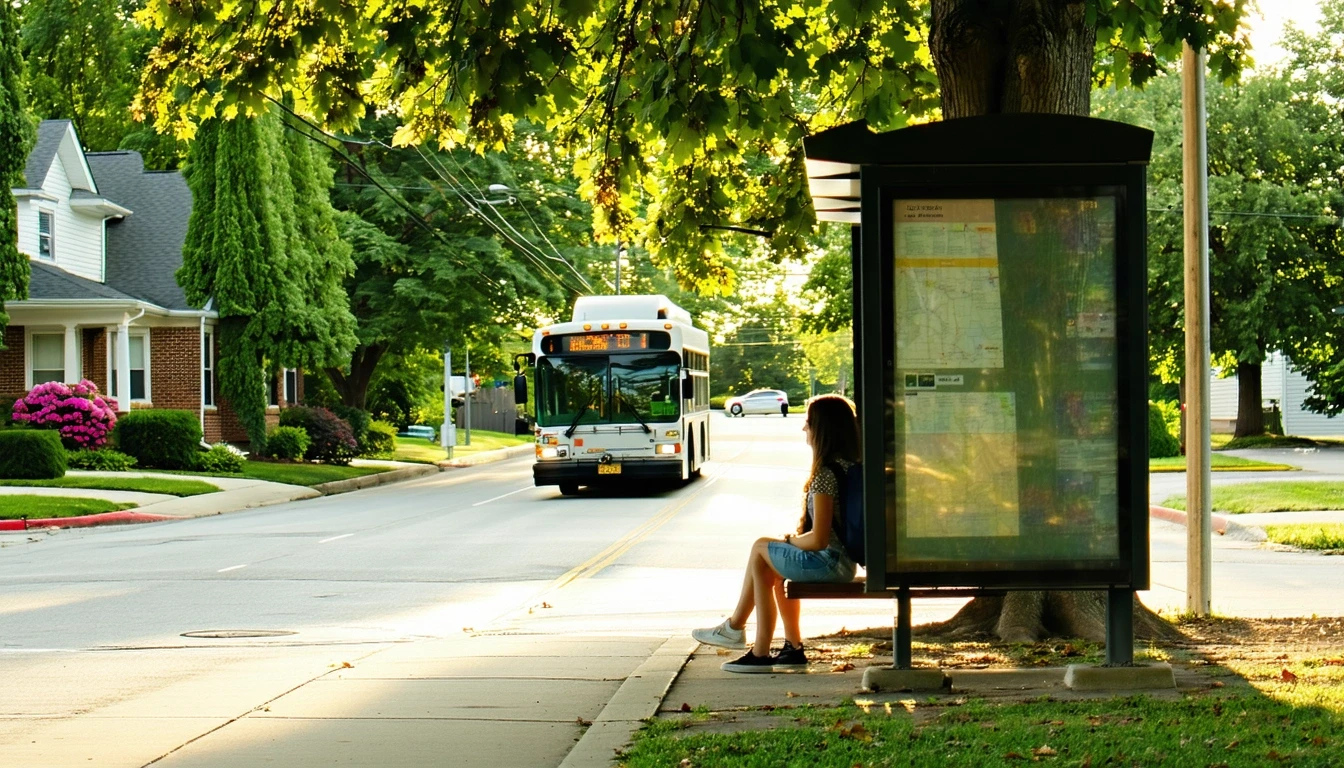
How People Get Around Royal Oak
Understanding transportation options in Royal Oak means recognizing that this city offers something many suburbs don’t: genuine alternatives to driving, at least in parts of town. Royal Oak’s layout creates distinct mobility zones—walkable pockets with dense sidewalk networks and accessible errands, neighborhoods where cycling infrastructure makes short trips practical without a car, and residential areas where driving remains the only realistic option for daily life.
What newcomers often misunderstand is that Royal Oak isn’t uniformly transit-friendly or uniformly car-dependent. The city’s pedestrian infrastructure is concentrated rather than evenly distributed, meaning your transportation reality depends heavily on where you live. Households near the downtown core or along certain corridors can genuinely reduce car reliance for errands and some commutes. Families in outer residential streets, even just a mile away, face a completely different equation—one where a car isn’t optional.
This isn’t about walkability as an aesthetic or a lifestyle brand. It’s about whether you can get groceries, reach a bus stop, or bike to a coffee shop without planning around a vehicle. In Royal Oak’s denser areas, that friction is low. Elsewhere, it’s high. The city’s development pattern—a mix of older, compact blocks and newer, spread-out subdivisions—creates that split, and it shapes daily routines more than any single transit line or bike lane ever could.
Public Transit Availability in Royal Oak
Royal Oak has rail transit service, which immediately distinguishes it from purely car-dependent suburbs. Public transit in Royal Oak often centers around systems such as regional rail lines that connect the city to Detroit and surrounding communities, offering a real alternative for corridor-based commuting. This isn’t theoretical—rail service is present and used, particularly by residents working in downtown Detroit or other stops along the line.
But transit’s role in Royal Oak is corridor-specific, not citywide. Rail stations anchor certain neighborhoods, and households within walking or biking distance of those stations can structure their routines around transit in ways that reduce or eliminate the need for a daily commute car. For someone living near a station and working along the rail line, public transit becomes the primary commute mode, not a backup plan.
Outside those corridors, transit coverage thins quickly. Royal Oak’s residential streets, especially in areas with lower density and fewer commercial nodes, don’t have the same access. Bus service may be present in some areas, but the infrastructure that makes transit practical—frequent service, convenient stops, routes that align with daily destinations—doesn’t extend uniformly across the city. Late hours and weekend coverage tend to fall short, even in areas with weekday service.
Transit works best in Royal Oak when your home, your work, and your errands align with existing routes. When they don’t, the time cost and inconvenience make driving the only realistic choice. That’s not a failure of the system—it’s a reflection of Royal Oak’s geography and the limits of transit coverage in a mid-sized suburban city.
Driving & Car Dependence Reality
For most households in Royal Oak, a car isn’t optional. Even in walkable neighborhoods, driving remains necessary for trips outside the immediate area—whether that’s reaching a job in a suburban office park, running errands at a big-box store, or visiting family in another part of the metro area. Royal Oak’s layout supports car-free living in specific pockets, but it doesn’t eliminate the need for a vehicle entirely, even for those who use it less frequently.
Parking in Royal Oak is generally accessible and uncontroversial. Most homes have driveways or garages, and street parking is available in residential areas without the competition or cost pressures seen in denser urban cores. This makes car ownership logistically simple, even if it’s not always financially light. The infrastructure assumes you’ll drive, and for households outside the walkable core, that assumption is correct.
Car dependence in Royal Oak is tied to the city’s relationship with the broader Detroit metro area. Many residents commute to jobs in neighboring cities or work in industries clustered in areas without transit access. Even households that can walk to groceries or bike to a park often drive to work, because their employer isn’t on a rail line or bus route. The flexibility and reach of a personal vehicle outweigh the convenience of local walkability for most daily routines.
This isn’t sprawl in the classic sense—Royal Oak is compact compared to outer-ring suburbs—but it’s also not dense enough to make transit viable for everyone. The result is a city where driving is the default, even when alternatives exist for specific trips or specific households.
Commuting Patterns & Daily Mobility
Commuting in Royal Oak tends to follow one of two patterns: corridor-based transit commutes for those working along rail lines, or car commutes for everyone else. The households who benefit from transit are typically working in downtown Detroit or other transit-accessible job centers, and they’ve often chosen their Royal Oak neighborhood specifically for proximity to a station. For them, the commute is predictable, low-stress, and less expensive than driving and parking daily.
For households relying on cars, commuting is shaped by metro Detroit’s geography—a region where jobs are dispersed across multiple employment centers rather than concentrated in a single downtown. That dispersion makes transit impractical for many workers, even those living in Royal Oak’s most walkable neighborhoods. A household might walk to the grocery store and bike to the library, but still drive 20 minutes to an office park in Troy or Southfield.
Multi-stop routines—dropping kids at school, running errands, picking up groceries—favor driving even more heavily. Transit works well for single-destination trips, but it breaks down quickly when daily life involves multiple stops in different parts of the city or region. Families with children, in particular, find that the time cost of stitching together transit and walking trips exceeds the hassle of just driving.
Proximity matters more than infrastructure for many Royal Oak households. Living close to work, even if it requires driving, often trumps living near transit if the job isn’t on a rail line. The city’s role as a residential hub within a larger metro area means that commuting patterns are shaped as much by where people work as by what transportation options exist locally.
Who Transit Works For — and Who It Doesn’t
Transit in Royal Oak works best for renters and younger professionals living in walkable neighborhoods near rail stations, particularly those working in downtown Detroit or along the regional rail corridor. These households can structure their routines around transit, walking, and biking, reducing car dependence to occasional trips rather than daily necessity. For them, Royal Oak offers a rare suburban option: the ability to live outside the urban core without being fully car-reliant.
Families with children face a different reality. School drop-offs, extracurricular activities, and the multi-stop errands that come with raising kids make car ownership nearly unavoidable, even in Royal Oak’s most transit-accessible areas. Transit can supplement driving for these households—one parent might take the train to work while the other handles school runs—but it rarely replaces the car entirely.
Households in Royal Oak’s outer residential areas, away from rail stations and outside the densest pedestrian zones, are fully car-dependent by necessity. These neighborhoods lack the infrastructure density that makes walking or biking practical for daily errands, and transit access is limited or nonexistent. For these residents, Royal Oak’s walkability and transit options are largely irrelevant to their day-to-day routines.
Older adults and retirees may find Royal Oak’s walkable core appealing, especially if they’re downsizing from a larger suburban home and looking to reduce driving. The ability to walk to shops, restaurants, and services within a compact area offers real value for households prioritizing convenience and aging in place. But again, this benefit is location-specific—it applies in certain neighborhoods, not across the entire city.
Transportation Tradeoffs in Royal Oak
Choosing between transit and driving in Royal Oak isn’t about cost alone—it’s about control, predictability, and how much friction you’re willing to accept in daily routines. Transit offers lower fixed costs and eliminates parking hassles, but it requires aligning your schedule and destinations with existing routes. Driving offers flexibility and speed, but it comes with the ongoing exposure of fuel prices, maintenance, insurance, and parking fees in some areas.
For households whose work and errands align with Royal Oak’s transit corridors, the tradeoff favors transit. The predictability of rail schedules, combined with walkable access to groceries and services, reduces the need for a car without adding significant time or inconvenience. These households gain financial breathing room and avoid the fixed costs of car ownership, at least for one vehicle.
For households whose routines don’t align with transit—whether due to job location, family logistics, or living outside walkable areas—the tradeoff tilts heavily toward driving. The time cost of using transit for trips it wasn’t designed to serve quickly outweighs any savings. In these cases, a car isn’t a luxury; it’s the baseline tool that makes daily life manageable.
The real tradeoff in Royal Oak is between location and transportation flexibility. Choosing a home near a rail station and within a walkable pocket opens up transit options and reduces car dependence. Choosing a home in a quieter, more residential area often means accepting full car reliance. Both are valid choices, but they lead to fundamentally different daily experiences and cost structures.
How this article was built: In addition to public economic data, this article incorporates location-based experiential signals derived from anonymized geographic patterns—such as access density, walkability, and land-use mix—to reflect how day-to-day living actually feels in Royal Oak, MI.
FAQs About Transportation in Royal Oak (2026)
Is public transit usable for daily commuting in Royal Oak?
Yes, but only if your work aligns with existing rail corridors. Royal Oak has rail service that connects to downtown Detroit and other regional stops, making transit a practical option for corridor-based commutes. If your job is outside those routes—common in metro Detroit’s dispersed employment landscape—transit becomes impractical, and driving is the only realistic option.
Do most people in Royal Oak rely on a car?
Yes. Even in Royal Oak’s most walkable neighborhoods, most households own at least one car. The city’s layout supports reduced car dependence for some trips and some households, but it doesn’t eliminate the need for a vehicle entirely. Families, in particular, find that daily routines require driving, even when walking or biking works for errands.
Which areas of Royal Oak are easiest to live in without a car?
Neighborhoods near rail stations and within the densest pedestrian zones offer the most realistic car-free or car-light living. These areas have walkable access to groceries, services, and transit, reducing the friction of daily errands. Outside these pockets, car dependence increases quickly, even within Royal Oak’s compact footprint.
How does commuting in Royal Oak compare to nearby cities?
Royal Oak offers more transit options than most Detroit-area suburbs, thanks to rail service and walkable infrastructure in parts of the city. Compared to outer-ring suburbs, Royal Oak provides genuine alternatives to driving for some households. Compared to downtown Detroit, it’s less transit-dense and more car-reliant overall, but it strikes a middle ground that appeals to households seeking suburban space without total car dependence.
Can you bike safely for transportation in Royal Oak?
Yes, in many areas. Royal Oak has notable cycling infrastructure, with bike-to-road ratios that exceed typical suburban levels. This makes biking a practical option for short trips, errands, and recreation, particularly within the city’s core. Longer commutes or trips outside Royal Oak still favor driving, but for local mobility, biking is a real and widely used option.
How Transportation Fits Into the Cost of Living in Royal Oak
Transportation in Royal Oak isn’t just a line item—it’s a structural factor that shapes where you can live, how much time you spend commuting, and how much flexibility you have in daily routines. Households near transit and within walkable areas gain the option to reduce or eliminate car ownership, which affects not just fuel and maintenance costs, but insurance, parking, and the mental load of vehicle dependence.
For households relying on cars, transportation costs are ongoing and variable. Gas prices fluctuate, and at $4.19 per gallon, fuel represents a meaningful expense for anyone commuting regularly. Maintenance, insurance, and the eventual need to replace a vehicle add layers of cost that don’t show up in monthly budgets but accumulate over time. Royal Oak’s layout doesn’t eliminate these costs, but for some households, it reduces their intensity.
The real cost of transportation in Royal Oak is often hidden in housing choices. Paying more to live near a rail station or within a walkable neighborhood can reduce transportation costs enough to offset the higher rent or mortgage. Paying less to live in a car-dependent area often means absorbing higher transportation costs and longer commutes. Neither choice is inherently better, but understanding the tradeoff helps clarify what a budget has to handle in Royal Oak.
If you’re evaluating Royal Oak, start by mapping your work location against transit routes and walkable neighborhoods. If they align, you have options. If they don’t, plan for car ownership and the costs that come with it. Royal Oak offers more transportation flexibility than most suburbs, but that flexibility is geographic, not universal. Choose your location with your commute and daily routine in mind, and the rest of the cost structure will follow.