
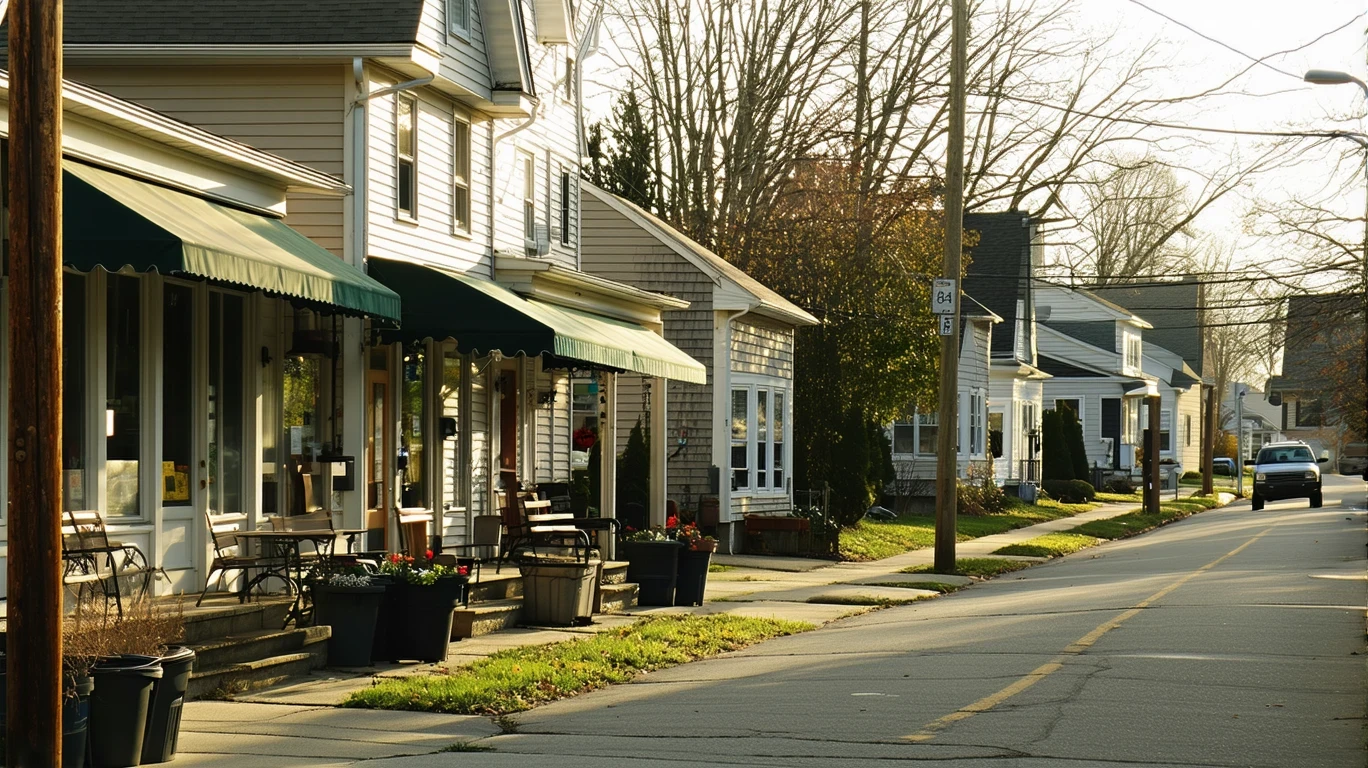
Here’s the myth: Grove City is more affordable because it’s farther from downtown Columbus. The reality is more textured. Both Reynoldsburg and Grove City sit in the Columbus metro, share the same regional price environment, and offer similar suburban layouts. But the cost pressures that show up first—and hit hardest—depend entirely on what your household is sensitive to. For some, Grove City’s higher home values create a steeper entry barrier that overshadows everything else. For others, Reynoldsburg’s car-dependent errands and limited healthcare access introduce friction that Grove City’s walkable pockets and cycling infrastructure help avoid. In 2026, the decision between these two cities isn’t about which is cheaper overall. It’s about where cost pressure concentrates for your household, and whether you’re more exposed to housing entry barriers, transportation dependence, or day-to-day logistics complexity.
Both cities function as commuter suburbs with low-rise residential character and mixed land use. Both rely on bus-only transit and offer moderate green space access. But beneath that surface similarity, the cost experience diverges in ways that matter for renters versus buyers, single adults versus families, and households with tight schedules versus flexible ones. Reynoldsburg offers lower home values and broadly accessible grocery options, but its mixed mobility texture and limited healthcare access mean more driving and more planning. Grove City offers walkable pockets, notable bike infrastructure, and strong family amenities, but its higher home values and natural gas prices shift cost pressure toward housing entry and winter heating. The better choice depends on which costs dominate your household’s budget and which tradeoffs you’re willing to make.
This article compares how housing, utilities, groceries, transportation, taxes, and lifestyle factors behave differently in Reynoldsburg and Grove City. It explains where cost pressure shows up, which households feel it most, and how the same income can feel stable in one city and tight in the other—without declaring a winner or calculating totals.
Housing Costs
Housing is where the two cities diverge most sharply, and where the myth of “farther equals cheaper” breaks down. Grove City’s median home value sits at $262,800, while Reynoldsburg’s is $217,200. That gap represents a substantial difference in entry barrier for buyers—down payment requirements, mortgage qualification thresholds, and the cash reserves needed to close. For first-time buyers or households stretching to enter homeownership, Reynoldsburg offers a lower hurdle. For buyers prioritizing neighborhood amenities, school access, or cycling infrastructure, Grove City’s higher home values may reflect structural advantages that justify the steeper entry cost.
Renters face a different calculation. Grove City’s median gross rent is $1,205 per month, compared to Reynoldsburg’s $1,172 per month. That gap is minimal—narrow enough that availability, unit condition, and proximity to work or schools often matter more than the rent figure itself. But the rental markets in both cities reflect their broader housing stock: Reynoldsburg’s lower home values suggest more older single-family homes converted to rentals, while Grove City’s mixed building heights and strong family infrastructure suggest a more diverse rental inventory, including newer townhomes and small multifamily buildings. Renters sensitive to unit age, maintenance quality, or access to playgrounds and schools may find Grove City’s rental stock more aligned with their needs, even if the rent is slightly higher.
For families planning to stay several years, the housing decision hinges on whether entry cost or ongoing exposure matters more. Reynoldsburg’s lower home values reduce the upfront barrier, but its car-dependent errands and limited healthcare access mean more driving, more time spent on logistics, and potentially higher transportation costs over time. Grove City’s higher home values create a steeper entry barrier, but its walkable pockets, notable cycling infrastructure, and strong family amenities reduce day-to-day friction and may lower transportation dependence for households that can live near schools, parks, and grocery corridors. The housing cost difference isn’t just about price—it’s about what kind of cost pressure you’re willing to absorb, and when.
Housing takeaway: Reynoldsburg fits households prioritizing lower entry barriers and willing to manage more car dependence. Grove City fits households prioritizing walkability, cycling infrastructure, and family amenities, and able to absorb higher upfront housing costs. Renters in both cities face similar monthly obligations, but Grove City’s rental stock may offer more diversity in unit type and proximity to schools and parks.
Utilities and Energy Costs
Utility costs in both cities are shaped by Ohio’s cold winters and warm summers, but the cost pressure shows up differently depending on housing stock, heating fuel, and household size. Reynoldsburg’s electricity rate is 17.59¢/kWh, while Grove City’s is 17.66¢/kWh—a negligible difference that won’t move the needle for most households. But natural gas prices diverge more sharply: Reynoldsburg’s rate is $11.25/MCF, while Grove City’s is $13.33/MCF. That gap matters most for households heating larger single-family homes during extended cold stretches, where natural gas consumption drives the majority of winter utility bills.
For renters in smaller apartments or townhomes, the natural gas gap may be less visible. Smaller units lose less heat, and many apartment complexes include heat or use electric baseboard systems that shift exposure to the electricity rate instead. But for homeowners in older single-family homes—common in both cities given their low-rise character—the natural gas price difference translates into higher winter heating exposure in Grove City. That exposure is compounded by home age: older homes with less insulation, single-pane windows, or aging HVAC systems amplify the cost impact of higher natural gas prices. Households planning to buy in Grove City should factor in the potential need for efficiency upgrades, particularly if the home was built before modern insulation standards.
Summer cooling costs, driven by electricity rates, are nearly identical in both cities. But the intensity of cooling exposure depends more on housing type and household behavior than on the rate itself. Single-family homes with poor attic insulation or west-facing windows experience higher cooling loads, while apartments in multifamily buildings benefit from shared walls and smaller square footage. Households sensitive to utility volatility—those on fixed incomes, or those managing tight monthly budgets—may find Reynoldsburg’s lower natural gas prices offer more predictability during winter months, when heating costs dominate. Households in Grove City can offset higher natural gas exposure through efficiency upgrades, programmable thermostats, and behavioral adjustments, but those strategies require upfront investment and sustained attention.
Utility takeaway: Reynoldsburg offers lower winter heating exposure due to lower natural gas prices, which matters most for homeowners in larger or older single-family homes. Grove City’s higher natural gas prices increase winter volatility, but households in newer or smaller homes may feel less impact. Summer cooling costs are nearly identical in both cities, driven by housing type and insulation quality rather than rate differences.
Groceries and Daily Expenses
Both Reynoldsburg and Grove City share the same regional price environment, reflected in their identical RPP index of 95, which means grocery staples, household goods, and everyday spending face similar baseline pricing. But the cost experience diverges based on access patterns, store concentration, and household shopping habits. Reynoldsburg’s experiential signals show broadly accessible food and grocery options, with both food density and grocery density exceeding high thresholds. That suggests a well-distributed mix of supermarkets, discount grocers, and convenience stores, reducing the need to drive long distances or plan around limited store hours. For households managing tight schedules or relying on frequent small shopping trips, Reynoldsburg’s grocery accessibility reduces time cost and planning friction.
Grove City’s experiential signals show corridor-clustered food and grocery options, with both food density and grocery density in the medium band. That suggests grocery stores and restaurants are concentrated along major commercial corridors rather than distributed throughout residential neighborhoods. For households living near those corridors, access is straightforward. But for households living in quieter residential pockets farther from commercial strips, grocery shopping may require more intentional planning and longer drives. That clustering pattern can create a tradeoff: households willing to live near commercial corridors gain walkable or bikeable access to groceries, while households prioritizing quieter residential streets may face more car dependence for errands.
Daily spending beyond groceries—coffee runs, takeout meals, household goods—follows similar patterns. Reynoldsburg’s broadly accessible food density suggests more options for convenience spending distributed throughout the city, which can make it easier to grab a quick meal or pick up forgotten items without a dedicated trip. Grove City’s corridor-clustered pattern suggests convenience spending is more concentrated, which can reduce temptation for impulse purchases but may also require more planning for last-minute needs. Families managing larger grocery volumes may prefer Reynoldsburg’s distributed access, which allows for more flexible shopping patterns and reduces the risk of running out of staples between major shopping trips. Single adults or couples with predictable routines may find Grove City’s corridor-clustered pattern sufficient, particularly if they live near a major commercial strip.
Grocery takeaway: Reynoldsburg’s broadly accessible grocery options reduce planning friction and time cost, which matters most for families managing frequent shopping trips or tight schedules. Grove City’s corridor-clustered grocery access works well for households living near commercial corridors, but may require more car dependence and planning for households in quieter residential areas. Both cities share the same regional pricing environment, so cost differences are driven more by access patterns and convenience spending habits than by price levels.
Taxes and Fees
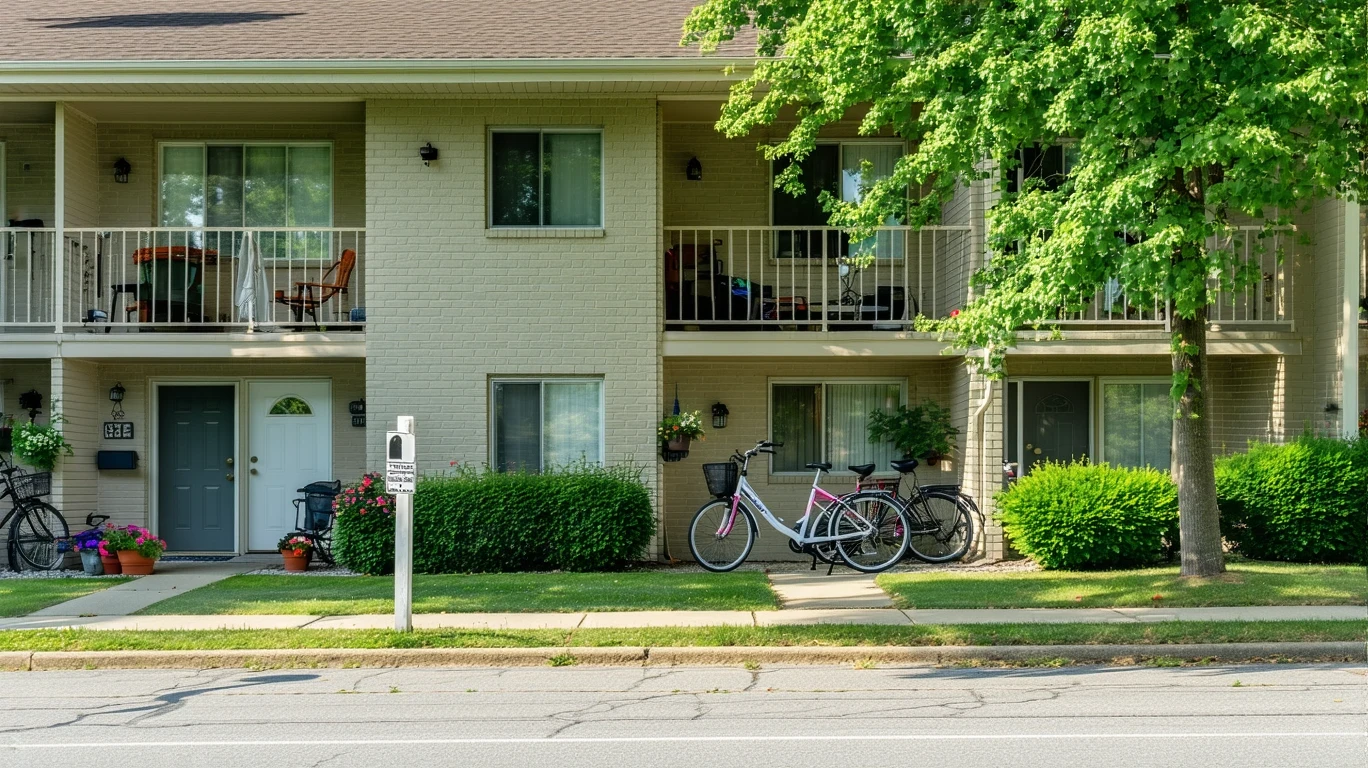
Both Reynoldsburg and Grove City sit within the same county and state tax structure, which means property tax rates, sales tax rates, and local income tax rules are shaped by similar regional frameworks. But the cost pressure from taxes and fees shows up differently depending on housing type, length of ownership, and household composition. Property taxes are the largest tax burden for homeowners in both cities, and they’re driven by assessed home values and local millage rates. Grove City’s higher median home value means homeowners there face higher absolute property tax bills, even if the effective tax rate is similar. That difference compounds over time, particularly for households planning to stay several years, as property taxes represent an ongoing obligation that doesn’t decline with mortgage payoff.
Renters don’t pay property taxes directly, but they absorb them indirectly through rent levels. Landlords in Grove City face higher property tax bills due to higher home values, and those costs are typically passed through to renters in the form of higher base rents or slower rent concessions during market downturns. Renters in Reynoldsburg benefit from lower property tax exposure, which may translate into more stable rent growth over time. But that advantage is most visible for long-term renters who stay in the same unit for several years, allowing them to avoid the reset that comes with moving to a new unit at market rates.
Local fees—trash collection, water and sewer charges, stormwater fees—are structured similarly in both cities, but the cost impact varies by housing type. Single-family homeowners typically pay these fees directly, while apartment renters often see them bundled into rent or charged as a flat monthly utility fee. Homeowners in both cities should budget for these recurring fees, which can add meaningful cost pressure on top of mortgage, property taxes, and insurance. HOA fees, common in newer subdivisions and townhome communities, are more prevalent in Grove City given its mixed building heights and newer housing stock. Those fees can range widely depending on what services are bundled—landscaping, snow removal, shared amenities—but they represent an additional ongoing obligation that doesn’t exist in older single-family neighborhoods without HOA structures.
Tax and fee takeaway: Grove City’s higher home values translate into higher property tax bills for homeowners, which compounds over time and represents an ongoing obligation. Reynoldsburg’s lower home values reduce property tax exposure, which benefits both homeowners and long-term renters. Local fees and HOA costs are more prevalent in Grove City’s newer housing stock, which adds predictability for some services but increases ongoing obligations for homeowners in HOA communities.
Transportation & Commute Reality
Transportation costs in both cities are dominated by car dependence, but the intensity and structure of that dependence differ in ways that affect time budgets, fuel spending, and household logistics. Grove City provides commute data showing an average commute time of 23 minutes, with 31.9% of workers experiencing long commutes and only 2.9% working from home. That suggests most Grove City residents are driving to work, often to Columbus or other regional employment centers, and a substantial minority are spending significantly more than 23 minutes each way. For households with two working adults, that commute pattern can consume several hours per week, reducing time available for errands, childcare, or household maintenance.
Reynoldsburg lacks commute data in the feed, but its experiential signals show a mixed mobility texture with moderate pedestrian infrastructure and bus service present. That suggests some residents can manage daily errands on foot or by bus, but most are still car-dependent for work commutes and longer trips. Grove City’s experiential signals show walkable pockets with substantial pedestrian infrastructure and notable cycling infrastructure, which suggests some neighborhoods offer meaningful alternatives to driving for short trips. But that advantage is localized—households living outside those walkable pockets still face car dependence for most errands and commutes.
Fuel costs amplify the transportation difference. Grove City’s gas price is $2.78/gal, while Reynoldsburg’s is $3.91/gal. That gap is substantial, and it compounds with commute distance and frequency. Households in Grove City driving long commutes benefit from lower fuel costs, which partially offsets the time cost of longer drives. Households in Reynoldsburg face higher fuel costs, which increases the cost penalty for car-dependent errands and commutes. For families managing multiple vehicles—common in suburban households with two working adults—the fuel price gap can represent meaningful monthly exposure, particularly during periods of high driving intensity like school drop-offs, extracurricular activities, and weekend errands.
Transportation takeaway: Grove City’s lower gas prices reduce fuel cost exposure for car-dependent households, which matters most for families managing long commutes or multiple vehicles. Reynoldsburg’s higher gas prices increase fuel cost pressure, but its broadly accessible errands may reduce total driving distance for daily logistics. Grove City’s walkable pockets and cycling infrastructure offer alternatives to driving for some households, but most residents in both cities remain car-dependent for work commutes and longer trips.
Cost Structure Comparison
Housing pressure dominates the cost experience in both cities, but it shows up differently depending on whether you’re entering homeownership or managing ongoing obligations. Grove City’s higher home values create a steeper entry barrier for buyers, requiring larger down payments and higher monthly mortgage obligations. That front-loaded cost pressure is most acute for first-time buyers or households stretching to qualify for a mortgage. Reynoldsburg’s lower home values reduce that entry barrier, making homeownership more accessible for households with limited savings or lower incomes. But the ongoing cost structure flips: Grove City’s walkable pockets and cycling infrastructure reduce transportation dependence for some households, while Reynoldsburg’s car-dependent errands and limited healthcare access increase fuel spending and time costs over time.
Utilities introduce more volatility in Grove City due to higher natural gas prices, which matter most during extended winter cold when heating costs dominate monthly bills. Households in older single-family homes face the highest exposure, as poor insulation and aging HVAC systems amplify the cost impact of higher fuel prices. Reynoldsburg’s lower natural gas prices offer more predictability during winter months, which benefits households on fixed incomes or tight budgets. But that advantage is most visible for homeowners heating larger homes—renters in smaller apartments or townhomes may see minimal difference between the two cities.
Transportation patterns matter more in Grove City, where long commutes are common and fuel costs are lower. The combination of 23-minute average commutes, 31.9% long commute prevalence, and $2.78/gal gas prices means car-dependent households face high time costs but lower fuel costs. Reynoldsburg’s higher gas prices increase fuel cost exposure, but its broadly accessible errands may reduce total driving distance for daily logistics. For households sensitive to time budgets—those managing childcare, eldercare, or inflexible work schedules—Grove City’s longer commutes may outweigh the fuel savings. For households sensitive to fuel spending—those driving high mileage or managing multiple vehicles—Reynoldsburg’s higher gas prices may create more monthly pressure.
Grocery and daily spending follow similar pricing in both cities due to their shared regional price environment, but access patterns differ. Reynoldsburg’s broadly accessible food and grocery options reduce planning friction and time costs, which matters most for families managing frequent shopping trips or unpredictable schedules. Grove City’s corridor-clustered grocery access works well for households living near commercial corridors, but may require more car dependence and planning for households in quieter residential areas. The cost difference isn’t about price levels—it’s about how much time and fuel you spend accessing the same goods.
The better choice depends on which costs dominate your household. Households sensitive to housing entry barriers may prefer Reynoldsburg’s lower home values, even if ongoing transportation costs are higher. Households sensitive to transportation dependence may prefer Grove City’s walkable pockets and lower gas prices, even if housing entry costs are steeper. Households sensitive to utility volatility may prefer Reynoldsburg’s lower natural gas prices, particularly if heating a larger or older home. For families prioritizing school and playground access, Grove City’s strong family infrastructure may justify higher housing and utility costs. For single adults or couples prioritizing grocery accessibility and lower entry barriers, Reynoldsburg may offer more flexibility. The decision is less about price and more about predictability, exposure, and which tradeoffs align with your household’s priorities.
How the Same Income Feels in Reynoldsburg vs Grove City
Single Adult
For a single adult, housing becomes the first non-negotiable cost, and the entry barrier in Grove City is steeper whether renting or buying. Flexibility exists in transportation if you live near Grove City’s walkable pockets or cycling corridors, but most single adults are still driving to work and paying lower fuel costs. In Reynoldsburg, lower housing entry costs free up cash flow, but higher gas prices and car-dependent errands mean more fuel spending and less time flexibility. The difference is less about total spending and more about whether you’re absorbing cost pressure upfront in housing or gradually in transportation and time.
Dual-Income Couple
For a dual-income couple, Grove City’s longer commutes and low work-from-home percentage mean both partners are likely driving, which consumes time but benefits from lower gas prices. Flexibility exists in housing type—Grove City’s mixed building heights offer more townhome and condo options that reduce maintenance obligations. In Reynoldsburg, lower home values make homeownership more accessible, but car dependence for errands and limited healthcare access mean more driving for both partners. The role of commute friction becomes central: couples with flexible schedules may absorb Grove City’s longer commutes more easily, while couples managing tight schedules may find Reynoldsburg’s shorter driving distances more sustainable.
Family with Kids
For families, non-negotiable costs expand to include school proximity, playground access, and healthcare availability. Grove City’s strong family infrastructure—both schools and playgrounds meet density thresholds—reduces logistics friction and allows for more walking or biking to school. Flexibility disappears in transportation, as families are driving for most errands, but lower gas prices reduce fuel cost exposure. In Reynoldsburg, lower housing costs free up cash flow for childcare or extracurriculars, but limited healthcare access and lower school density mean more driving and more planning. The role of housing form matters: families in Grove City’s walkable pockets can reduce car dependence for daily logistics, while families in Reynoldsburg face more front-loaded transportation costs and time costs that compound with each additional child.
Decision Matrix: Which City Fits Which Household?
| Decision factor | If you’re sensitive to this… | Reynoldsburg tends to fit when… | Grove City tends to fit when… |
|---|---|---|---|
| Housing entry + space needs | Down payment size, mortgage qualification, upfront cash reserves | You prioritize lower entry barriers and are willing to manage more car dependence over time | You can absorb higher upfront costs and value walkable pockets or cycling infrastructure near home |
| Transportation dependence + commute friction | Fuel spending, commute time, car dependence for errands | You prioritize lower fuel costs per trip and broadly accessible errands despite higher gas prices | You benefit from lower gas prices and can absorb longer commute times or live near walkable corridors |
| Utility variability + home size exposure | Winter heating bills, seasonal volatility, home age and insulation | You’re heating a larger or older home and want more predictable winter costs | You’re in a newer or smaller home where higher natural gas prices have less impact |
| Grocery strategy + convenience spending creep | Shopping frequency, time spent on errands, impulse purchases | You value distributed grocery access that reduces planning friction and supports frequent small trips | You’re comfortable with corridor-clustered grocery access and live near commercial strips |
| Fees + friction costs (HOA, services, upkeep) | Ongoing obligations, bundled services, maintenance predictability | You prefer older single-family neighborhoods without HOA fees and manage your own maintenance | You value bundled services and predictable HOA fees in newer subdivisions or townhome communities |
| Time budget (schedule flexibility, errands, logistics) | Commute time, school proximity, healthcare access, childcare logistics | You have flexible schedules and can absorb more driving for errands and healthcare | You need school and playground proximity and benefit from walkable pockets that reduce daily driving |
Lifestyle Fit
Both Reynoldsburg and Grove City offer low-rise suburban character with mixed residential and commercial land use, but the day-to-day experience diverges based on mobility infrastructure and family amenities. Reynoldsburg’s mixed mobility texture supports both car and pedestrian movement, with moderate pedestrian infrastructure and bus service present. That suggests some neighborhoods allow for walking to nearby errands, but most residents are still driving for work, healthcare, and longer trips. Grove City’s walkable pockets and notable cycling infrastructure offer more alternatives to driving for households living near those corridors, but the advantage is localized—households outside those pockets face similar car dependence to Reynoldsburg. For families prioritizing school and playground access, Grove City’s strong family infrastructure is a clear advantage, with both schools and playgrounds meeting density thresholds. Reynoldsburg’s family infrastructure is present but less robust, with school density below thresholds and playground density in the medium band.
Healthcare access is limited in both cities, with no hospitals or clinics detected in either location. That means residents in both cities are driving to Columbus or other regional centers for routine medical care, specialist appointments, and emergency services. Pharmacies are present in both cities, which supports prescription access, but the lack of local clinics increases time costs and planning friction for families managing chronic conditions or frequent medical needs. For households prioritizing healthcare proximity, neither city offers a clear advantage—both require driving to access medical services.
Outdoor access is similar in both cities, with park density in the moderate range and water features present. That suggests both cities offer accessible green space for recreation, dog walking, and outdoor activities, but neither city has the high park density that would allow for walking to a park from most residential neighborhoods. Families with young children or households prioritizing outdoor recreation may find both cities adequate, but neither offers the integrated park access that would reduce car dependence for outdoor activities. Quick fact: Both cities have moderate park density with water features present, supporting outdoor recreation without requiring long drives. Quick fact: Grove City’s cycling infrastructure exceeds high thresholds, offering meaningful alternatives to driving for households living near bike corridors.
Frequently Asked Questions
Is Grove City or Reynoldsburg cheaper for first-time homebuyers in 2026?
Reynoldsburg offers a lower entry barrier for first-time buyers, with a median home value of $217,200 compared to Grove City’s $262,800. That gap translates into lower down payment requirements and easier mortgage qualification. But the ongoing cost structure differs: Reynoldsburg’s higher gas prices increase fuel spending over time, while Grove City’s walkable pockets and lower gas prices may reduce transportation costs for households living near those corridors. The better choice depends on whether you’re more sensitive to upfront housing costs or ongoing transportation exposure.
Which city has lower utility bills in winter, Reynoldsburg or Grove City?
Reynoldsburg’s natural gas price is $11.25/MCF, compared to Grove City’s $13.33/MCF, which means lower winter heating costs for households heating with natural gas. That difference matters most for homeowners in larger or older single-family homes, where heating costs dominate winter utility bills. Renters in smaller apartments or townhomes may see minimal difference, particularly if heat is included in rent or the unit uses electric heating. Electricity rates are nearly identical in both cities, so summer cooling costs are similar.
Does Grove City or Reynoldsburg require more driving for daily errands in 2026?
Reynoldsburg’s broadly accessible food and grocery options reduce driving distance for daily errands, with both food density and grocery density exceeding high thresholds. Grove City’s corridor-clustered grocery access means more driving for households living outside commercial corridors, but its walkable pockets and notable cycling infrastructure offer alternatives for households living near those areas. The difference is less about total driving and more about whether you’re willing to live near commercial corridors to reduce car dependence.
Which city is better for families with school-age children, Reynoldsburg or Grove City?
Grove City offers stronger family infrastructure, with both school density and playground density meeting thresholds. That suggests more accessible schools and playgrounds, reducing driving distance for school drop-offs and outdoor play. Reynoldsburg’s family infrastructure is present but less robust, with school density below thresholds and playground density in the medium band. For families prioritizing school proximity and playground access, Grove City offers a clearer advantage, though Reynoldsburg’s lower home values may free up cash flow for childcare or extracurricular activities.
How do commute times compare between Reynoldsburg and Grove City in 2026?
Grove City provides commute data showing an average commute time of 23 minutes, with 31.9% of workers experiencing long commutes. That suggests most residents are driving to Columbus or other regional employment centers, and a substantial minority are spending significantly more than 23 minutes each way. Reynoldsburg lacks commute data, but its mixed mobility texture and bus service suggest similar car dependence for work commutes. Grove City’s lower gas prices reduce fuel costs for long commutes, but the time cost remains high for households managing tight schedules or childcare logistics.
Conclusion
The myth that Grove City is more affordable because it’s farther from downtown Columbus doesn’t hold up under scrutiny. Both cities sit in the same regional price environment, share similar suburban layouts, and face similar cost pressures. But the cost experience diverges based on where pressure concentrates and which households feel it most. Grove City’s higher home values create a steeper entry barrier for buyers, but its walkable pockets, cycling infrastructure, and strong family amenities reduce transportation dependence and logistics friction for households living near those corridors. Reynoldsburg’s lower home values make homeownership more accessible, but its car-dependent errands, higher gas prices, and limited healthcare access increase fuel spending and time costs over time. For families prioritizing school and playground access, Grove City offers stronger infrastructure. For first-time buyers prioritizing lower entry barriers, Reynoldsburg offers more flexibility. For households managing long commutes, Grove City’s lower gas prices reduce fuel costs, but the time cost remains high.
The better choice depends on which costs dominate your household and which tradeoffs you’re willing to make. Households sensitive to housing entry barriers may prefer Reynoldsburg’s lower home values, even if ongoing transportation costs are higher. Households sensitive to transportation dependence may prefer Grove City’s walkable pockets and lower gas prices, even if housing entry costs are steeper. Households sensitive to utility volatility may prefer Reynoldsburg’s lower natural gas prices, particularly if heating a larger or older home. The decision is less about which city is cheaper overall and more about where cost pressure shows up for your household, and whether you’re more exposed to front-loaded housing costs, ongoing transportation costs, or day-to-day logistics friction. Both cities offer suburban living in the Columbus metro, but the cost structure differences are real, and they matter for different households in different ways.
How this article was built: In addition to public economic data, this article incorporates location-based experiential signals derived from anonymized geographic patterns—such as access density, walkability, and land-use mix—to reflect how day-to-day living actually feels in Reynold