
“I rely on the bus to get to work every day,” says Tanya, a longtime Raytown resident. “It’s not always the fastest, but it’s affordable and gets me where I need to go.” Like many in this Kansas City suburb, Tanya depends on public transportation to fit her monthly budget. So what can you expect to pay for transit in Raytown in 2025? Here’s an overview of fares, passes, and commuting costs.
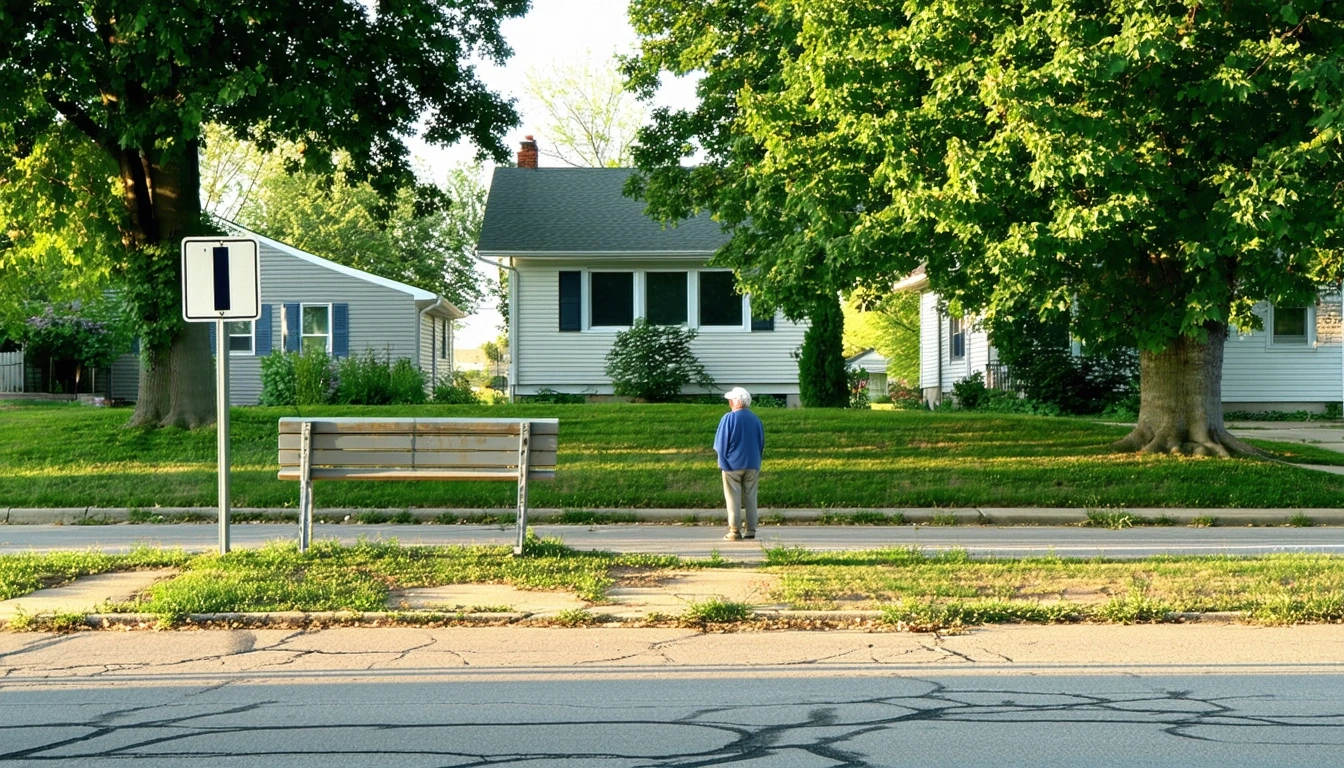
What You’ll Spend on Transit in Raytown
In Raytown, a standard one-way bus fare is $1.50. If you ride regularly, a monthly pass offers better value at $50 for unlimited trips. Reduced fares are available for students, seniors, and riders with disabilities.
With a cost of living index of 89.7, expenses in Raytown trend below the national average. This extends to transportation, with transit costs lower than in many similarly-sized cities. Still, budgeting for monthly expenses is key to keeping commuting affordable.
Transit Options in Raytown
The Kansas City Area Transportation Authority (KCATA) operates several bus routes through Raytown, connecting to downtown Kansas City and other suburbs. Key options include:
- Local routes 75, 99, and 101 serving central Raytown
- Express routes 28X and 75X with limited stops to downtown KC
- MetroFlex microtransit for on-demand rides within Raytown
Raytown does not have direct light rail service. Most commuters rely on buses or park & ride lots to connect to the regional transit network.
Monthly Cost Breakdown
| Rider Profile | Monthly Transit Costs |
|---|---|
| Weekday commuter (5 days/week) | $50 monthly pass |
| Weekend rider (8 trips/month) | $12 ($1.50 per trip) |
| Car commuting (15 miles each way) | $120+ in gas alone* |
*Based on $3.50/gallon and 25 MPG. Actual costs vary with gas prices, vehicle efficiency, and parking.
Is Transit Worth It in Raytown?
For many Raytown residents, public transportation offers an affordable alternative to driving. The average bus commute is around 35 minutes, compared to 25 minutes by car. However, this gap widens during peak times due to traffic congestion.
Homes near major bus routes, like those along Blue Ridge Blvd, often have better transit access. But service may be less frequent in outlying areas, so consider the transportation costs in your monthly budget when choosing where to live.
Ways to Save on Transit
KCATA provides several discount programs to make fares more affordable:
- Reduced fares for seniors (65+), riders with disabilities, and Medicare recipients
- Free rides for children under 5
- Half-price passes for students and teens
🏆 Pro tip: Purchasing a monthly pass instead of paying per ride can save frequent commuters 30% or more.
FAQs About Transit in Raytown
What’s the cheapest way to get around Raytown?
For occasional trips, walking or biking is most affordable. If you ride transit often, a $50 monthly bus pass offers the best value.
How much do Raytown commuters typically spend on transit each month?
Assuming 40 trips per month (5 round trips per week), most commuters spend around $50-$60 on bus fare. Driving costs vary but typically exceed $120/month in gas alone.
Does Raytown have park & ride lots for commuters?
Yes, park & ride lots are available at several major intersections and shopping centers. Parking is free for KCATA riders.
Is public transit a reliable option for commuting in Raytown?
While buses are generally dependable, routes and schedules may vary. Riders should plan for extra time, especially during rush hour. Transit is most convenient in central Raytown near major routes.
Getting Around Smarter in Raytown
For many Raytown residents, public transportation offers an affordable way to get around. Expect to budget $50-$60 per month if you commute by bus daily. Occasional riders can save by paying per trip.
As you weigh housing and transportation costs, consider transit access as well as your lifestyle needs. While the bus may take a bit longer, it’s often cheaper than battling traffic yourself. With smart planning, you can keep your commute reliable and affordable.