
Raymore, MO vs. Belton, MO: Cost of Living Comparison (2025)
When it comes to affordable suburbs in the Kansas City metro area, Raymore and Belton often top the list for relocating families and young professionals. But which city ultimately offers the lower cost of living in 2025? As two growing communities on the Missouri side of the state line, Raymore and Belton share many similarities – but a closer look reveals some key differences in housing costs, utilities, and lifestyle factors that can impact your monthly budget.
For homebuyers and renters looking to balance space, amenities, and affordability, comparing expenses between these two cities is a smart move. Will the more established Raymore deliver better value, or will up-and-coming Belton prove more budget-friendly? Let’s dive into the data to see which suburb comes out ahead in 2025.
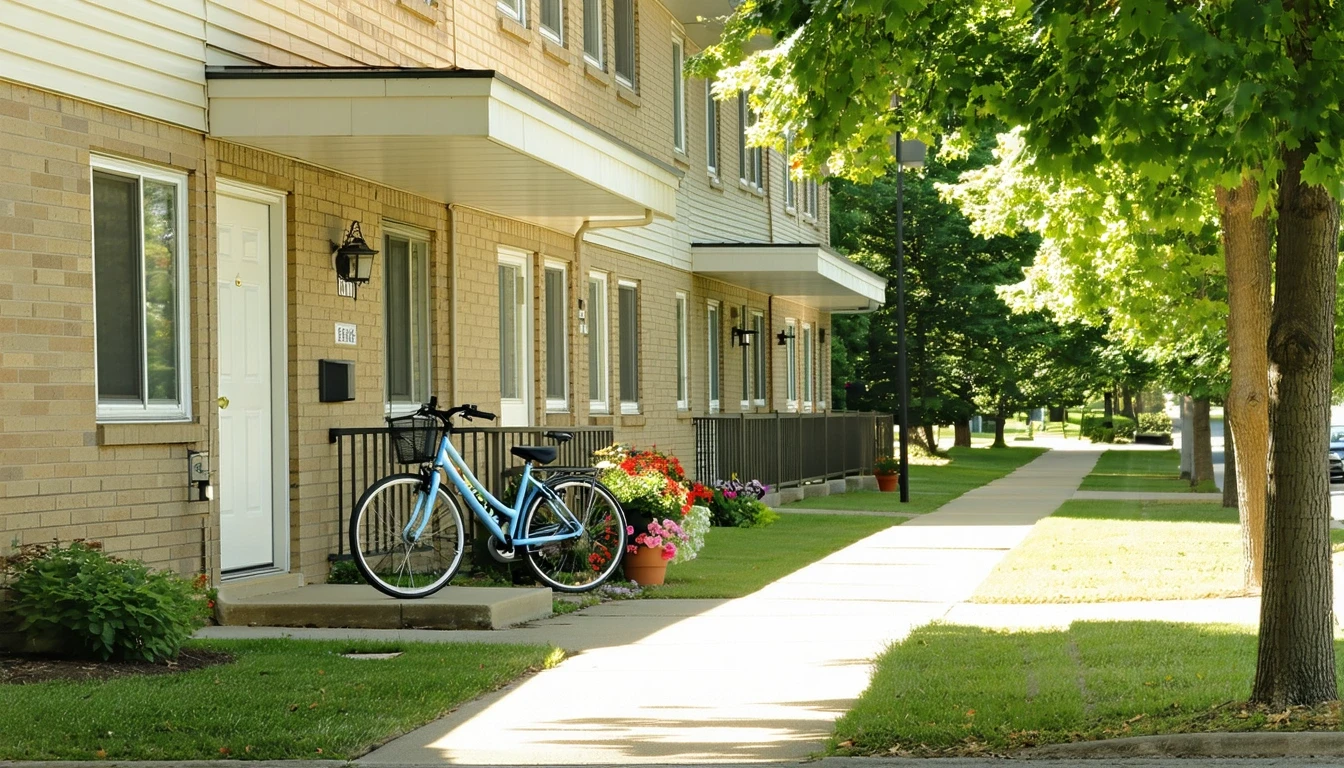
Housing Costs
Housing is typically the biggest line item in any household budget, so housing costs are a crucial factor when comparing Raymore and Belton. In 2025, the median home price in Raymore hovers around $275,000 for a single-family home, while Belton’s median sits slightly lower at $255,000. For renters, a mid-range 2-bedroom apartment runs about $1,100 per month in Raymore compared to $1,000 in Belton.
However, availability can impact those base prices. Raymore’s well-established neighborhoods and newer construction tend to have lower vacancy rates, which can drive up costs. Belton, with more starter homes and a growing supply of apartments, may offer more options at lower price points. But both cities have seen rising home values and rents in recent years as the Kansas City market has boomed.
| Housing Type | Raymore | Belton |
|---|---|---|
| Median Home Price | $275,000 | $255,000 |
| 2BR Apartment Rent | $1,100 | $1,000 |
| 3BR House Rent | $1,500 | $1,350 |
For a family prioritizing space, Raymore’s larger homes and lots may be worth the premium. Young professionals or small families may find Belton’s compact, affordable options a better fit. Belton takes a slight lead on overall housing costs, but the right choice depends on your specific housing needs and budget.
Housing Winner: Belton
Utilities and Energy Costs
Utility costs are the next big factor in the Raymore vs. Belton showdown. Both cities have similar climates, so heating and cooling needs are comparable – but home size and age can shift those costs.
In Raymore, where homes are a bit larger and newer on average, residents often report lower utility bills thanks to better insulation and energy-efficient features. A typical family in a 3-bedroom Raymore home might spend around $200 per month on electricity and gas. In Belton, with its older housing stock, that same size family could pay closer to $225 monthly as older HVAC systems work harder.
Both cities offer cost-saving programs, like free energy audits and rebates on efficient appliances, but Raymore’s newer homes give it an edge. Smaller households in 1-2 bedroom apartments see less of a difference, with bills landing around $100-$150 per month in either city.
Utilities Winner: Raymore
Groceries and Daily Expenses

When it comes to feeding the family and stocking up on daily essentials, Raymore and Belton run neck-and-neck. Both cities have a solid mix of major grocery chains, discount stores, and local markets where shoppers can find deals. Prices on staple goods like milk, bread, and eggs are nearly identical.
Eating out is also comparable, with fast-casual spots, local eateries, and chain restaurants available at similar price points. A meal for two might run $30-$40 at a mid-range restaurant in either city. However, Raymore’s larger commercial districts mean a bit more variety in dining and shopping options overall.
For a typical family of four, groceries and household goods will likely cost around $800-$1000 per month in either Raymore or Belton. Singles and couples can expect to spend proportionately less. While Raymore may offer a few more options, the cost of feeding the family is essentially a toss-up between the two cities.
Groceries Winner: Tie
Taxes and Fees
Taxes and municipal fees can add up, and here’s where some nuanced differences emerge between Raymore and Belton. Both cities collect a 1% local sales tax on top of the state and county rates, so consumers will pay the same 7.6% on purchases in either place.
Property taxes, however, give Belton a slight advantage. The city’s average effective property tax rate is 1.2%, compared to Raymore’s 1.4%. For a $250,000 home, that’s a difference of about $500 per year. Of course, with Raymore’s higher home values, that can compound to a larger dollar amount for owners.
In terms of municipal fees, Raymore and Belton charge similar amounts for utilities like water, sewer, and trash. Both cities also have some neighborhoods with HOA fees, though Raymore has more. Belton takes the lead on taxes and fees, but the impact on renters is minimal compared to homeowners.
Taxes and Fees Winner: Belton
Cost Summary Table
| Expense Category | Raymore | Belton |
|---|---|---|
| Housing (Mortgage/Rent) | $1,500 | $1,350 |
| Utilities | $200 | $225 |
| Groceries and Household | $900 | $900 |
| Transportation | $300 | $300 |
| Taxes (Property/Sales) | $600 | $550 |
| Miscellaneous | $500 | $500 |
| Estimated Monthly Total | $4,000 | $3,825 |
These estimates reflect 2025 costs for a mid-size 3-person household living in a typical 3-bedroom home, using published regional data and local price benchmarks. Actual expenses will vary with household size, housing type, lifestyle, and neighborhood.
Based on these projections, a family living in Belton could save around $175 per month, or $2,100 per year, compared to living in Raymore. The biggest drivers are lower housing and tax costs. However, for some households, Raymore’s newer homes and expanded amenities could be worth the moderate premium.
Lifestyle Fit
Lifestyle factors can influence cost of living in subtle ways, and Raymore and Belton each offer distinct perks. Raymore is known for its strong sense of community, with abundant parks, sports leagues, and family-friendly events. It also boasts slightly shorter commute times to major job centers like Downtown Kansas City.
Belton, while smaller, is growing rapidly and attracting new businesses and amenities. It offers a quaint, historic downtown with local shops and eateries, plus easy access to outdoor recreation at nearby lakes and trails. Newer apartment complexes are walkable to key services.
Both cities are served by the Raymore-Peculiar School District, so families don’t have to factor in education quality. But Raymore’s larger commercial areas could mean lower transportation costs for errands and entertainment. Conversely, Belton’s lower density and proximity to nature may appeal to those seeking a quieter lifestyle.
Raymore Quick Facts:
– Average commute time: 25 minutes
– Walk Score: 20 (Car-Dependent)
– Parks per capita: 12 per 10,000 residents
Belton Quick Facts:
– Average commute time: 28 minutes
– Walk Score: 28 (Car-Dependent)
– Parks per capita: 8 per 10,000 residents
Ultimately, the lifestyle differences between Raymore and Belton are moderate – both offer a suburban experience with some walkable pockets and plenty of community amenities. The choice will come down to individual priorities and preferences.
Frequently Asked Questions
Is Raymore more affordable than Belton in 2025?
Based on 2025 cost projections, Belton offers a slightly lower overall cost of living compared to Raymore, primarily due to lower housing costs and property taxes. However, the difference is modest, and Raymore offers some advantages in terms of newer housing stock and amenities that may appeal to some households.
How do utility costs compare between Raymore and Belton?
Utility costs are very similar in Raymore and Belton due to their shared climate and providers. However, Raymore’s newer homes may offer slightly better energy efficiency, translating to lower bills. A typical family might spend $200 per month on utilities in Raymore compared to $225 in Belton.
Are property taxes higher in Belton than in Raymore?
No, property tax rates are actually slightly lower in Belton. The average effective property tax rate in Belton is 1.2%, compared to 1.4% in Raymore as of 2025. For a home valued at $250,000, that equates to about $500 in annual savings for Belton homeowners.
What is the average monthly cost of living for a family of four in Raymore vs. Belton?
According to 2025 estimates, a typical family of four can expect to spend around $4,000 per month living in Raymore, compared to $3,825 per month in Belton. This factors in housing, utilities, groceries, transportation, taxes, and miscellaneous expenses. However, actual costs will depend on the specific neighborhood, housing type, and lifestyle choices.
Is Raymore considered a better value for homebuyers compared to Belton?
It depends on your priorities. Raymore’s higher home prices are offset by its newer housing stock, abundant amenities, and sense of community. For buyers who value those features and don’t mind paying a bit of a premium, Raymore can be an excellent value. However, budget-conscious buyers will likely find better deals and a lower tax burden in Belton.
Conclusion
Raymore and Belton both offer an affordable suburban lifestyle on the Missouri side of the Kansas City metro, but Belton edges out Raymore in terms of overall cost of living for 2025. Lower housing costs, property taxes, and utility bills give Belton a modest advantage, especially for budget-conscious households.
However, Raymore’s newer homes, strong community spirit, and abundant amenities will still be worth the premium for many families and professionals. Ultimately, the choice between these two cities will come down to your specific housing needs, lifestyle priorities, and budget. But with a cost of living below the national average, both Raymore and Belton offer compelling value in the Kansas City area.
Eager to dig deeper into the data? Check out our detailed guides on average monthly expenses in Raymore and overall cost of living in Raymore to help plan your budget and make an informed decision. And if a move is in your future, our comparison of moving options can help you weigh the pros and cons of hiring movers or going the DIY route. With the right information and preparation, you can find the perfect affordable hometown in the Kansas City area.