
Raymore is considered relatively affordable in 2025, with average rent for a 2-bedroom apartment at $1,500 per month and overall living costs slightly below the national average.
In 2025, a family of four in Raymore typically needs a gross monthly income of around $6,500 to live comfortably, while a single adult’s monthly budget averages $3,200. The largest expenses are housing, groceries, and transportation.
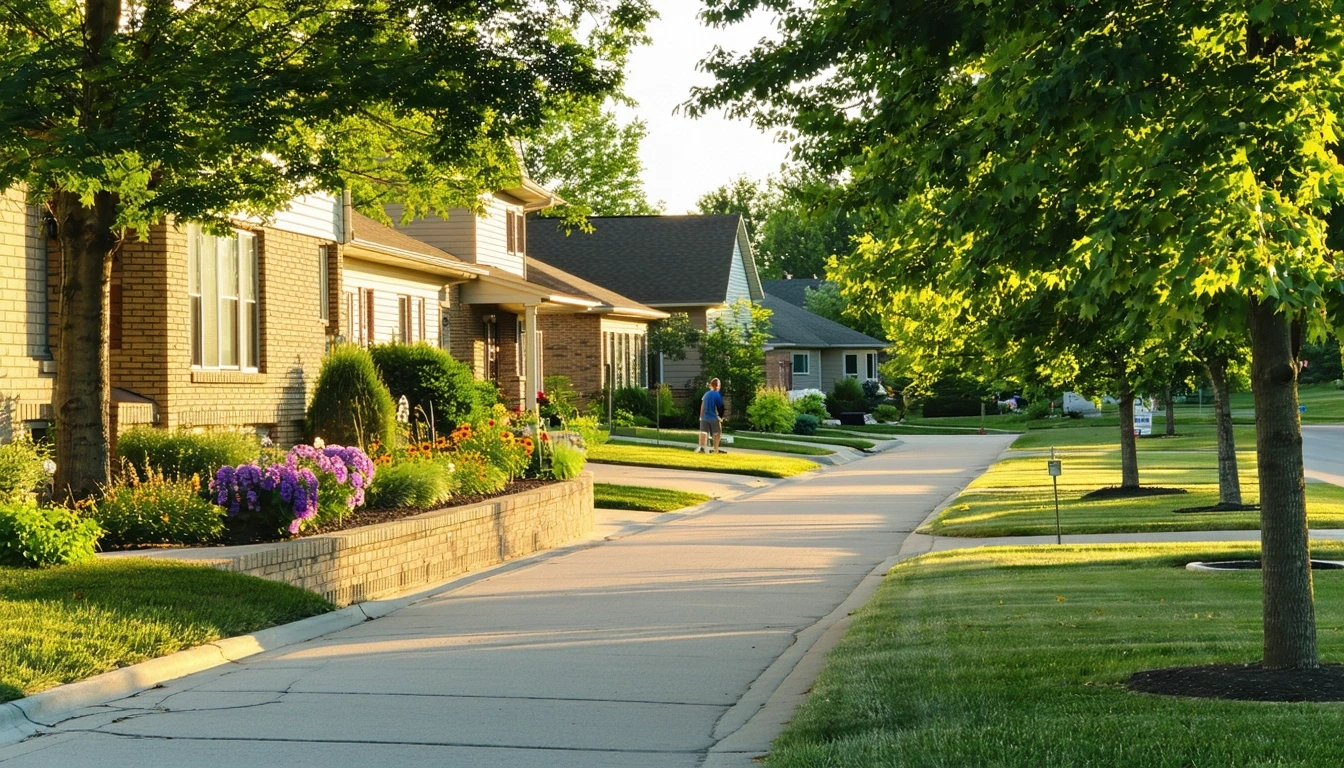
Housing Costs in Raymore
Housing is the biggest factor in the cost of living in Raymore. Rent for a typical 2-bedroom apartment averages $1,500 per month as of 2025. Buying a home is also relatively affordable, with the median price for a 3-bedroom house around $350,000.
Prices and rents vary by neighborhood. Newer developments on the edges of Raymore tend to have higher housing costs but also more space and amenities. Older neighborhoods closer to the town center offer more affordable options.
| Neighborhood | Avg 2BR Rent | Median 3BR Home Price |
|---|---|---|
| Creekmoor | $1,700 | $380,000 |
| Foxridge | $1,400 | $320,000 |
| Typical Range | $1,300 – $1,800 | $300,000 – $400,000 |
Most neighborhoods in Raymore are governed by homeowners associations (HOAs). Monthly HOA fees typically range from $50 to $200 and cover community amenities and services. Renters should confirm if utilities or other costs are included in their lease.
Utility Bills in Raymore
Utility costs in Raymore are close to the national average. Residents can expect to pay around $200 per month for a combination of electricity, natural gas, water, and trash service.
| Utility | Avg Monthly Cost |
|---|---|
| Electricity | $110 |
| Natural Gas | $50 |
| Water + Trash | $40 |
Electricity costs peak in the summer months due to air conditioning. Choosing an energy-efficient apartment or home can help manage utility expenses. Some Raymore neighborhoods also have community solar programs that provide renewable energy options.
Groceries and Food Costs
Groceries for a single adult in Raymore run around $400 per month, while a couple averages $700 monthly. Buying in bulk at stores like Costco or Sam’s Club is popular for families. Here’s what a typical grocery basket might cost:
| Item | Price |
|---|---|
| Milk (1 gal) | $3.50 |
| Bread (1 loaf) | $2.50 |
| Eggs (1 doz) | $2.00 |
| Chicken Breast (1 lb) | $4.00 |
| Apples (1 lb) | $2.00 |
Dining out is a popular option, especially along the Route 58 corridor. A meal at a casual restaurant averages $20 per person, while fast food runs closer to $10. Cooking most meals at home is still the most affordable choice.
Taxes and Fees in Raymore
Raymore’s property tax rate is 1.2% of assessed home value. For a $350,000 house, that equates to $4,200 per year or $350 per month. The sales tax rate is 7.6%, which applies to most goods except groceries and prescription drugs.
Additional fees and hidden costs to budget for include:
- Annual vehicle registration fees ($50+)
- Parking permits in some neighborhoods ($20-50/year)
- Pet licensing fees ($10-20/year)
- Homeowners or renters insurance ($50-100/month)
Monthly Budget Summary
Here’s a high-level budget summary for three common household types in Raymore. Note that all figures are expressed as gross monthly income (pre-tax) and are estimates for 2025.
| Expense | Single Adult | Couple | Family of 4 |
|---|---|---|---|
| Housing (Rent/Mortgage) | $1,500 | $1,800 | $2,200 |
| Utilities | $150 | $200 | $300 |
| Groceries | $400 | $700 | $1,200 |
| Transportation | $300 | $500 | $800 |
| Taxes & Fees | $400 | $600 | $900 |
| Miscellaneous | $450 | $700 | $1,100 |
| Total Monthly Income Needed | $3,200 | $4,500 | $6,500 |
Methodology: These 2025 estimates for Raymore draw on publicly available national and regional sources including the U.S. Census Bureau, Bureau of Economic Analysis (BEA), Bureau of Labor Statistics (BLS), and Federal Reserve Economic Data (FRED). Where city-specific figures are unavailable, safe regional ranges are applied (e.g., typical 2BR rents, grocery costs per adult). All amounts are expressed as gross monthly income (pre-tax) and rounded to whole dollars. Actual expenses vary by household size, lifestyle, and neighborhood choice.
Lifestyle Factors in Raymore
Raymore offers a mix of suburban convenience and small-town charm. Most neighborhoods are a short drive from grocery stores, parks, and the town center. Commute times for those working in Kansas City average 30 minutes each way.
Housing options range from cozy postwar bungalows to spacious new construction. While prices rise the further you get from the town center, many residents feel the extra space is worth the tradeoff.
Raymore’s highly rated school district and family-friendly amenities make it popular with households who value education and community. Careful budgeting allows most residents to enjoy a comfortable lifestyle.
Frequently Asked Questions
Is Raymore more affordable than nearby Overland Park, KS?
While exact costs vary by neighborhood, Raymore tends to be slightly more affordable than Overland Park, especially when it comes to housing. Raymore’s median home price is about 10% lower.
What is a realistic monthly budget for a couple in Raymore?
A couple in Raymore should plan on a minimum monthly gross income of $4,500 to cover housing, groceries, utilities, and basic living expenses. Dining out and entertainment are extra.
Do utilities cost more in Raymore than other Kansas City suburbs?
Utility costs in Raymore are on par with other suburbs in the Kansas City metro area. Electricity costs may be slightly lower than in dense urban areas.
How much does a family of four typically pay for groceries in Raymore?
A family of four in Raymore should budget at least $1,200 per month for groceries. This assumes most meals are cooked at home and some bulk shopping at warehouse stores.
Are property taxes higher in Raymore or Lee’s Summit?
As of 2025, property tax rates are nearly identical between Raymore and Lee’s Summit. Both cities have rates around 1.2% of assessed home value.
What salary do you need to live comfortably in Raymore?
To live comfortably in Raymore, a household needs a gross annual income of at least $60,000 for a couple or $80,000 for a family of four. This factors in housing, food, healthcare, and savings.