
Portland’s housing market in 2025 reflects a city where strong urban amenities—walkable neighborhoods, rail transit access, and integrated parks—concentrate demand in areas with limited supply. The median home value sits at $523,100, while median gross rent reaches $1,530 per month. With a regional price level 25% above the national baseline, housing costs here aren’t just about the sticker price; they’re about ongoing exposure to taxes, maintenance, and utilities on expensive assets, and about whether the structure of daily life reduces or amplifies other costs.
Understanding what shapes the cost of living in Portland means recognizing that housing decisions ripple outward. Choosing a location near rail transit or within walking distance of grocery stores can reduce transportation expenses, but those same features often drive up rent and home prices. This article explains how housing costs behave in Portland, what renters and owners face over time, and which tradeoffs matter most depending on how you live.
The Housing Market in Portland Today
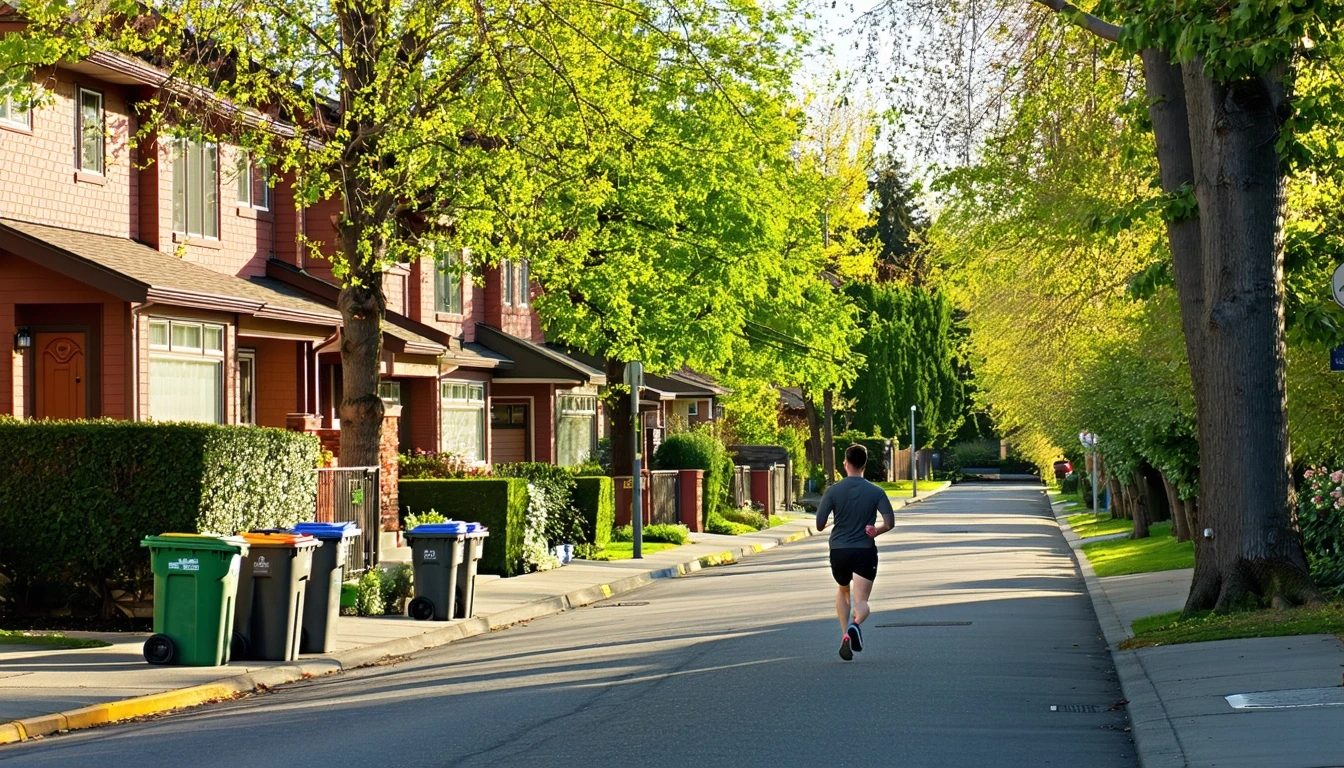
Portland’s housing market is defined by the tension between desirable urban infrastructure and constrained supply. The city’s pedestrian-to-road ratio exceeds high thresholds in many areas, meaning substantial sidewalk networks, crosswalks, and pedestrian pathways exist relative to car infrastructure. Rail transit service is present, and food and grocery establishment density exceeds high thresholds, making daily errands accessible without a car in many neighborhoods. Park density is similarly high, with green space woven throughout the city.
These features attract households seeking walkable, transit-oriented living, but the building stock remains predominantly low-rise, limiting how quickly supply can expand to meet demand. The result is upward pressure on both rental and ownership costs, particularly in neighborhoods where you can genuinely reduce car dependence. Newcomers often underestimate how much Portland’s walkability and transit access are capitalized into housing prices—these aren’t just lifestyle perks, they’re cost drivers that also happen to reduce expenses elsewhere.
The median household income of $85,876 per year provides context for affordability, but income alone doesn’t determine fit. What matters more is whether your household can leverage Portland’s infrastructure to lower transportation costs, whether you value proximity to parks and schools enough to accept higher housing expenses, and whether you’re positioned to absorb the volatility that comes with ownership in a high-value market.
Renting in Portland
At $1,530 per month for median gross rent, Portland’s rental market reflects both regional price levels and the premium placed on access. Renters in neighborhoods with rail stations, high grocery density, and walkable street networks face the steepest costs, but they also gain the ability to reduce or eliminate car ownership. For a household that would otherwise spend heavily on gas, parking, and vehicle maintenance, the rent premium in a transit-served area can be offset by transportation savings.
Rental costs in Portland are predictable month-to-month but subject to lease renewal increases that track with demand. Because the city’s low-rise building character limits new apartment supply in the most desirable areas, renters in walkable neighborhoods face persistent upward pressure. Moving farther from transit and amenity clusters can lower rent, but it typically requires a car, shifting costs from housing to transportation.
Renters also avoid exposure to property taxes, major maintenance events, and the insurance volatility that comes with owning a high-value asset. For households prioritizing flexibility, uncertain about long-term plans, or unable to meet the down payment threshold for a $523,100 home, renting offers a way to access Portland’s infrastructure without the capital commitment or ongoing ownership risk.
Owning a Home in Portland
Ownership in Portland means acquiring an expensive asset in a market where home values are 25% above the national baseline. At a median of $523,100, the entry barrier is significant, but ownership also locks in the principal portion of housing costs, providing insulation from rent increases. What remains variable—and often underestimated—is the exposure to property taxes, homeowners insurance, and maintenance on a high-value property.
Property taxes in Portland are assessed on home values, so a $523,100 house generates a larger annual tax bill than a similarly sized home in a lower-cost market. Tax rates and assessment rules vary, but the principle holds: higher home values mean higher ongoing tax exposure, and that exposure grows if property values continue to rise. Insurance costs similarly reflect replacement value, and older housing stock—common in Portland’s established neighborhoods—can require more frequent and expensive maintenance than newer builds.
Ownership also brings governance exposure. Homeowners associations, when present, can add monthly fees and impose rules on property use. Even without an HOA, single-family homeowners bear full responsibility for roof repairs, HVAC replacement, and landscaping—costs that apartment renters never see. In Portland’s climate, with wet winters and moderate summers, exterior maintenance (siding, gutters, drainage) demands regular attention to prevent water damage.
For households planning to stay long-term, ownership offers control and the possibility of building equity. For those uncertain about duration, the combination of high entry costs and ongoing volatility makes ownership a larger gamble than in markets with lower home values and more predictable tax environments.
Apartment vs House in Portland — Cost Behavior Comparison
| Expense Category | Apartment | House |
|---|---|---|
| Heating & Cooling | Lower exposure; smaller conditioned space, shared walls reduce heat loss | Higher exposure; larger footprint, standalone structure increases heating demand in wet, cool winters |
| Water & Sewer | Often included in rent or billed collectively; lower per-unit variance | Billed individually; irrigation, larger lot size, and outdoor maintenance increase usage |
| Exterior Maintenance | Managed by landlord or HOA; renter/owner avoids direct labor and material costs | Full owner responsibility; wet climate requires regular gutter cleaning, siding inspection, drainage management |
| Property Tax Exposure | Indirect (landlord pays, may pass through via rent increases) | Direct; assessed on $523,100 median value, grows with home value changes |
| Access to Transit & Walkability | Apartments cluster near rail stations and high-amenity corridors; easier to avoid car dependency | Single-family homes more dispersed; walkable house locations command premium, less common |
Why these categories? Portland’s wet winters and moderate summers make heating the dominant utility expense, and standalone houses face higher exposure than apartments with shared walls. The city’s transit and walkability infrastructure is unevenly distributed, with apartments more likely to be located in areas where car ownership is optional. Exterior maintenance is a meaningful differentiator due to the climate’s effect on siding, roofs, and drainage systems. Property tax exposure is direct for homeowners and tied to Portland’s above-baseline home values.
Categories like basic electricity or internet service were excluded because they don’t vary meaningfully by housing type in Portland. The table focuses on costs that behave differently depending on structure, location, and ownership model.
Utilities & Upkeep Differences
Portland’s climate—characterized by wet, cool winters and mild, dry summers—shapes utility and maintenance costs in ways that differ by housing type. Heating dominates the utility calendar, and houses, with larger floor plans and standalone construction, face noticeably higher heating exposure than apartments. At 14.66¢/kWh for electricity and $15.37/MCF for natural gas, the cost per unit is moderate, but the volume of energy required to heat a detached home through a Portland winter adds up.
Apartments benefit from shared walls and smaller conditioned spaces, which reduce heat loss and lower heating bills. Many apartment buildings also centralize heating systems, spreading efficiency gains across units. Cooling costs remain minor for both housing types, as Portland’s summer heat is manageable and extended air conditioning use is rare.
Maintenance exposure in Portland is driven by moisture. The region’s wet season demands vigilant gutter cleaning, roof inspection, and drainage management to prevent water intrusion. Houses bear this burden entirely, and older homes—common in Portland’s established neighborhoods—often require more frequent intervention. Apartments shift this responsibility to landlords or HOAs, insulating renters and some condo owners from both the cost and the logistical burden.
For homeowners, the combination of an expensive asset and a climate that stresses exteriors means maintenance isn’t optional—it’s a recurring cost that grows with the size and age of the property. Apartment dwellers avoid this exposure, though they may face rent increases that indirectly reflect the landlord’s maintenance costs.
Rent vs Buy: Long-Term Exposure in Portland
The decision between renting and buying in Portland isn’t primarily about monthly payment math—it’s about which risks and tradeoffs you’re willing to accept over time. Renters face the possibility of rent increases at lease renewal, but they avoid property tax volatility, maintenance surprises, and the capital risk of owning a $523,100 asset in a market where values can shift. Owners lock in their principal cost and build equity, but they accept direct exposure to taxes, insurance, and upkeep on an expensive property.
Portland’s housing market rewards long-term ownership when home values appreciate, but that appreciation also drives up property taxes and insurance premiums, creating a rising floor of non-discretionary costs. Renters don’t benefit from appreciation, but they also don’t absorb the downside if values stagnate or decline. For households planning to stay a decade or more, ownership offers control and the chance to stabilize the largest component of monthly spending in Portland. For those with shorter horizons, renting avoids the transaction costs and capital risk of buying and selling in a high-value market.
The structure of Portland’s amenities—walkable neighborhoods, rail transit, integrated parks—adds another layer. Renters in transit-served areas can access these features without the capital commitment of ownership, making it easier to adapt if circumstances change. Owners in the same areas pay a premium upfront but gain stability and the ability to leverage walkability and transit access to reduce transportation costs indefinitely.
Neither path is universally better. Renting offers flexibility and predictability within each lease term, while ownership offers control and equity accumulation at the cost of higher volatility and responsibility. The right choice depends on how long you plan to stay, whether you can meet the down payment threshold, and how much risk you’re willing to carry in exchange for potential long-term gain.
FAQs About Housing Costs in Portland
What is the median home value in Portland, OR?
The median home value in Portland is $523,100, reflecting both the city’s regional price level—25% above the national baseline—and the premium placed on neighborhoods with walkable infrastructure, rail transit access, and proximity to parks and amenities.
How much does it cost to rent in Portland?
Median gross rent in Portland is $1,530 per month. Rent varies by neighborhood, with the highest costs in areas near rail stations and within walking distance of grocery stores, restaurants, and parks. Renters in these areas often reduce or eliminate car ownership, offsetting some of the housing premium through lower transportation costs.
Are property taxes high in Portland?
Property taxes in Portland are assessed on home values, so a median home value of $523,100 generates a larger tax bill than a similarly sized home in a lower-cost market. Tax rates and assessment rules vary, but the principle holds: higher home values mean higher ongoing tax exposure, and that exposure grows if property values rise over time.
Is it better to rent or buy in Portland?
The answer depends on your timeline, capital position, and risk tolerance. Buying locks in your principal housing cost and builds equity, but it exposes you to property taxes, maintenance, and insurance on a high-value asset. Renting offers flexibility and avoids ownership volatility, but you don’t benefit from appreciation and remain subject to rent increases at lease renewal. Long-term residents with stable plans and sufficient down payment capital often favor ownership; those with shorter horizons or less certainty benefit from renting.
Do apartments or houses cost more to maintain in Portland?
Houses cost more to maintain in Portland due to larger size, standalone construction, and full owner responsibility for exterior upkeep. The city’s wet winters demand regular gutter cleaning, roof inspection, and drainage management to prevent water damage. Apartments shift most maintenance responsibility to landlords or HOAs, and their smaller footprints and shared walls reduce heating and utility costs.
Making Housing Choices in Portland
Housing costs in Portland are shaped by the intersection of high home values, strong urban infrastructure, and limited low-rise supply. Renters pay a premium to access walkable neighborhoods and rail transit but avoid the capital commitment and ongoing volatility of ownership. Owners accept higher entry costs and exposure to taxes and maintenance in exchange for stability, control, and the possibility of equity growth.
The households that fit best in Portland’s housing market are those who can leverage the city’s infrastructure to reduce costs elsewhere—car-free or car-light households in transit-served areas, families who value proximity to schools and parks, and long-term residents willing to absorb ownership risk for the sake of predictability. Those who struggle are households unable to meet the down payment threshold, renters in high-demand areas facing persistent rent pressure, and owners surprised by the ongoing cost of maintaining an expensive asset in a wet climate.
Portland’s housing market isn’t forgiving to those who underestimate the interplay between location, infrastructure, and cost. But for households who understand the tradeoffs—who recognize that walkability and transit access are capitalized into prices, that ownership brings both control and volatility, and that housing decisions shape transportation and lifestyle costs—the city offers a clear, if expensive, value proposition.
How this article was built: In addition to public economic data, this article incorporates location-based experiential signals derived from anonymized geographic patterns—such as access density, walkability, and land-use mix—to reflect how day-to-day living actually feels in Portland, OR.