
Megan, a sophomore at Temple University, is comparing housing costs in Philadelphia as she decides whether to live on or off campus next year. “I love being close to my classes, but I’m wondering if I can find a more affordable place with a little more space,” she ponders, browsing rental listings in popular student neighborhoods like University City and Fishtown.
Like many college students, Megan is drawn to Philadelphia for its unique blend of academic opportunity, big-city amenities, and relative affordability compared to other Northeast hubs. But is it the right fit for her college years? This guide explores the key factors that make Philadelphia an attractive option for student living, from housing and transportation to monthly budgets and social opportunities. We give Philadelphia an overall student-friendliness score of 82 out of 100, thanks to its robust academic scene, walkable layout, and lower costs than cities like New York or Boston.
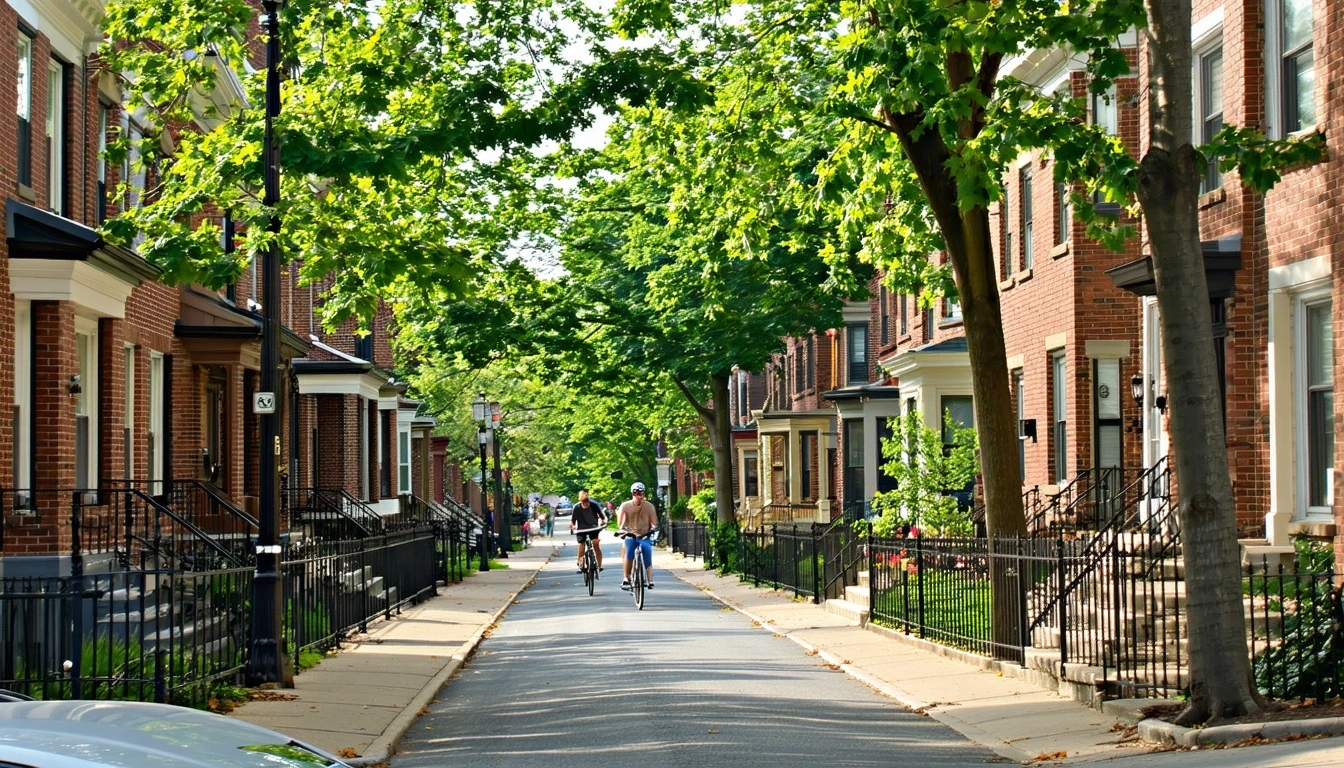
Housing Options for Students in Philadelphia
Philadelphia offers a range of housing choices for its large student population. Many freshmen and sophomores opt for on-campus residence halls or affiliated apartment complexes, which typically cost between $800-1,200 per month including utilities and are conveniently located near academic buildings and student services.
For those seeking more independence and potentially lower costs, Philadelphia’s off-campus rental market features numerous student-friendly options. Shared houses and apartments in neighborhoods like University City, Fishtown, and East Passyunk offer proximity to campus for $600-900 per month per bedroom, often with amenities like in-unit laundry and included utilities. Students can find roommates through online platforms or university message boards.
Purpose-built student apartment complexes are another popular choice, with rents ranging from $1,000-1,600 per month for studio to 2-bedroom units. These properties often include furnishings, 24/7 security, study lounges, fitness centers, and social events to create an all-inclusive student living experience within walking or biking distance of campus.
Getting Around: Transportation and Campus Access
Philadelphia’s comprehensive public transit system and compact layout make it easy for students to get around without a car. The SEPTA network of buses, trolleys, and subways provides extensive coverage across the city, with student discounts available. A monthly SEPTA pass costs around $100, offering unlimited rides on all transit modes.
Many Philadelphia campuses and student housing areas are also highly walkable and bikeable, with infrastructure like dedicated bike lanes, wide sidewalks, and ample Indego bike share stations. Students often find that living within a 1-2 mile radius of campus allows them to walk, bike, or take a quick bus ride to most daily destinations.
For those who prefer driving, Philadelphia offers student parking permits for around $200-400 per semester, although competition for on-street parking in dense areas can be high. Ride-sharing services like Uber and Lyft are also widely available, with fares averaging $10-20 for trips within the city.
Student Cost of Living in Philadelphia
Philadelphia’s cost of living is relatively affordable compared to other major Northeast cities, making it an attractive option for budget-conscious students. Here’s a breakdown of typical monthly expenses:
| Expense Category | Shared Housing | Solo Apartment |
|---|---|---|
| Housing (rent, utilities) | $600 – $900 | $1,000 – $1,600 |
| Food (groceries, dining out) | $300 – $500 | $400 – $600 |
| Transportation (SEPTA pass) | $100 | $100 |
| Textbooks and supplies | $100 – $200 | $100 – $200 |
| Entertainment and socializing | $150 – $300 | $200 – $400 |
| Personal care and misc. | $150 – $250 | $200 – $300 |
| Monthly Total | $1,400 – $2,250 | $2,000 – $3,200 |
Estimates based on average student spending patterns and local costs in Philadelphia. Individual budgets may vary.
To offset expenses, many students take advantage of part-time job opportunities on and off campus. Work-study positions, paid internships, and service industry jobs typically pay between $7.25-15 per hour, allowing students to earn spending money or save up for future costs.
Student-Friendly Amenities and Services in Philadelphia
Philadelphia caters to its student population with a variety of amenities and resources to support academic success and personal wellbeing:
- Numerous coffee shops, cafes, and coworking spaces with free Wi-Fi and student discounts
- Public libraries and university study spaces open late for individual or group work
- Gyms, recreation centers, sports leagues, and fitness classes geared toward student budgets and interests
- Student health centers and mental health clinics offering low-cost medical care and counseling services
- Discounted movie tickets, museum passes, and performance admission with student ID
- On-campus and local employers who hire students for part-time, seasonal, and entry-level positions
Social Scene and Nightlife for Students
Philadelphia offers a vibrant social scene for students, with options for every personality and interest. On campus, students can get involved through clubs, intramural sports, Greek life, cultural organizations, and special events like concerts, comedy shows, and movie screenings.
Off campus, popular nightlife districts like Center City, Old City, and Northern Liberties offer a range of bars, clubs, live music venues, and age-appropriate hangouts. Many establishments feature student discounts or 18+ events, and cover charges are generally lower than in larger cities.
For a lower-key scene, students enjoy exploring Philadelphia’s diverse neighborhoods, attending street festivals and flea markets, trying new restaurants and food trucks, or simply hanging out in the city’s many parks and public spaces. Dating apps and social media make it easy to expand one’s circle and meet new friends with shared interests.
Safety and Practical Considerations for Students
While Philadelphia is generally a safe city, students should take common-sense precautions, especially when walking alone at night or in less-familiar areas. Universities offer campus security escorts, emergency call boxes, and self-defense classes to promote student safety.
Philadelphia colleges also provide a range of academic and personal support services to help students thrive. These include tutoring centers, writing labs, career advising, counseling and wellness programs, and diversity and inclusion resources. By taking advantage of these offerings and being proactive about their well-being, students can navigate the challenges of college life with greater resilience and success.
FAQs About Student Living in Philadelphia
What’s the average cost of student living in Philadelphia?
Depending on housing choices and lifestyle, students in Philadelphia spend around $1,400-3,200 per month on rent, food, transportation, and personal expenses. Choosing a shared apartment or house can significantly reduce housing costs compared to living alone.
How safe is it for students to live off-campus in Philadelphia?
While off-campus neighborhoods vary in terms of safety, students can take precautions like choosing well-lit, populated areas, using the buddy system at night, and being aware of their surroundings. Universities often provide safety resources and guidance for off-campus living.
Are there good part-time job opportunities for students in Philadelphia?
Yes, Philadelphia offers many part-time jobs in sectors like retail, food service, education, and healthcare, with hourly wages around $7.25-15. Students can also find work-study positions or paid internships related to their academic interests.
What’s the social scene like for college students in Philadelphia?
Philadelphia has a lively, diverse social scene with many options for college students. From on-campus clubs and events to off-campus nightlife districts, festivals, and cultural attractions, there are ample opportunities to make friends, have fun, and explore personal interests.
Making the Decision: Is Philadelphia Right for Your College Years?
For students seeking an affordable, dynamic city with a strong academic presence, Philadelphia is a compelling choice. With its range of housing options, accessible transportation, student-friendly amenities, and vibrant social scene, the city offers a supportive environment for personal and academic growth.
Of course, every student’s needs and preferences are unique. It’s important to research specific schools, visit campuses and neighborhoods in person if possible, and talk to current students and alumni to get a feel for day-to-day life. By weighing factors like cost of living, academic offerings, career opportunities, and cultural fit, students can make an informed decision about whether Philadelphia is the right place to spend their college years.
For more information on budgeting and expenses, check out our guide to monthly costs of living in Philadelphia.