
“I rely on SEPTA buses and the El to get to work every day,” says Janelle, a longtime Philadelphia resident. “It’s not always perfect, but it’s still cheaper than owning a car in the city.”
For many Philadelphians like Janelle, public transportation is a necessity. But what does it actually cost to ride? In this guide, we’ll break down the latest public transportation costs in Philadelphia for 2025, including fares, passes, and ways to save on your daily commute.
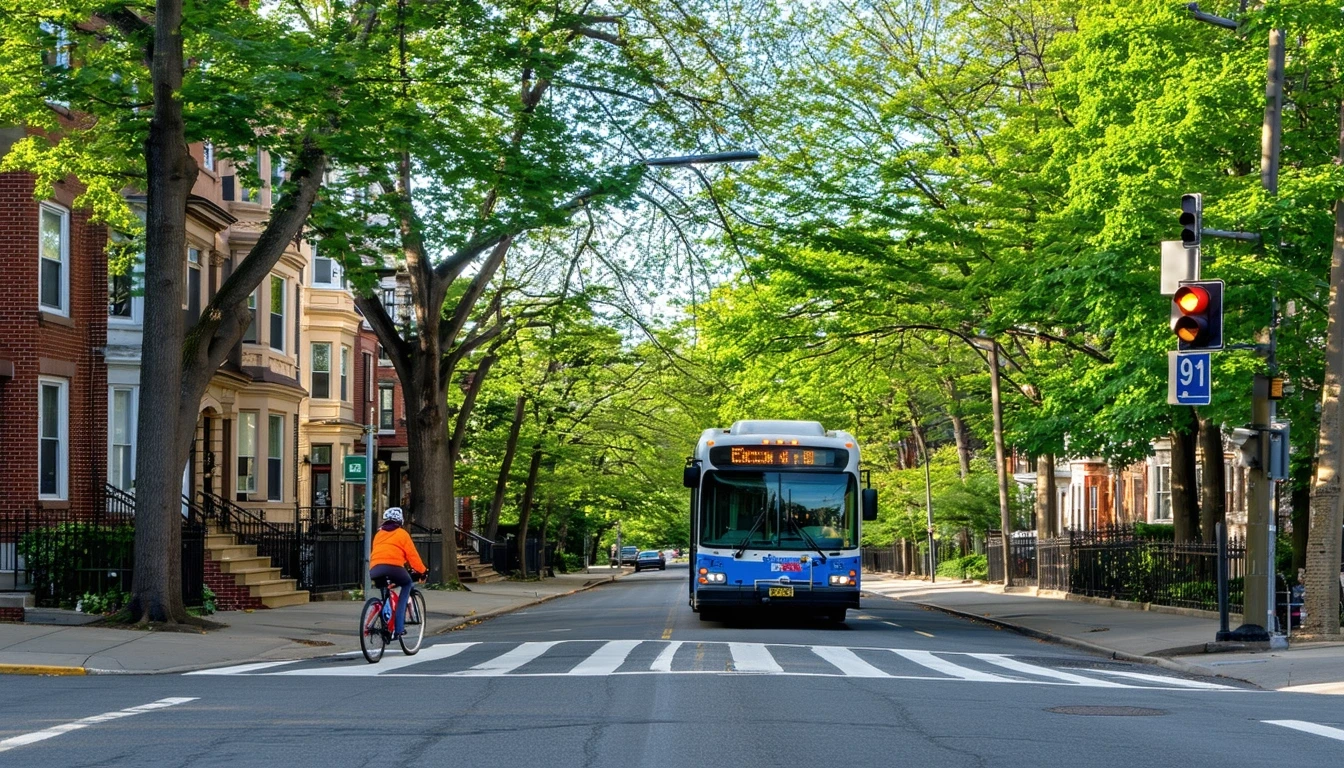
What You’ll Spend on Transit in Philadelphia
As of 2025, a single ride on a SEPTA bus, trolley, or subway (the Market-Frankford and Broad Street lines) costs $2.50 using the SEPTA Key card. Transfers are $1 and valid for up to 90 minutes. A monthly SEPTA Key pass with unlimited rides on transit costs $96.
Regional Rail fares vary by zone, ranging from $3.75 to $9.25 one-way. A monthly TrailPass for Regional Rail starts at $110 (Zone 1) and goes up to $218 (Zone 4). With a cost of living index (COLI) of 101.2, overall living costs in Philadelphia trend slightly above the U.S. average, which often extends to transit and commuting.
Getting Around Philadelphia by Transit
SEPTA (Southeastern Pennsylvania Transportation Authority) operates the majority of public transportation in Philadelphia, including:
- Buses (over 100 routes)
- Trolleys (8 routes)
- Market-Frankford Line (the “El”)
- Broad Street Line subway
- Norristown High Speed Line
- Regional Rail (13 lines serving the suburbs)
The El and Broad Street Line form the core of Philadelphia’s rapid transit system. Buses fill in the gaps, with key routes like the 33 providing crosstown service. Regional Rail is popular with suburban commuters coming into Center City.
Estimating Your Monthly Transit Costs
How much will you actually spend on public transportation each month in Philadelphia? It depends on your commuting habits. Here are a few common scenarios:
| Rider Profile | Commute Costs |
|---|---|
| 5-day a week commuter | $96 (SEPTA Key monthly pass) |
| Weekend rider (8 round trips) | $40 (SEPTA Key stored value) |
| Regional Rail from Zone 3 | $170 (Monthly TrailPass) |
Estimates reflect 2025 fares for standard adult riders. Actual costs may vary depending on discounts, pass types, and commuting frequency.
Is Public Transit Worth It in Philadelphia?
For many Philadelphians, public transportation is more affordable than driving. With gas prices around $3.20/gallon, a car commute from the suburbs can easily cost $200+/month just in fuel. Parking in Center City averages $20/day. The typical SEPTA transit commute takes about 35 minutes one-way.
Of course, time is money too. During rush hour, Regional Rail is often faster than battling traffic on I-76 or I-95. Subway service is frequent in Center City. But in some neighborhoods, bus frequency and reliability can be spotty, especially on weekends.
Ultimately, the value of public transit depends on your commute and lifestyle. If you work downtown, SEPTA can be a cost-effective alternative to driving. But if you live and work in a less transit-oriented neighborhood, a car may prove more convenient.
Ways to Save on SEPTA
Looking to trim your transit budget? Here are a few ways to save on SEPTA:
- Buy a SEPTA Key card and load a monthly pass to get the best fare
- Take advantage of free transfers between buses, trolleys, and subways
- Students, seniors (65+), and riders with disabilities are eligible for discounted fares
- Check if your employer offers pre-tax transit benefits or a SEPTA subsidy
🏆 Tip: If you ride SEPTA transit twice a day, 5 days a week, a monthly pass ($96) is cheaper than paying per ride ($100/month).
FAQs About SEPTA and Transit Costs
What’s the cheapest way to use SEPTA in Philadelphia?
For frequent riders, a monthly SEPTA Key pass ($96) provides the best value. If you ride less often, load money onto your Key card to get the $2 transfer fare.
How much is a monthly SEPTA pass in 2025?
As of 2025, a SEPTA Key monthly pass with unlimited bus, trolley, and subway rides costs $96. A monthly Zone 3 Regional Rail pass is $170.
Is Regional Rail cheaper than driving to Center City?
For suburban commuters, Regional Rail is often cheaper than driving once you factor in Center City parking ($20+/day). A Zone 3 pass costs $170/month.
Does Philadelphia public transit run 24/7?
The Market-Frankford Line and Broad Street Line provide 24-hour service. Most Regional Rail lines run from about 5 am to midnight. Bus schedules vary by route, with more limited service overnight.
Getting Around Smarter in Philadelphia
For most Philadelphians, public transportation is a viable alternative to driving. With a monthly SEPTA Key pass, you can commute to work, run errands, and explore the city for under $100. Regional Rail unlocks even more of the region, with passes starting around $150.
Of course, transit costs are just one piece of the puzzle. To get the full picture, be sure to factor in your monthly expenses and overall cost of living in Philadelphia. With some smart planning, you can keep both your commute and your budget in check.
At the end of the day, the best way to get around Philadelphia depends on your unique needs and neighborhood. But one thing’s for sure: with a solid transit system and walkable streets, Philly offers plenty of ways to ditch the car — and the costs that come with it.