
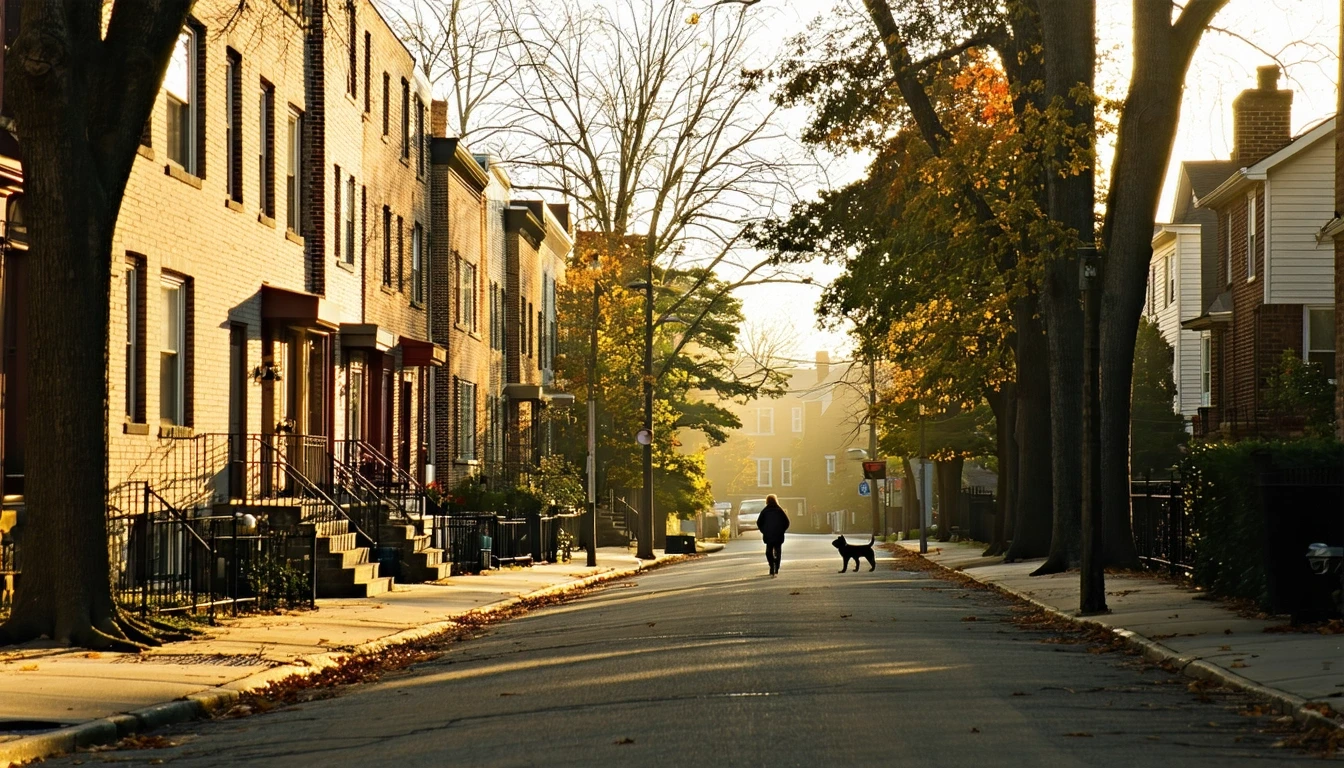
The Housing Market in Philadelphia Today
Philadelphia’s housing market in 2025 is shaped by its diverse economy, growing population, and ongoing urban development. As the largest city in Pennsylvania, Philadelphia attracts a mix of young professionals, families, and retirees drawn to its job opportunities, cultural amenities, and relatively affordable cost of living compared to nearby East Coast cities like New York and Washington D.C.
The city’s economy is anchored by major employers in healthcare, education, and financial services, including the University of Pennsylvania, Comcast, and Independence Blue Cross. This stable job market helps drive steady demand for both rental apartments and single-family homes across Philadelphia’s many neighborhoods. However, housing costs and availability vary significantly between the urban core, surrounding suburbs, and outlying towns in the greater metropolitan area.
While Philadelphia remains more affordable than some other major Northeast cities, its housing market has seen rising prices and tighter inventory in recent years. New construction has added supply at the high end, but competition for mid-range and starter homes remains fierce in popular areas like Center City, Fishtown, and Manayunk. As in many U.S. cities, the balance between overall living costs and wages is a key factor shaping Philadelphia’s housing landscape in 2025.
Renting in Philadelphia: Typical Costs and Trends
As of 2025, the median rent for a one-bedroom apartment in Philadelphia is around $1,600 per month, while a two-bedroom typically goes for $1,900 or more. However, these prices can vary widely depending on the neighborhood, building age and amenities. Rents in prime Center City locations often exceed $2,500 for a one-bedroom, while more affordable options can be found in areas like West Philadelphia, Germantown, and Northeast Philly.
Philadelphia’s renter population includes a mix of young professionals, students, and downsizing retirees. Proximity to downtown offices, universities, and hospitals is a major factor driving rental demand and prices in core neighborhoods. Many renters also prioritize access to public transit, especially the SEPTA subway and regional rail lines, which connect Center City to outlying areas.
In recent years, Philadelphia has seen a boom in luxury apartment construction, particularly in and around Center City. These new high-rise buildings offer amenities like concierge service, rooftop lounges, and on-site fitness centers, but come with premium rents. More affordable rentals can be found in smaller buildings, rowhomes, and subdivided houses in neighborhoods further from the core. Renters looking for the best value often face tradeoffs between space, location, and monthly budget.
Owning a Home in Philadelphia: Prices, Taxes, and HOA Fees
The median home price in Philadelphia as of 2025 is around $350,000, but this varies significantly by neighborhood and property type. Row homes in high-demand areas like Rittenhouse Square, Fishtown, and Graduate Hospital often sell for $500,000 or more, while larger single-family homes in outlying neighborhoods like Chestnut Hill and Mt. Airy can approach $1 million. More affordable options under $300,000 can be found in areas like West and Northeast Philadelphia, but may require renovation.
Philadelphia’s property tax rate is currently 1.3998% of assessed value, slightly higher than the national average. For a $350,000 home, this equates to approximately $4,900 per year or $408 per month. However, the city does offer a homestead exemption for owner-occupied properties, which can reduce the taxable assessment by $45,000. Eligible homeowners can save around $630 annually on their property taxes.
While not as common as in some cities, Philadelphia does have some neighborhoods with homeowners associations (HOAs), particularly in newer townhome and condo developments. HOA fees in these communities typically range from $200 to $500 per month, depending on the amenities and services provided. These may include exterior maintenance, landscaping, snow removal, and access to facilities like pools or fitness centers. Single-family homes in older neighborhoods often do not have HOAs or related fees.
Apartment vs House in Philadelphia: Side-by-Side Costs
| Monthly Expense | Apartment (2BR) | House (3BR) |
|---|---|---|
| Rent/Mortgage Payment | $1,900 | $1,945 (based on $350K price) |
| Property Tax | N/A (included in rent) | $408 |
| Homeowners Insurance | $30 (renters insurance) | $120 |
| Utilities | $180 (electric, gas, water) | $320 (higher for larger space) |
| Maintenance and Repairs | $0 (covered by landlord) | $250 (1% of home value annually) |
| HOA Fees | $0 (less common for rentals) | $250 (only in some neighborhoods) |
| Total Monthly Cost | $2,110 | $3,293 |
Methodology: Housing estimates for 2025 in Philadelphia use published rent and sale price data, local property tax rates, and typical HOA fees where available. When city-specific numbers are missing, regional ranges for similar Northeast markets are applied. All totals are rounded and expressed as monthly costs. Actual expenses vary depending on neighborhood, housing type, and household size.
Utility & Upkeep Differences
Utility costs are a key difference between renting an apartment and owning a house in Philadelphia. Renters typically pay for electricity, gas, and sometimes water/sewer, but these costs are often lower due to the smaller space and greater efficiency of multifamily buildings. Landlords generally cover any maintenance or repair expenses.
Homeowners must budget for higher utility bills, especially in older, larger houses that may have less efficient heating and cooling systems. They are also solely responsible for maintenance, repairs, and replacement of major systems like HVAC, roofing, and plumbing, which can add significant costs over time. Landscaping and exterior upkeep are additional expenses for most Philadelphia homeowners.
Philadelphia’s climate, with cold winters and humid summers, affects utility costs for both renters and owners. Heating bills can be high in poorly insulated apartments and drafty old houses, while air conditioning is a near-necessity in the summer months. Energy-efficient appliances and weatherization upgrades can help control these costs in any type of housing.
5-Year Rent vs Buy Outlook
Assuming a 5% annual rent increase and 3% home price appreciation, the total cost of renting a 2BR apartment in Philadelphia over 5 years would be approximately $140,000, while owning a $350,000 house would cost around $208,000 including mortgage payments, property taxes, insurance, maintenance, and HOA fees (if applicable). This assumes a 30-year fixed mortgage at 4% interest with a 20% down payment.
While owning does build equity over time, the higher upfront costs and ongoing expenses make renting more affordable in the short term. However, this calculation can vary significantly depending on the specific property, neighborhood, and any changes in market conditions over the 5-year period. Buyers who plan to stay in their home for longer than 5 years may see more financial benefit from owning, while those who value flexibility or may move sooner could come out ahead by renting.
Other factors like income stability, savings for a down payment, and comfort with the responsibilities of homeownership also play into the rent vs. buy decision. Consulting with a local real estate agent or financial advisor can help individuals and families weigh their options based on their unique circumstances and goals.
FAQs About Housing Costs in Philadelphia
How much are HOA fees in Philadelphia?
HOA fees in Philadelphia typically range from $200 to $500 per month, but many neighborhoods and single-family homes do not have HOAs at all. Fees are most common in newer townhome, condo, and gated developments.
What is the property tax rate in Philadelphia?
As of 2025, the property tax rate in Philadelphia is 1.3998% of assessed value. For a $350,000 home, this equates to approximately $4,900 per year or $408 per month. The city’s homestead exemption can reduce the taxable assessment for owner-occupied homes.
Is renting cheaper than buying long-term in Philadelphia?
Renting is often cheaper than buying in the short term (1-5 years), but owning can be more cost-effective long-term as you build equity. The breakeven point depends on factors like home price appreciation, rent increases, and how long you plan to stay in the home.
Do houses have higher utility costs than apartments?
Yes, houses typically have higher utility costs than apartments due to their larger size, lower energy efficiency, and additional exterior maintenance needs. Homeowners in Philadelphia should budget accordingly for expenses like heating, cooling, water, and landscaping.
What’s the monthly cost difference between apartments and houses in Philadelphia?
As of 2025, the median rent for a 2BR apartment in Philadelphia is around $1,900, while the monthly cost of owning a $350,000 house is approximately $3,293 including mortgage, taxes, insurance, and maintenance. The exact difference varies by neighborhood and property type.
Making Smart Housing Choices in Philadelphia
Deciding whether to rent or buy a home in Philadelphia ultimately depends on your financial situation, lifestyle preferences, and long-term goals. Renting offers greater flexibility and lower upfront costs, but owning can provide stability and wealth-building opportunities over time. Carefully considering the total cost of living, including housing, utilities, and transportation, can help you make the best choice for your budget and needs.
If you do decide to buy a home in Philadelphia, be sure to factor in not just the listing price, but also the ongoing costs of property taxes, insurance, maintenance, and any HOA fees. Partnering with a knowledgeable local real estate agent can help you navigate the market and find a property that fits your criteria.
For renters, understanding the typical costs and tradeoffs between different neighborhoods and apartment types is key to finding a comfortable and affordable place to live. Being flexible on location, amenities, and move-in timing can help you secure a better deal in Philadelphia’s competitive rental market.
Regardless of whether you rent or buy, making smart housing choices in Philadelphia requires careful budgeting, market research, and a clear sense of your priorities. By understanding the costs and trends outlined in this guide, you’ll be well-equipped to find a home that meets your needs and supports your financial goals in this dynamic and diverse city.