
Philadelphia is considered moderately priced in 2025, with average rent for a 2-bedroom apartment at $1,650 and overall costs like groceries and utilities slightly higher than the national average.
Imagine Lila, a young professional who just accepted a job offer in Philadelphia. As she starts apartment hunting and budgeting for her move, Lila quickly realizes that living comfortably in Philly requires careful planning. Let’s break down the key expenses she’ll need to account for in her monthly budget.
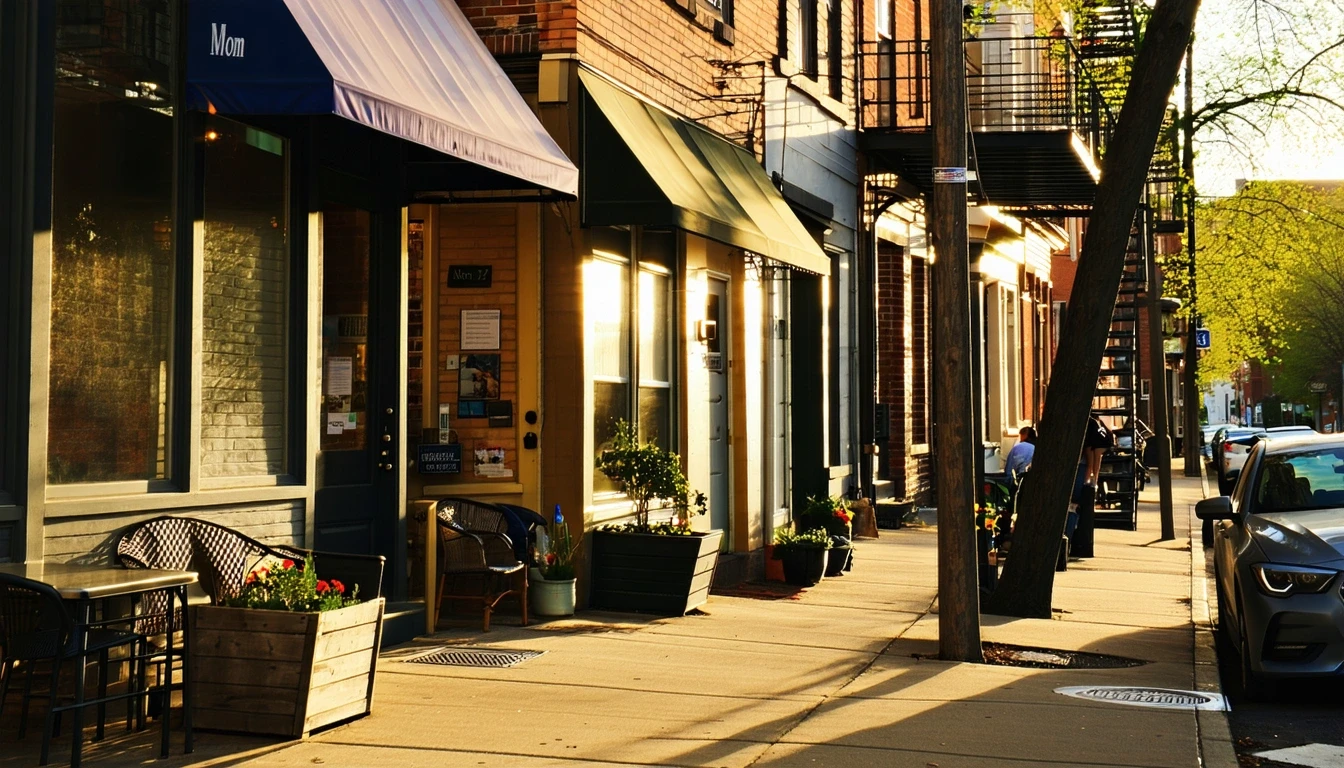
Housing Costs in Philadelphia
For renters like Lila, a typical 2-bedroom apartment in Philadelphia runs around $1,650 per month as of 2025. Prices can vary significantly by neighborhood, with some areas like Rittenhouse Square and Fairmount commanding higher rents. Buying a home is also an option, with the median price for a 3-bedroom house hovering near $400,000.
Philadelphia offers a range of housing choices, from charming rowhomes to modern high-rises. Many properties come with additional fees like HOA dues or parking costs. It’s important to factor these into your monthly budget. Here’s a snapshot of typical housing costs across popular Philly neighborhoods:
| Neighborhood | 2BR Rent | 3BR Home Price |
|---|---|---|
| Fishtown | $1,800 | $450,000 |
| East Passyunk | $1,500 | $350,000 |
| Manayunk | $1,700 | $400,000 |
Utility Bills in Philadelphia
In addition to rent or a mortgage, Philadelphians must budget for monthly utilities. Electricity costs around $120 for a 1,000 sq ft apartment, while natural gas averages $80. Water and trash collection add another $50-70 per month. Keep in mind that heating bills may spike during the chilly winters.
Many rentals include some utilities like water and trash, but it’s crucial to clarify with your landlord. If you’re coming from a warmer climate, be prepared for seasonal shifts in your utility costs. Here’s a breakdown of typical utility expenses:
| Utility | Avg Monthly Cost |
|---|---|
| Electricity | $120 |
| Natural gas | $80 |
| Water + Trash | $60 |
Grocery and Food Costs
Feeding yourself is another essential living cost. In Philadelphia, groceries for a single adult usually total $300-400 per month, while a couple’s food bill often reaches $600-800. Cooking meals at home is generally more affordable than dining out.
To give you a sense of food prices, here’s what you might pay for common grocery items in Philly:
| Item | Price |
|---|---|
| Milk (1 gal) | $3.50 |
| Bread (1 loaf) | $2.50 |
| Eggs (1 dozen) | $3.00 |
| Chicken (1 lb) | $4.50 |
By contrast, eating out costs around $15-25 per meal at a casual restaurant. Philly’s famous cheesesteaks often run $10-12. While treating yourself is tempting, frequent dining out can quickly drain your budget.
Taxes and Hidden Fees
Philadelphia’s cost of living includes some sneaky expenses beyond basic needs. Property taxes are 0.99% of assessed home value – lower than many other major cities. However, the 8% sales tax can add up on daily purchases.
Other common fees that can chip away at your budget include:
- Vehicle registration fees
- Residential parking permits
- Rental application fees
- Utility activation charges
- State and local income taxes
While individually small, these hidden costs combine to affect your bottom line. Pad your budget with some wiggle room for taxes and fees.
Putting it All Together: Monthly Budget
So, how much does it really cost to live in Philadelphia? Let’s sum up estimated monthly expenses for a few different households:
| Expense | Single Adult | Couple | Family of 4 |
|---|---|---|---|
| Housing | $1,300 | $1,650 | $2,000 |
| Utilities | $150 | $200 | $300 |
| Groceries | $350 | $700 | $1,200 |
| Transportation | $100 | $150 | $200 |
| Taxes/Fees | $300 | $500 | $800 |
| Miscellaneous | $300 | $500 | $700 |
| Total | $2,500 | $3,700 | $5,200 |
Methodology: These 2025 estimates for Philadelphia draw on publicly available national and regional sources including the U.S. Census Bureau, Bureau of Economic Analysis (BEA), Bureau of Labor Statistics (BLS), and Federal Reserve Economic Data (FRED). Where city-specific figures are unavailable, safe regional ranges are applied (e.g., typical 2BR rents, grocery costs per adult). All amounts are expressed as gross monthly income (pre-tax) and rounded to whole dollars. Actual expenses vary by household size, lifestyle, and neighborhood choice.
Lifestyle Factors to Consider
Of course, the cost of living is just one piece of the puzzle. Philadelphia’s unique lifestyle also plays a role in budgeting decisions. The average one-way commute takes 32 minutes, so living closer to work could save on transportation costs. However, homes near job centers tend to have higher price tags.
Philly’s diverse neighborhoods each have their own personality. Some are flush with parks and green space, while others prioritize walkability and transit access. Rittenhouse Square is known for upscale dining and shopping, while Fishtown boasts a funky arts scene. Choosing an area that fits your vibe can enhance quality of life.
Proximity to amenities like grocery stores, gyms, and entertainment also matters. A neighborhood with everything at your doorstep offers convenience, but may come with a steeper rent. Considering your lifestyle needs and budget can help you strike the right balance.
Frequently Asked Questions
Is Philadelphia more affordable than New York City in 2025?
Yes, Philadelphia tends to be more affordable than NYC for housing and groceries. However, Philly’s tax rates are higher than the national average.
What is a realistic monthly budget for a single person in Philadelphia?
A single adult in Philadelphia should budget at least $2,500 per month to cover basic expenses like rent, food, utilities, and transportation. Keep in mind, this is a starting point and actual costs vary by lifestyle.
Do utility costs in Philadelphia vary by season?
Utility bills in Philadelphia tend to be higher during winter due to heating costs. Summers are fairly mild, so cooling expenses are lower than in southern cities. Budget for some seasonal fluctuation.
How much does a family of four typically spend on groceries in Philly?
A family of four in Philadelphia usually spends between $1,000-1,400 per month on groceries. This varies based on factors like dietary needs and brand preferences.
Are property taxes higher in Philadelphia compared to the national average?
Philadelphia’s property tax rate of 0.99% is lower than many other major cities. However, the city does have higher sales taxes and income taxes than the national average.
For Lila and others considering a move to the City of Brotherly Love, crunching the numbers is key. While Philadelphia’s living costs exceed the national average, it offers a vibrant lifestyle and opportunities that appeal to many. By understanding the expenses involved and planning accordingly, you can make your Philadelphia dreams a reality.