
Pembroke Pines, FL vs. Fort Lauderdale, FL: Cost of Living Comparison (2025)
In 2025, families looking for more space are increasingly comparing suburban Pembroke Pines to urban Fort Lauderdale. While both cities are part of the Miami metro area, they offer distinct lifestyles and cost of living tradeoffs. Pembroke Pines tends to have lower housing costs and more family-sized homes, while Fort Lauderdale provides an urban vibe with walkable neighborhoods and coastal access.
As the economic landscape continues to evolve post-pandemic, many relocating professionals and homebuyers are making cost of living the central factor in choosing where to settle in South Florida. In this 2025 comparison, we’ll break down the key expenses and lifestyle considerations to help you decide whether budget-friendly Pembroke Pines or amenity-rich Fort Lauderdale is the better fit.
Housing Costs
The median home price in Pembroke Pines is around $450,000, while Fort Lauderdale homes average closer to $600,000. For a typical 3-bedroom single-family home, Pembroke Pines buyers can expect to pay in the low-to-mid $400s. In Fort Lauderdale, a comparable home would cost $550,000 or more.
Renters will also find lower prices in Pembroke Pines, with 2-bedroom apartments averaging $2,200 per month compared to $2,600 in Fort Lauderdale. Availability of rentals tends to be higher in Fort Lauderdale, while Pembroke Pines has a larger share of owner-occupied homes.
| Housing Type | Pembroke Pines | Fort Lauderdale |
|---|---|---|
| Median Home Price | $450,000 | $600,000 |
| 3BR Single-Family Home | $425,000 | $550,000 |
| 2BR Apartment Rent | $2,200 | $2,600 |
For families prioritizing space and affordability, Pembroke Pines offers a clear advantage with lower prices across the board. Young professionals more focused on location may find paying a premium for Fort Lauderdale’s urban amenities worthwhile. Ultimately, Pembroke Pines wins on housing costs for most households.
Utilities and Energy Costs
South Florida’s tropical climate means air conditioning is a must year-round. For a typical household, monthly electric bills average $180 in Pembroke Pines compared to $200 in Fort Lauderdale. Homes in Fort Lauderdale tend to be older, which can mean higher energy usage to keep cool.
Water and sewer costs are fairly comparable between the two cities, averaging $80-100 per month for a family of four. Pembroke Pines and Fort Lauderdale both offer budget billing programs to help even out seasonal spikes.
Newer construction in the Pembroke Pines suburbs often means better insulation and energy efficiency. Combined with slightly lower electricity rates, Pembroke Pines has the edge for utility costs in 2025.
Groceries and Daily Expenses

Grocery costs run about 5% lower in Pembroke Pines compared to Fort Lauderdale. A gallon of milk averages $3.50 in Pembroke Pines versus $3.75 in Fort Lauderdale, while a loaf of bread is around $2.80 and $3.10 respectively.
Dining out is also more affordable in Pembroke Pines, with a typical meal for two at a mid-range restaurant costing $70 compared to $85 in Fort Lauderdale. Pembroke Pines has a solid selection of chain eateries and local spots, while Fort Lauderdale offers a wider range of upscale and specialty cuisine.
For everyday essentials, superstores and warehouse clubs help keep costs down in Pembroke Pines. Busy families will appreciate the convenience and savings over Fort Lauderdale’s pricier neighborhood markets. Overall, Pembroke Pines residents can expect to spend less on food and household items.
Taxes and Fees
Neither Pembroke Pines nor Fort Lauderdale assesses a local income tax, but property taxes are a key difference. Pembroke Pines homeowners pay an average effective property tax rate of 1.2%, while in Fort Lauderdale it’s 1.4%.
For a $500,000 home, that means Pembroke Pines owners save about $1,000 per year. With Florida’s homestead exemption, the savings can be even greater for primary residences. Long-term, the lower tax burden gives Pembroke Pines an affordability advantage.
Both cities charge a 7% sales tax and have similar fees for services like trash and water. Pembroke Pines gets the win here thanks to its lower property taxes, which can add up significantly for homeowners.
Cost of Living Summary
| Category | Pembroke Pines | Fort Lauderdale |
|---|---|---|
| Housing | $1,800 | $2,200 |
| Utilities | $280 | $320 |
| Groceries | $400 | $440 |
| Transportation | $130 | $100 |
| Taxes | $500 | $600 |
| Misc. | $400 | $500 |
| Estimated Monthly Total | $3,510 | $4,160 |
Comparing basic living costs, a household in Pembroke Pines can expect to spend around $3,510 per month. The same standard of living in Fort Lauderdale would cost closer to $4,160, a difference of $650.
Much of the difference comes from housing, with lower rents and mortgages in Pembroke Pines. Utilities, groceries, and taxes are also cheaper, while transportation costs are a bit higher. For a typical family, choosing Pembroke Pines over Fort Lauderdale could mean saving upwards of $250 per month.
Estimates reflect 2025 costs for a mid-size household (2-bedroom apartment or 3-bedroom home) using published national data and regional benchmarks. Actual expenses will vary with household size, lifestyle, and neighborhood.
Lifestyle Fit
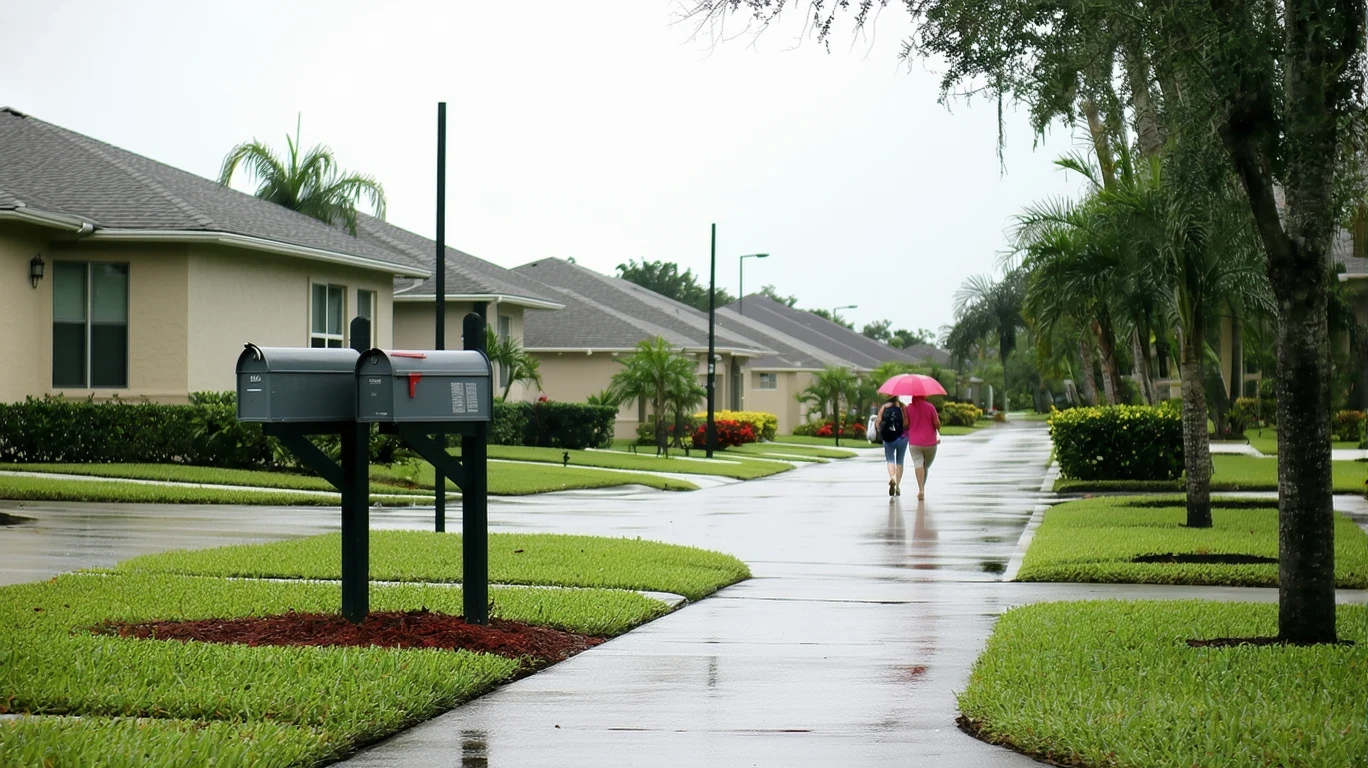
Beyond the numbers, Pembroke Pines and Fort Lauderdale offer distinct vibes. Pembroke Pines has a suburban feel, with gated communities, parks, and family-friendly amenities. Commute times average 30 minutes, as many residents work in Fort Lauderdale or Miami.
Fort Lauderdale, on the other hand, has an urban-coastal character. High-rise condos, bustling beaches, and a lively arts scene draw young professionals. The city has a walk score of 59, much higher than Pembroke Pines’ 25. For car-free living and active nightlife, Fort Lauderdale is the clear choice.
Still, Pembroke Pines has its share of recreation and entertainment. The city boasts golf courses, shopping centers, and cultural festivals. And while it may not have Fort Lauderdale’s trendy eateries, locals love its cozy cafes and diverse mom-and-pop restaurants. For families seeking a close-knit community with room to grow, Pembroke Pines fits the bill.
Frequently Asked Questions
Is Pembroke Pines more affordable than Fort Lauderdale in 2025?
Yes, Pembroke Pines has a lower overall cost of living compared to Fort Lauderdale in 2025. Housing, utilities, groceries, and taxes all tend to be cheaper in Pembroke Pines, while transportation costs are slightly higher.
How much could a family of four save on monthly expenses by choosing Pembroke Pines over Fort Lauderdale?
A typical family of four could save around $250-300 per month on basic living costs by choosing to live in Pembroke Pines rather than Fort Lauderdale. The biggest savings come from lower housing, food, and utility costs in Pembroke Pines.
Are property taxes higher in Fort Lauderdale than in Pembroke Pines?
Yes, the average effective property tax rate in Fort Lauderdale is 1.4%, compared to 1.2% in Pembroke Pines. For a $500,000 home, that equates to paying about $1,000 more per year in property taxes in Fort Lauderdale.
Do utility bills tend to be higher in Fort Lauderdale or Pembroke Pines during the summer?
Utility costs, especially electricity for air conditioning, tend to be higher in Fort Lauderdale during the hot summer months. This is due in part to the city’s older housing stock, which is often less energy-efficient than newer homes in Pembroke Pines.
Is Pembroke Pines considered a better value for homebuyers compared to Fort Lauderdale?
For buyers prioritizing space and affordability, Pembroke Pines offers better value than Fort Lauderdale. Median home prices in Pembroke Pines are significantly lower, and residents get more square footage for their money. However, some may find paying a premium for Fort Lauderdale’s location and amenities worthwhile.
Conclusion
Choosing between Pembroke Pines and Fort Lauderdale ultimately comes down to your budget, lifestyle priorities, and long-term goals. As of 2025, Pembroke Pines offers lower living costs across the board, from housing and utilities to food and taxes. It’s an excellent choice for families looking to stretch their dollars without sacrificing quality of life.
However, Fort Lauderdale’s vibrant urbanism and coastal setting are huge draws for many. Young professionals, creatives, and those who value walkability may find the higher cost of living a fair tradeoff. Wherever you land, you’ll want to plan your monthly expenses carefully. And if you do make the move, be sure to compare moving company costs to get the best deal. For more info, check out our detailed cost of living guide for Pembroke Pines.