
“It’s quiet, it’s affordable, and you’re close enough to Lexington when you need it — but don’t expect much happening here on a Tuesday night.”
That sentiment captures the emotional core of living in Paris, Kentucky: a small city where affordability and a slower pace trade off against limited walkability, sparse dining options, and a car-dependent lifestyle. For families seeking space and budget relief near the Lexington metro, Paris tends to feel like a smart compromise. For those craving spontaneity, variety, or the ability to walk to dinner, it often feels like a mismatch.
This article translates the recurring themes, tradeoffs, and emotional patterns that shape how people experience Paris — not as proof or measurement, but as alignment guidance for prospective movers and curious residents.
The Emotional Landscape of Paris
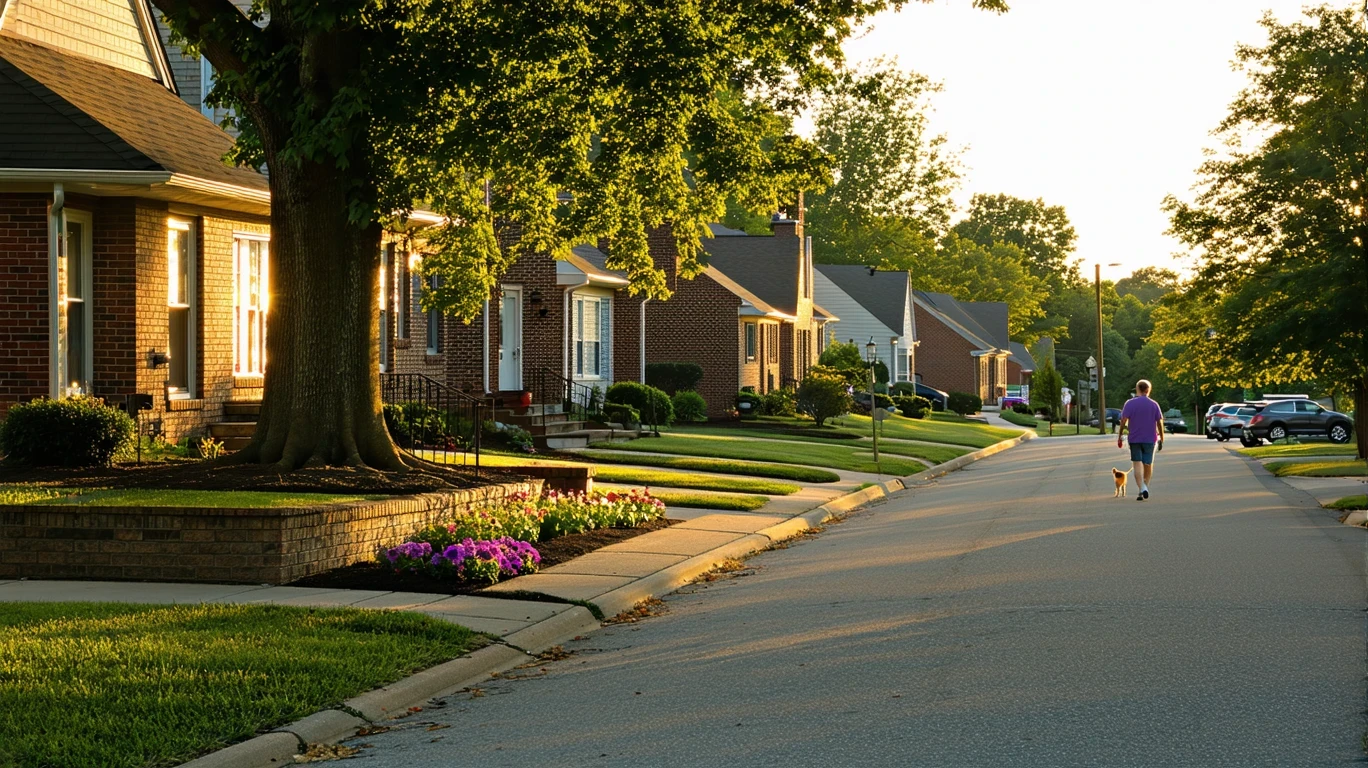
Paris sits in a space many small Kentucky cities occupy: affordable, accessible to a larger metro, and defined more by what it doesn’t have than what it does. The vibe here is rooted in predictability and practicality. People who thrive in Paris tend to value home affordability, yard space, and the ability to retreat from urban intensity. Those who struggle often cite the need to drive everywhere, limited restaurant variety, and a social scene that feels thin outside of family-oriented activities.
The city’s infrastructure reflects this tension. Moderate pedestrian-to-road ratios suggest some sidewalks and pathways exist, but the overall texture remains car-oriented for daily errands. Food and grocery density falls below typical urban thresholds, meaning most households plan trips rather than walk to the corner store. Parks and schools are present in moderate density, supporting family life without creating the kind of neighborhood gathering spots that define more walkable towns.
What emerges is a place where people feel settled rather than stimulated. Paris works well for households that have already decided what they want — space, quiet, proximity to Lexington — and are willing to accept limited spontaneity in exchange. It tends to frustrate people still exploring, those who want options within walking distance, or anyone relying on public transit.
Social Media Buzz in Paris
Online discussion about Paris tends to cluster around a few recurring themes: affordability as the primary draw, frustration with limited dining and entertainment, and mixed feelings about the town’s identity as it grows slowly but visibly. Tone varies widely depending on life stage and expectations.
“We moved here from Lexington for the house prices and haven’t regretted it — but we definitely drive back to Lex for anything beyond groceries.”
“It’s a nice place to raise kids if you’re okay with it being pretty sleepy. Don’t expect much nightlife or walkable downtown energy.”
“I love the slower pace, but I wish there were more local restaurant options. It feels like the same few chains on repeat.”
Conversations often reflect a pragmatic acceptance: Paris delivers on affordability and space, but not on variety or convenience. Residents who frame the tradeoff clearly tend to express contentment. Those who expected more urban texture or assumed proximity to Lexington would compensate for local limitations often feel disappointed.
Local News Tone
Coverage of Paris tends to frame the city through the lens of gradual change, regional identity, and infrastructure adaptation. Headlines and story themes reflect a community negotiating growth without losing small-town character:
- “Community Debates What Growth Should Look Like”
- “New Retail Arrives as Town Balances Change and Tradition”
- “Residents Weigh Convenience Against Quiet”
- “Schools and Parks Anchor Family Life in Paris”
- “Proximity to Lexington Shapes Daily Routines”
The tone is rarely urgent or celebratory. Instead, it reflects steady adaptation: new businesses open, infrastructure adjusts incrementally, and residents express cautious optimism mixed with protectiveness over the town’s pace. There’s little sense of dramatic transformation, but also little stagnation. Paris feels like a place that changes slowly enough for people to adjust, but not so slowly that it feels frozen.
Review-Based Public Perception
Public reviews of Paris — whether on Google, Yelp, or community platforms — tend to split along expectation lines. People who wanted affordable small-town living near a metro hub often praise the city. Those who expected walkable charm, diverse dining, or vibrant social scenes often express mild disappointment.
Positive themes include affordability, safety, and family-friendly infrastructure. Residents appreciate access to parks, schools in moderate density, and the ability to reach Lexington in under 30 minutes. The presence of clinics and pharmacies supports routine healthcare needs, even though the lack of a hospital means more serious care requires travel.
Critical themes center on car dependency and limited variety. Food and grocery options cluster along a few corridors, and the sparse density means most errands require planning and driving. Dining options skew toward familiar chains, and entertainment beyond family activities feels thin. Walkability exists in pockets, but the overall structure requires a car for daily life.
Neighborhood variation appears in reviews, though specifics are often vague. Newer planned areas tend to feel more suburban and car-oriented, while older pockets near the center offer slightly more mixed land use and pedestrian infrastructure. Neither extreme defines the city; instead, Paris feels consistently moderate across most dimensions.
Comparison to Nearby Cities
| Dimension | Paris, KY | Lexington, KY | Georgetown, KY |
|---|---|---|---|
| Overall Vibe | Quiet, affordable, car-dependent small town | Urban energy, walkable districts, diverse amenities | Suburban growth, family-oriented, moderate density |
| Walkability | Limited; mixed texture but car-necessary | Strong in core neighborhoods | Moderate in newer areas |
| Dining & Entertainment | Sparse; chain-heavy, limited variety | Abundant; independent and diverse | Growing; mix of chains and local spots |
| Affordability | Strong advantage in housing | Higher costs, competitive market | Moderate; between Paris and Lexington |
| Family Infrastructure | Moderate schools and parks | Extensive options and variety | Strong and expanding |
Paris occupies a distinct position relative to its neighbors. Lexington offers urban texture, walkability, and variety that Paris cannot match, but at significantly higher housing costs and with more competition. Georgetown sits between the two: more growth and infrastructure than Paris, but still suburban in character and less expensive than Lexington.
If you prioritize affordability and quiet above all else, Paris delivers more reliably than either alternative. If you need walkable errands, diverse dining, or transit options, Lexington becomes necessary despite the cost premium. Georgetown appeals to families seeking newer infrastructure and moderate growth without full urban intensity. The choice depends less on which city is “better” and more on which tradeoffs align with your household’s priorities.
What Locals Are Saying
“We bought a house here for half what we’d pay in Lexington, and the schools are decent. It’s quiet, the neighbors are friendly, and we don’t mind the drive when we want a night out.”
“I thought I’d adjust to the slower pace, but I miss being able to walk to coffee or grab dinner without planning. Everything here requires a car and a 20-minute round trip.”
“It’s a great place to raise kids if you’re okay with it being pretty low-key. Parks are nice, schools are solid, and there’s not much to worry about in terms of safety or traffic.”
“The lack of variety gets old. Same restaurants, same stores, same routines. We end up in Lexington most weekends just to feel like we have options.”
“I’ve lived here my whole life, and it’s changed, but not drastically. It’s still the kind of place where people know each other and things move at a manageable pace.”
“If you’re retired or working remotely and don’t need much stimulation, Paris is perfect. If you’re young and social, you’ll probably feel restless pretty quickly.”
“The affordability is real, and that matters. We’re building equity here in a way we never could closer to Lexington. The tradeoff is convenience, but we knew that going in.”
Does Paris Feel Like a Good Fit?
Paris works best for households that have clarity about what they’re optimizing for: housing affordability, space, and proximity to Lexington without urban intensity. Families with school-age children, remote workers prioritizing low costs, and retirees seeking quiet tend to find alignment here. The slower pace, moderate family infrastructure, and accessible green space support those priorities reliably.
Paris tends to frustrate people who value spontaneity, walkability, or variety. The sparse errands accessibility and car-dependent structure mean daily life requires planning and driving. Limited dining and entertainment options create repetition, and the lack of a local hospital adds friction for households with complex healthcare needs.
The city’s emotional profile is not about happiness or unhappiness in the abstract — it’s about whether the specific tradeoffs Paris offers match what you’re willing to accept. If you’re comfortable driving for errands, content with limited nightlife, and prioritizing budget relief over convenience, Paris delivers. If you need walkable texture, transit access, or dense amenities, the friction will compound quickly.
Understanding what “enough” actually means for your household — in terms of access, variety, and infrastructure — is the clearest way to predict whether Paris will feel like home or a compromise you regret.
How this article was built: In addition to public economic data, this article incorporates location-based experiential signals derived from anonymized geographic patterns—such as access density, walkability, and land-use mix—to reflect how day-to-day living actually feels in Paris, KY.
The perspectives shown reflect commonly expressed local sentiment and recurring themes in public discussion, rather than individual accounts.