
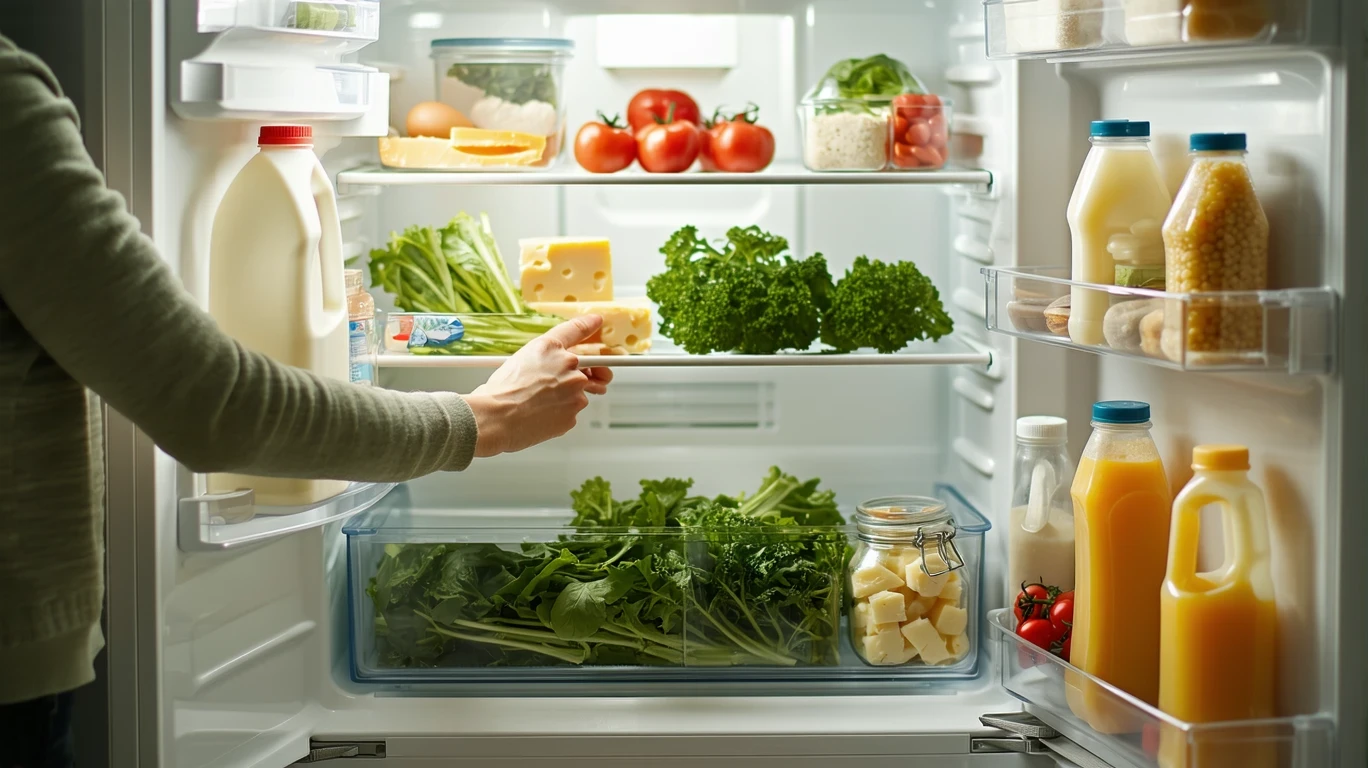
How Grocery Costs Feel in Paris
Grocery prices in Paris sit below the national average, shaped by a regional price environment that runs about 7% lower than the U.S. baseline. That translates to modest but real relief at checkout—enough to notice over the course of a month, especially for households buying staples in volume. The difference isn’t dramatic, but it’s consistent, and it shows up most clearly when comparing Paris to higher-cost metros or even mid-sized cities with tighter price structures. For families managing tight budgets or singles stretching paychecks between housing and transportation, that baseline advantage matters.
Still, grocery costs don’t feel the same to everyone. A single professional buying for one feels price pressure differently than a family of four filling a cart twice a week. In Paris, where median household income sits at $46,752 per year, grocery spending becomes a meaningful share of the monthly budget—not the largest line item, but one where small shifts in behavior or store choice create visible results. Families with children feel the volume effect most acutely: every percentage point of price difference gets multiplied across dozens of items, week after week. Singles and couples, meanwhile, face less absolute spending but higher per-person exposure, making waste and impulse purchases costlier mistakes.
The grocery experience in Paris is also shaped by access patterns. Most households plan their grocery trips rather than walk to nearby stores; the city’s layout and density mean car-based shopping is the norm. That makes store tier choice more deliberate and trip consolidation more common. You’re not stopping in for a few items on the way home from work—you’re making a dedicated run, often to a single store, and the tier you choose (discount, mid-range, or premium) sets the tone for your entire cart.
Grocery Price Signals (Illustrative)
These prices illustrate how staple items tend to compare locally—not a full shopping list, and not a guarantee of what you’ll pay on any given week. They’re derived estimates based on national baselines adjusted for regional price parity, and they’re useful as anchors for understanding relative cost positioning, not as checkout-accurate figures.
| Item | Illustrative Price |
|---|---|
| Bread (per pound) | $1.72/lb |
| Milk (half-gallon) | $3.74 |
| Eggs (dozen) | $2.33 |
| Chicken (per pound) | $1.91/lb |
| Ground Beef (per pound) | $6.27/lb |
| Cheese (per pound) | $4.35/lb |
| Rice (per pound) | $1.00/lb |
What stands out here is the range. Staples like rice, bread, and chicken sit comfortably below national norms, while proteins like ground beef and cheese carry more weight. That spread matters because it shapes how households build their carts: leaning into lower-cost staples can stretch a budget significantly, while protein-heavy or convenience-focused shopping pushes totals higher. The illustrative prices above reflect regional adjustment, but they don’t account for store tier, brand choice, or weekly promotions—all of which introduce real variability.
For families, the volume effect amplifies these differences. A household buying five pounds of chicken per week instead of two pounds of ground beef isn’t just choosing a different protein—they’re choosing a different cost structure. Singles and couples, meanwhile, face a different calculus: smaller quantities mean less absolute savings, but also less risk of waste. A gallon of milk that goes bad before it’s finished erases any per-unit advantage.
Store Choice & Price Sensitivity
Grocery price pressure in Paris varies significantly by store tier, and understanding that variation is more useful than chasing a single “average” price. Discount-tier grocers—chains built around private labels, limited selection, and no-frills environments—deliver the lowest per-item costs, often 15–25% below mid-tier competitors on comparable staples. These stores reward households who can plan around a narrower assortment and tolerate less brand variety. For families managing volume or singles stretching tight budgets, discount tiers offer the most direct path to lower totals.
Mid-tier stores—the familiar regional and national chains—occupy the middle ground. They carry broader selection, more national brands, and more frequent promotions, but baseline prices run higher than discount options. The tradeoff is convenience and familiarity: you’re more likely to find everything on your list in one trip, and you’re less likely to encounter out-of-stock staples. For households with mixed priorities—some price sensitivity, some preference for specific brands or organic options—mid-tier stores provide flexibility without extreme cost.
Premium-tier grocers, where present, emphasize organic, specialty, and prepared foods, and prices reflect that focus. Staples cost more, sometimes significantly, but the selection includes items discount and mid-tier stores don’t carry. For households prioritizing organic produce, specialty diets, or convenience foods, premium tiers serve a different need—but they’re not where you go to minimize grocery spending. The key insight is that store tier choice in Paris isn’t just about finding the cheapest milk—it’s about aligning your shopping strategy with your household’s actual priorities and constraints.
Because most grocery shopping in Paris is car-dependent and trip-based, the store you choose tends to set the baseline for your entire cart. Mixing tiers—buying staples at a discount grocer and specialty items elsewhere—requires extra trips, extra time, and extra planning. Some households make that work; others optimize for simplicity and accept the cost structure of a single tier. Neither approach is wrong, but the choice has real budget implications over the course of a month.
What Drives Grocery Pressure Here
Grocery pressure in Paris is shaped by the interaction between regional pricing, household income, and cart composition. The regional price environment runs below the national average, which creates a baseline advantage—but that advantage is most visible to households buying high volumes of staples. A family of four buying 20–30 items per week sees that 7% discount multiply across the cart; a single professional buying 8–10 items feels it less acutely. Income context matters, too. At a median household income of $46,752 per year, grocery spending competes directly with housing, transportation, and utilities for budget share. Households closer to or below that median feel price changes more sharply than those with more income cushion.
Household size drives sensitivity in both directions. Larger households face higher absolute spending, which makes per-item price differences more consequential. A 50-cent difference on chicken doesn’t sound like much until you’re buying it three times a week for a family of five. Smaller households, meanwhile, face waste risk: buying in bulk to capture per-unit savings only works if you can consume the volume before it spoils. That dynamic makes store tier choice and trip frequency more important for singles and couples than raw per-item pricing.
Seasonal variability plays a quieter role. Produce prices shift with growing seasons, and proteins fluctuate with supply conditions, but those changes are gradual and regional rather than city-specific. Paris doesn’t experience extreme seasonal grocery swings, but households who cook seasonally or adjust their carts based on what’s abundant can smooth out some of that variability. The bigger driver is promotional cycles: mid-tier stores rotate discounts on staples, and timing your stock-up trips around those cycles can reduce effective costs without changing what you buy.
Practical Ways People Manage Grocery Costs
Managing grocery costs in Paris starts with store tier alignment. Households who can tolerate narrower selection and prioritize staples over brands see the most immediate impact by shifting some or all of their shopping to discount-tier grocers. That doesn’t mean abandoning mid-tier stores entirely—many households use a split strategy, buying shelf-stable staples and proteins at discount stores and filling gaps (produce, specialty items, last-minute needs) at mid-tier chains. The tradeoff is trip frequency and planning overhead, but for families managing volume, the savings justify the complexity.
Meal planning reduces both waste and impulse spending. Households who plan a week’s worth of meals before shopping buy only what they’ll use, which cuts down on spoilage and avoids the “what’s for dinner?” panic that leads to expensive convenience purchases or takeout. Planning also makes it easier to cook around what’s on sale or in season, which smooths out price variability without requiring extreme couponing or stockpiling. For singles and couples, planning prevents over-buying—a common source of waste when cooking for one or two.
Buying in bulk works when storage and consumption align. Staples like rice, pasta, canned goods, and frozen proteins store well and cost less per unit in larger quantities, but only if you have the space and the household size to use them before quality degrades. Families with freezer space and consistent meal routines benefit most; singles in smaller kitchens face diminishing returns. The key is knowing which items your household actually consumes in volume and which sit unused.
Private labels and store brands deliver comparable quality to national brands on most staples—bread, dairy, canned goods, frozen vegetables—at 10–30% lower prices. Households willing to experiment with store brands on low-risk items (where taste and texture matter less) can reduce totals without sacrificing nutrition or variety. Some categories—coffee, snacks, condiments—show more variation in quality, so the strategy works best when applied selectively rather than universally.
Groceries vs Eating Out (Directional)
Without specific dining cost data for Paris, the grocery-versus-eating-out tradeoff remains directional rather than precise. Cooking at home consistently costs less per meal than restaurant or takeout dining, but the gap varies by household size, meal complexity, and dining frequency. For families, the per-person cost advantage of home cooking is substantial—feeding four people at home for the price of two restaurant entrees is common. For singles, the math is tighter: cooking for one often means smaller portions, more waste, and less economy of scale, which narrows the cost difference.
The real tradeoff isn’t just cost—it’s time, convenience, and flexibility. Cooking at home requires planning, shopping, prep, and cleanup, all of which take time that eating out eliminates. Households with tight schedules or limited cooking skills face higher friction, which makes the convenience of dining out more valuable even when it costs more. The key is finding the balance that fits your household’s actual constraints: cooking most meals at home and dining out selectively keeps costs lower without eliminating flexibility entirely.
For households managing grocery costs in Paris, the baseline price environment makes home cooking more affordable than in higher-cost cities, but the time and effort required remain the same. That means the decision to cook versus eat out is less about whether you can afford groceries and more about whether you can afford the time and energy to use them effectively.
FAQs About Grocery Costs in Paris (2026)
Is it cheaper to shop in bulk in Paris? Buying in bulk reduces per-unit costs on shelf-stable staples like rice, pasta, canned goods, and frozen proteins, but only if your household can consume the volume before quality degrades and you have the storage space to accommodate larger quantities. Families with consistent meal routines and freezer space benefit most; singles and couples in smaller kitchens face diminishing returns and higher waste risk.
Which stores in Paris are best for low prices? Discount-tier grocers deliver the lowest per-item costs, often 15–25% below mid-tier competitors on comparable staples, but with narrower selection and fewer national brands. Mid-tier stores offer broader variety and more promotions at higher baseline prices, while premium-tier grocers emphasize organic and specialty items at the highest cost. The best store depends on whether your household prioritizes absolute cost, selection, or convenience.
How much more do organic items cost in Paris? Organic produce, dairy, and proteins typically cost 20–50% more than conventional equivalents, with the premium varying by item, season, and store tier. Premium-tier grocers carry the widest organic selection but at the highest prices; mid-tier stores offer limited organic options at moderate premiums; discount stores rarely stock organic items. Households prioritizing organic on a budget often focus on high-impact categories (produce, dairy) and accept conventional options elsewhere.
How do grocery costs for two adults in Paris tend to compare to nearby cities? Paris benefits from a regional price environment about 7% below the national average, which creates modest but consistent savings compared to higher-cost metros and even some mid-sized cities with tighter price structures. The advantage is most visible on high-volume staples and proteins, though store tier choice and shopping habits influence totals more than baseline regional pricing.
How do households in Paris think about grocery spending when cooking at home? Most households treat grocery spending as a controllable line item where store tier choice, meal planning, and waste reduction create visible results over the course of a month. Because grocery shopping in Paris is typically car-dependent and trip-based, households tend to consolidate shopping into fewer, larger trips and align their store choice with their budget priorities rather than chasing per-item deals across multiple locations.
Does shopping seasonally reduce grocery costs in Paris? Buying produce in season generally lowers costs and improves quality, as abundant supply drives prices down and reduces the need for long-distance shipping. Paris doesn’t experience extreme seasonal grocery swings, but households who adjust their carts based on what’s locally abundant—summer tomatoes, fall squash, winter root vegetables—can smooth out some price variability without requiring extreme planning or sacrifice.
How does meal planning help manage grocery costs? Planning meals before shopping reduces impulse purchases, prevents over-buying, and cuts down on food waste—all of which lower effective grocery costs without requiring coupons or extreme budgeting. Households who plan a week’s worth of meals buy only what they’ll use, avoid the “what’s for dinner?” panic that leads to expensive convenience foods or takeout, and can cook around what’s on sale or in season to capture additional savings.
How Groceries Fit Into the Cost of Living in Paris
Groceries sit in the middle tier of household expenses in Paris—less dominant than housing, more controllable than utilities, and more predictable than transportation. The regional price environment runs below the national average, which creates baseline relief, but the actual pressure households feel depends on income, household size, and shopping strategy. For families managing volume or singles stretching tight budgets, grocery costs represent one of the few major expense categories where behavior and store choice create immediate, visible results. That makes groceries a high-value target for households looking to reduce monthly expenses without sacrificing quality of life.
Still, groceries are only one piece of the cost structure. Housing, utilities, and transportation together consume a larger share of the typical household budget, and optimizing grocery spending doesn’t offset pressure in those categories. For a complete picture of where money goes each month and how different household types experience financial pressure in Paris, the Monthly Budget article provides the full breakdown. Groceries matter, but they’re most useful when understood in context—not as the primary cost driver, but as a lever households can pull to create breathing room elsewhere.
The key takeaway is that grocery costs in Paris are manageable for most households, but “manageable” depends on aligning your shopping strategy with your actual constraints. Store tier choice, meal planning, and waste reduction all work, but they require time, effort, and consistency. Households who can invest that effort see real results; those who can’t still benefit from the baseline regional price advantage, even if they’re not optimizing every trip. The goal isn’t perfection—it’s finding the approach that fits your household’s priorities and delivers the control you need.
How this article was built: In addition to public economic data, this article incorporates location-based experiential signals derived from anonymized geographic patterns—such as access density, walkability, and land-use mix—to reflect how day-to-day living actually feels in Paris, KY.