
The Housing Market in Palo Alto Today
Palo Alto’s housing market is shaped by its thriving tech economy, world-class education institutions, and proximity to major Silicon Valley employers. As a hub for innovation, Palo Alto attracts a diverse population of high-earning professionals, students, and families. This strong demand, combined with limited housing supply, has led to some of the highest home prices and rents in the country.
Compared to neighboring cities like Mountain View and Menlo Park, Palo Alto’s housing costs are consistently higher. The city’s excellent schools, safe neighborhoods, and convenient access to tech campuses like Google, Facebook, and Stanford University drive up prices. While the broader Bay Area has seen some cooling in recent years, Palo Alto’s market remains competitive due to its desirable location and amenities.
For residents and newcomers, understanding Palo Alto’s unique housing landscape is essential for making informed decisions. Whether renting or buying, expect to pay a premium for the city’s exceptional quality of life. However, with careful planning and a clear understanding of the costs involved, it’s possible to find a suitable home in this vibrant community.
Renting in Palo Alto: Typical Costs and Trends
Renting is a popular choice for many Palo Alto residents, particularly young professionals, students, and those who value flexibility. As of 2025, the average rent for a one-bedroom apartment in Palo Alto is around $3,500 per month, while a two-bedroom unit typically costs $4,500 or more. These prices are among the highest in the Bay Area and the nation.
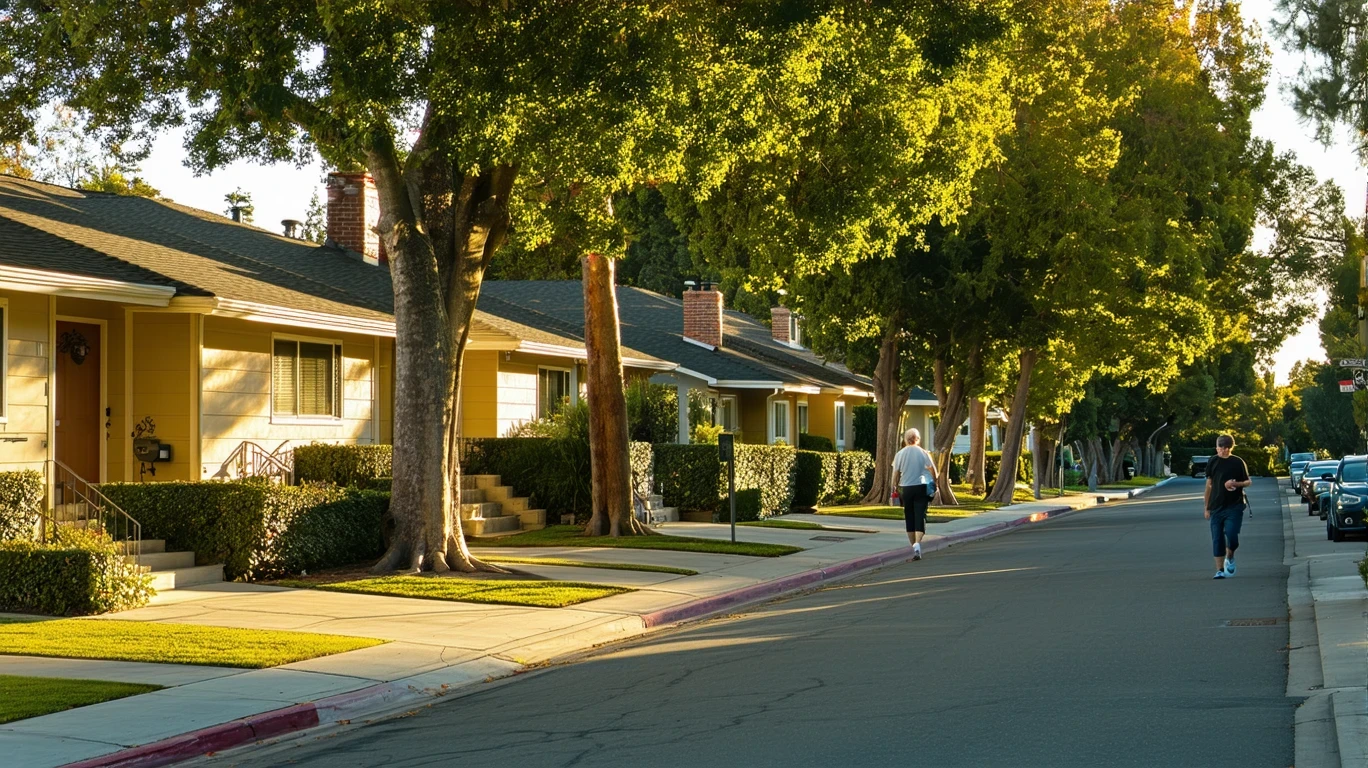
Rent prices can vary significantly depending on the neighborhood and proximity to key amenities. Downtown Palo Alto and the University Avenue area command some of the highest rents, with easy access to dining, shopping, and transit. Neighborhoods like Crescent Park and Old Palo Alto, known for their tree-lined streets and historic homes, also tend to have higher rental costs.
For those seeking more affordable options, areas further from the city center, such as South Palo Alto or near the Mountain View border, may offer some relief. However, even in these neighborhoods, rent prices are still well above national averages. Commute times are an important consideration, as living closer to major employers or Caltrain stations can significantly reduce transportation costs and travel time.
Owning a Home in Palo Alto: Prices, Taxes, and HOA Fees
Homeownership in Palo Alto is a significant investment, with median home prices consistently ranking among the highest in the country. As of 2025, the median price for a single-family home in Palo Alto is around $3.5 million, while condos and townhomes typically start at $1.5 million. These prices reflect the city’s desirable location, excellent schools, and proximity to major tech employers.
In addition to high home prices, Palo Alto homeowners must also factor in property taxes and potential HOA fees. The property tax rate in Santa Clara County, which includes Palo Alto, is approximately 1.25% of the assessed value. For a median-priced home, this translates to an annual property tax bill of around $43,750.
While not all homes in Palo Alto are part of HOA communities, those that are can expect to pay additional monthly fees. HOA fees in Palo Alto typically range from $400 to $1,000 per month, depending on the community and amenities provided. These fees often cover maintenance of common areas, landscaping, and access to facilities like pools or fitness centers. Homeowners should carefully review HOA bylaws and budget for these ongoing costs when considering a purchase.
Apartment vs House in Palo Alto: Side-by-Side Costs
| Monthly Expense | Apartment (2BR) | House (3BR) |
|---|---|---|
| Rent/Mortgage Payment | $4,500 | $29,167 |
| Property Tax | N/A (included in rent) | $3,646 |
| Utilities | $150 | $300 |
| Insurance | $30 (renters) | $250 (homeowners) |
| HOA Fees | N/A | $600 |
| Maintenance & Repairs | N/A | $500 |
| Monthly Total | $4,680 | $34,463 |
Methodology: Housing estimates for 2025 in Palo Alto use published rent and sale price data, local property tax rates, and typical HOA fees where available. When city-specific numbers are missing, regional ranges for similar Bay Area markets are applied. All totals are rounded and expressed as monthly costs. Actual expenses vary depending on neighborhood, housing type, and household size.
Utility & Upkeep Differences
When comparing the costs of renting an apartment versus owning a house in Palo Alto, it’s important to consider utility and maintenance expenses. In general, houses have higher utility costs due to their larger size and increased energy needs for heating, cooling, and lighting. Palo Alto’s mild climate helps mitigate some of these costs, but homeowners can still expect to pay more than renters for electricity, gas, and water.
Maintenance and repair costs are another key difference between apartments and houses. Renters are typically not responsible for these expenses, as they are covered by the landlord or property management. Homeowners, on the other hand, must budget for ongoing upkeep, such as painting, roof repairs, landscaping, and appliance replacements. These costs can add up quickly, especially for older homes or those with extensive landscaping.
5-Year Rent vs Buy Outlook
When considering whether to rent or buy in Palo Alto, it’s essential to take a long-term view. While renting may be more affordable on a monthly basis, buying a home can be a smart investment over time. Palo Alto has consistently seen strong home value appreciation, with prices rising an average of 5-7% per year over the past decade.
Using the monthly cost estimates from the previous section, a five-year outlook for renting versus buying in Palo Alto looks like this:
- Renting a 2BR apartment for 5 years: $280,800 (assuming 3% annual rent increases)
- Owning a 3BR house for 5 years: $2,067,780 (assuming a 20% down payment and 5% annual appreciation)
While the upfront costs of buying are significantly higher, homeowners build equity over time and may benefit from tax deductions and long-term appreciation. However, renting offers greater flexibility and lower monthly expenses, which may be preferable for those who value mobility or have limited savings for a down payment.
FAQs About Housing Costs in Palo Alto
How much are HOA fees in Palo Alto?
HOA fees in Palo Alto typically range from $400 to $1,000 per month, depending on the community and amenities provided.
What is the property tax rate in Palo Alto?
The property tax rate in Santa Clara County, which includes Palo Alto, is approximately 1.25% of the assessed value.
Is renting cheaper than buying long-term in Palo Alto?
While renting is generally more affordable on a monthly basis, buying a home in Palo Alto can be a smart long-term investment due to strong home value appreciation and potential tax benefits.
Do houses have higher utility costs than apartments?
Yes, houses typically have higher utility costs than apartments due to their larger size and increased energy needs for heating, cooling, and lighting.
What’s the monthly cost difference between apartments and houses in Palo Alto?
Based on 2025 estimates, the monthly cost difference between renting a 2BR apartment ($4,680) and owning a 3BR house ($34,463) in Palo Alto is around $29,783.
Making Smart Housing Choices in Palo Alto
Navigating Palo Alto’s housing market requires careful consideration of your budget, lifestyle, and long-term goals. While the city’s high cost of living can be daunting, many residents find that the exceptional quality of life, top-notch schools, and career opportunities make it worthwhile.
For those considering a move to Palo Alto, it’s essential to plan ahead and budget accordingly. Whether renting or buying, expect to pay a premium for housing, but know that you’re investing in a vibrant, innovative community. Work with experienced local real estate agents and property managers to find the best fit for your needs and budget.
Ultimately, making smart housing choices in Palo Alto comes down to understanding the unique factors that drive the market and aligning your priorities accordingly. By weighing the costs and benefits of renting versus buying, factoring in long-term appreciation potential, and budgeting for ongoing expenses like property taxes and HOA fees, you can make an informed decision that sets you up for success in this dynamic city.