
Many people arrive in Oregon City weighing whether to rent or buy, and the decision here isn’t just about monthly payments—it’s about understanding how this market’s structure shapes long-term exposure. With a median home value of $473,900 and median rent at $1,527 per month, the gap between renting and ownership entry is wide, but the tradeoffs extend beyond the down payment. Oregon City sits in a region where costs run about 25% above the national baseline, yet the housing market reflects both suburban accessibility and proximity to Portland’s economic gravity. This article breaks down what drives housing costs here, how renting and owning differ in practice, and which households find stability in each path.
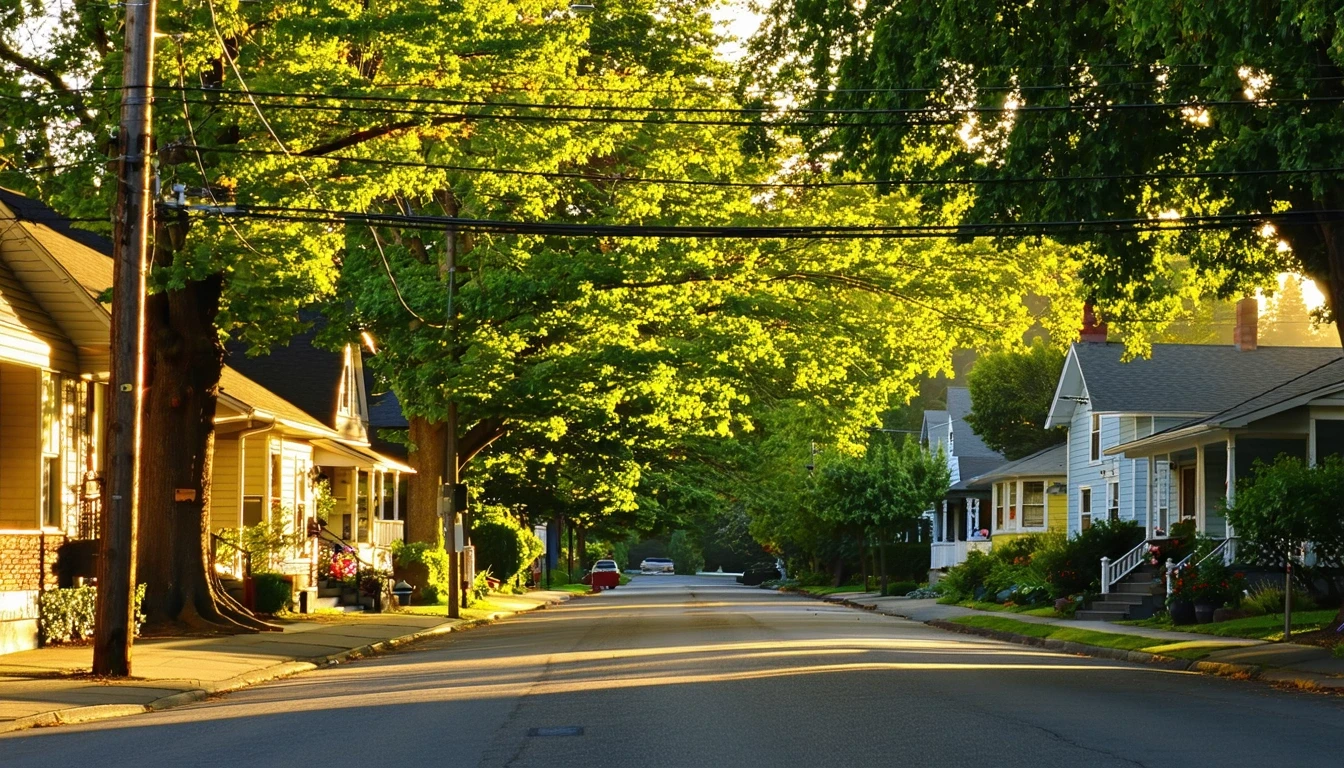
The Housing Market in Oregon City Today
Oregon City’s housing market operates at the intersection of suburban affordability and regional demand pressure. The median home value of $473,900 positions it as a moderate-cost option within the Portland metro area, but that figure still represents a substantial entry barrier for first-time buyers. What shapes this market isn’t just proximity to Portland—it’s the city’s role as a commuter-accessible suburb with its own infrastructure, including rail transit and walkable pockets that reduce total car dependency for some households.
The regional price index of 125 signals that costs here run higher than much of the country, but Oregon City avoids the extreme premiums found closer to Portland’s core. This creates a market where buyers often compete with households priced out of closer-in neighborhoods, while renters benefit from a relatively stable supply that hasn’t seen the same speculative pressure. The housing stock reflects a mix of single-family homes and smaller multifamily buildings, with development patterns that favor low- to mid-rise construction rather than dense vertical growth.
Newcomers often misunderstand how Oregon City’s transit access and walkable infrastructure affect housing value. Homes near rail stations or within the city’s walkable pockets command premiums not just for convenience, but because they reduce household transportation costs—a factor that matters more as gas prices remain elevated at $4.96 per gallon. The market rewards proximity to these amenities, and buyers who ignore location-based cost savings may underestimate the true expense of car-dependent alternatives.
Renting in Oregon City
At $1,527 per month, median gross rent in Oregon City reflects moderate pressure relative to household income, which stands at $90,174 per year. Monthly expenses for renters extend beyond base rent to include utilities, parking, and in some cases, fees for amenities or pet policies. The rental market here doesn’t experience the same volatility seen in speculative urban cores, but availability varies depending on proximity to transit and walkable corridors.
Renters in Oregon City benefit from the city’s corridor-clustered food and grocery access, where high food establishment density combines with medium grocery density to support daily errands without requiring long drives. However, this clustering means that renters farther from these corridors face greater planning friction—either driving to stock up or relying on smaller, less competitive retailers. The presence of rail transit and notable bike infrastructure allows some renters to reduce car dependency, but those working outside the immediate metro area still need reliable vehicle access for regional commutes.
Rental stability here comes from predictable monthly exposure rather than locked-in costs. Lease renewals can shift with market conditions, but Oregon City’s rental market hasn’t shown the sharp year-over-year swings that destabilize household budgets in faster-growing metros. Renters who prioritize flexibility and minimal maintenance responsibility find this market accommodating, especially if they’re still evaluating whether Oregon City fits their long-term plans.
Owning a Home in Oregon City
Ownership in Oregon City begins with the $473,900 median home value, which translates to a substantial down payment requirement and monthly carrying costs that extend well beyond principal and interest. Property taxes, homeowners insurance, and maintenance exposure all shift from landlord to owner, and these costs don’t remain static. Oregon’s property tax system ties assessments to market value, meaning that as home values rise, tax bills follow—though the pace and magnitude depend on local levy outcomes and assessment cycles.
Maintenance costs in Oregon City reflect the region’s climate, where wet winters and mild summers create specific wear patterns. Roofs, siding, and drainage systems face steady moisture exposure, and deferred maintenance accelerates deterioration. Homes with older HVAC systems or single-pane windows carry higher utility exposure during heating months, when natural gas prices at $15.37 per MCF combine with extended use to drive up costs. Ownership here means budgeting not just for predictable expenses, but for the volatility that comes with aging systems and weather-driven repairs.
The city’s mixed-height building character and presence of both residential and commercial land use mean that ownership experiences vary widely by neighborhood. Homes in walkable pockets near transit or commercial corridors offer lifestyle advantages that reduce transportation costs, but they also tend to command higher purchase prices. Buyers who prioritize yard space or single-family layouts often trade walkability for car dependency, which shifts costs from housing to fuel and vehicle maintenance over time.
Apartment vs House in Oregon City — Cost Behavior Comparison
| Expense Category | Apartment | House |
|---|---|---|
| Heating exposure (wet, mild winters) | Lower; shared walls reduce heat loss, smaller square footage | Higher; standalone structure, larger footprint, older insulation common |
| Exterior maintenance (moisture exposure) | Landlord responsibility; no direct cost to tenant | Owner responsibility; roof, siding, drainage require regular upkeep |
| Proximity to transit and walkable corridors | Often closer; multifamily development clusters near rail and commercial zones | More variable; single-family areas may require car for errands and commute |
| Parking and vehicle dependency | Assigned or limited; reduces need for multiple vehicles in walkable pockets | Driveway or garage typical; supports multi-car households and regional commutes |
Methodology note: This table includes only categories where Oregon City’s climate, housing stock, and infrastructure create meaningful cost behavior differences. Generic distinctions (e.g., “houses have more space”) are omitted. Differences reflect moisture-driven maintenance exposure, the city’s walkable pockets and rail access, and the clustering of multifamily housing near commercial corridors.
Utilities & Upkeep Differences
Utility exposure in Oregon City depends more on housing type and age than on extreme seasonal swings. The region’s mild winters mean heating costs dominate cold-month bills but rarely reach the intensity seen in colder climates. At 14.66¢ per kWh for electricity and $15.37 per MCF for natural gas, households face moderate baseline rates, but consumption patterns vary sharply between apartments and houses.
Apartments benefit from shared-wall insulation and smaller square footage, which reduces heating demand even in older buildings. Houses, especially those built before modern efficiency standards, lose heat through poorly insulated attics, single-pane windows, and gaps around doors and frames. Moisture exposure from Oregon City’s wet winters accelerates wear on exterior paint, wood trim, and roofing materials, creating ongoing maintenance cycles that apartment renters avoid entirely.
Upkeep differences extend beyond weatherproofing. Houses with yards face seasonal landscaping costs and stormwater management responsibilities, while apartments shift these tasks to property management. The city’s integrated park access and water features mean that households prioritizing outdoor space don’t necessarily need private yards, but those who choose houses often do so specifically for gardening, pets, or children’s play areas—uses that come with both cost and labor.
Rent vs Buy: Long-Term Exposure in Oregon City
The choice between renting and buying in Oregon City isn’t about which costs less month-to-month—it’s about which risk profile fits a household’s stability and flexibility needs. Renters face lease renewal volatility, where rent can adjust annually based on market conditions, but they avoid property tax increases, maintenance surprises, and the transaction costs of selling if circumstances change. Owners gain predictability in their principal and interest payments (if financed with a fixed-rate mortgage), but they absorb all volatility in taxes, insurance, repairs, and market value.
Over time, ownership exposure grows as systems age and tax assessments adjust. A roof that lasts 20 years will eventually need replacement, and that cost falls entirely on the owner. Property taxes respond to both assessed value changes and local levy decisions, creating exposure that renters never see directly. Insurance premiums shift with regional risk assessments and claims history, and homeowners have no mechanism to cap these increases the way renters can sometimes negotiate lease terms.
Renters maintain the option to relocate without selling, which matters in a city where job mobility and household composition changes are common. Owners build equity as they pay down principal and as home values appreciate, but they also concentrate financial risk in a single asset tied to one location. In Oregon City, where walkable pockets and transit access create location-specific value, buying in the wrong neighborhood can mean either accepting car dependency or selling at a loss to relocate closer to preferred infrastructure.
The long-term calculus depends on how long a household expects to stay and how much control they want over their living environment. Ownership makes sense for those who plan to remain in Oregon City for years and who value the ability to modify their home, absorb maintenance costs, and ride out market cycles. Renting fits those who prioritize flexibility, predictable monthly exposure, and freedom from repair responsibility, even if it means less control over housing stability as leases renew.
FAQs About Housing Costs in Oregon City
How does Oregon City’s median home value compare to nearby areas?
At $473,900, Oregon City’s median home value positions it as a moderate-cost option within the Portland metro area. It avoids the premium pricing closer to Portland’s core while still offering rail transit access and walkable infrastructure in certain neighborhoods. Buyers often choose Oregon City when priced out of closer-in suburbs, but the entry cost remains substantial relative to national baselines.
Is renting in Oregon City more stable than in other Portland-area suburbs?
Oregon City’s rental market shows less volatility than speculative urban cores, with median gross rent at $1,527 per month. The market benefits from a mix of single-family and multifamily stock, and renters near transit or walkable corridors gain access to daily errands without full car dependency. Stability comes from moderate demand pressure rather than rent control or policy interventions.
What drives maintenance costs for homeowners in Oregon City?
Moisture exposure from wet winters accelerates wear on roofs, siding, and exterior trim, creating ongoing repair cycles. Older homes with poor insulation or single-pane windows face higher heating costs and faster system degradation. Drainage issues and landscaping needs add to the maintenance burden, especially for houses with yards or older construction.
Does Oregon City’s walkable infrastructure reduce total housing costs?
Homes in Oregon City’s walkable pockets near rail transit and commercial corridors allow some households to reduce vehicle dependency, lowering fuel and maintenance costs over time. However, these homes often command higher purchase prices, so the savings shift from transportation to housing. Buyers who prioritize car-free or car-light living find value here, but those needing regional commute access still require reliable vehicles.
How does Oregon City’s housing market fit households with children?
Oregon City offers medium-density school infrastructure and integrated park access with high park density and water features, reducing the need to drive children to recreation. Walkable pockets and mixed land use support family logistics, but families prioritizing yard space or single-family layouts may trade walkability for car dependency. The housing market accommodates both preferences, but location choices shape daily cost exposure.
Making Housing Choices in Oregon City
Housing decisions in Oregon City come down to understanding how entry costs, long-term exposure, and location-based infrastructure shape daily life. Renters gain flexibility and predictable monthly costs, while owners absorb volatility in exchange for control and equity accumulation. The city’s walkable pockets, rail transit, and corridor-clustered errands access create meaningful cost differences depending on where you live, and those differences compound over time.
For households evaluating the real cost pressures in Oregon City, housing represents the largest single expense, but it interacts with transportation, utilities, and daily errands in ways that vary by neighborhood. Buyers who prioritize transit access and walkability reduce long-term transportation costs but pay higher purchase prices. Renters who choose car-dependent areas save on rent but spend more on fuel and vehicle maintenance. Neither path is universally better—each fits different stability needs, financial timelines, and lifestyle priorities.
Oregon City’s housing market rewards careful location analysis and honest assessment of how long you plan to stay. The city’s infrastructure supports multiple household types, but the cost experience depends on matching your housing choice to your actual mobility patterns, errands habits, and tolerance for maintenance responsibility. If you’re planning a move to Oregon City, understanding these tradeoffs before signing a lease or making an offer will clarify which housing path aligns with your financial and lifestyle goals.
How this article was built: In addition to public economic data, this article incorporates location-based experiential signals derived from anonymized geographic patterns—such as access density, walkability, and land-use mix—to reflect how day-to-day living actually feels in Oregon City, OR.