
Olathe, KS vs. Lenexa, KS: Cost of Living Comparison (2025)
As the Kansas City metro area continues to grow, many people find themselves comparing the cost of living between popular suburbs like Olathe and Lenexa. Both cities offer a high quality of life with excellent schools, safe neighborhoods, and plenty of amenities. But when it comes down to the numbers, which one provides better value for your budget in 2025?
To help you decide, let’s follow along with the fictional Smith family as they weigh the pros and cons of each city. John and Sarah Smith are in their mid-30s with two young children. They’re looking to balance their monthly expenses while still enjoying a comfortable suburban lifestyle. As we break down the key cost of living factors, we’ll see how the Smiths’ budget would fare in Olathe versus Lenexa.
Housing Costs
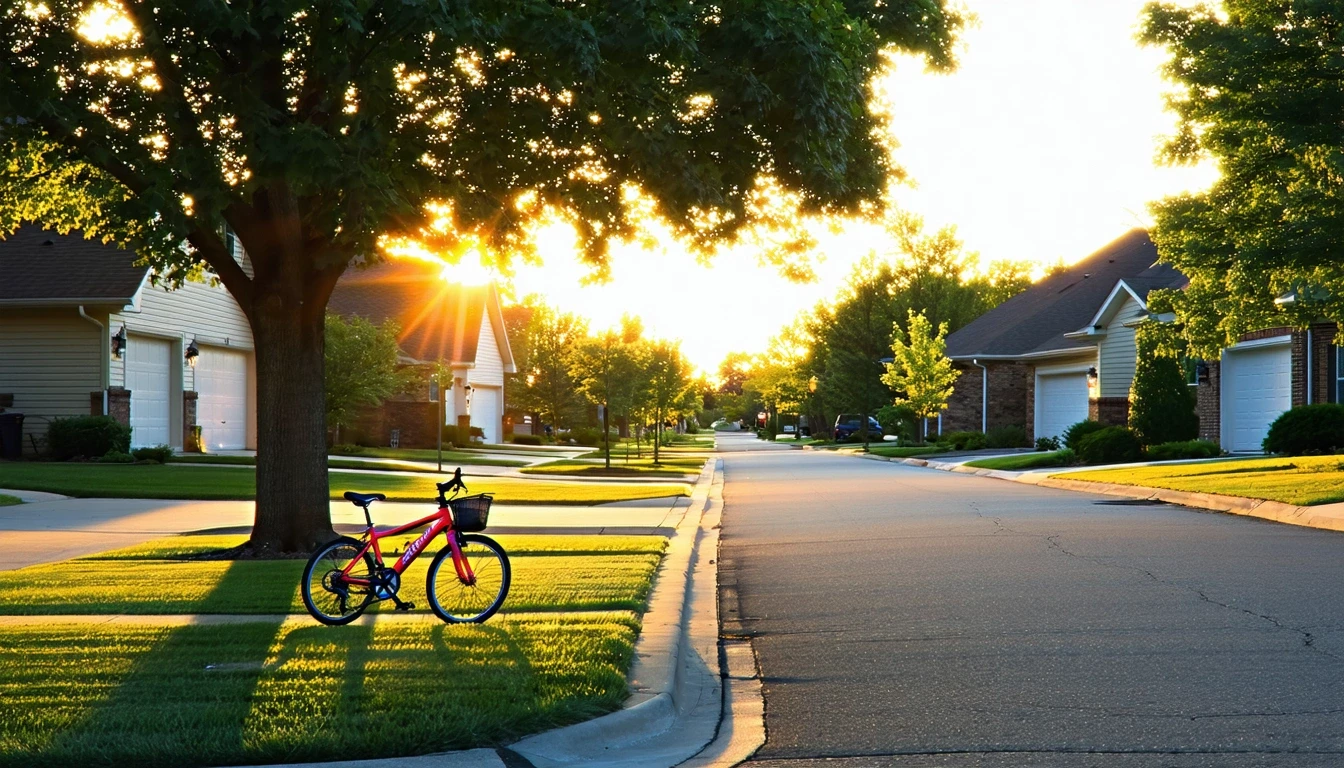
Housing is typically the biggest expense for most households, so it’s a critical factor in the Smiths’ decision. In Olathe, the median home price hovers around $350,000 for a 3-bedroom house. Rents for a 2-bedroom apartment average $1,400 per month. The city has a good mix of newer developments and established neighborhoods with mature trees.
Lenexa’s housing market is slightly pricier, with a median home value of $375,000 and average 2-bedroom rents of $1,550 monthly. The city has seen significant growth in recent years, with many new construction homes and luxury apartment complexes. While this means more modern amenities, it also translates to higher housing costs compared to Olathe.
| Housing Type | Olathe | Lenexa |
|---|---|---|
| 3BR House (median) | $350,000 | $375,000 |
| 2BR Apartment (avg rent) | $1,400 | $1,550 |
For a family like the Smiths looking to purchase a home, Olathe offers a bit more bang for their buck. They could likely find a suitable 3-bedroom house for around $25,000 less than in Lenexa. Young professionals or couples without children may be more willing to pay a premium for Lenexa’s newer apartments. But for most cost-conscious households, Olathe comes out ahead on housing.
Winner: Olathe. Lower home prices and rents give it an edge over Lenexa for affordability.
Utilities and Energy Costs
Both Olathe and Lenexa experience hot summers and cold winters, so heating and cooling costs are a concern for the budget-minded Smiths. In Olathe, the average monthly energy bill is around $150 for a typical household. Residents in older homes may see slightly higher costs due to less efficient insulation and windows.
Lenexa’s newer housing stock means many homes are built to more modern energy standards. Average utility costs run about $130 per month. The city also offers an optional green energy program, allowing residents to support renewable power for a small premium.
Water, sewer, and trash expenses are comparable between the two cities, averaging $60-$80 per month. Lenexa does have moderately higher water rates, but the difference is negligible for most families.
Winner: Lenexa. Newer construction and energy-efficient design help keep utility bills lower.
Groceries and Daily Expenses
For the Smith family, keeping the pantry stocked and the kids fed is a top priority. Fortunately, both Olathe and Lenexa have a variety of grocery options, from major chains to local markets. Prices are generally on par with the national average.
A gallon of milk runs about $3.50 in either city, with a loaf of bread around $2.50. Olathe does have a slight edge on produce prices, thanks to its proximity to local farms. A pound of apples averages $1.60 compared to $1.90 in Lenexa.
Eating out is a bit pricier in Lenexa, with a typical fast-food meal around $8 versus $7 in Olathe. A nice dinner for two averages $50 in Lenexa and $45 in Olathe. Of course, both cities have their share of high-end restaurants where you can easily spend more.
Winner: Olathe. While the differences are minor, Olathe does offer some savings on groceries and dining out.
Taxes and Fees
Kansas is known for its relatively low tax burden, but there are some differences between Olathe and Lenexa. Olathe’s property tax rate is around 1.3%, while Lenexa’s is slightly higher at 1.4%. For a $350,000 home, that’s a difference of about $350 per year.
Both cities charge a 1% local sales tax on top of the 6.5% state rate. So for most purchases, you’ll pay 7.5% in either location. However, Lenexa does have a 0.25% higher sales tax rate in certain special districts, such as the City Center development.
One notable difference is that Lenexa charges a 5% franchise fee on utility bills, which can add $5-$10 per month. Olathe does not have this additional fee. Over the course of a year, Lenexa residents pay about $60-$120 more.
Winner: Olathe. Lower property taxes and no utility franchise fee put Olathe ahead on tax costs.
Cost Summary Table
| Category | Olathe | Lenexa |
|---|---|---|
| Housing (3BR house) | $1,450 | $1,550 |
| Utilities | $220 | $200 |
| Groceries | $800 | $850 |
| Transportation | $300 | $300 |
| Taxes (property + sales) | $750 | $800 |
| Misc expenses | $500 | $500 |
| Estimated Monthly Total | $4,020 | $4,200 |
Based on these estimates, the hypothetical Smith family would spend about $180 less per month living in Olathe compared to Lenexa. That’s a savings of over $2,100 per year. Of course, actual costs will vary depending on the specific home, lifestyle, and consumption habits.
Methodology: Estimates reflect 2025 costs for a mid-size household (3-bedroom home) using published regional data and pricing trends. Actual expenses will vary with household size, lifestyle, and neighborhood.
Lifestyle Fit
While the numbers are important, the Smiths also want to make sure their new hometown fits their lifestyle. Both Olathe and Lenexa offer highly rated schools, low crime rates, and plenty of parks and recreation. But there are some notable differences.
Olathe has a more traditional suburban feel, with quiet tree-lined streets and a quaint downtown. It’s a great fit for families who value space and a tight-knit community. Commute times average 20-25 minutes to major employment centers.
Lenexa, on the other hand, has a more modern and urban vibe. The city has invested heavily in mixed-use developments like City Center, which blend residential, retail, and office space. It’s ideal for those who want a walkable live/work/play environment. Public transit options are more robust, with several bus routes connecting to Kansas City.
For the Smith family, Olathe’s lower cost of living and family-friendly neighborhoods make it a great choice. They value having a bit more space for the kids to play and don’t mind a slightly longer commute. But young professionals or empty nesters may prefer Lenexa’s newer amenities and urban conveniences.
Frequently Asked Questions
Is Olathe more affordable than Lenexa in 2025?
Yes, Olathe has a lower overall cost of living compared to Lenexa. Housing, groceries, and taxes all tend to be cheaper in Olathe, while utility costs are a bit higher than Lenexa.
How do property taxes compare between Olathe and Lenexa?
Olathe has a slightly lower property tax rate of 1.3%, while Lenexa’s is 1.4%. On a $350,000 home, that equates to about $350 more per year in Lenexa.
Are rental prices lower in Olathe or Lenexa?
Rental prices are generally lower in Olathe. A typical 2-bedroom apartment averages $1,400 per month in Olathe compared to $1,550 in Lenexa as of 2025.
What is the average monthly cost of living for a family of four in Olathe vs Lenexa?
Based on our estimates, a family of four would spend around $4,020 per month in Olathe compared to $4,200 in Lenexa. This factors in housing, utilities, groceries, transportation, taxes, and miscellaneous expenses.
Is Olathe considered a better value for homebuyers compared to Lenexa?
Yes, Olathe offers more affordable home prices and lower property taxes than Lenexa. This makes it an attractive choice for budget-conscious buyers looking to get the most for their money.
The Bottom Line
In the end, both Olathe and Lenexa are great places to call home. But when it comes to stretching your dollar, Olathe has the edge. Lower housing costs, cheaper groceries, and lower taxes all add up to significant savings compared to Lenexa.
For the Smith family, choosing Olathe means they can enjoy a high quality of life while keeping moving and monthly costs under control. The extra breathing room in their budget will give them peace of mind and more flexibility to save for the future. Of course, every household’s priorities are different. We recommend exploring our Olathe cost of living guide and sample monthly budgets to see how your specific expenses might shake out.