
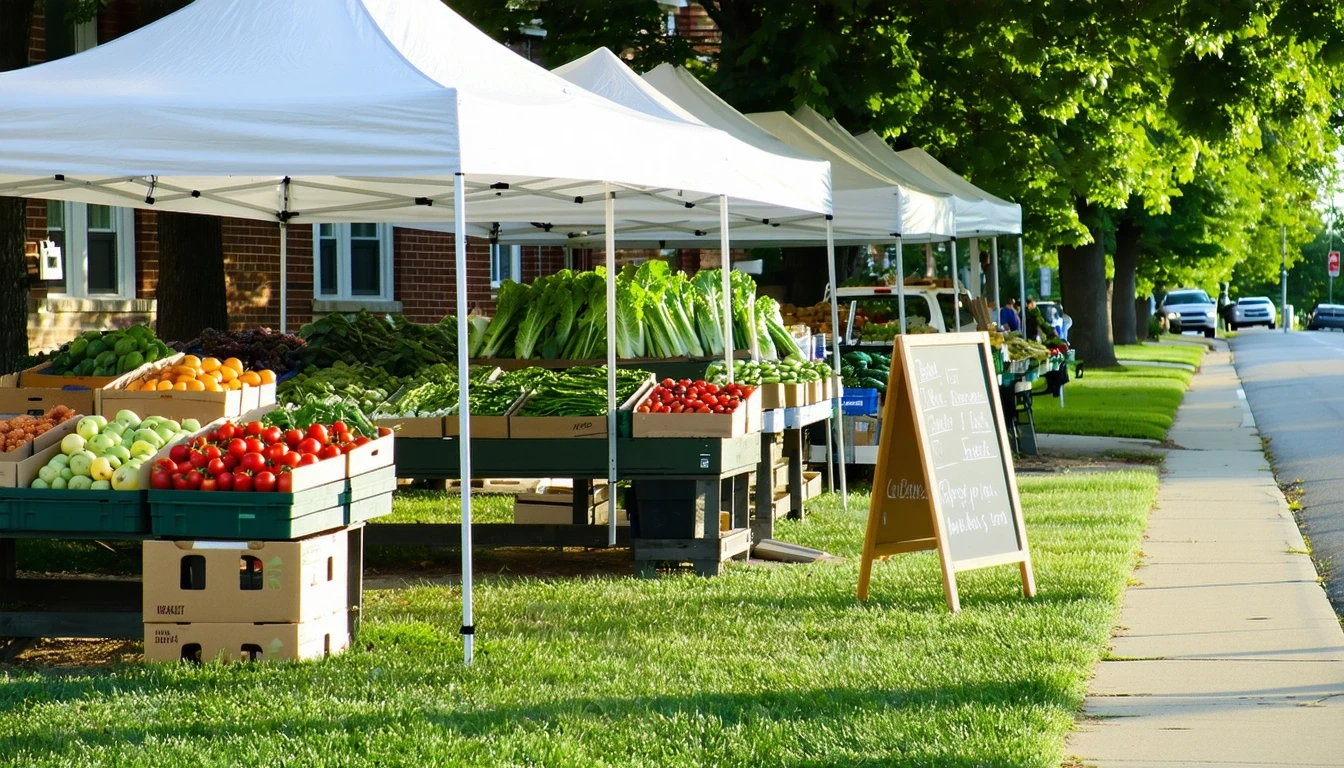
Setting the Grocery Baseline in Ofallon
When families compare grocery prices in Ofallon against national averages, they often find the Metro East offers a pleasant middle ground. Two adults typically spend between $500 and $800 per month on groceries here, depending on store choice, dietary preferences, and how often they opt for organic or specialty items. That range sits comfortably below the national median for similar households, which hovers closer to $700–$900 in many coastal metros. Ofallon’s proximity to St. Louis gives shoppers access to a competitive retail landscape—regional chains, national big-boxes, and independent grocers all vie for your dollar—which helps keep baseline prices in check.
The average grocery bill for two adults in Ofallon is about $650 per month. That figure assumes a balanced mix of fresh produce, lean proteins, pantry staples, and the occasional convenience item or treat. Couples who cook most meals at home, buy store brands, and time their trips around weekly sales can land closer to $500; those who favor organic dairy, grass-fed beef, and premium coffee will drift toward $800 or beyond. Seasonal swings matter, too: summer brings a bounty of affordable Illinois corn, tomatoes, and stone fruit, while winter produce often costs a bit more when it travels from warmer states.
Store tier makes a noticeable difference. Premium grocers with extensive deli counters and specialty sections may run 15–25 percent higher than discount chains on identical items. Mid-range supermarkets occupy the sweet spot for most Ofallon households, offering clean stores, reliable stock, and competitive pricing without requiring a membership card or a willingness to bag your own groceries. Understanding these tiers—and knowing when to mix and match—is the simplest lever for controlling your monthly food budget.
Item-by-Item Price Snapshot
In similar midsize cities, most pantry staples track national pricing, while fresh produce can vary by 10–20 percent depending on season and supplier. Without granular local data for every SKU, the best approach is to anchor your expectations around regional averages and then adjust based on the store you choose. A gallon of whole milk typically runs $3.20–$3.80, a dozen large eggs $2.50–$3.50, and a pound of boneless chicken breast $3.50–$5.00. Bread, rice, and pasta remain remarkably stable: a loaf of whole-wheat sandwich bread averages $2.50–$3.00, while a two-pound bag of long-grain white rice sits around $2.00–$2.50.
Fresh produce prices shift more dramatically. Apples and bananas—year-round staples—usually cost $1.50–$2.00 per pound and $0.50–$0.70 per pound respectively. Potatoes, another Midwest workhorse, run about $0.80–$1.20 per pound for russets. Cheese and coffee occupy the premium end of the pantry: an eight-ounce block of sharp cheddar averages $3.50–$5.00, and a twelve-ounce bag of ground coffee ranges from $6.00 for store brands to $12.00 or more for specialty roasts. Snack items—chips, crackers, granola bars—vary wildly by brand and promotion, but budget $3.00–$5.00 per package as a baseline.
Weekly specials and loss leaders can slash these numbers by 20–40 percent. Many Ofallon shoppers plan their protein purchases around Thursday or Friday ad drops, stocking up on marked-down chicken, pork chops, or ground beef and freezing extras. Seasonal produce—sweet corn in August, pumpkins in October—often sells for half the off-season price, making it an ideal time to preserve, can, or simply enjoy in abundance.
Where People Shop (and How It Affects Your Bill)
Ofallon’s grocery landscape divides neatly into three tiers, each with its own trade-offs. Premium grocers emphasize ambiance, selection, and service: wide aisles, abundant samples, extensive organic sections, and in-house bakeries. You’ll pay a 15–25 percent premium on most items, but the experience is pleasant and the quality consistent. These stores appeal to shoppers who value one-stop convenience and don’t mind spending extra for curated wine selections or prepared meals.
Mid-range supermarkets form the backbone of Ofallon grocery shopping. They stock national brands alongside robust private-label lines, maintain clean stores with reasonable variety, and run aggressive weekly promotions. Prices on staples—milk, eggs, bread, canned goods—typically match or undercut premium competitors by 10–15 percent, and loyalty-card discounts can drive another 5–10 percent off your total. Most families find these stores offer the best balance of price, quality, and convenience, especially when paired with a monthly bulk run to a warehouse club for paper goods, coffee, and frozen items.
Discount chains occupy the budget end of the spectrum. Expect no-frills interiors, limited selection, and a heavy emphasis on private labels and closeout deals. Savings can reach 20–30 percent versus premium stores on identical categories, but you’ll sacrifice variety and may need to visit multiple locations to complete your list. Smart shoppers use discount chains for pantry staples, canned goods, and frozen vegetables, then supplement with mid-range stores for fresh produce and proteins. That hybrid approach often yields the lowest overall monthly budget without requiring extreme couponing or endless driving.
How We Built the Two-Adult Estimate
Our $650 monthly baseline for two adults in Ofallon reflects a realistic shopping pattern: three to four grocery trips per month, a mix of store brands and national labels, and home cooking for roughly 80 percent of meals. We assume moderate consumption of fresh produce—enough for daily salads and side vegetables—lean proteins like chicken, ground turkey, and occasional fish, and pantry staples including rice, pasta, canned tomatoes, and beans. The estimate also includes coffee brewed at home (saving significantly versus café visits), basic condiments, cooking oils, and a modest snack budget.
Quantities scale naturally for two adults. A gallon of milk lasts about a week; a dozen eggs covers breakfasts and baking; a five-pound bag of flour or rice stretches across multiple weeks. Fresh produce turnover is faster—bananas, lettuce, and berries need weekly replenishment—but buying only what you’ll use prevents waste and keeps costs predictable. Meat purchases average two to three pounds per week, supplemented by plant-based proteins like lentils and chickpeas, which cost pennies per serving and add variety.
Estimates reflect 2025 prices from national sources such as USDA ERS, BLS CPI, and Census Bureau data, adjusted for local conditions; monthly totals are rounded and will vary by store, brand, and promotions. Households that entertain frequently, prefer organic across all categories, or buy premium cuts of meat should budget closer to $800. Conversely, couples willing to meal-prep, embrace store brands, and shop sales can comfortably land near $500 without sacrificing nutrition or satisfaction.
Budget-Friendly Ways to Save
Loyalty programs remain the easiest win. Most mid-range and discount grocers offer free membership cards that unlock weekly discounts, digital coupons, and fuel rewards. Scanning your card at checkout can shave 5–15 percent off your total with zero extra effort. Pair that with a cashback credit card (many offer 3–6 percent on grocery purchases) and you’re stacking savings effortlessly. Some stores also run periodic double-coupon events or bonus-point weekends; mark those dates and stock up on non-perishables.
Bulk buying makes sense for shelf-stable staples. Rice, dried beans, oats, flour, sugar, coffee, and canned goods all store well and cost significantly less per unit when purchased in larger formats. A twenty-pound bag of jasmine rice might run $15–$18, delivering dozens of servings at roughly $0.20 each—half the per-serving cost of smaller boxes. Warehouse clubs excel here, though you’ll need storage space and the discipline to avoid impulse buys on oversized jars of artichoke hearts you’ll never finish.
Weekly flyers and digital apps let you plan meals around what’s on sale. If chicken thighs drop to $1.99 per pound, build your week around stir-fries, sheet-pan dinners, and slow-cooker stews. When bell peppers hit $0.99 each, roast a batch for grain bowls and fajitas. This approach requires flexibility—you’re shopping the deals rather than a rigid menu—but it keeps your budget lean and your meals varied.
- Sign up for store loyalty programs and link a cashback credit card for stacked savings.
- Buy bulk staples—rice, beans, oats, coffee—at warehouse clubs or discount grocers.
- Plan weekly menus around sale proteins and seasonal produce.
- Brew coffee at home; a daily café latte costs $4–$6 versus $0.50 homemade.
- Freeze surplus proteins and bread to prevent waste and extend sale prices.
- Compare unit prices (per ounce or per pound) rather than package prices.
- Shop solo and stick to a list; impulse buys add 15–25 percent to most carts.
🏆 Tip: Brewing coffee at home instead of buying a daily café latte saves roughly $100–$150 per month for two adults. Invest in a decent grinder and a French press or drip maker, buy whole beans on sale, and you’ll enjoy better coffee while pocketing the difference.
Groceries vs Dining Out in Ofallon
Cooking at home remains the most reliable way to control food costs. A home-cooked dinner for two—grilled chicken, roasted vegetables, and rice—might cost $8–$12 in ingredients and deliver generous portions with leftovers for lunch. The same meal at a casual sit-down restaurant in Ofallon runs $30–$45 after tax and tip, a three- to fourfold markup. Even fast-casual takeout—burrito bowls, sandwiches, pizza—typically costs $20–$30 for two, still double or triple the home-cooked equivalent.
An average meal out in Ofallon costs $15–$25 per person. That figure covers casual dining—think family chains, local taverns, and ethnic spots—but excludes fine dining or special-occasion restaurants, which can easily double those numbers. For couples who dine out twice a week, restaurant spending adds $240–$400 to the monthly food budget, nearly matching or exceeding the entire grocery bill. Shifting even one of those meals to home cooking frees up $120–$200 per month for savings, debt repayment, or discretionary spending.
Takeout and delivery apps add convenience but amplify costs. Service fees, delivery charges, and tips can inflate a $25 order to $40 or more. When time is tight, consider hybrid strategies: buy a rotisserie chicken and bagged salad from the grocery deli for $12–$15, or assemble a charcuterie board with store-bought cheeses, crackers, and fruit for $10–$12. You’ll save money, control ingredients, and still enjoy a low-effort meal.
FAQs About Grocery Costs in Ofallon (2025)
What’s a realistic monthly grocery budget for two adults in Ofallon? Most couples spend $500–$800 per month, with $650 representing a comfortable middle ground. That range assumes home cooking for most meals, a mix of store brands and national labels, and moderate consumption of fresh produce and lean proteins. Households that prioritize organic, specialty items, or frequent convenience foods will trend toward the upper end.
Is it cheaper to shop in bulk in Ofallon? Yes, for shelf-stable staples like rice, beans, oats, flour, coffee, and canned goods. Warehouse clubs and discount grocers offer significant per-unit savings on these items, often 30–50 percent below supermarket prices. Fresh produce and proteins are trickier; bulk quantities make sense only if you have freezer space and a plan to use everything before spoilage.
Which stores in Ofallon are best for low prices? Discount chains deliver the lowest baseline prices, especially on pantry staples and frozen items. Mid-range supermarkets offer better variety and quality on fresh produce and proteins, often at competitive prices when you shop weekly sales. Many savvy shoppers split their trips: discount stores for non-perishables, mid-range grocers for fresh items, and occasional warehouse runs for bulk buys.
How much more do organic items cost in Ofallon? Organic products typically run 20–50 percent more than conventional equivalents. Organic milk might cost $5.50 per gallon versus $3.50 for conventional; organic chicken breast $7.00 per pound versus $4.00. The premium varies by category—organic apples and lettuce often cost only 15–20 percent more, while organic meat and dairy see steeper markups. Prioritize organic for the “Dirty Dozen” produce and conventional for the “Clean Fifteen” to balance cost and pesticide exposure.
What’s a good weekly grocery target if we cook most meals at home? Aim for $125–$175 per week for two adults who cook 80–90 percent of meals at home. That breaks down to roughly $18–$25 per day, covering breakfast, lunch, dinner, and snacks. Weeks with bulk purchases or stocking up on sale proteins may spike higher, balanced by lighter weeks when you’re eating down the pantry and freezer.
Do grocery prices in Ofallon vary much by season? Yes, especially for fresh produce. Summer brings abundant local corn, tomatoes, berries, and stone fruit at peak affordability. Winter produce—imported greens, peppers, and citrus—costs more due to transportation. Proteins remain fairly stable year-round, though holiday demand can push turkey and ham prices up in November and December. Shopping seasonally and preserving surplus (freezing, canning) maximizes savings.
Are store brands in Ofallon as good as national brands? In most categories, yes. Store-brand staples—milk, eggs, butter, flour, sugar, canned goods, frozen vegetables—are often produced by the same manufacturers as national brands and deliver identical or near-identical quality at 15–30 percent lower prices. Taste-test a few items; if you can’t tell the difference, the savings add up quickly. Reserve national brands for items where you have strong preferences—coffee, cereal, condiments—and go generic everywhere else.
Smart Grocery Planning in Ofallon
Two adults in Ofallon can expect to spend around $650 per month on groceries when they cook most meals at home, shop a mix of store tiers, and take advantage of weekly sales. That figure sits comfortably below national averages, thanks to the Metro East’s competitive retail landscape and proximity to regional distribution hubs. The key levers for controlling costs are straightforward: embrace store brands for staples, plan meals around sale proteins and seasonal produce, and split your shopping between discount chains for pantry goods and mid-range supermarkets for fresh items.
Store tier matters more than most shoppers realize. A household that exclusively patronizes premium grocers will spend 20–30 percent more than one that mixes discount and mid-range stops, even when buying identical items. Loyalty programs, cashback credit cards, and strategic bulk buying add another 10–15 percent in savings with minimal effort. The cumulative effect of these small choices—brewing coffee at home, freezing sale proteins, shopping the weekly flyer—can trim $100–$200 from your monthly bill without sacrificing variety or nutrition.
For a deeper dive into how grocery costs fit within your overall household budget, explore our complete guide to sample monthly budgets for living in Ofallon. You’ll find detailed breakdowns of housing, transportation, utilities, and discretionary spending, along with tools to model different scenarios and identify your best path to financial flexibility in the Metro East.