
According to composite public sentiment, 74 out of 100 residents say they’re happy in North Miami—but that number tells only part of the story. What makes someone feel at home here isn’t just satisfaction; it’s alignment. North Miami sits in an interesting middle ground: denser and more vertical than many South Florida suburbs, with pockets of genuine walkability and strong park access, yet still car-dependent for most daily needs and reliant on bus transit rather than rail. The emotional experience of living here depends heavily on what you came looking for—and whether the city’s particular mix of urban energy and logistical friction matches your tolerance and priorities.
People who thrive in North Miami tend to appreciate texture over simplicity. They value having sidewalks, nearby green space, and the ability to walk to a corner store or bus stop—even if they still drive most places. They’re drawn to the diversity, the proximity to water, and the fact that housing feels more accessible than in Miami proper or the polished enclaves to the north. But those who struggle often cite the same features from a different angle: density without the payoff of full walkability, traffic congestion during peak hours, uneven neighborhood quality, and a sense that you’re close to everything yet still need to plan around logistics. The city doesn’t fit neatly into “suburb” or “city,” and that ambiguity shapes how people feel about it daily.
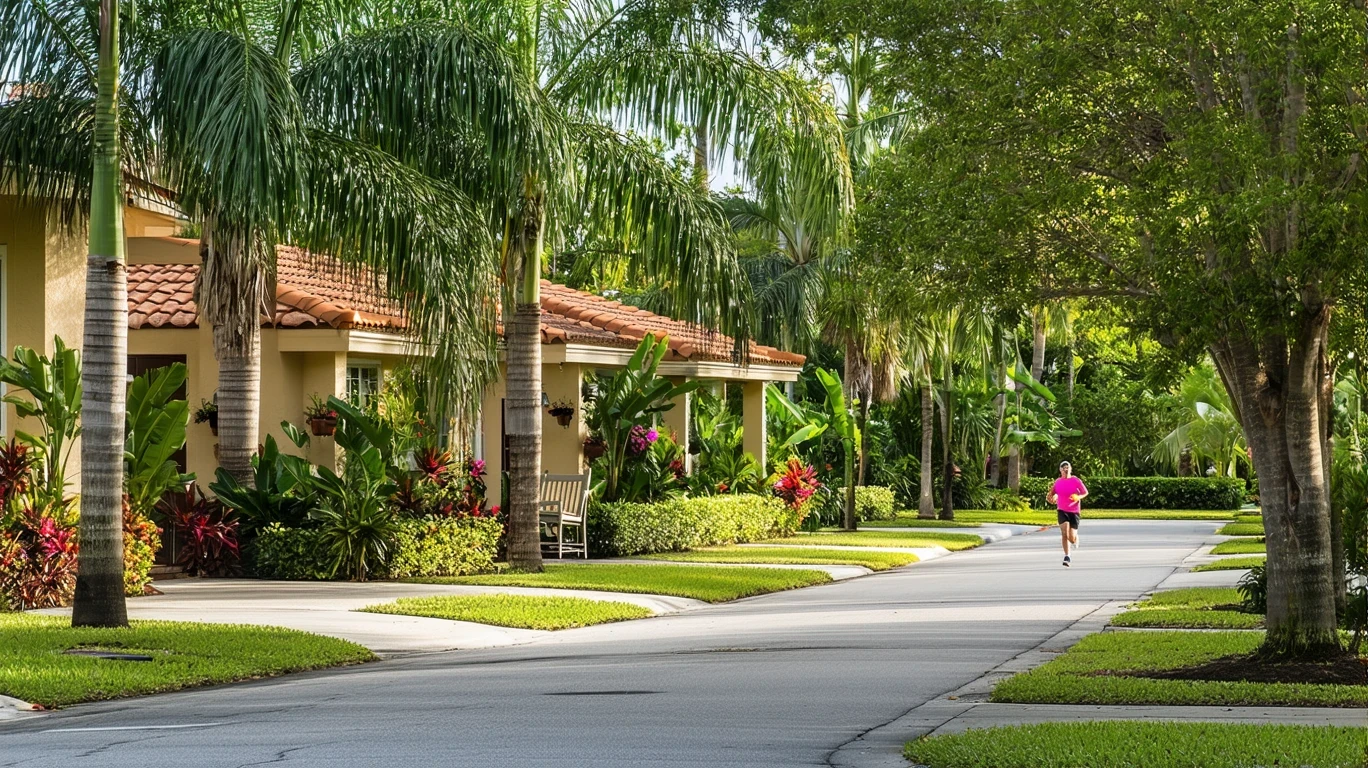
What the Conversation Sounds Like Online
Public discussion about North Miami—across neighborhood forums, local Facebook groups, and regional subreddits—tends to circle around a few recurring emotional themes: pride in community diversity, frustration with traffic and parking, cautious optimism about development, and ongoing debate about safety perceptions versus reality. The tone is rarely purely positive or purely negative; instead, it’s layered, protective, and pragmatic.
One common sentiment: “It’s not fancy, but it’s real. You get more space for your money, and the parks are actually nice—just don’t expect everything to be walkable.” This reflects a recurring tradeoff: people appreciate the value and accessibility compared to pricier nearby areas, but they’re clear-eyed about the need to drive and navigate uneven infrastructure.
Another frequent theme: “I love the mix of cultures and the food scene, but I wish the city felt more cohesive. Some blocks are great, others feel neglected.” This speaks to the corridor-clustered nature of errands and amenities—convenience is high if you’re near the right streets, but it drops off quickly in between.
A third pattern: “If you’re looking for quiet suburban life, this isn’t it. But if you want energy and access without Miami prices, it works.” This captures the urban form tension: more vertical, more dense, more active—but not everyone came here expecting that intensity.
How Local Coverage Frames the City
Local news and community media tend to frame North Miami through the lens of transition and identity. Coverage doesn’t dwell on a single narrative; instead, it reflects a city negotiating growth, infrastructure needs, and neighborhood character in real time. Headlines and story angles often fall into these timeless categories:
- “Community Debates What Growth Should Look Like”
- “New Amenities Arrive as Neighborhoods Evolve”
- “Residents Weigh Density vs Parking Pressure”
- “Parks and Waterfront Access Remain Key Draw”
- “Transit Options Expand, but Car Dependency Persists”
The tone is neither boosterish nor alarmist. Instead, it reflects a city where change is visible and opinions are mixed. Some residents welcome new development and denser housing as signs of vitality; others worry about losing affordability or neighborhood character. The framing tends to acknowledge both sides without resolving the tension—because the tension is the story.
What Review Platforms and Public Perception Reveal
On platforms like Google Reviews, Yelp, and Nextdoor-style forums, North Miami earns praise and criticism that often hinge on expectation alignment. People who moved here seeking suburban affordability with urban access tend to feel satisfied. Those who expected uniformly walkable neighborhoods, extensive transit options, or low-density quiet often feel let down.
Positive sentiment clusters around a few themes: park quality and water access, grocery density along main corridors, healthcare availability (including hospital presence), and school density for families. Residents frequently mention feeling like they’re “close to everything” without paying Miami or Aventura prices. The diversity of the community and the variety of local dining options also draw consistent appreciation.
Criticism tends to focus on unevenness: some streets feel well-maintained and walkable, others don’t. Parking can be tight in denser pockets, and traffic congestion during rush hours frustrates commuters. Public transit is functional for local trips, but the lack of rail limits regional mobility for those trying to reduce car dependence. Safety perceptions vary widely by neighborhood, and some residents feel the city’s reputation doesn’t match their lived experience—either better or worse than outsiders assume.
A recurring sentiment: “It’s not for everyone, but if you know what you’re getting, it’s a solid choice.” That conditional satisfaction is telling. North Miami rewards people who value proximity, diversity, and affordability over polish and predictability.
How North Miami Compares to Nearby Cities
| Aspect | North Miami | Miami Gardens | Aventura |
|---|---|---|---|
| Overall Vibe | Urban texture with suburban affordability; mixed density | Quieter, more residential, family-focused suburban feel | Polished, upscale, mall-centric with waterfront appeal |
| Walkability | Strong in pockets, corridor-dependent elsewhere | Limited; car-oriented throughout | Moderate near shopping centers, otherwise car-reliant |
| Transit Access | Bus service functional for local trips | Bus service present but less frequent | Bus service available; closer to future rail expansion |
| Green Space | Integrated parks and water access | Parks present but less dense | Waterfront parks well-maintained, more curated |
| Affordability | More accessible than coastal alternatives | Similar affordability, slightly lower density | Significantly higher housing and living costs |
If you’re drawn to North Miami’s walkable pockets and urban energy but wish it felt more polished and less car-dependent, Aventura might appeal—though you’ll pay considerably more for that convenience and aesthetic. If you prefer the affordability and diversity of North Miami but want less density and a quieter residential feel, Miami Gardens offers that tradeoff, though you’ll sacrifice some walkability and park access. North Miami occupies a middle zone: more texture than Miami Gardens, more accessible than Aventura, but requiring more navigation and tolerance for unevenness than either.
What Locals Are Saying
“I moved here from Broward because I wanted to be closer to Miami without the sticker shock. The parks are great, my kids’ school is walkable, and I can get groceries without driving far. It’s not perfect, but it works for us.”
— Family with young children, renting near a main corridor
“The diversity is what I love most. You hear different languages, the food is incredible, and people actually use the sidewalks. But parking is a nightmare sometimes, and I wish the bus came more often.”
— Young professional, living in a denser pocket
“It’s not as walkable as I hoped. I can walk to the park, but I still drive to the grocery store, the pharmacy, everywhere else. If you’re expecting a city vibe, you’ll be disappointed.”
— Remote worker, relocated from the Northeast
“I’ve been here 15 years, and it’s changed a lot. More apartments, more traffic, but also better amenities. I miss the quieter feel, but I understand why people are moving here.”
— Long-time homeowner, older neighborhood
“For retirees, it’s a mixed bag. The hospital is close, the weather is obviously great, and the parks are lovely. But if you don’t drive, you’re limited. The bus works, but it’s slow.”
— Retiree, living near green space
“I like that it feels more real than some of the newer planned communities. It’s not all manicured lawns and HOA rules. But that also means some blocks look rough, and you have to know where to go.”
— Single professional, renting short-term
“If you’re commuting to downtown Miami or Fort Lauderdale, factor in the time. Traffic is real, and there’s no train. I carpool now, but it’s still a grind during rush hour.”
— Commuter, working outside North Miami
Does North Miami Feel Like a Good Fit?
North Miami doesn’t offer a single, unified emotional experience. Instead, it offers a particular set of tradeoffs that resonate strongly with some people and frustrate others. It tends to work well for households that value affordability, diversity, and proximity to parks and water—and who are comfortable navigating a city where convenience clusters along corridors rather than spreading evenly. It appeals to people who want some walkability and urban texture without committing to full car-free living or paying premium prices for polished infrastructure.
It tends to frustrate people who expect uniformity: consistent walkability across all streets, fast regional transit, low-density quiet, or the kind of aesthetic cohesion found in newer planned communities. The city’s more vertical building character and denser pockets create energy and accessibility, but they also bring parking pressure, traffic congestion, and a feeling of crowding that not everyone signed up for.
The 74-out-of-100 sentiment score reflects this split: a majority feel the tradeoffs are worth it, but a significant minority feel caught between suburban expectations and urban realities. If you’re considering North Miami, the key question isn’t “Is it happy?”—it’s “Does this particular mix of access, density, affordability, and unevenness match what I actually need day-to-day?” If the answer is yes, the city offers genuine value and a strong sense of place. If the answer is no, the friction will compound quickly.
For a clearer sense of how these tradeoffs play out financially, explore A Month of Expenses in North Miami: What It Feels Like. To understand how income shapes your experience of the city’s amenities and lifestyle options, see Can You Feel Comfortable in North Miami on Your Income?. And if you’re weighing whether to rent or buy given the city’s housing dynamics, Renting vs Buying in North Miami: The Real Tradeoffs breaks down the decision in practical terms.
How this article was built: In addition to public economic data, this article incorporates location-based experiential signals derived from anonymized geographic patterns—such as access density, walkability, and land-use mix—to reflect how day-to-day living actually feels in North Miami, FL.
The perspectives shown reflect commonly expressed local sentiment and recurring themes in public discussion, rather than individual accounts.