
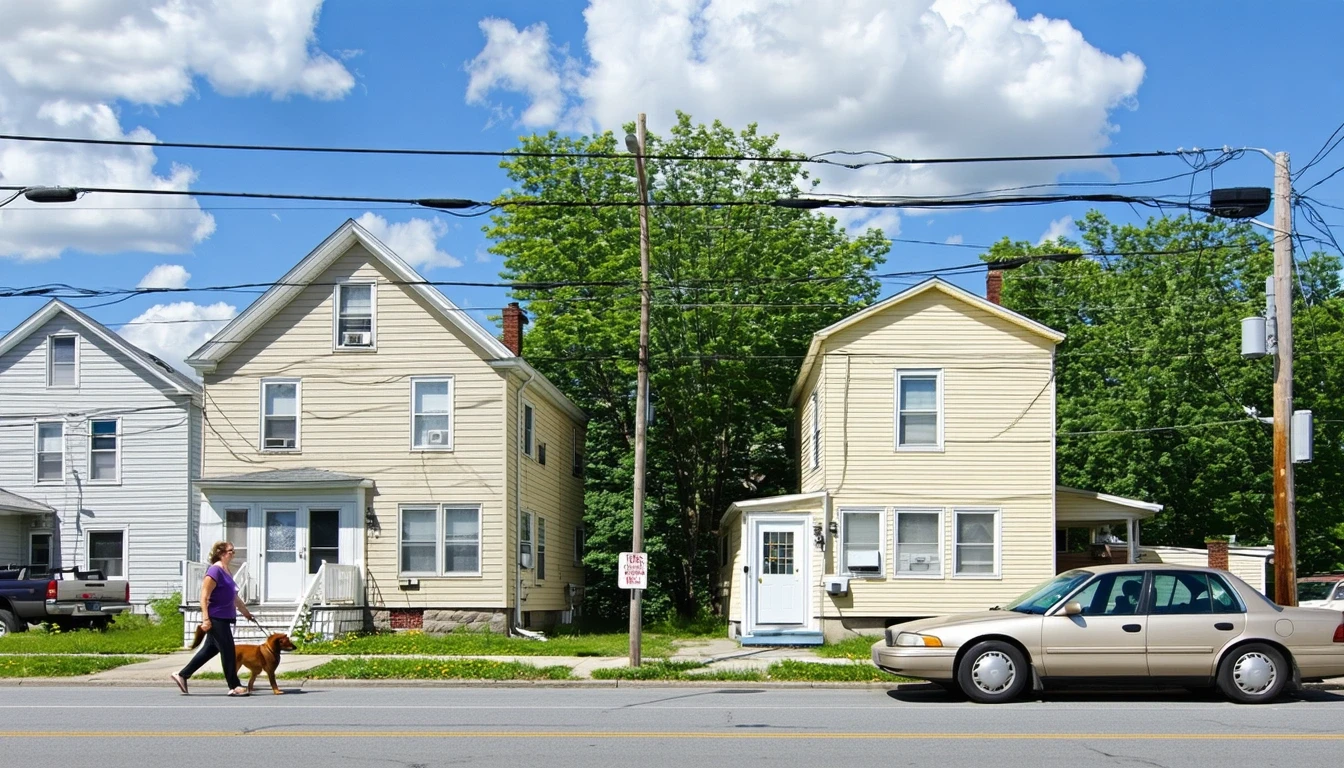
New Britain, CT vs. Bristol, CT: Cost of Living Comparison (2025)
When relocating within central Connecticut, many people find themselves comparing New Britain and Bristol. These two cities, both located in the Hartford metro area, offer a mix of suburban amenities and urban access. But for those on a budget, the cost of living often becomes the deciding factor.
As we look ahead to 2025, let’s dive into a detailed comparison of expenses in New Britain versus Bristol. We’ll examine housing costs, utilities, groceries, taxes, and lifestyle factors to help you determine which city provides the best value for your household.
Imagine the Johnsons, a family of four currently renting in New Britain. With their lease ending soon, they’re considering a move to Bristol for more space. However, they want to ensure the switch won’t strain their finances. Throughout this article, we’ll see how the Johnsons’ budget would fare in each city.
Comparing Housing Costs in New Britain and Bristol
Housing typically makes up the largest portion of a household’s monthly expenses. In 2025, the cost of living in New Britain for a mid-size family renting a 2-bedroom apartment averages around $1,400 per month. Prices for a 3-bedroom single-family home start closer to $1,800 monthly. The median home price in New Britain hovers near $225,000.
Bristol, on the other hand, tends to have slightly higher housing costs overall. Renters can expect to pay approximately $1,600 for a comparable 2-bedroom unit, while a 3-bedroom house typically rents for $2,000 or more. Median home values in Bristol come in around $275,000, a notable premium over New Britain.
| Housing Type | New Britain | Bristol |
|---|---|---|
| 2BR Apartment Rent | $1,400 | $1,600 |
| 3BR House Rent | $1,800 | $2,000 |
| Median Home Price | $225,000 | $275,000 |
For the Johnson family, this means staying in New Britain could save them $200-$400 per month on housing compared to Bristol. Over a year, that adds up to $2,400-$4,800 in potential savings – a significant amount for most budgets.
Young professionals and smaller households may find more rental options in New Britain, while Bristol offers a larger selection of single-family homes. But across the board, New Britain comes out ahead on housing affordability in 2025.
Utilities and Energy Expenses
Utility costs can vary depending on the size and age of your home. In New Britain, residents typically pay around $200 monthly for electricity, gas, water, and sewer. Older homes may have higher heating and cooling bills, while newer construction tends to be more energy-efficient.
Bristol residents report similar utility expenses, averaging $180-$220 per month. The city does offer some energy-saving programs, such as off-peak discounts for electricity use during lower-demand hours.
For a family like the Johnsons, utility costs will likely be comparable between the two cities. However, if they opt for an older home in Bristol, they may see slightly higher heating and cooling expenses. Assuming average usage, New Britain has a slight edge on utility affordability.

Comparing Grocery and Food Costs
Weekly grocery bills can quickly add up, especially for larger households. In New Britain, a family of four can expect to spend around $800-$1,000 per month on food, including a mix of grocery staples and occasional restaurant meals. Prices at local supermarkets are generally on par with national averages.
Bristol residents report similar grocery costs, with a monthly budget of $850-$1,050 typical for a mid-size family. The city does have a few specialty markets that may charge premium prices, but most residents stick to larger chain stores for everyday shopping.
Dining out tends to be slightly more expensive in Bristol, with entrees at local restaurants averaging $18-$25 compared to $15-$22 in New Britain. However, this difference is minimal for those who don’t eat out frequently.
For the Johnsons, grocery costs will likely remain stable whether they choose New Britain or Bristol. The key is to shop wisely and take advantage of sales and bulk discounts when possible. On the whole, New Britain offers marginally lower food costs for budget-conscious households.
Taxes and Fees in New Britain vs Bristol
Connecticut is known for its high property taxes, and both New Britain and Bristol are no exception. However, New Britain’s mill rate of 50.50 is notably lower than Bristol’s 55.05. For a home valued at $250,000, that translates to an annual tax bill of $12,625 in New Britain versus $13,763 in Bristol.
Sales tax is consistent across the state at 6.35%, so residents won’t see a difference there. However, Bristol does charge slightly higher vehicle taxes and registration fees, which can add up for multi-car households.
Renters may not directly pay property taxes, but these costs are often passed down through higher rent prices. So the Johnsons would likely still benefit from New Britain’s lower tax rate even as renters. Over time, the savings could be substantial, especially if they decide to purchase a home in the future.
Cost of Living Summary
| Category | New Britain | Bristol |
|---|---|---|
| Housing (3BR) | $1,800 | $2,000 |
| Utilities | $200 | $220 |
| Groceries | $900 | $950 |
| Transportation | $300 | $325 |
| Taxes (Property) | $1,052 | $1,147 |
| Misc. Expenses | $500 | $550 |
| Estimated Monthly Total | $4,752 | $5,192 |
Estimates reflect 2025 costs for a mid-size household (2-bedroom apartment or 3-bedroom home) using published national data and regional benchmarks. Actual expenses will vary with household size, lifestyle, and neighborhood.
Based on these figures, a family like the Johnsons could expect to spend around $4,752 per month living in New Britain. Moving to Bristol would increase their monthly expenses to approximately $5,192 – a difference of $440.
Over the course of a year, the cost savings of choosing New Britain add up to $5,280. For many households, that amount could cover several months’ worth of groceries, utilities, or transportation expenses.
Lifestyle and Amenities in New Britain and Bristol
Of course, cost is just one factor in deciding where to live. Lifestyle considerations also play a significant role. Both New Britain and Bristol offer a mix of urban amenities and suburban comforts, but there are some key differences.
New Britain is known for its diverse population and vibrant downtown area. Residents enjoy easy access to cultural attractions like the New Britain Museum of American Art and the Walnut Hill Park Rose Garden. The city also boasts a variety of ethnic restaurants and local shops.
Bristol, on the other hand, has a more traditional small-town feel. The city center is home to several historic buildings and quaint local businesses. Bristol also offers ample green space, including the popular Rockwell Park and its summer concert series.
In terms of walkability, New Britain has a slight edge. Many neighborhoods are within walking distance of schools, parks, and local businesses. This can help reduce transportation costs for those who prefer to walk or bike.
Commute times are similar between the two cities, with most residents driving 20-30 minutes to reach jobs in Hartford or other nearby employment centers. Both New Britain and Bristol have local bus service, but most households still rely on personal vehicles for daily transportation.
For the Johnson family, the lifestyle decision may come down to personal preferences. If they value diversity and urban amenities, New Britain could be the better fit. But if they prefer a quieter, more suburban feel, Bristol may suit them well. Either way, the cost savings of choosing New Britain could give them more flexibility to enjoy local attractions and activities.
Frequently Asked Questions
Is New Britain more affordable than Bristol in 2025?
Yes, New Britain tends to have lower costs across the board, including housing, utilities, taxes, and groceries. A typical family could save over $5,000 per year by choosing to live in New Britain rather than Bristol.
Are rental prices lower in New Britain or Bristol?
Rental prices are generally lower in New Britain, with a 2-bedroom apartment averaging around $1,400 per month compared to $1,600 in Bristol. This holds true for both apartments and single-family home rentals.
How do grocery costs compare between New Britain and Bristol?
Grocery costs are slightly lower in New Britain, but the difference is minimal. A family of four can expect to spend $800-$1,000 per month on food in New Britain, versus $850-$1,050 in Bristol.
Are property taxes higher in Bristol than in New Britain?
Yes, Bristol’s mill rate of 55.05 is notably higher than New Britain’s rate of 50.50. For a home valued at $250,000, that equates to an annual tax bill of $13,763 in Bristol compared to $12,625 in New Britain.
What is the average monthly cost of living for a family of four in New Britain vs. Bristol?
Based on 2025 estimates, a family of four can expect to spend around $4,752 per month in New Britain. The same family would spend approximately $5,192 per month in Bristol, a difference of $440.
Conclusion
When it comes to cost of living, New Britain holds a clear advantage over Bristol in 2025. Lower housing costs, utility bills, taxes, and food expenses all add up to significant savings for New Britain residents.
For a family like the Johnsons, choosing to stay in New Britain could mean an extra $440 in their monthly budget – money that could be saved for the future, used to pay off debt, or spent on family activities and experiences. Over the course of a year, the savings of living in New Britain versus Bristol could exceed $5,000.
Of course, cost is just one piece of the puzzle. Lifestyle factors like commute times, school quality, and local amenities also play a role in deciding where to live. But for those who prioritize affordability, New Britain is the clear winner in this head-to-head comparison.
If you’re considering a move to central Connecticut, be sure to explore our other resources on choosing a moving company and budgeting for your new home. With careful planning and smart choices, you can find the perfect balance of cost and quality of life in your next hometown.