
Is New Albany the kind of place you grow roots—or just pass through? For some, this planned community east of Columbus feels like the reward for years of career momentum: pristine streets, strong outdoor access, and a polished suburban aesthetic that signals arrival. For others, it reads as too controlled, too quiet, and too expensive to feel spontaneous or textured. The city’s vibe isn’t about grit or improvisation—it’s about intentionality, comfort, and a certain kind of suburban refinement that either fits your life stage perfectly or feels like a mismatch from day one.
New Albany attracts households who value low-density living with pockets of walkability, integrated green space, and proximity to corporate campuses. But the tradeoffs are real: limited school density, corridor-clustered errands, and a price point that excludes many. Understanding the city’s emotional profile means understanding who tends to feel “this is exactly what I wanted” versus who feels restless, priced out, or disconnected from the kind of community texture they crave.
The Emotional Landscape of New Albany
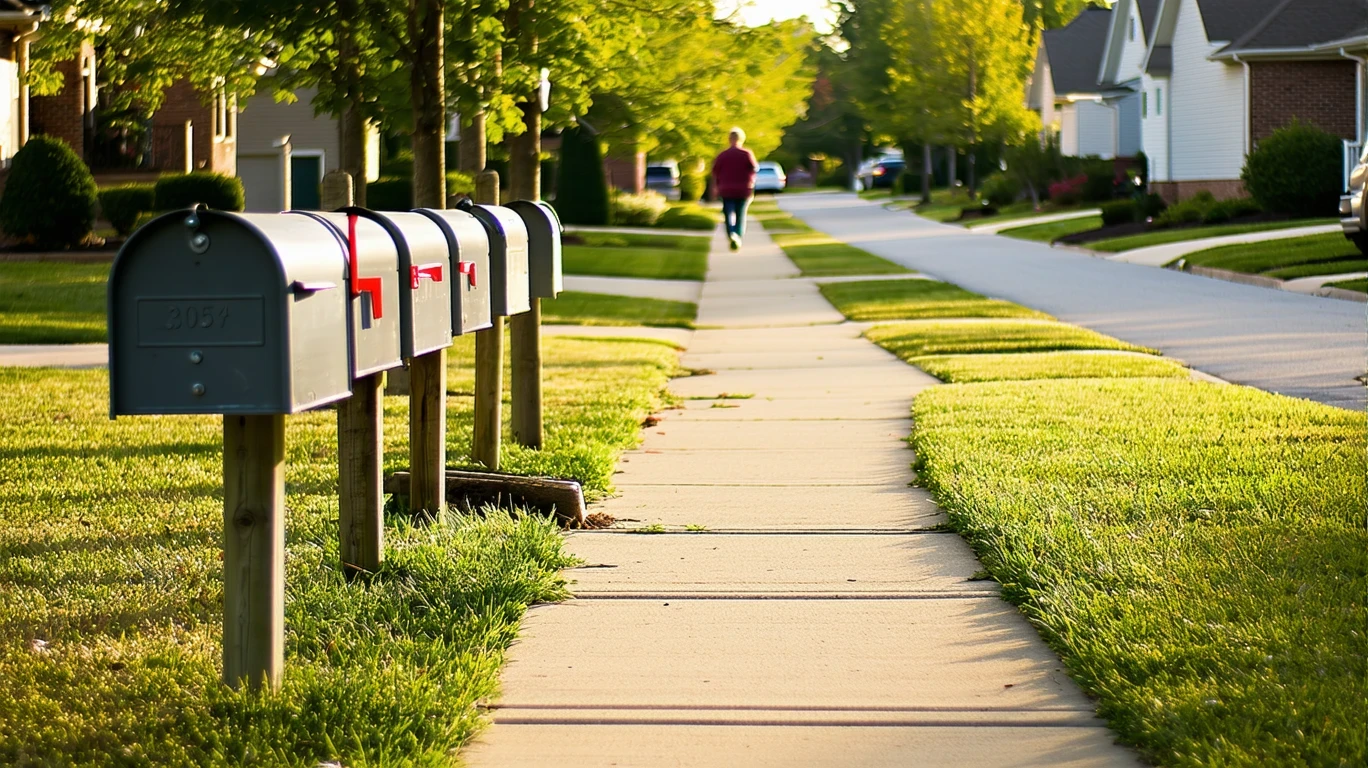
New Albany’s overall sentiment revolves around a single tension: exclusivity versus accessibility. The city’s median household income sits well above regional norms, and housing costs reflect that affluence. For those who can afford it, the city delivers on its promise: newer homes, well-maintained parks, water features, and a pedestrian-to-road ratio that exceeds thresholds in certain pockets. Outdoor access is integrated throughout the city, and healthcare infrastructure includes a hospital and pharmacies—practical anchors that reduce friction for families managing medical needs.
But the city’s structure also creates emotional friction for certain households. Errands are corridor-clustered rather than broadly accessible, meaning grocery runs and daily tasks require planning rather than spontaneity. School density falls below thresholds, which surprises some families expecting robust educational infrastructure in an affluent suburb. And while bike infrastructure is notable and bus service is present, the city’s mobility texture is best described as walkable pockets rather than pervasive pedestrian ease. You can walk comfortably in some areas, but car dependency still defines most daily logistics.
What tends to feel rewarding here: the sense of order, the outdoor amenities, the proximity to Columbus without living in the urban core, and the aesthetic consistency of planned neighborhoods. What tends to feel limiting: the cost barrier, the lack of walkable spontaneity outside certain zones, and the sense that the city is optimized for a narrow demographic—affluent professionals and families who prioritize space, newness, and outdoor access over density, variety, or affordability.
Social Media Buzz in New Albany
In cities like New Albany, locals often describe the vibe as a mix of pride and protectiveness. Conversations on platforms like Facebook and neighborhood forums tend to focus on maintaining the city’s aesthetic standards, debating growth and development, and celebrating outdoor amenities. There’s a recurring theme of “we moved here for a reason”—a sentiment that reflects both satisfaction and defensiveness about the city’s exclusivity.
Common discussion themes include:
- Pride in parks, trails, and green space—residents frequently mention the integrated outdoor access as a defining feature of daily life.
- Frustration with traffic and commute logistics, especially for those working in Columbus or navigating school drop-offs in areas with limited school density.
- Debate over new development—some residents welcome amenities and commercial growth, while others worry about losing the low-density character that attracted them in the first place.
“It’s beautiful here, and the parks are incredible, but you definitely pay for it—and not just in housing costs. Everything feels a little more curated, a little less spontaneous.”
“We love the trails and the sense of space, but running errands still means getting in the car. It’s not the kind of place where you walk to grab coffee or pick up groceries on a whim.”
“New Albany feels like it was designed for people who’ve already ‘made it.’ If you’re early in your career or trying to save, it’s hard to see how you’d fit in here.”
Local News Tone
Local coverage of New Albany tends to frame the city through the lens of growth, corporate influence, and community identity. The city’s proximity to major corporate campuses shapes much of the narrative, and discussions often center on how development should proceed without compromising the planned aesthetic that defines the area. Coverage rarely focuses on conflict or decline—instead, it emphasizes evolution, amenity expansion, and the balancing act between exclusivity and accessibility.
Simulated headline-style themes that capture the tone of local coverage:
- “Community Debates What Growth Should Look Like”
- “New Amenities Arrive as Town Identity Evolves”
- “Residents Weigh Convenience vs Quiet”
- “Outdoor Access Remains Central to City Appeal”
- “Corporate Campuses Shape Commute and Housing Patterns”
The overall tone is optimistic but cautious—pride in what the city offers, awareness of what it costs, and ongoing negotiation over what kind of place New Albany should become as it matures.
Review-Based Public Perception
On platforms like Google, Yelp, and Nextdoor-style forums, New Albany’s public perception splits along predictable lines: those who wanted suburban comfort and outdoor access tend to feel delighted, while those who expected more walkable texture, variety, or affordability tend to feel disappointed.
Positive reviews emphasize:
- Well-maintained parks, trails, and water features that make outdoor activity a seamless part of daily life.
- Newer housing stock with modern finishes and low-maintenance exteriors.
- Proximity to Columbus for work, dining, and entertainment without living in the urban core.
- Safe, quiet streets with a strong sense of order and aesthetic consistency.
Critical or mixed reviews mention:
- High cost of entry—both for housing and for the lifestyle the city assumes (two cars, private activities, dining out in Columbus).
- Limited walkable errands outside certain corridors, requiring car trips for most daily tasks.
- Lack of spontaneous social spaces—fewer coffee shops, bars, or casual gathering spots compared to denser suburbs.
- School density lower than expected for an affluent area, which surprises some families.
Neighborhood variation exists but is often framed generically: newer planned areas feel more polished and park-adjacent, while older pockets offer slightly more mature landscaping and established street character. Both tend to require a car for errands, but walkability within neighborhoods varies depending on pedestrian infrastructure density.
Comparison to Nearby Cities
| Aspect | New Albany | Dublin | Westerville |
|---|---|---|---|
| Overall Vibe | Polished, exclusive, outdoor-focused | Corporate, family-oriented, amenity-rich | Established, walkable downtown, mixed-age housing |
| Walkability | Pockets of high pedestrian infrastructure | Varies by neighborhood, some walkable zones | Strong downtown core, mixed elsewhere |
| Affordability | High barrier to entry | Expensive but slightly more range | More accessible, older housing stock |
| Outdoor Access | Integrated parks, trails, water features | Strong park system, golf courses | Parks present, less water-feature emphasis |
| Errands | Corridor-clustered, car-dependent | Broadly accessible in some zones | Downtown supports walkable errands |
New Albany, Dublin, and Westerville all serve affluent suburban households, but they appeal to different priorities. If you value newness, outdoor integration, and a highly controlled aesthetic, New Albany tends to feel like the right fit. If you want more walkable errands and a stronger downtown feel, Westerville offers that texture with slightly lower housing costs. Dublin sits in the middle—corporate, family-oriented, and amenity-rich, but without the same level of exclusivity or the same emphasis on water features and trail systems that define New Albany’s outdoor character.
None of these cities will satisfy someone seeking urban density, nightlife, or spontaneous walkable variety. For that, you’d look closer to Columbus’s core neighborhoods. But among affluent suburbs east and north of the city, New Albany distinguishes itself through its planned aesthetic, integrated green space, and the sense that it was designed for a specific income bracket and lifestyle stage.
What Locals Are Saying
“We moved here for the parks and the trails, and they’ve been everything we hoped for. Our kids are outside constantly. But we do miss being able to walk to a coffee shop or run a quick errand without getting in the car.”
“New Albany feels like a reward for working hard and getting to a certain point in your career. It’s beautiful, it’s safe, and it’s exactly what we wanted—but it’s not a place you stumble into. You have to be ready for the cost.”
“I work at one of the corporate campuses nearby, and living here makes the commute easy. But on weekends, we still drive into Columbus for restaurants and entertainment. New Albany is quiet, maybe too quiet for some people.”
“The bike paths are fantastic, and I use them all the time. But I wouldn’t call this a bike-friendly city in the sense that you can bike to most errands. It’s more recreational than functional.”
“We expected more schools and educational options given the income level here. The school density is lower than we thought, which has been a surprise.”
“It’s a little too polished for my taste. Everything feels planned and controlled, which is great if that’s what you want, but it can feel sterile if you’re used to neighborhoods with more character or variety.”
“New Albany is perfect if you’re in your 40s or 50s, established in your career, and want a low-maintenance lifestyle with great outdoor access. If you’re younger or still building wealth, it’s hard to see how you’d afford it—or why you’d want to.”
Does New Albany Feel Like a Good Fit?
New Albany’s emotional profile is clear: this is a city optimized for affluent households who value outdoor access, aesthetic consistency, and proximity to corporate employment without urban density. It tends to work well for families and professionals who’ve reached a certain income threshold and want a polished suburban environment where parks, trails, and water features are woven into daily life. The city’s walkable pockets, notable bike infrastructure, and integrated green space create moments of pedestrian ease, but car dependency still defines most errands and logistics.
It tends to frustrate households seeking affordability, walkable spontaneity, or dense family infrastructure. The corridor-clustered errands, limited school density, and high cost of entry create friction for those who expected more variety, accessibility, or educational options. And for those who crave urban texture, nightlife, or the kind of walkable neighborhood where you can run three errands on foot, New Albany will feel too controlled and too quiet.
The city’s vibe isn’t about compromise—it’s about alignment. If your life stage, income, and priorities match what New Albany offers, it feels like exactly the right place. If they don’t, the city’s exclusivity and structure will feel like barriers rather than benefits. Understanding quality of life factors and lifestyle needs can help clarify whether the tradeoffs here align with your expectations, and exploring housing tradeoffs can reveal whether the cost of entry matches the value you’d receive. For those weighing where money goes and day-to-day costs, New Albany’s financial pressure is real—but for some households, it’s the price of living in a place that feels intentional, ordered, and exactly what they’ve been working toward.
How this article was built: In addition to public economic data, this article incorporates location-based experiential signals derived from anonymized geographic patterns—such as access density, walkability, and land-use mix—to reflect how day-to-day living actually feels in New Albany, OH.
The perspectives shown reflect commonly expressed local sentiment and recurring themes in public discussion, rather than individual accounts.