

—
Murray and Sandy sit just miles apart in Utah’s Salt Lake County, sharing the same regional economy, weather patterns, and access to the Wasatch Range. Yet the cost structure in each city behaves differently—not because one is universally cheaper, but because housing entry barriers, commute patterns, and day-to-day infrastructure create distinct pressure points for different households in 2026. Families weighing school access against mortgage affordability, young professionals deciding between walkability and yard space, and dual-income couples managing commute logistics all face different tradeoffs depending on which city they choose. This comparison explains where costs concentrate, how predictability differs, and which households feel each city’s strengths most clearly.
Both cities benefit from Utah’s relatively moderate regional price environment and stable employment market, but the decision between them hinges less on total cost and more on which expenses dominate your household’s budget and lifestyle. Murray offers lower housing entry costs, shorter average commutes, and denser access to transit and errands, while Sandy represents a higher-income suburban market with more space and a greater share of residents working from home. Understanding how these structural differences translate into daily financial pressure—and where flexibility exists—is essential for making a confident choice.
Housing Costs in Murray vs Sandy
Housing represents the starkest difference between Murray and Sandy. Murray’s median home value sits at $415,700, while Sandy’s reaches $492,300—a gap that shapes affordability, entry barriers, and the types of households each city attracts. For renters, the pattern holds: Murray’s median gross rent is $1,376 per month, compared to Sandy’s $1,640. These aren’t small differences; they represent fundamentally different housing markets within the same metro area, and they affect how much flexibility households retain after covering shelter costs.
The housing cost gap matters most for first-time buyers and single-income households, where the difference between a $415,700 and $492,300 home translates directly into down payment size, monthly mortgage obligations, and long-term equity exposure. In Murray, a household can access ownership with a smaller upfront commitment, leaving more room for savings, maintenance reserves, or absorbing unexpected expenses. Sandy’s higher entry point appeals to households with established equity or dual incomes, but it also means less flexibility if one income is disrupted or if property taxes and insurance rise over time. Renters face a similar dynamic: the $264 monthly difference between Murray and Sandy rents accumulates quickly, and it often determines whether a household can afford a two-bedroom unit or must settle for a one-bedroom in a higher-cost area.
Housing stock composition also plays a role. Murray’s experiential signals indicate mixed building heights and integrated residential-commercial land use, suggesting a range of housing types including apartments, townhomes, and single-family homes in closer proximity. This variety can create more rental options and price tiers within the city. Sandy, positioned as a higher-income suburb, likely skews toward single-family detached homes with larger lots, which appeals to families prioritizing space and privacy but limits options for renters or buyers seeking lower-maintenance, lower-cost entry points.
| Housing Type | Murray | Sandy |
|---|---|---|
| Median Home Value | $415,700 | $492,300 |
| Median Gross Rent | $1,376/month | $1,640/month |
For young professionals and couples without children, Murray’s lower rent and ownership costs provide breathing room to save, travel, or invest in career development. For families with school-age children, the decision becomes more complex: Murray offers strong family infrastructure (schools and playgrounds meet density thresholds), but Sandy’s higher-income context may correlate with different school funding dynamics or neighborhood characteristics that some families prioritize. Retirees and empty-nesters face a different calculus—Murray’s walkable pockets and transit access reduce car dependency, while Sandy’s larger homes may feel burdensome to maintain as mobility or income changes.
Housing takeaway: Murray’s lower entry costs favor first-time buyers, single-income households, and renters seeking flexibility. Sandy’s higher housing costs appeal to established households prioritizing space and willing to accept less financial cushion in exchange for larger lots and a higher-income neighborhood context. The difference isn’t about one city being “affordable”—it’s about which type of housing pressure (entry barrier vs. ongoing obligation) your household can manage more comfortably.
Utilities and Energy Costs
Utility costs in Murray and Sandy are shaped by similar climate exposure—both cities experience cold winters requiring natural gas heating and warm summers demanding air conditioning—but modest rate differences and housing stock characteristics create slightly different cost profiles. Murray’s electricity rate is 13.07¢/kWh, compared to Sandy’s 13.69¢/kWh, a difference that matters more for larger homes or households running high cooling and heating loads. Natural gas prices follow the same pattern: Murray’s rate is $10.21 per MCF, while Sandy’s is $11.40 per MCF. These aren’t dramatic gaps, but they compound over months of heavy heating or cooling use.
The bigger driver of utility cost differences isn’t rates—it’s housing form and size. Sandy’s higher home values and likely larger average square footage mean more space to heat in winter and cool in summer, which translates into higher baseline consumption even if rates were identical. Murray’s mixed building heights and denser urban form suggest a greater share of apartments and attached housing, which tend to be more energy-efficient due to shared walls and smaller footprints. A family in a 2,500-square-foot detached home in Sandy will face higher heating and cooling exposure than a similar household in a 1,400-square-foot townhome in Murray, regardless of rate differences.
Seasonality also plays a role in how predictable utility costs feel. Utah winters can be harsh, and natural gas heating dominates expenses from November through March. Summers bring intense heat, pushing air conditioning use and electricity bills higher. Households in larger homes—more common in Sandy—experience greater seasonal swings, making budgeting harder and leaving less flexibility for other expenses during peak months. Smaller homes and apartments in Murray tend to smooth out these swings, offering more predictable monthly utility obligations.
Older housing stock in either city introduces additional variability. Homes built before modern insulation standards leak heat in winter and cool air in summer, driving up consumption regardless of rates. Newer construction, more common in recently developed Sandy neighborhoods, may offset rate differences with better efficiency. Renters in Murray, particularly those in newer mixed-use buildings, may benefit from landlord-paid utilities or more efficient HVAC systems, reducing their direct exposure. Homeowners in both cities bear full responsibility for efficiency upgrades, but those in larger Sandy homes face higher upfront costs to weatherize or replace aging systems.
Utility takeaway: Sandy households, particularly those in larger single-family homes, face higher utility exposure due to both modestly higher rates and greater square footage to heat and cool. Murray households, especially renters in apartments or smaller attached homes, experience more predictable and lower baseline utility costs. The difference is less about rates and more about housing form, size, and seasonal volatility.
Groceries and Daily Expenses
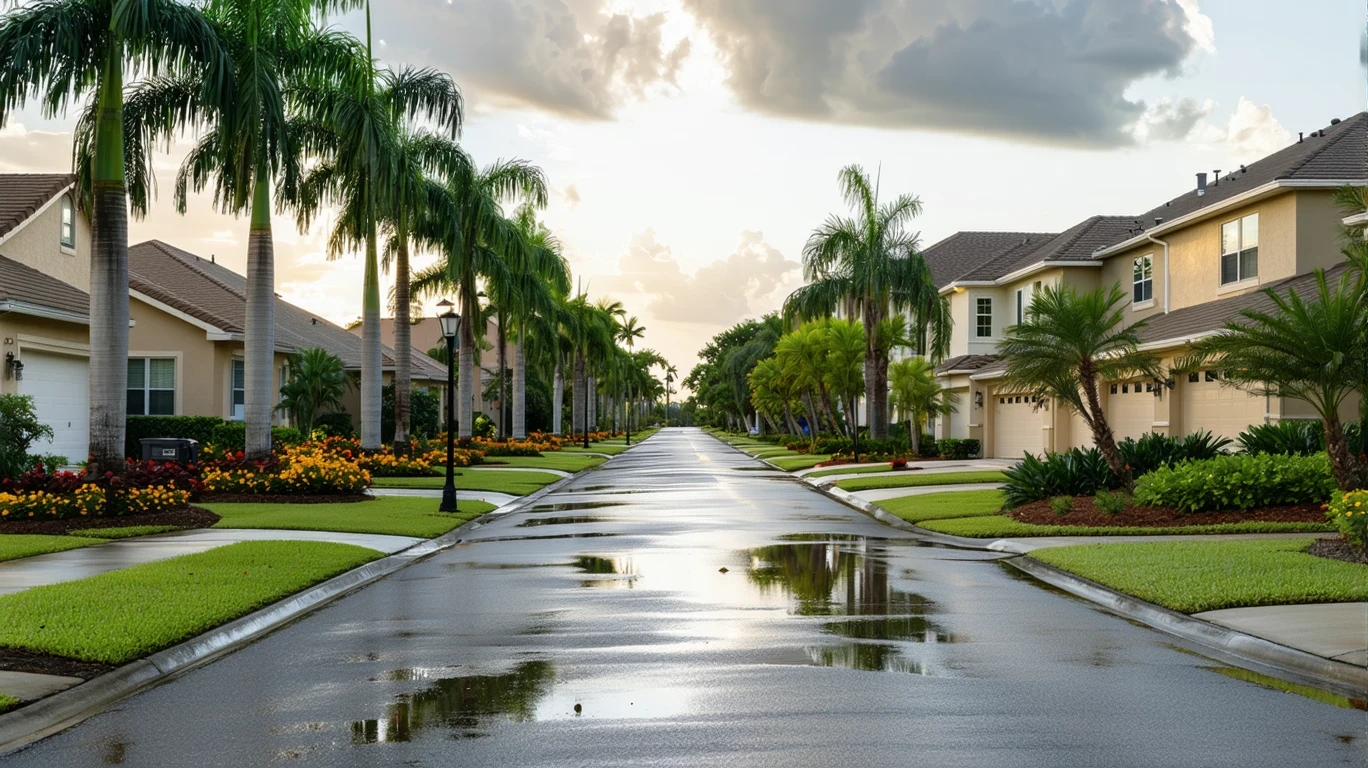
Grocery and daily spending patterns in Murray and Sandy reflect both regional price parity (identical at 96 for both cities) and local access infrastructure. Murray’s experiential signals show broadly accessible food and grocery options, with both food establishment density and grocery density exceeding high thresholds. This means households in Murray can shop at multiple stores within a short distance, compare prices easily, and avoid long drives to access staples. Sandy lacks comparable experiential data, but its higher-income suburban character suggests a different retail mix—likely fewer discount grocers and more specialty or upscale options, which can nudge spending higher even when regional prices are similar.
The cost of groceries isn’t just about shelf prices; it’s about how much time, fuel, and convenience spending creeps in around the edges. In Murray, dense grocery access reduces the need to drive long distances or make emergency runs to expensive convenience stores. Households can walk or take short trips to restock, and the presence of multiple competing stores creates natural price pressure. In Sandy, lower density and car-oriented layouts may mean fewer nearby options, longer trips, and a greater temptation to consolidate errands with dining out or takeout—small decisions that add up over weeks.
Dining out and convenience spending also differ by household type and city structure. Single adults and couples in Murray benefit from walkable access to cafes, quick-service restaurants, and neighborhood markets, which can reduce reliance on meal prep but also introduce spending creep if not managed. Families with children in Sandy may face fewer walkable dining options, which can reduce impulse spending but also increases reliance on bulk grocery trips and meal planning. The tradeoff isn’t about one city being cheaper—it’s about which spending pattern (frequent small purchases vs. infrequent large hauls) fits your household’s rhythm and discipline.
Grocery takeaway: Murray’s dense grocery and food access reduces friction and travel costs, favoring households that value walkability and price comparison. Sandy’s suburban layout may require more planning and longer trips, which can either reduce convenience spending (if disciplined) or increase it (if time pressure leads to takeout). Families managing larger volumes may prefer Sandy’s big-box access, while singles and couples may find Murray’s neighborhood options more efficient.
Taxes and Fees
Property taxes, sales taxes, and local fees in Murray and Sandy operate under the same county and state frameworks, but the housing cost difference creates divergent property tax obligations. A $492,300 home in Sandy generates a higher annual property tax bill than a $415,700 home in Murray, even at identical millage rates. This difference is front-loaded for buyers—higher home value means higher assessed value, which translates into a larger recurring obligation that persists as long as you own the home. For renters, property taxes are embedded in rent, but the $264 monthly rent gap between Murray and Sandy likely reflects, in part, landlords passing through higher tax costs in Sandy.
Sales taxes in Utah are relatively high compared to other states, and both cities share the same regional rate structure. This means everyday purchases—groceries, gas, household goods—carry the same tax burden regardless of which city you choose. The difference lies in how much disposable income remains after housing and utilities to absorb that tax burden. Households in Murray, with lower housing costs, retain more flexibility to manage sales tax exposure on discretionary spending. Households in Sandy, with higher housing obligations, may feel sales tax pressure more acutely when budgets tighten.
Local fees—trash collection, water, sewer, stormwater—vary by provider and housing type, but they tend to be more predictable in newer suburban developments like those common in Sandy, where fees are often bundled or managed by homeowners associations. In Murray, fee structures may vary more widely depending on neighborhood age and whether services are city-provided or privately contracted. HOA fees, more prevalent in Sandy’s newer subdivisions, can add $50 to $300 per month depending on amenities, and they represent a fixed cost that doesn’t fluctuate with usage. Murray’s older, more varied housing stock may have fewer HOA obligations, giving homeowners more control over maintenance spending but also more responsibility for upkeep.
Taxes and fees takeaway: Sandy’s higher home values generate higher property tax obligations, which compound over time and reduce flexibility for long-term owners. Murray’s lower home values mean lower recurring tax costs, leaving more room to absorb sales taxes and discretionary fees. HOA fees are more common in Sandy, adding predictability but also fixed costs; Murray’s varied housing stock offers more control but requires more self-management.
Transportation and Commute Reality
Transportation costs in Murray and Sandy differ not because of dramatic fuel price gaps—Murray’s gas price is $2.73 per gallon compared to Sandy’s $2.59—but because of how commute patterns, transit access, and urban form shape daily travel behavior. Murray’s average commute time is 20 minutes, with 20.3% of workers facing long commutes. Sandy’s average is 23 minutes, with 30.9% enduring long commutes. These differences may seem modest, but they reflect deeper structural patterns: Murray’s denser layout, rail transit presence, and walkable pockets reduce car dependency for some trips, while Sandy’s suburban form and longer commute share increase reliance on personal vehicles.
Murray’s experiential signals confirm rail transit service and substantial pedestrian infrastructure in parts of the city, meaning households near transit corridors can reduce or eliminate car trips for work, errands, or recreation. This doesn’t just save fuel—it reduces wear on vehicles, lowers insurance costs (some insurers offer discounts for low mileage), and creates flexibility for one-car households. Sandy lacks comparable transit data, and its higher long-commute percentage suggests more residents are driving longer distances to work, likely into Salt Lake City or other employment centers. For dual-income households in Sandy, this often means two cars, two sets of maintenance costs, and two fuel budgets.
The work-from-home percentages also tell a story: 2.6% in Murray versus 4.0% in Sandy. Sandy’s higher rate suggests more knowledge workers or remote-friendly employers, which can offset transportation costs for some households. But for those who do commute, Sandy’s longer average and higher long-commute share mean more time and money spent on the road. Murray’s shorter commutes and transit options create more predictable transportation costs and less exposure to fuel price volatility.
Transportation takeaway: Murray’s shorter commutes, rail transit access, and walkable infrastructure reduce car dependency and create flexibility for households willing to live near transit. Sandy’s longer commutes and suburban layout increase reliance on personal vehicles, favoring households with remote work flexibility or those prioritizing space over commute convenience. The cost difference isn’t just fuel—it’s time, vehicle wear, and the hidden expense of car dependency.
Where Cost Pressure Concentrates
Housing dominates the cost experience in both Murray and Sandy, but the nature of that pressure differs. In Sandy, housing costs are front-loaded and ongoing: higher purchase prices, larger down payments, higher property taxes, and greater utility exposure due to home size. Households in Sandy accept these costs in exchange for space, newer construction, and a higher-income neighborhood context. In Murray, housing costs are lower across the board, but the tradeoff is less space and a more varied housing stock. For households sensitive to entry barriers—first-time buyers, single-income families, renters—Murray’s lower housing costs create breathing room that Sandy simply doesn’t offer.
Utilities introduce more volatility in Sandy, where larger homes and higher rates compound seasonal swings. Families in detached homes face unpredictable heating and cooling bills that can strain budgets during extreme weather. Murray’s smaller average home size and denser housing forms smooth out utility costs, making month-to-month budgeting easier. This predictability matters most for fixed-income households, retirees, and families with tight margins who can’t absorb surprise bills.
Transportation patterns matter more in Sandy, where longer commutes and higher car dependency increase both time and money costs. Households in Sandy need to budget for higher fuel consumption, more frequent maintenance, and the possibility of needing two vehicles. Murray’s transit access and shorter commutes reduce these pressures, particularly for households near rail lines or within walkable neighborhoods. For single adults and couples without children, this difference can be decisive—Murray’s infrastructure supports car-light living, while Sandy’s layout assumes car ownership.
Daily living costs—groceries, dining, convenience spending—reflect access patterns more than price differences. Murray’s broadly accessible food and grocery options reduce friction and create opportunities for price comparison, while Sandy’s suburban layout requires more planning and longer trips. Families managing large grocery volumes may prefer Sandy’s big-box access, but singles and couples often find Murray’s neighborhood density more efficient and less prone to impulse spending.
The decision between Murray and Sandy isn’t about which city is cheaper overall—it’s about which cost structure aligns with your household’s income stability, flexibility needs, and lifestyle priorities. Households sensitive to housing entry barriers, commute time, and car dependency may find Murray’s lower costs and denser infrastructure a better fit. Households prioritizing space, newer homes, and willing to accept higher fixed costs may prefer Sandy’s suburban character. The better choice depends on which costs dominate your budget and where you’re willing to trade flexibility for other benefits.
How the Same Income Feels in Murray vs Sandy
Single Adult
For a single adult, housing becomes the first non-negotiable cost, and Murray’s lower rent creates immediate flexibility—more room to save, travel, or absorb unexpected expenses. Flexibility exists in transportation: Murray’s rail transit and walkable errands reduce car dependency, potentially eliminating a car payment and insurance. Commute friction is lower in Murray, leaving more time for side work, hobbies, or rest. In Sandy, higher rent and car dependency consume more income upfront, and longer commutes reduce discretionary time. The same gross income feels tighter in Sandy because fixed costs claim a larger share before any lifestyle spending begins.
Dual-Income Couple
For a dual-income couple, housing costs in Sandy become more manageable with two earners, but the gap still matters—higher rent or mortgage payments leave less room for savings or discretionary spending. What becomes non-negotiable first is transportation: if both partners commute, Sandy’s longer average and higher long-commute share often require two cars, doubling fuel, insurance, and maintenance exposure. Flexibility exists in Murray, where transit access and shorter commutes may allow a one-car household, freeing up cash for dining, travel, or retirement contributions. Commute friction in Sandy also reduces time flexibility—longer drives mean less time for errands, meal prep, or shared activities, which can increase convenience spending and reduce quality of life even when income is stable.
Family with Kids
For families with children, housing and transportation costs become non-negotiable first, and the difference between Murray and Sandy shapes everything else. In Sandy, higher home costs and larger utility bills claim a bigger share of income, leaving less flexibility for childcare, activities, or savings. The role of commute friction intensifies: longer drives in Sandy mean less time for school pickups, extracurriculars, or family meals, and the need for two cars becomes unavoidable. In Murray, lower housing costs and shorter commutes create more predictable budgets and more time for household logistics. Murray’s strong family infrastructure—schools and playgrounds meeting density thresholds—also reduces friction for daily routines, while Sandy’s suburban layout may require more driving to access parks, schools, or activities. The same income feels more flexible in Murray because housing form and infrastructure reduce both cash and time costs.
Decision Matrix: Which City Fits Which Household?
| Decision Factor | If You’re Sensitive to This… | Murray Tends to Fit When… | Sandy Tends to Fit When… |
|---|---|---|---|
| Housing entry + space needs | Down payment size, monthly rent or mortgage flexibility, and how much cushion remains after housing | You prioritize lower entry barriers and need more financial flexibility after covering shelter costs | You have established equity or dual income and prioritize larger homes and yard space over cost flexibility |
| Transportation dependence + commute friction | Commute time, car ownership costs, and whether you can reduce vehicle dependency | You value shorter commutes, rail transit access, and the option to live car-light or with one vehicle | You work from home or accept longer commutes in exchange for suburban space and privacy |
| Utility variability + home size exposure | Seasonal bill swings, heating and cooling costs, and predictability of monthly utility obligations | You prefer smaller homes or apartments with lower baseline consumption and more predictable utility costs | You prioritize home size and are willing to absorb higher and more volatile utility bills |
| Grocery strategy + convenience spending creep | Access to multiple stores, walkability to errands, and how easily small purchases add up | You value dense grocery access and walkable errands that reduce driving and create price comparison opportunities | You prefer bulk shopping at big-box stores and have the discipline to plan trips and avoid impulse spending |
| Fees + friction costs (HOA, services, upkeep) | Fixed monthly fees, property tax obligations, and whether you want bundled services or self-managed maintenance | You prefer lower property taxes and more control over maintenance spending, even if it requires more self-management | You accept higher property taxes and HOA fees in exchange for bundled services and newer home infrastructure |
| Time budget (schedule flexibility, errands, logistics) | How much time commuting and errands consume, and whether infrastructure reduces daily friction | You need shorter commutes and walkable access to reduce time spent on logistics and increase flexibility for family or personal priorities | You have schedule flexibility or work from home and prioritize space and privacy over time savings |
Lifestyle Fit and Daily Living
Murray and Sandy offer distinct lifestyle textures shaped by urban form, infrastructure, and household composition. Murray’s experiential signals reveal walkable pockets with substantial pedestrian infrastructure, rail transit service, and broadly accessible food and grocery options. This infrastructure supports car-light living for households near transit corridors and creates a rhythm where errands, dining, and recreation happen within shorter distances. Parks and green space are integrated throughout the city, and family infrastructure—schools and playgrounds—meets density thresholds, making Murray a practical choice for families who value walkability and shorter daily logistics loops. The presence of a hospital and pharmacies also reduces friction for routine healthcare needs.
Sandy’s suburban character, reflected in its higher home values and longer commutes, suggests a different daily rhythm. Households in Sandy prioritize space, privacy, and yard access, accepting longer drives to work and errands in exchange for larger homes and quieter neighborhoods. The higher work-from-home percentage (4.0% compared to Murray’s 2.6%) indicates more remote workers who can absorb longer commutes on the days they do travel. Families in Sandy may find more space for children to play at home, but accessing parks, schools, and activities often requires driving. The lifestyle fits households who value autonomy and are comfortable managing their own schedules without relying on transit or walkable infrastructure.
Recreation and outdoor access differ in texture but not in availability—both cities benefit from proximity to the Wasatch Range and Utah’s outdoor culture. Murray’s integrated green space and park density create more spontaneous access to outdoor activity, while Sandy’s suburban layout may require short drives to trailheads or regional parks. For households with young children, Murray’s playground density and walkable parks reduce the friction of getting kids outside. For households with teens or adults who drive, Sandy’s access to larger regional parks and open space feels equally convenient.
Murray’s average commute time is 20 minutes, compared to Sandy’s 23 minutes. This difference compounds over weeks and months, particularly for dual-income households where both partners commute. Murray’s rail transit presence also creates flexibility for car-free or one-car households, reducing insurance and maintenance costs. Sandy’s long-commute percentage is 30.9%, compared to Murray’s 20.3%, reflecting a greater share of residents driving longer distances to employment centers. This pattern fits remote workers and households willing to trade commute time for home size, but it increases transportation costs and reduces daily flexibility for those who commute regularly.
Frequently Asked Questions
Is Murray or Sandy cheaper for renters in 2026? Murray’s median gross rent is $1,376 per month, compared to Sandy’s $1,640, making Murray the lower-cost option for renters. The $264 monthly difference accumulates quickly and affects how much flexibility remains after covering rent. Murray also offers denser access to groceries, transit, and errands, which can reduce transportation and convenience spending. Sandy’s higher rent reflects a higher-income suburban market with larger units and more space, but it leaves less room in the budget for savings or discretionary spending.
Which city has lower housing costs for first-time buyers, Murray or Sandy? Murray’s median home value is $415,700, compared to Sandy’s $492,300, creating a substantial difference in down payment requirements and monthly mortgage obligations. Murray’s lower entry barrier makes homeownership more accessible for first-time buyers, single-income households, and families with tighter budgets. Sandy’s higher home values appeal to buyers with established equity or dual incomes who prioritize space and newer construction over cost flexibility.
How do commute times compare between Murray and Sandy in 2026? Murray’s average commute time is 20 minutes, while Sandy’s is 23 minutes. Murray also has a lower share of long commuters (20.3%) compared to Sandy (30.9%), meaning fewer residents face extended drives to work. Murray’s rail transit access and walkable infrastructure reduce car dependency for some households, while Sandy’s suburban layout assumes car ownership and longer commutes. The difference matters most for dual-income households and those sensitive to time costs.
Are utilities more expensive in Murray or Sandy? Sandy’s electricity rate (13.69¢/kWh) and natural gas price ($11.40/MCF) are modestly higher than Murray’s (13.07¢/kWh and $10.21/MCF), but the bigger driver of utility costs is home size. Sandy’s higher home values and larger average square footage mean more space to heat and cool, which increases baseline consumption and seasonal volatility. Murray’s denser housing stock and smaller average home size create more predictable utility costs, particularly for renters in apartments or townhomes.
Which city is better for families with children, Murray or Sandy in 2026? Murray offers strong family infrastructure, with school and playground density meeting thresholds, integrated parks, and walkable access to errands and services. This reduces daily logistics friction and creates more time for family activities. Sandy’s higher home values provide more space and larger yards, appealing to families who prioritize privacy and room for children to play at home. The choice depends on whether your household values walkability and shorter commutes (Murray) or space and autonomy (Sandy).
Making the Decision
The choice between Murray and Sandy in 2026 hinges on how your household prioritizes housing entry costs, commute patterns, and daily infrastructure. Murray’s lower home values and rents create immediate financial flexibility, particularly for first-time buyers, single-income households, and renters. Its shorter commutes, rail transit access, and broadly accessible errands reduce car dependency and time costs, making it a strong fit for households that value walkability, predictability, and lower fixed costs. Murray’s integrated parks, strong family infrastructure, and hospital presence also reduce friction for families managing school-age children and routine healthcare needs.
Sandy’s higher housing costs reflect a different market: larger homes, newer construction, and a higher-income suburban context. Households in Sandy accept higher entry barriers, property taxes, and utility exposure in exchange for space, privacy, and a quieter neighborhood rhythm. Sandy fits established homeowners with dual incomes, remote workers who can absorb longer commutes on the days they travel, and families who prioritize yard space and autonomy over walkability. The higher long-commute percentage and car dependency in Sandy increase transportation costs and reduce daily flexibility, but for households with stable incomes and schedule control, these tradeoffs feel manageable.
Neither city is universally cheaper—each creates different cost pressures that matter more or less depending on your household’s income stability, flexibility needs, and lifestyle priorities. Murray’s lower costs and denser infrastructure favor households sensitive to entry barriers and time costs. Sandy’s suburban character and higher costs favor households prioritizing space and willing to trade flexibility for larger homes and privacy. The better choice depends on which costs dominate your budget and where you’re willing to accept less flexibility in exchange for other benefits.
How this article was built: In addition to public economic data, this article incorporates location-based experiential signals derived from anonymized geographic patterns—such as access density, walkability, and land-use mix—to reflect how day-to-day living actually feels in Murray, UT.