
Many people moving to Mt. Juliet face the same question: should I rent first, or is this a market where buying makes sense right away? The answer depends less on generic advice and more on how housing costs actually behave here—shaped by proximity to Nashville, a car-oriented layout, and a median home value of $381,400 that reflects both suburban appeal and regional price pressure.
This article breaks down the cost structure of renting and owning in Mt. Juliet, explains what drives long-term exposure, and clarifies which housing decisions fit the realities of daily life in this Wilson County city.
The Housing Market in Mt. Juliet Today
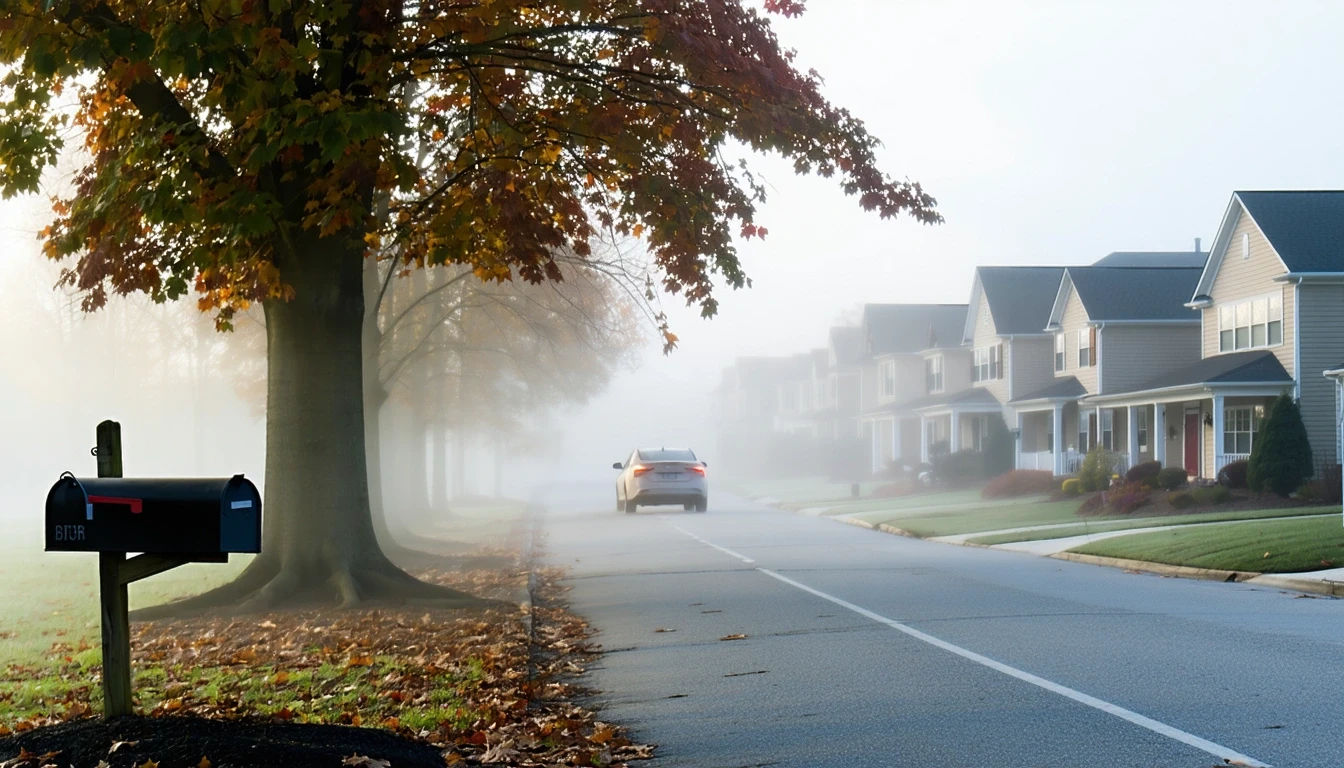
Mt. Juliet’s housing market is defined by its role as a commuter suburb east of Nashville. The median home value of $381,400 positions it as more affordable than many closer-in Nashville neighborhoods, but still elevated compared to more distant exurban alternatives. This price point reflects demand from dual-income households seeking newer construction, larger lots, and lower density without sacrificing access to the metro.
What newcomers often misunderstand is that Mt. Juliet’s housing stock is overwhelmingly low-rise and car-dependent. The infrastructure is built around driving, not walking. Errands accessibility is sparse, and pedestrian infrastructure falls below low thresholds. This isn’t a place where you can easily live without a vehicle, and that reality influences both the type of housing available and the ongoing costs of maintaining it.
The regional price parity index of 105 indicates costs run slightly above the national baseline, driven largely by housing demand tied to Nashville’s economic growth. The local unemployment rate of 2.8% signals a stable job market, but it also means competition for housing remains consistent. Buyers and renters alike are navigating a market where inventory moves quickly and pricing reflects sustained regional momentum.
Renting in Mt. Juliet
Median gross rent in Mt. Juliet is $1,774 per month. That figure includes base rent plus tenant-paid utilities, and it reflects the cost of securing housing in a market where rental stock is limited relative to ownership-focused development. Most rental options are either newer apartment complexes along major corridors or single-family homes offered by individual landlords.
Rental pressure here is tied to Nashville’s broader metro dynamics. People rent in Mt. Juliet for different reasons: some are waiting to buy, others are relocating for work and need flexibility, and some are priced out of closer-in neighborhoods. Because the city is car-oriented and errands are sparse, renters need to factor in transportation costs and time. There’s no walkable grocery run or quick errand on foot. Every trip requires a vehicle, and that changes the cost calculus compared to denser, more transit-rich areas.
Renters also face exposure to lease renewals in a market where demand remains strong. While rent control doesn’t exist in Tennessee, the competitive nature of the market means landlords have leverage during renewal negotiations. Renters should expect variability year to year, particularly if they’re in high-demand complexes or single-family rentals near major employers or school zones.
Owning a Home in Mt. Juliet
At $381,400, the median home value in Mt. Juliet represents a significant upfront commitment, but it also buys space, privacy, and insulation from rental market volatility. Ownership here means taking on property taxes, homeowners insurance, and maintenance—all of which behave differently than in denser or older markets.
Property taxes in Tennessee are structured around assessed value and local millage rates, and while specific rates aren’t provided in the data, buyers should expect annual tax bills that reflect both county and municipal levies. Unlike states with strict assessment caps, Tennessee allows for periodic reassessments, meaning tax exposure can shift as property values rise. This isn’t a market where you lock in a tax rate and forget about it.
Homeowners also face maintenance exposure shaped by climate. Summers in Mt. Juliet bring extended heat and humidity, which stress HVAC systems, roofing, and exterior finishes. Winters are generally mild, but occasional freezing events can strain plumbing and irrigation systems not designed for sustained cold. The housing stock skews newer, which reduces some maintenance frequency, but it also means systems are under warranty periods that eventually expire, shifting costs back to the owner.
Many neighborhoods in Mt. Juliet are governed by homeowners associations, though prevalence varies. Where HOAs exist, they introduce both predictability (through managed common areas and enforced standards) and rigidity (through dues, rules, and assessment authority). Buyers should verify governance structures before closing, as HOA fees and policies directly affect long-term cost exposure and autonomy.
Apartment vs House in Mt. Juliet — Cost Behavior Comparison
| Expense Category | Apartment | House |
|---|---|---|
| Cooling Costs | Lower square footage and shared walls reduce cooling load during extended summer heat | Larger footprint and full sun exposure increase cooling demand; dominant summer expense |
| Heating Costs | Minimal exposure due to mild winters and insulation from adjacent units | Standalone structure increases heating surface area, though winters remain mild |
| Water & Sewer | Often included in rent or billed as flat fee; usage variability hidden | Billed separately based on usage; irrigation and larger households increase costs |
| Exterior Maintenance | Managed by property; tenant has no direct cost or control | Owner responsible for roofing, siding, landscaping; heat and humidity accelerate wear |
| Transportation Access | Typically located along main corridors; car still required for all errands | Often deeper into subdivisions; adds distance to grocery, healthcare, and services |
Why these categories? The comparison reflects Mt. Juliet’s car-dependent layout, extended cooling season, and low-density housing stock. Categories like walkability or transit access were excluded because neither housing type offers meaningful differentiation—both require a vehicle for daily life. The distinctions above are driven by climate exposure, infrastructure patterns, and the structural differences between attached and detached housing in a suburban setting.
Utilities & Upkeep Differences
Utility exposure in Mt. Juliet is shaped primarily by summer cooling demand. Electricity rates are 13.10¢/kWh, and during the extended hot season, air conditioning dominates household energy use. Houses face higher cooling costs due to larger square footage, more exterior wall exposure, and often poorer insulation in older or builder-grade construction. Apartments benefit from shared walls and smaller footprints, which reduce the cooling load even during peak heat.
Natural gas is priced at $11.23 per MCF, but heating demand is modest due to mild winters. Most households see minimal gas usage outside of water heating and occasional furnace use during brief cold snaps. The cost asymmetry between summer and winter utility bills is pronounced, and homeowners should plan for seasonal spikes rather than stable year-round expenses.
Maintenance exposure differs sharply between apartments and houses. Apartment dwellers are insulated from exterior upkeep, roof replacement, and HVAC system failures—those costs are absorbed by the property owner. Homeowners, by contrast, bear full responsibility for all systems and structures. In Mt. Juliet’s climate, this means budgeting for HVAC servicing, roof inspections after storm seasons, and exterior paint or siding maintenance accelerated by heat and humidity. These aren’t optional expenses; they’re predictable consequences of ownership in a low-rise, car-oriented suburb with intense summer weather.
Rent vs Buy: Long-Term Exposure in Mt. Juliet
The choice between renting and buying in Mt. Juliet isn’t about which costs less in year one—it’s about which cost structure aligns with your tolerance for volatility, control, and long-term commitment.
Renters face annual lease renewal exposure in a market where demand remains strong and landlord leverage is high. Rent can shift year to year based on metro-wide trends, local development, and individual property dynamics. Renters have flexibility to relocate, but they also have no control over rent increases, property sale decisions, or building-level policy changes. Utilities in apartments are often more predictable due to smaller spaces and sometimes-bundled billing, but renters sacrifice autonomy in exchange for that simplicity.
Homeowners lock in a purchase price, but they inherit all downstream exposure: property tax reassessments, insurance rate changes, maintenance failures, and system replacements. In Mt. Juliet, where housing stock is newer and property values have been rising, ownership provides insulation from rental market swings but introduces different risks. Taxes can increase as assessed values climb. Insurance costs can shift due to regional storm patterns or carrier exits. HVAC systems will eventually fail, roofs will need replacement, and exterior materials will degrade under sustained heat and humidity.
Ownership also means navigating HOA governance where applicable. Dues can increase, special assessments can be levied, and rules can change. These aren’t hypothetical risks—they’re structural features of ownership in managed communities, and they affect both monthly costs and long-term autonomy.
The key distinction is predictability versus control. Renters face less predictable annual costs but retain mobility. Owners gain control and equity exposure but accept responsibility for all systems, taxes, and governance. In Mt. Juliet, where car dependency is mandatory and errands require planning, both renters and owners face the same transportation and logistics costs. The housing decision determines which other risks you’re willing to manage.
How Daily Life Shapes Housing Costs in Mt. Juliet
Housing costs in Mt. Juliet aren’t just about the rent check or mortgage payment—they’re also shaped by how the city is built and how that structure forces certain behaviors. Because pedestrian infrastructure is minimal and errands accessibility is sparse, every household needs at least one reliable vehicle, and most need two. Grocery stores, pharmacies, and healthcare are spread along corridors, not within walking distance of residential areas. This means transportation isn’t optional; it’s a fixed cost that layers on top of housing.
For renters, this often means choosing between proximity to work (which might reduce commute costs) and proximity to services (which might reduce errand time). For homeowners, it means factoring in driveway space, garage capacity, and fuel costs as part of the true cost of ownership. The rail presence in Mt. Juliet offers some commuters an alternative to driving into Nashville, but day-to-day errands still require a car. You can’t walk to the grocery store, and there’s no bus that makes a quick pharmacy run practical.
Family-oriented households face additional friction. School and playground density both fall below low thresholds, meaning parents often drive kids to activities, sports, and social events. This isn’t a neighborhood where children walk to school or ride bikes to the park unsupervised. The infrastructure doesn’t support it, and that reality increases both time costs and transportation expenses for families, regardless of whether they rent or own.
Healthcare access is limited to routine local clinics; there’s no hospital within city limits. For non-emergency care, this is manageable, but it means serious medical needs require a drive to nearby facilities. Homeowners and renters alike should factor in the time and fuel costs of accessing specialized care, particularly for households with young children, aging parents, or chronic conditions.
How this article was built: In addition to public economic data, this article incorporates location-based experiential signals derived from anonymized geographic patterns—such as access density, walkability, and land-use mix—to reflect how day-to-day living actually feels in Mt. Juliet, TN.
FAQs About Housing Costs in Mt. Juliet
Is Mt. Juliet more affordable than Nashville for renters?
Mt. Juliet’s median gross rent of $1,774 per month is generally lower than comparable housing in closer-in Nashville neighborhoods, but the savings come with tradeoffs. You’ll need a car for all errands, commute times to Nashville jobs can be significant, and rental stock is more limited. Affordability depends on whether you’re willing to accept car dependency and longer travel times in exchange for lower rent and more space.
What drives property taxes in Mt. Juliet?
Property taxes in Mt. Juliet are based on assessed home values and local millage rates set by Wilson County and the city. Tennessee allows periodic reassessments, so as home values rise, tax bills can increase accordingly. Unlike states with strict caps, there’s no guarantee your tax burden stays flat over time. Buyers should verify current rates and ask about recent reassessment cycles before closing.
Are utilities more expensive in a house than an apartment in Mt. Juliet?
Yes, primarily due to cooling costs. Mt. Juliet’s extended summer heat drives air conditioning use, and houses have larger square footage and more exterior exposure than apartments. Electricity at 13.10¢/kWh means summer bills can be substantial for homeowners, especially in older or builder-grade construction with minimal insulation. Apartments benefit from shared walls and smaller footprints, which reduce cooling demand even during peak heat.
Does Mt. Juliet have a lot of HOA-governed neighborhoods?
Many newer subdivisions in Mt. Juliet are governed by homeowners associations, though prevalence varies by neighborhood. HOAs introduce monthly or annual dues, enforce architectural and landscaping standards, and can levy special assessments for repairs or improvements. Buyers should review HOA financials, rules, and fee history before purchasing, as these costs and restrictions directly affect long-term ownership experience.
Can you live in Mt. Juliet without a car?
Not practically. Pedestrian infrastructure is minimal, errands accessibility is sparse, and most housing is located in subdivisions far from services. While rail transit exists for commuting to Nashville, day-to-day tasks—groceries, healthcare, errands—require a vehicle. Both renters and owners should budget for at least one car, and most households will need two to manage work and household logistics effectively.
Making Housing Choices in Mt. Juliet
Housing costs in Mt. Juliet are shaped by its role as a car-dependent suburb with strong ties to Nashville’s economy. At $381,400, the median home value reflects demand from households seeking space, newer construction, and lower density. At $1,774 per month, median rent offers an alternative for those prioritizing flexibility or waiting to buy, but it doesn’t eliminate the need for a vehicle or reduce transportation exposure.
Renters gain mobility and avoid maintenance responsibility, but they face annual renewal risk in a competitive market. Owners gain control and equity exposure, but they inherit property tax variability, insurance shifts, and climate-driven maintenance costs. Both groups face the same car dependency, the same sparse errands accessibility, and the same need to plan logistics around a low-density, car-oriented layout.
The decision comes down to whether you value predictability or control, and whether you’re prepared to manage the structural costs of ownership in a market where housing demand remains strong and infrastructure requires a vehicle for everything. For more context on how these housing tradeoffs fit into the broader cost structure of living here, and how monthly expenses break down across categories, other IndexYard resources can help clarify where your money will actually go. If you’re planning a move, understanding moving company costs and options early can reduce last-minute surprises and help you budget for the transition alongside housing deposits and utility setup fees.