
Moving from Miami to Tampa, Florida: Your 2025 Relocation Guide
Relocating within Florida is one of the most common intrastate moves in the country, and the Miami-to-Tampa corridor represents a significant shift for many households. Whether you’re seeking more affordable housing, a change in lifestyle pace, or new career opportunities, understanding the practical differences between these two major Florida metros will help you plan a smoother transition.
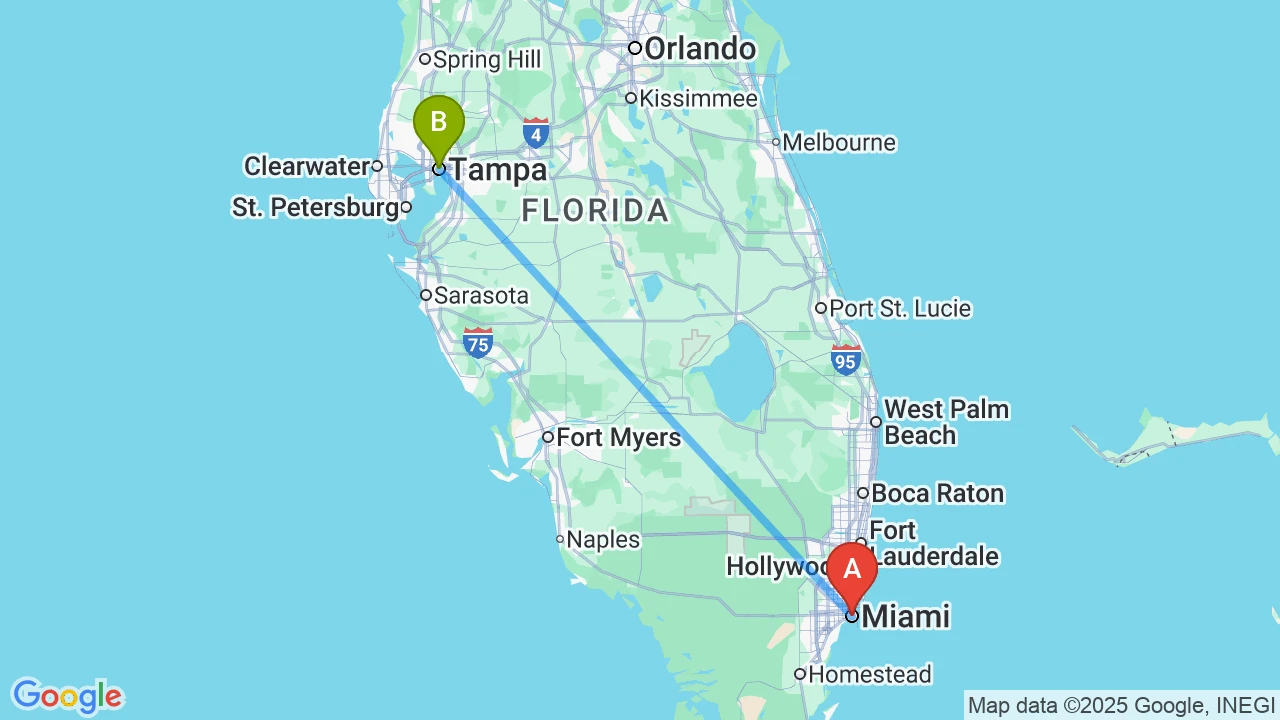
Miami and Tampa sit roughly 280 miles apart along Florida’s coasts, yet they offer distinctly different living experiences. Miami, with its population of approximately 444,000, serves as an international gateway with a fast-paced, cosmopolitan atmosphere. Tampa, home to about 389,000 residents, presents a more moderate urban environment with strong ties to the Gulf Coast lifestyle. Both cities share Florida’s warm climate and beach access, but the day-to-day experience of living in each can differ considerably.
This guide examines the key factors you’ll want to consider when planning your move from Miami to Tampa in 2025, from housing costs and budget adjustments to lifestyle changes and practical moving logistics.
Cost of Living: What Changes When You Move to Tampa
One of the most compelling reasons people relocate from Miami to Tampa is the difference in housing costs. The financial impact of this move can be substantial, particularly for homebuyers and families looking to stretch their budgets further.
Housing Cost Comparison
The median home price in Miami currently sits at approximately $433,900, while Tampa’s median home price is around $333,200. This represents a savings of roughly $100,700—or about 23% lower—for comparable housing in Tampa. For renters and buyers alike, this difference can translate into significantly more space, newer construction, or simply lower monthly housing expenses.
This housing cost advantage is one of the primary drivers behind the Miami-to-Tampa migration pattern. Many families find they can upgrade from a condo or townhouse in Miami to a single-family home with a yard in Tampa for the same or even less money.
Everyday Expenses
| Category | Miami | Tampa | Difference |
|---|---|---|---|
| Median Home Price | $433,900 | $333,200 | $100,700 lower in Tampa |
| Electricity Rate | 15.76¢/kWh | 15.76¢/kWh | Same |
| Gas Price | $2.98/gallon | $2.98/gallon | Same |
| Grocery Cost Index | 103% of national avg | 103% of national avg | Same |
| Average Commute | 30 minutes | 30 minutes | Same |
Beyond housing, many daily expenses remain comparable between the two cities. Both Miami and Tampa share similar utility rates, with electricity costing 15.76 cents per kilowatt-hour and natural gas priced at $32.82 per thousand cubic feet. Grocery costs also track closely, with both cities running about 3% above the national average for common items like bread ($1.92/lb), eggs ($3.59/dozen), and milk ($4.25/half gallon).
Transportation costs show similar patterns, with gas prices at $2.98 per gallon in both metros and average commute times of 30 minutes. However, the nature of those commutes can differ—Miami’s traffic congestion tends to be more intense, particularly on I-95 and the Palmetto Expressway, while Tampa’s traffic, though growing, generally flows more smoothly outside of peak rush hours.
Income and Employment Considerations
Interestingly, Tampa’s median household income of $66,802 is notably higher than Miami’s $54,858. This $11,944 difference, combined with lower housing costs, creates a favorable financial environment for many relocating households. However, Tampa’s unemployment rate of 3.4% is slightly higher than Miami’s 2.4%, reflecting different economic structures and job market dynamics in each metro.
Lifestyle and Community Differences
Moving from Miami to Tampa involves more than just financial adjustments—the pace and character of daily life shift in meaningful ways.
Urban Energy and Cultural Atmosphere
Miami is known for its international flair, vibrant nightlife, and 24/7 energy. The city’s cultural identity is deeply influenced by Latin American and Caribbean communities, creating a truly cosmopolitan environment where multiple languages are spoken and global cuisine is the norm. Art Basel, South Beach, and Wynwood represent just a fraction of Miami’s cultural offerings.
Tampa offers a more relaxed Gulf Coast vibe while still maintaining urban amenities. The city has a strong sense of community, with established neighborhoods like Hyde Park, Seminole Heights, and Westshore offering distinct identities. Tampa’s cultural scene centers around Ybor City’s historic Latin quarter, the Tampa Riverwalk, and a growing downtown arts district. While Tampa certainly has nightlife and entertainment, the overall pace feels less frenetic than Miami’s constant buzz.
Climate and Outdoor Living
Both cities enjoy Florida’s warm climate, but there are subtle differences. Miami’s location on the Atlantic coast brings slightly warmer winters and more consistent trade winds. Tampa’s Gulf Coast position means warmer Gulf waters for swimming and slightly different weather patterns. Both cities face similar hurricane season considerations from June through November.
Outdoor recreation takes different forms in each location. Miami offers direct Atlantic beach access and proximity to the Everglades and the Florida Keys. Tampa provides excellent Gulf Coast beaches in Clearwater and St. Pete, along with easy access to nature preserves, kayaking in mangrove tunnels, and fishing in Tampa Bay.
Traffic and Transportation Patterns
While both cities show similar average commute times, the driving experience differs. Miami’s traffic density is legendary, with congestion on major arteries like I-95, the Dolphin Expressway, and US-1 creating frustrating delays. Public transit options exist through Metrorail and Metromover, but most residents rely heavily on cars.
Tampa’s road network, including I-275, I-4, and the Veterans Expressway, generally moves more freely, though rush hour congestion is growing as the metro expands. The THART streetcar and bus system serves downtown and core neighborhoods, but like Miami, Tampa remains primarily car-dependent. Many relocating families appreciate the somewhat easier navigation and parking in Tampa compared to Miami’s more congested urban core.
Housing Market and Neighborhood Characteristics
The housing markets in Miami and Tampa reflect their different development patterns and demographic pressures.
Housing Stock and Home Types
Miami’s housing market features a significant concentration of condominiums and high-rise developments, particularly in downtown, Brickell, and along the coast. Single-family homes exist in neighborhoods like Coral Gables, Coconut Grove, and Pinecrest, but often come with premium price tags. Many Miami homes are built to withstand hurricane-force winds, with concrete block construction being standard.
Tampa offers more traditional suburban development patterns with a greater proportion of single-family homes. Neighborhoods spread across Hillsborough County and into surrounding areas like Brandon, Carrollwood, and New Tampa. While downtown Tampa has seen significant condo development along the Riverwalk and in Channelside, the overall housing stock skews toward detached homes with yards—a major draw for families relocating from Miami.
Neighborhood Exploration
Popular Tampa neighborhoods for Miami transplants include:
- South Tampa/Hyde Park: Walkable, tree-lined streets with bungalows and Mediterranean-style homes, offering an urban feel similar to Coral Gables but at lower price points
- Seminole Heights: A revitalized historic neighborhood with craft breweries, local restaurants, and renovated bungalows attracting young professionals
- Westchase: Master-planned community with newer construction, good schools, and family amenities
- Davis Islands: Exclusive island neighborhood with waterfront properties and proximity to downtown
- New Tampa: Suburban area with newer homes, highly-rated schools, and family-friendly amenities
When house-hunting, consider visiting Tampa multiple times to explore different neighborhoods. The character and commute patterns vary significantly across the metro, and what works best depends on your work location, school priorities, and lifestyle preferences.
Property Taxes and HOA Fees
Florida has no state income tax, which benefits residents in both cities. However, property tax rates and HOA fees can vary. Miami-Dade County’s millage rates tend to run slightly higher than Hillsborough County’s, though individual rates depend on specific municipalities and special districts. Many Miami condos carry substantial HOA fees covering building amenities and insurance, while Tampa’s single-family neighborhoods often have lower or no HOA fees, though master-planned communities may charge $50-150 monthly for amenities.
Planning Your Move: Logistics and Practical Tips
A successful relocation from Miami to Tampa requires thoughtful planning and realistic budgeting.
Moving Costs and Timing
The 280-mile distance between Miami and Tampa makes this a manageable one-day move for most households. Professional moving companies typically charge $1,500-$4,000 for a full-service move, depending on the size of your home and the amount of belongings. DIY moves using rental trucks can reduce costs to $500-$1,000 plus fuel, but require more physical effort and time.
Timing matters for both cost and convenience. Summer months (June-August) represent peak moving season in Florida, with higher rates and less availability. The heat and humidity also make summer moves physically challenging. Fall (September-November) and spring (March-May) offer more moderate weather and potentially better rates, though hurricane season runs through November. Winter months provide the most comfortable moving conditions but may see increased demand from snowbirds and seasonal residents.
Pre-Move Research
Before committing to your move, invest time in understanding Tampa’s different areas:
- Visit neighborhoods at different times of day to assess traffic, noise levels, and community activity
- Research school ratings if you have children, as quality varies significantly across Hillsborough County
- Map your potential commute from different neighborhoods to your workplace
- Explore local amenities like grocery stores, parks, and healthcare facilities
- Connect with Tampa-based community groups on social media to get insider perspectives
Establishing Residency
Since you’re moving within Florida, you’ll avoid the complexity of establishing new state residency, but you’ll still need to update:
- Driver’s license address within 30 days of moving
- Vehicle registration with the Hillsborough County Tax Collector
- Voter registration with your new address
- Insurance policies (auto, home/renters, health) to reflect your new location
- Bank accounts, credit cards, and subscription services
Utility Setup
Tampa Electric (TECO) serves most of the Tampa area for electricity, while water and sewage services come through Tampa Water Department or your municipality. Set up utilities at least two weeks before your move-in date to ensure service is active when you arrive. Internet and cable options include Spectrum, Frontier, and other providers, with availability varying by neighborhood.
Frequently Asked Questions
- Is it cheaper to live in Tampa, FL than Miami, FL?
- Yes, particularly when it comes to housing costs. Tampa’s median home price of $333,200 is approximately $100,700 lower than Miami’s $433,900, representing about 23% savings. However, other daily expenses like groceries, utilities, and gas are comparable between the two cities. Tampa also offers a higher median household income ($66,802 vs. $54,858), which can further improve your financial position.
- How does the cost of housing compare between Miami, FL and Tampa, FL?
- Housing is significantly more affordable in Tampa. The median home price difference of roughly $100,700 means you can often purchase more space, newer construction, or a single-family home in Tampa for what you’d pay for a condo or townhouse in Miami. This housing cost advantage is one of the primary reasons families relocate from Miami to Tampa.
- What surprises people most when moving from Miami, FL to Tampa, FL?
- Many Miami transplants are surprised by Tampa’s more relaxed pace and less intense traffic congestion, despite similar average commute times. The cultural shift from Miami’s international, 24/7 energy to Tampa’s more traditional Gulf Coast vibe also catches some off guard. Additionally, people often notice Tampa has more single-family homes with yards compared to Miami’s condo-heavy market.
- When is the best time to relocate to Tampa, FL?
- Fall (September-November) and spring (March-May) offer the best combination of moderate weather and reasonable moving costs. Summer is peak moving season with higher rates and oppressive heat, while winter provides comfortable conditions but may see more competition from seasonal residents. Avoid moving during active hurricane threats from June through November.
- How much should I budget to move from Miami, FL to Tampa, FL?
- For the 280-mile move, expect to pay $1,500-$4,000 for professional full-service movers, depending on home size and belongings. DIY rental truck moves cost $500-$1,000 plus fuel. Budget additional funds for utility deposits, address changes, and initial setup costs in your new home. Having 2-3 months of expenses saved provides a comfortable cushion during the transition.
- What are the biggest lifestyle differences between Miami, FL and Tampa, FL?
- Miami offers an international, fast-paced atmosphere with intense nightlife and cultural diversity, while Tampa provides a more relaxed Gulf Coast lifestyle with strong neighborhood communities. Traffic congestion is generally less severe in Tampa, and the housing market favors single-family homes over Miami’s condo-dominated landscape. Both cities enjoy warm weather and beach access, but the overall pace and cultural character differ meaningfully.
Making Your Decision
Relocating from Miami to Tampa in 2025 offers clear financial advantages, particularly in housing costs, while maintaining access to Florida’s warm climate and coastal lifestyle. The move represents a shift from Miami’s international, high-energy environment to Tampa’s more moderate Gulf Coast character—a change that appeals to many families and professionals seeking better value and a slightly slower pace without sacrificing urban amenities.
The $100,700 median home price difference, combined with Tampa’s higher median household income, creates a compelling financial case for this move. Daily expenses remain comparable, so your budget improvements will primarily come from housing savings. However, the lifestyle adjustments—from cultural atmosphere to traffic patterns to neighborhood characteristics—deserve equal consideration in your decision-making process.
Take time to visit Tampa, explore different neighborhoods, and honestly assess whether the city’s character aligns with your lifestyle preferences. The financial benefits are clear, but the best relocation decisions balance both practical economics and personal fit. For deeper insights into both metros, explore IndexYard’s comprehensive city guides for Miami and Tampa, including detailed cost breakdowns, neighborhood comparisons, and resident perspectives that can inform your planning.
Whether you’re drawn by housing affordability, career opportunities, or simply a desire for change, understanding these practical differences will help you navigate your Miami-to-Tampa move with confidence and realistic expectations.