
Moving from Chicago to Tampa: Where Costs Shift in 2025
The move from Chicago to Tampa represents one of the most common relocation corridors between the Midwest and the Sun Belt. People make this move for many reasons—job transfers, climate preference, family proximity, or a desire to trade cold winters for year-round warmth. But beyond the obvious weather shift, this move fundamentally changes where your money goes and how daily life is structured.
This guide explains how cost pressure, housing dynamics, and lifestyle patterns shift when you relocate from Chicago, IL to Tampa, FL. It does not calculate whether Tampa is “cheaper” overall or predict your personal savings. Instead, it focuses on where costs concentrate differently, which household expenses become more or less predictable, and who tends to feel the most friction—or relief—after the move.
Understanding these shifts helps you plan more realistically, budget for the right categories, and recognize which tradeoffs matter most for your situation.
Cost Pressure Shifts: Where Money Moves
When you move from Chicago to Tampa, the headline housing numbers look similar at first glance. Chicago’s median home value sits at $304,500, while Tampa’s is $333,200—a difference of roughly $29,000. Median rent in Chicago is $1,314 per month compared to Tampa’s $1,422, a gap of about $108 monthly. These differences are real but modest, and they don’t tell the full story of how cost pressure redistributes itself.
What changes more dramatically is the structure of ongoing expenses and the intensity of certain cost drivers. Tampa’s climate creates a fundamentally different utility profile. Electricity rates are lower in Tampa at 15.70¢/kWh compared to Chicago’s 18.74¢/kWh, but Tampa households face a long, intense cooling season that runs from late spring through early fall. Air conditioning dominates summer utility bills in a way that heating does in Chicago winters, but the duration and consistency of heat exposure in Tampa means cooling costs are less seasonal and more constant. Chicago households experience sharp winter heating spikes, but natural gas heating (priced at $15.48/MCF in Chicago versus $32.82/MCF in Tampa) tends to be more efficient than electric cooling over extended periods.
Transportation costs shift in a different direction. Gas prices are slightly lower in Tampa at $2.73 per gallon compared to Chicago’s $2.91, but the structure of daily mobility changes significantly. Chicago’s average commute is 34 minutes, with 59.7% of workers facing long commutes and 14.6% working from home. Tampa lacks comparable commute data in the current feed, but the metro area’s sprawling layout and limited transit infrastructure typically require more driving for errands, appointments, and social activities. This creates a different kind of transportation pressure—not necessarily longer commutes, but more frequent trips and greater car dependence for routine tasks.
Income dynamics also matter. Chicago’s median household income is $71,673 per year, compared to Tampa’s $66,802—a gap of nearly $5,000 annually. This means Tampa households are managing similar or slightly higher housing costs on a lower income base, which tightens the margin for discretionary spending and makes ongoing cost control more important. The unemployment rate in Tampa is notably lower at 3.4% compared to Chicago’s 5.4%, suggesting a tighter labor market, but wage levels and income growth potential vary widely by industry and role.
Grocery costs appear similar on the surface, with both cities sharing a regional price parity index of 103. Derived estimate based on national baseline adjusted by regional price parity; not an observed local price. Items like bread ($1.84/lb), chicken ($2.11/lb), and eggs ($2.95/dozen) show identical derived pricing in both markets. However, the lack of state income tax in Florida means take-home pay stretches slightly further, even if gross income is lower—a structural difference that affects how housing and recurring costs feel relative to your paycheck.
Housing & Neighborhood Patterns
The housing markets in Chicago and Tampa function differently in ways that affect both entry barriers and long-term cost exposure. Chicago’s housing stock includes a significant share of older multi-unit buildings, condos, and vintage single-family homes in established neighborhoods. This creates more options at different price points, but it also means maintenance, property taxes, and condo assessments can vary widely depending on building age and location. Tampa’s housing market skews newer, with more suburban single-family developments and master-planned communities that often include HOA fees, which can add $100 to $400 or more per month depending on amenities and services included.
Renting in Tampa tends to involve newer construction with more uniform layouts and amenities, but lease renewals can be aggressive in high-demand submarkets, particularly near the downtown core, Westshore business district, or South Tampa neighborhoods. Chicago renters face similar renewal pressure in desirable areas, but the city’s larger and more diverse rental stock provides more alternatives when costs rise. Ownership in Tampa often means navigating flood insurance requirements, especially in coastal or low-lying areas, which adds a layer of ongoing cost that Chicago buyers rarely encounter.
Neighborhood form also shapes daily costs in subtle but persistent ways. Chicago’s grid layout, transit access, and mixed-use corridors allow some households to reduce car dependence, especially in neighborhoods closer to the Loop or along CTA lines. Tampa’s development pattern is more dispersed, with residential areas separated from commercial districts, making errands and daily tasks more car-intensive. This doesn’t just affect gas costs—it influences how often you drive, how much wear you put on your vehicle, and how much time you spend managing logistics.
Lifestyle & Daily Rhythms
Daily life in Tampa operates at a different rhythm than Chicago, shaped by climate, infrastructure, and regional culture. Chicago’s cold winters and hot, humid summers create distinct seasonal routines—layering up for frigid commutes, managing snow and ice, and enjoying intense but short summers. Tampa’s climate is warm year-round, with mild winters that rarely require heating and long, hot summers with frequent afternoon thunderstorms. The absence of winter weather stress is a major lifestyle shift, but the trade-off is sustained heat and humidity that shapes when and how you spend time outdoors.
Commute patterns and mobility structure differ significantly. Chicago’s CTA and Metra systems provide viable alternatives to driving for many workers, particularly those commuting to downtown or inner neighborhoods. Tampa’s public transit system is far more limited, with most residents relying on personal vehicles for nearly all trips. This means car ownership is less optional in Tampa, and households need to budget for vehicle maintenance, insurance, and parking as baseline costs rather than discretionary choices.
The pace of life also shifts. Chicago’s density, walkable neighborhoods, and concentration of cultural institutions create a faster, more urban rhythm. Tampa feels more suburban and car-oriented, even in denser areas, with a slower pace and more space between activities. For some movers, this feels like a welcome reduction in stress; for others, it can feel isolating or require more intentional effort to build social routines.
Climate exposure affects not just utility bills but also how you use your home and outdoor space. In Chicago, winter months drive people indoors, increasing heating costs and creating distinct seasonal spending patterns. In Tampa, air conditioning runs nearly year-round, and outdoor activities shift to early mornings or evenings during summer months to avoid peak heat. This changes how you think about home comfort, vehicle use, and recreational spending.
Relocation Logistics & Practical Friction
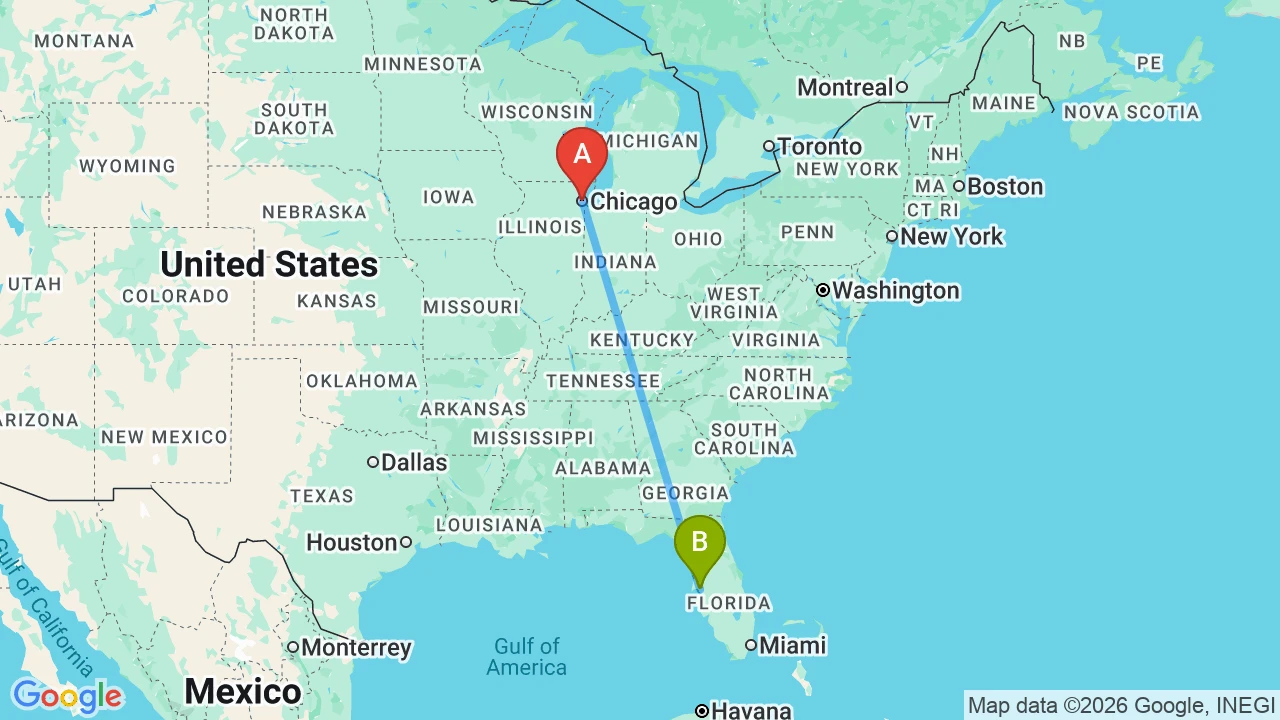
The physical move from Chicago to Tampa involves roughly 1,100 miles, which typically means hiring professional movers or renting a large truck for a multi-day drive. Moving costs vary widely based on household size, timing, and service level, but long-distance moves of this scale generally require significant upfront investment. Timing matters—summer moves often cost more due to demand, while mid-winter moves can be cheaper but involve navigating Chicago’s cold and potential snow delays.
Establishing residency in Florida involves several administrative steps. You’ll need to obtain a Florida driver’s license, register your vehicle, and update insurance policies. Florida’s lack of state income tax simplifies some aspects of tax filing, but you’ll need to establish domicile if you’re leaving Illinois permanently, which may involve updating voter registration, bank accounts, and other legal documents. Vehicle registration and insurance costs can shift—Florida’s insurance rates are often higher due to weather risk and uninsured driver rates, which can offset some of the savings from lower gas prices.
Utility setup in Tampa is generally straightforward, but you’ll need to account for higher summer electricity usage when budgeting. Many Tampa landlords and HOAs include water, trash, or pest control in monthly fees, which can simplify billing but makes it harder to control those costs directly. Chicago renters are more accustomed to separate utility billing, so understanding what’s included in your Tampa lease or HOA agreement is important for accurate budgeting.
One of the most common surprises for Chicago-to-Tampa movers is the adjustment to car dependence. Even if you drove regularly in Chicago, the necessity of driving for nearly every errand, appointment, and social activity in Tampa can feel more burdensome. This affects not just transportation costs but also time management and daily routines. Building a new social network, finding reliable service providers, and learning which neighborhoods serve which needs all take time and require more driving than many movers anticipate.
Who This Move Works Best For
This relocation corridor tends to work well for households prioritizing year-round warmth, outdoor access, and a slower pace of life. Remote workers and retirees often benefit most, as they can take advantage of Florida’s tax structure and Tampa’s lower cost of living relative to other Sun Belt metros without needing to navigate the local job market. Families with school-age children may appreciate Tampa’s newer housing stock and suburban amenities, though they’ll need to research school quality and extracurricular access carefully, as options vary widely by district and neighborhood.
Young professionals and early-career workers may find the move more challenging. Tampa’s median income is lower than Chicago’s, and while the job market is growing, wage levels in many industries lag behind what Chicago offers. The lack of public transit and walkable urban neighborhoods also makes Tampa less appealing for those who value car-free living or prefer dense, mixed-use environments. Single-income households and those with tight budgets may feel more pressure in Tampa, as the combination of similar housing costs and lower income levels leaves less room for error.
Households with significant commuting needs should evaluate Tampa’s sprawl carefully. If your job is located far from affordable housing, or if both partners work in different parts of the metro area, transportation costs and time can add up quickly. Chicago’s transit system, while imperfect, provides more flexibility for multi-commuter households. Tampa’s layout rewards those who can live close to work or who have flexible schedules that allow them to avoid peak traffic.
Renters who value stability and predictable costs may find Tampa’s rental market more volatile, especially in high-demand areas. Chicago’s larger rental stock and rent control protections in some buildings provide more options for managing cost increases over time. Tampa renters should budget conservatively and plan for the possibility of significant rent hikes at renewal, particularly in the first few years after moving.
Frequently Asked Questions
- Does Tampa feel more or less expensive than Chicago?
- Tampa’s cost pressure concentrates differently rather than being uniformly higher or lower. Housing entry costs are similar, but Tampa’s lower median income means the same rent or mortgage payment takes a larger share of take-home pay. Utility costs shift from heating-dominated in Chicago to cooling-dominated in Tampa, with Tampa’s extended air conditioning season creating more consistent year-round electricity expenses. Transportation costs depend heavily on how much you drive—Tampa’s car dependence increases frequency of trips even if gas prices are slightly lower. Households with higher incomes or remote work flexibility tend to feel less pressure; single-income or early-career households often find Tampa’s combination of similar housing costs and lower wages more challenging.
- How do the housing markets in Chicago and Tampa differ?
- Chicago offers a wider range of housing types and price points, from vintage multi-units and condos to single-family homes in established neighborhoods, which provides more flexibility for buyers and renters at different budget levels. Tampa’s market skews newer and more suburban, with more master-planned communities, HOA fees, and flood insurance requirements in many areas. Rental stock in Tampa tends to be newer but less diverse, and lease renewals can be more aggressive in high-demand submarkets. Chicago’s older housing stock may involve higher maintenance and property tax exposure, while Tampa’s newer builds often come with HOA obligations and insurance complexity.
- What feels different about daily life after moving from Chicago to Tampa?
- The most immediate shift is climate—Tampa’s year-round warmth eliminates winter weather stress but introduces sustained heat and humidity that shapes outdoor routines and air conditioning usage. Car dependence increases significantly, as Tampa’s sprawling layout and limited transit require driving for nearly all errands, appointments, and social activities. The pace of life slows, with less density, fewer walkable neighborhoods, and more space between activities. Chicago’s urban rhythm, public transit access, and concentration of cultural institutions create a faster, more connected daily experience, while Tampa feels more suburban and requires more intentional effort to build routines and social networks.
- When does the move from Chicago to Tampa tend to feel easiest or hardest?
- Moves timed for late fall or early winter avoid Chicago’s coldest months and Tampa’s peak summer heat, making the physical transition more comfortable and often reducing moving costs due to lower demand. However, establishing routines and building social connections can feel harder during the holiday season when many people are traveling or focused on family commitments. Spring moves allow you to experience Tampa’s most pleasant weather immediately and give you time to acclimate before the intense summer heat arrives, but moving costs tend to be higher. The hardest adjustments often come during the first Tampa summer, when the relentless heat, humidity, and afternoon storms require recalibrating expectations around outdoor time and utility bills.
- What are the most common adjustment pressures after this move?
- Car dependence is the most frequently cited friction point—even households that drove regularly in Chicago find Tampa’s layout requires more frequent trips and longer distances for routine tasks. Building a new social network takes time and effort, especially in Tampa’s more spread-out geography where neighbors and social opportunities are less concentrated. Utility bills during the first summer often surprise movers who underestimate how much air conditioning costs accumulate over months of consistent use. Renters may face sticker shock at lease renewal if they moved during a slower season and didn’t anticipate how aggressively rents can increase in high-demand areas. Finally, navigating Florida’s insurance landscape—particularly flood and vehicle insurance—adds complexity that Chicago residents rarely encounter.
- Who tends to benefit most from moving from Chicago to Tampa, and who may struggle?
- Remote workers, retirees, and households with flexible income sources benefit most, as they can take advantage of Florida’s lack of state income tax, Tampa’s year-round warmth, and lower cost of living relative to other Sun Belt metros without depending on the local wage market. Families seeking newer housing, suburban amenities, and outdoor access also tend to adapt well, provided they research school quality and neighborhood fit carefully. Young professionals and early-career workers often struggle more, as Tampa’s lower median income and limited transit make it harder to build wealth or live car-free. Single-income households and those with tight budgets may find the combination of similar housing costs and lower wages leaves less financial cushion. Households that value urban density, walkability, and cultural access may feel isolated or frustrated by Tampa’s sprawl and slower pace.
Making the Decision
The move from Chicago to Tampa is not primarily about lowering your total cost of living—it’s about trading one set of cost pressures and lifestyle constraints for another. Tampa offers year-round warmth, no state income tax, and a slower pace, but it requires greater car dependence, exposes you to sustained cooling costs, and typically comes with lower wage levels. Chicago provides more housing diversity, better transit access, and higher median incomes, but demands navigating cold winters, higher heating costs, and a faster, denser urban rhythm.
Your decision should focus on which tradeoffs align better with your household’s priorities, income stability, and daily routines. If you value warmth, outdoor access, and suburban living, and you have income flexibility or remote work, Tampa’s structure may feel like a relief. If you depend on public transit, prefer walkable neighborhoods, or need access to higher-paying job markets, Chicago’s infrastructure and economy may serve you better despite the weather challenges.
Use IndexYard’s Chicago and Tampa city hubs to explore housing costs, neighborhood breakdowns, and local expense patterns in greater depth. Understanding where your money will go—and why—helps you plan more realistically and avoid surprises after the move.
How this article was built: In addition to public economic data, this article incorporates location-based experiential signals derived from anonymized geographic patterns—such as access density, walkability, and land-use mix—to reflect how day-to-day living actually feels in Chicago, IL and Tampa, FL.