
Why People Consider Moving from Boston to Tampa
The Boston-to-Tampa corridor has become one of the more common Northeast-to-Sunbelt relocations, driven by a mix of housing cost pressure, remote work flexibility, and climate preference. Movers are often looking for lower entry barriers to homeownership, reduced cost of living intensity, and a shift away from long, cold winters. But this move isn’t just about swapping snow for sunshine—it involves a fundamental restructuring of how daily costs show up, how neighborhoods function, and how much planning goes into routine errands.
This guide explains where cost pressure moves when you relocate from Boston, MA to Tampa, FL—not whether Tampa is “cheaper” in absolute terms, but how the texture of expenses, obligations, and logistics changes. It’s written for people who want to understand what will feel different before they commit to the move.
How Cost Pressure Shifts Between Boston and Tampa
Boston’s cost profile is dominated by high housing entry costs and elevated everyday expenses across the board. The median home value in Boston is $684,900, and median rent is $1,981 per month. Tampa’s housing market offers significantly lower entry points: median home value is $333,200, and median rent is $1,422 per month. That difference—roughly half the purchase price and $559 less per month in rent—is the single largest financial shift most movers experience.
But lower housing costs don’t mean lower total cost of living in every category. Tampa’s climate drives different expense patterns. Electricity rates in Tampa are 15.70¢/kWh, compared to Boston’s 31.37¢/kWh—but Tampa’s cooling season is longer, more intense, and runs nearly year-round. Boston’s heating season is severe, but shorter and more predictable. The result is that utility bills may not drop as much as the rate difference suggests, especially for households in older or poorly insulated Tampa homes.
Gasoline is slightly cheaper in Tampa at $2.75/gal versus Boston’s $2.93/gal, but Tampa’s car-dependent layout means most households drive more frequently and for longer distances. Boston’s average commute is 30 minutes, with 52.3% of workers facing long commutes, but many of those trips happen on public transit or foot. Tampa lacks comparable transit infrastructure, so nearly every trip—work, errands, appointments—requires a car, fuel, insurance, and parking consideration.
Income context matters here. Boston’s median household income is $89,212 per year, compared to Tampa’s $66,802 per year. That’s a $22,410 difference. For remote workers keeping Boston-level salaries, Tampa’s housing savings can feel transformative. For those taking local Tampa jobs, the income drop may offset much of the housing relief, especially once transportation, insurance, and cooling costs are accounted for.
Housing Market Dynamics: Entry vs. Ongoing Obligations
Boston’s housing market is characterized by high entry costs, competitive bidding, and limited inventory. Renters face tight vacancy rates and steep rent growth in desirable neighborhoods. Buyers confront not just high prices, but also property taxes, condo fees, and older housing stock that often requires significant maintenance investment. Homeownership in Boston typically means accepting high fixed costs in exchange for stability and long-term equity in a historically strong market.
Tampa’s housing market has shifted rapidly in recent years. Home prices have risen sharply, but they remain far below Boston levels. The challenge in Tampa is less about entry cost and more about ongoing exposure. Florida has no state income tax, but property taxes, homeowners insurance, and flood insurance (depending on location) can add significant monthly obligations. Insurance costs in particular have become a major concern across Florida, with some neighborhoods seeing sharp increases or coverage limitations due to climate risk.
Renters in Tampa benefit from lower baseline costs, but rent growth has been volatile, and lease renewals can bring sudden jumps. Tampa’s rental market is less regulated than Boston’s, meaning fewer protections against mid-lease changes or non-renewal. For renters who value predictability, this can feel destabilizing compared to Boston’s more tenant-friendly legal environment.
Neighborhood form also affects cost behavior. Boston’s density means many residents live in walkable areas where a second car is optional. Tampa’s sprawl means most households need at least one vehicle per adult, plus the insurance, registration, and maintenance that come with it. Parking is rarely a concern in Tampa, but the necessity of driving everywhere adds a layer of ongoing expense that doesn’t exist for many Boston households.
Lifestyle and Daily Rhythms: How Place Structure Shapes Routine Costs
Boston’s urban form is built around density, transit access, and mixed-use neighborhoods. Many residents walk to grocery stores, pharmacies, and coffee shops. Public transportation—while imperfect—makes car-free or one-car living feasible for a significant share of households. Errands can often be bundled into a single trip on foot or by subway, reducing both time and transportation costs.
How this article was built: In addition to public economic data, this article incorporates location-based experiential signals derived from anonymized geographic patterns—such as access density, walkability, and land-use mix—to reflect how day-to-day living actually feels in Tampa, FL.
Tampa’s layout is fundamentally different. Most neighborhoods are car-dependent, with residential areas separated from commercial corridors by design. Running errands typically means driving to multiple locations, often spread across several miles. Grocery stores, doctors’ offices, and schools are rarely within walking distance. This doesn’t just increase fuel costs—it increases time costs and planning complexity. A quick errand in Boston might take 15 minutes on foot; the same task in Tampa could require 30 minutes of driving, parking, and navigating traffic.
Tampa’s climate also reshapes daily life. Summers are long, hot, and humid, with frequent afternoon thunderstorms. Outdoor activities are often scheduled around heat, and air conditioning becomes a non-negotiable household expense from April through October. Boston’s winters are harsh, but they’re predictable and time-limited. Tampa’s heat is pervasive and affects everything from grocery shopping (you can’t leave perishables in the car) to exercise routines (outdoor activity often shifts to early morning or evening).
For families, Tampa offers more space and larger yards at lower price points, but school access and extracurricular logistics often require more driving. Boston’s density means kids can sometimes walk or take public transit to activities; in Tampa, parents typically need to drive. This affects not just fuel costs, but also time, scheduling flexibility, and the feasibility of dual-income arrangements.
Relocation Logistics and Practical Friction
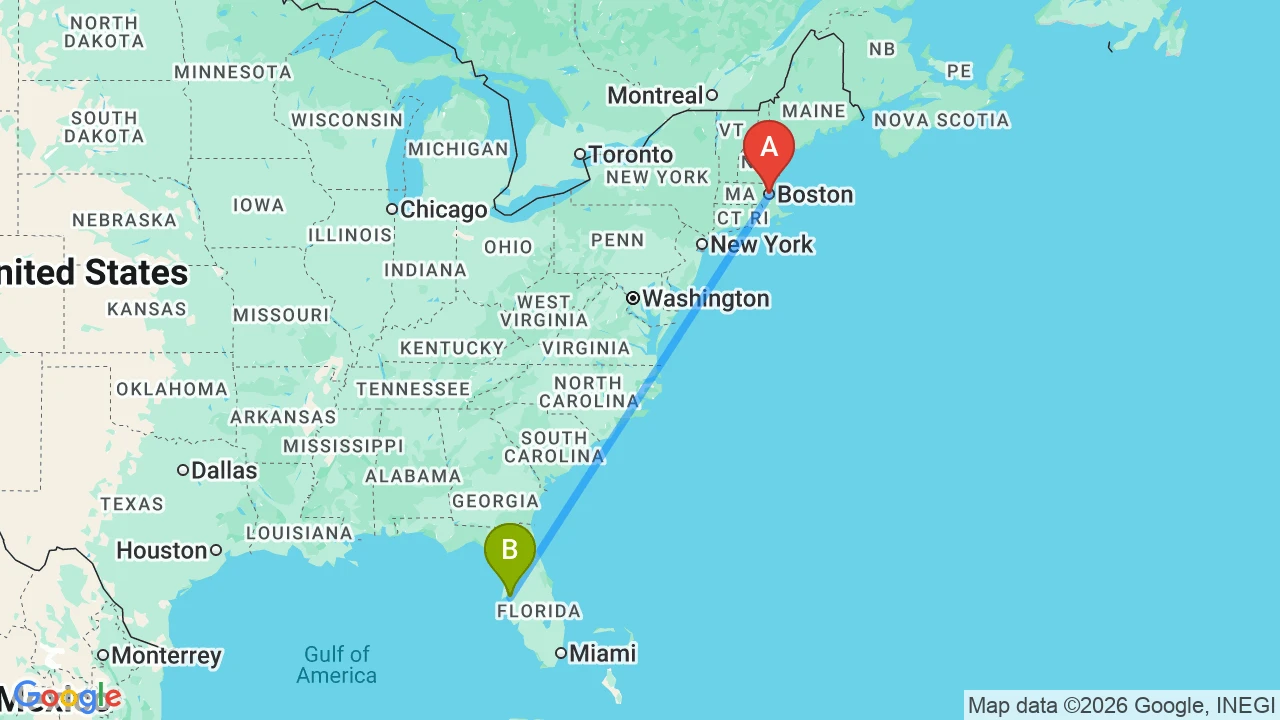
Moving from Boston to Tampa is a long-distance relocation—roughly 1,300 miles—which means higher moving costs, more complex logistics, and a longer adjustment period. Professional movers, truck rentals, and temporary housing all add up. For renters, breaking a Boston lease early can mean forfeiting deposits or paying penalty fees. For homeowners, selling in Boston’s competitive market is usually straightforward, but closing timelines and contingencies can delay the move.
Once in Tampa, new residents face a series of logistical adjustments. Florida requires vehicle re-registration within 10 days of establishing residency, and auto insurance rates in Florida are often higher than in Massachusetts due to uninsured driver rates and weather risk. Setting up utilities is generally straightforward, but understanding electric bills—which spike in summer—takes a few cycles to calibrate.
Social adjustment varies widely. Tampa is a growing metro with a large transplant population, which can make it easier to build new networks. But it lacks the neighborhood-level density and third-place culture that many Boston residents take for granted. Coffee shops, bookstores, and corner bars exist in Tampa, but they’re less embedded in daily walking routines. For people who valued Boston’s walkable social fabric, Tampa can feel isolating at first, especially if work-from-home limits natural social contact.
Climate adaptation is another common surprise. Many movers underestimate how much Tampa’s heat affects daily routines. Outdoor exercise, dog walking, and even playground time with kids require planning around temperature. Boston’s cold is intense, but it’s seasonal and manageable with the right gear. Tampa’s heat is relentless and affects decision-making year-round.
Frequently Asked Questions
- Does Tampa feel more or less expensive than Boston?
- Tampa’s housing costs are significantly lower, which creates immediate financial relief for most movers. But the overall cost structure shifts rather than simply dropping. Transportation costs often rise due to car dependence, and utility bills—especially for cooling—can be higher than expected. Households keeping remote Boston-level salaries tend to feel the most financial benefit, while those taking local Tampa jobs may find the income drop offsets much of the housing savings.
- How do the housing markets differ between Boston and Tampa?
- Boston’s market is characterized by high entry costs, competitive bidding, and strong tenant protections. Tampa offers lower purchase prices and rents, but comes with more volatility in insurance costs, property taxes, and lease renewals. Boston rewards long-term stability and equity building; Tampa offers easier entry but requires more active management of ongoing obligations, especially for homeowners navigating Florida’s insurance landscape.
- What feels different about daily life after moving from Boston to Tampa?
- The biggest shift is car dependence. In Boston, many households can walk or take transit for daily errands; in Tampa, nearly every trip requires driving. The climate also reshapes routines—outdoor activities shift to early morning or evening, and air conditioning becomes a constant expense. Social rhythms change too: Tampa lacks Boston’s dense, walkable neighborhood culture, which can feel isolating for people who valued spontaneous, street-level interaction.
- When does the move from Boston to Tampa tend to feel easiest?
- Movers with remote work flexibility, no school-age children, and a preference for driving over walking tend to adjust fastest. The transition is smoothest for those who research Tampa’s neighborhood layout carefully and choose locations that minimize commute and errand distances. Timing the move outside of peak summer heat (May–September) can also ease the adjustment, giving newcomers a few months to acclimate before facing Tampa’s most intense weather.
- What are the most common adjustment challenges?
- Car dependence surprises many movers, especially those used to Boston’s transit options. Utility bills—particularly summer cooling costs—often run higher than expected. Social isolation is another common issue, as Tampa’s sprawl makes it harder to build the kind of neighborhood-level connections that form naturally in Boston’s denser areas. Finally, navigating Florida’s insurance market (auto, home, and flood) can be more complex and expensive than anticipated.
- Who does this move work best for—and who might struggle?
- This move tends to work well for remote workers keeping higher salaries, families seeking more space and lower housing costs, and people who prefer driving and don’t mind car-dependent logistics. It’s more challenging for households taking local Tampa jobs (due to the income drop), people who value walkability and public transit, and those who struggle with heat or prefer four-season climates. Renters seeking lease stability may also find Tampa’s less-regulated market more unpredictable than Boston’s.
Making the Decision
Moving from Boston to Tampa is not a simple cost arbitrage—it’s a trade of one cost structure and lifestyle pattern for another. Housing costs drop significantly, but transportation, cooling, and insurance obligations rise. Walkability and transit access give way to car dependence and longer errand distances. Dense, seasonal urban rhythms shift to sprawling, year-round heat management.
The move works best for households who understand these tradeoffs in advance and choose Tampa neighborhoods that align with their priorities. Remote workers, families seeking space, and people comfortable with driving-centered logistics tend to adapt well. Those who value walkability, public transit, and neighborhood density may find Tampa’s layout frustrating, no matter how much they save on rent.
For deeper research, explore IndexYard’s Tampa cost of living hub and Boston cost of living hub for neighborhood-level detail, salary benchmarks, and household budget examples.