
Moving from Portland, OR to Phoenix, AZ: Your Complete 2025 Relocation Guide
Every year, thousands of Americans relocate between metropolitan areas in search of better affordability, career opportunities, lifestyle changes, or simply a fresh start. The move from Portland, Oregon to Phoenix, Arizona represents one of the more dramatic geographic and cultural shifts you can make within the continental United States—trading the misty Pacific Northwest for the sun-drenched Sonoran Desert.
This guide breaks down what you need to know about relocating from Portland to Phoenix in 2025, from housing costs and budget differences to lifestyle adjustments and practical moving logistics. Whether you’re drawn by Phoenix’s lower housing prices, year-round sunshine, or booming job market, understanding these differences will help you plan a smoother transition.
Cost of Living: What Changes When You Move to Phoenix
One of the primary motivators for Portland-to-Phoenix moves is affordability. While both cities have seen significant cost increases in recent years, Phoenix generally offers more budget relief, particularly in housing.
Housing Costs
The difference in housing costs is substantial. Portland’s median home price sits at approximately $523,100, while Phoenix’s median is around $340,200—a savings of nearly $183,000. For renters and buyers alike, this represents one of the most significant financial shifts you’ll experience in this move.
Phoenix’s housing market offers more variety at accessible price points, with newer construction and larger floor plans common in suburban areas. Portland’s housing stock tends toward older homes with smaller lots, particularly in desirable inner neighborhoods.
Everyday Expenses
| Category | Portland, OR | Phoenix, AZ | Difference |
|---|---|---|---|
| Median Home Price | $523,100 | $340,200 | -35% in Phoenix |
| Gas Price (per gallon) | $3.79 | $3.30 | -$0.49 in Phoenix |
| Electricity Rate (per kWh) | 15.96¢ | 15.27¢ | Similar |
| Grocery Cost Index | 107 | 106 | Nearly identical |
| Average Commute | 30 minutes | 30 minutes | Same |
Grocery costs are remarkably similar between the two cities, with both running slightly above the national average. A dozen eggs costs about $3.73 in Portland versus $3.70 in Phoenix, while ground beef runs $6.77 per pound in Portland and $6.70 in Phoenix—negligible differences in day-to-day shopping.
Transportation costs favor Phoenix slightly, with lower gas prices offsetting similar commute times. However, Phoenix’s sprawling layout means you’ll likely drive more frequently than in Portland, where public transit and bike infrastructure are more developed.
Income and Employment
Portland’s median household income is $85,876 compared to Phoenix’s $72,092. While Portland residents earn more on average, the lower cost of housing in Phoenix can result in greater purchasing power and disposable income for many households. Phoenix also boasts a lower unemployment rate (3.1% versus 4.0%), reflecting its growing job market in technology, healthcare, and finance sectors.
Climate and Lifestyle: Embracing the Desert
The climate shift from Portland to Phoenix is perhaps the most dramatic aspect of this relocation. Portland’s temperate, rainy climate (current temperature around 41°F with mist) gives way to Phoenix’s hot, arid desert environment (current temperature 52°F with clear skies—though summer highs regularly exceed 110°F).
Weather Adjustments
Portland receives approximately 36 inches of rain annually, concentrated in fall and winter months, with mild, dry summers. Phoenix gets just 8 inches of rain per year, with intense heat from May through September. You’ll trade Portland’s gray, drizzly winters for Phoenix’s brilliant sunshine—the Valley of the Sun averages over 300 sunny days annually.
This climate difference affects everything from your wardrobe to your utility bills. Summer electricity costs in Phoenix can spike dramatically due to air conditioning needs, sometimes doubling or tripling winter bills. Conversely, you’ll save on heating costs and rain gear.
Outdoor Recreation and Lifestyle
Portland’s outdoor culture revolves around hiking in lush forests, cycling through tree-lined neighborhoods, and embracing the rain. Phoenix offers desert hiking among saguaro cacti, mountain biking on rocky trails, and golf year-round. The outdoor season essentially inverts—Portland shines in summer, while Phoenix residents embrace fall through spring for outdoor activities.
The social and cultural vibe shifts as well. Portland’s reputation for quirky creativity, craft coffee culture, and progressive politics contrasts with Phoenix’s more sprawling, car-oriented, and politically diverse metropolitan character. Phoenix is also significantly larger, with a population of 1.6 million compared to Portland’s 646,000, offering more urban amenities but less of the tight-knit neighborhood feel Portland is known for.
Housing Market and Neighborhood Considerations
Beyond the price difference, the housing markets in these two cities function quite differently.
Home Styles and Age
Portland’s housing stock includes many early-to-mid 20th century homes, particularly charming Craftsman bungalows and older apartment buildings in established neighborhoods. Phoenix features more modern construction, with many homes built after 1980. Expect stucco exteriors, tile roofs, and desert landscaping in Phoenix versus wood siding, pitched roofs, and lush gardens in Portland.
Neighborhood Layout
Portland’s urban core is relatively compact and walkable, with distinct neighborhoods like the Pearl District, Hawthorne, and Alberta Arts District accessible by bike or transit. Phoenix sprawls across the Valley, with development extending in all directions. Most Phoenix neighborhoods are car-dependent, though downtown Phoenix and areas like Roosevelt Row are becoming more walkable.
Phoenix suburbs like Chandler, Scottsdale, Tempe, and Mesa each have distinct characters and offer various price points. If you’re accustomed to Portland’s urban density, you may want to explore Phoenix’s more central neighborhoods first, though they typically command premium prices.
Market Dynamics
Phoenix’s housing market has been one of the nation’s fastest-growing in recent years, driven by migration from California and other high-cost states. Inventory can be competitive, but the market generally offers more options than Portland’s constrained supply. Home inspections should pay special attention to air conditioning systems, pool maintenance (if applicable), and desert-specific issues like roof condition in intense sun.
Practical Relocation Logistics
Planning the physical move from Portland to Phoenix requires attention to timing, budget, and logistics.
Timing Your Move
Avoid moving to Phoenix during peak summer heat (June through August) if possible. Not only is the weather brutal, but moving costs can be higher during this period. Fall through spring offers more comfortable temperatures and potentially better rates from moving companies. However, winter is peak season for snowbirds and seasonal residents, which can affect housing availability.
Moving Costs
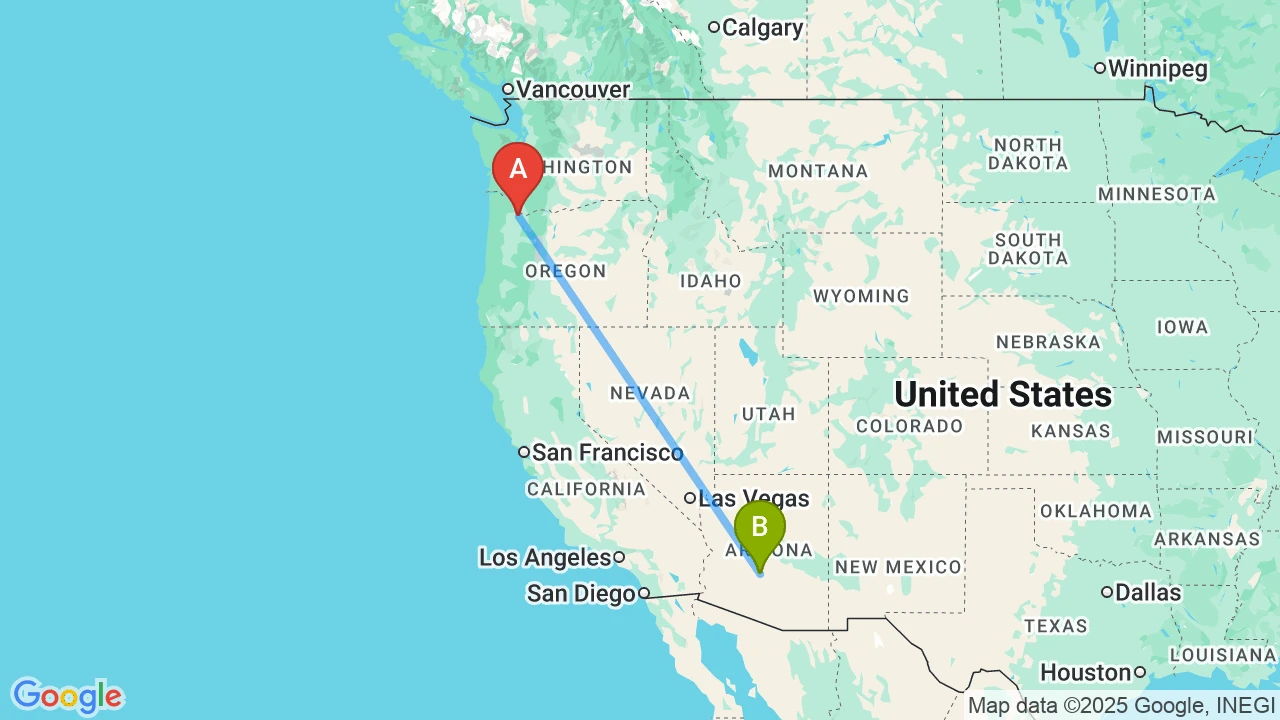
The distance from Portland to Phoenix is approximately 1,400 miles, typically requiring 2-3 days of driving. Professional moving companies generally charge $3,000-$6,000 for a two-bedroom move on this route, depending on the season and how much you’re transporting. DIY moves using rental trucks cost $1,500-$2,500 plus fuel, which can add $400-$600 for the distance.
Consider what makes sense to move versus replace. Large furniture that fit Portland’s older, smaller homes may overwhelm Phoenix spaces or not suit the Southwestern aesthetic many homes feature.
Pre-Move Research
Visit Phoenix before committing if possible, ideally during summer to experience the heat firsthand. Many Portland transplants underestimate how the extreme temperatures affect daily life. Drive potential commutes during rush hour, explore neighborhoods at different times of day, and talk to residents about their experiences.
Research school districts if you have children, as quality varies significantly across Phoenix’s sprawling metro area. Investigate homeowners association rules, which are common in Phoenix and may restrict landscaping choices, exterior paint colors, and other modifications Portland homeowners take for granted.
What to Know Before You Arrive
Arizona has no state income tax on wages (though it does tax other income), which can provide significant savings compared to Oregon’s progressive income tax. However, property taxes and sales taxes differ, so calculate your total tax picture.
You’ll need to adjust your vehicle registration and driver’s license within 30 days of establishing residency. Arizona requires vehicle emissions testing in the Phoenix area, and you may need to update insurance coverage for different weather risks (hail versus rain damage).
Water conservation is taken seriously in Phoenix. Learn about desert landscaping, xeriscaping, and responsible water use. Many neighborhoods have restrictions on grass lawns, and you’ll want to understand pool maintenance if your new home includes one.
Frequently Asked Questions
- Is it cheaper to live in Phoenix, AZ than Portland, OR?
- Yes, Phoenix is generally more affordable, primarily due to housing costs that are about 35% lower than Portland’s. While groceries and utilities are similar, the dramatic difference in home prices gives Phoenix a significant affordability advantage. However, Portland residents typically earn higher incomes, so consider your total financial picture.
- How does the cost of housing compare between Portland, OR and Phoenix, AZ?
- Portland’s median home price is approximately $523,100 compared to Phoenix’s $340,200—a difference of nearly $183,000. This translates to lower monthly mortgage payments, property taxes, and insurance costs in Phoenix. The Phoenix market also offers more inventory and newer construction options at various price points.
- What surprises people most when moving from Portland, OR to Phoenix, AZ?
- The intensity of summer heat catches most Portland transplants off-guard, with temperatures exceeding 110°F for weeks at a time. Many also underestimate how car-dependent Phoenix is compared to Portland’s bike-friendly, transit-accessible layout. The cultural shift from Portland’s quirky, progressive vibe to Phoenix’s more sprawling, diverse character surprises some newcomers as well.
- When is the best time to relocate to Phoenix, AZ?
- Fall through early spring (October through April) offers the most comfortable weather for moving to Phoenix. Avoid peak summer months if possible, as temperatures make moving physically demanding and costs may be higher. Winter months are pleasant but coincide with snowbird season, which can affect housing availability.
- How much should I budget to move from Portland, OR to Phoenix, AZ?
- Professional movers typically charge $3,000-$6,000 for a two-bedroom move covering the 1,400-mile distance. DIY truck rentals cost $1,500-$2,500 plus $400-$600 in fuel. Budget additional funds for temporary housing, travel expenses, utility deposits, and immediate home needs like window coverings to block intense desert sun.
- What lifestyle changes should I expect when moving from Portland to Phoenix?
- Expect to drive more and walk less, as Phoenix is significantly more car-dependent than Portland. Your outdoor activity schedule will shift—summers are for indoor activities, while fall through spring become prime outdoor months. You’ll trade Portland’s coffee shop culture and rainy day coziness for Phoenix’s resort-style pools, golf courses, and sun-drenched patios.
Making Your Portland to Phoenix Move Work
Relocating from Portland to Phoenix offers significant financial advantages, particularly in housing affordability, along with a complete climate and lifestyle transformation. The move trades Portland’s green, progressive, walkable character for Phoenix’s sunny, sprawling, desert environment—a shift that appeals to many but requires genuine adjustment.
Success in this relocation depends on realistic expectations about the heat, embracing car-dependent living, and appreciating what Phoenix offers: lower housing costs, abundant sunshine, a growing job market, and access to unique desert landscapes. The savings on housing can translate to improved quality of life, larger homes, and more disposable income for many households.
Before making your final decision, explore IndexYard’s comprehensive guides for both Portland, OR and Phoenix, AZ to dive deeper into neighborhoods, costs, and local insights. Our metro-level resources for the Portland metro and Phoenix metro can help you understand suburban options and find the right community for your needs.