
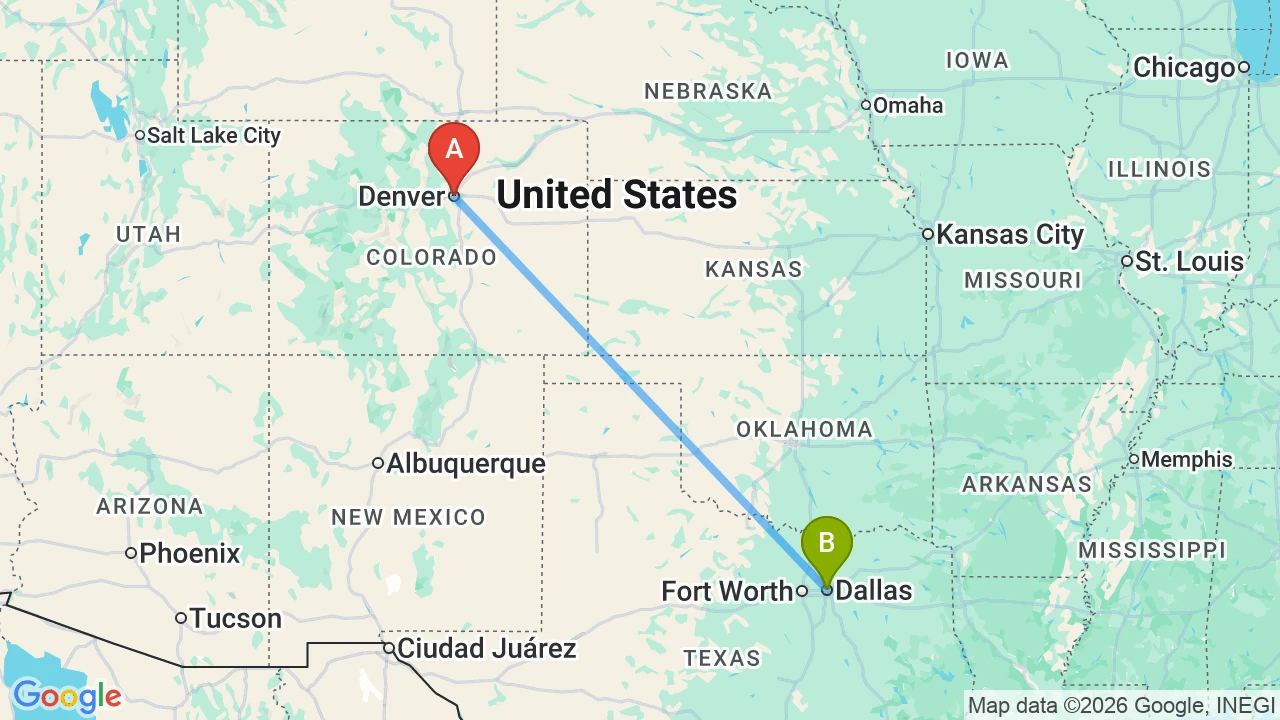
Moving from Denver, CO to Dallas, TX: What Changes in 2026
The Denver-to-Dallas corridor has become one of the more common relocation paths in recent years, driven by a mix of job opportunities, housing market dynamics, and lifestyle preferences. Both cities sit in rapidly growing metro areas, but the daily experience of living in each differs substantially—from climate exposure and transportation patterns to how housing costs show up in monthly budgets.
This guide explains where cost pressure, lifestyle rhythms, and logistical friction shift when you move from Denver to Dallas. It does not declare which city is “cheaper” overall or predict your personal financial outcome. Instead, it clarifies where costs concentrate, how daily routines change, and who tends to feel more or less pressure after the move.
Cost Pressure Shifts Between Denver and Dallas
Both Denver and Dallas are considered mid-to-high cost metros relative to national averages, but the composition of expenses differs in meaningful ways. Understanding these differences helps you anticipate where your budget will feel tighter or looser after the move.
Housing Entry Barriers
Dallas generally presents a lower entry barrier for both renters and buyers compared to Denver. While both cities have seen significant housing appreciation over the past decade, Dallas benefits from a larger supply of developable land and fewer geographic constraints, which has allowed the metro to absorb population growth with more housing construction. Denver’s mountain-bounded geography and stricter zoning in many neighborhoods have contributed to tighter inventory and higher price-per-square-foot ratios in desirable areas.
For renters, this often translates to more apartment options at various price points in Dallas, particularly in suburban submarkets. For buyers, Dallas offers more opportunities to find single-family homes under median price points, though property taxes in Texas are notably higher than in Colorado—a tradeoff we’ll explore below.
Ongoing Housing Obligations
Texas funds much of its state budget through property taxes rather than income tax, and this shows up directly in homeowner costs. Property tax rates in the Dallas area typically run higher than those in the Denver metro, sometimes significantly so depending on the specific municipality and school district. Homeowners moving from Denver should budget for this shift: while the purchase price may be lower, the annual tax obligation will likely be higher as a percentage of home value.
Colorado does levy a state income tax, while Texas does not. This creates a structural tradeoff: Denver residents pay income tax but face lower property tax rates; Dallas residents avoid income tax but carry higher property tax burdens. The net effect varies by household income, home value, and whether you rent or own.
Utilities and Climate-Driven Costs
Climate exposure shifts dramatically between these two cities, and that shift shows up in utility bills. Denver’s high-altitude, semi-arid climate means cold winters with heating needs, but summers are generally mild and air conditioning use is moderate. Dallas, by contrast, experiences long, hot, humid summers where air conditioning runs for six months or more, often driving electric bills to their highest levels from June through September.
Movers from Denver frequently underestimate summer cooling costs in Dallas. While winter heating bills may drop, summer electricity expenses can more than offset those savings, particularly in older homes or apartments with less efficient HVAC systems. Water costs in Dallas also tend to reflect the region’s periodic drought conditions and municipal conservation pricing structures.
Transportation and Commute Patterns
Both cities are car-dependent by national standards, but Dallas takes that dependence further. Denver has invested in light rail and bus rapid transit, and some neighborhoods—particularly around downtown, Capitol Hill, and the Highlands—support walkable, transit-oriented lifestyles. Dallas’s public transit system exists but serves a smaller share of commuters, and the metro’s sprawling, highway-oriented layout means most residents rely on personal vehicles for nearly all trips.
Gas, insurance, and vehicle maintenance costs become more central to monthly budgets in Dallas. Commute distances also tend to be longer on average, particularly for those living in suburban areas like Frisco, Plano, or McKinney and working in central Dallas or Fort Worth. Denver commuters face traffic congestion as well, but the metro’s more compact footprint and transit options provide more alternatives.
Groceries and Daily Goods
Grocery costs in both cities track close to national averages, with some variation by neighborhood and store type. Dallas benefits from a highly competitive retail environment with many grocery chains, warehouse clubs, and discount grocers, which can create downward price pressure. Denver’s grocery market is also competitive, though some residents note that organic and specialty items can run higher in certain neighborhoods.
The bigger shift is often in dining and entertainment costs. Dallas has a robust restaurant scene with a wide range of price points, and the absence of state income tax can leave more discretionary income for dining out. Denver’s dining scene is similarly diverse, but some movers report feeling more budget pressure in this category due to the combination of income tax and rising menu prices in popular neighborhoods.
Housing and Neighborhood Patterns
Rental Market Dynamics
Dallas’s rental market is characterized by high inventory and frequent move-in specials, particularly in large apartment complexes. Lease competition is less intense than in Denver’s tighter urban core, and renters often find more negotiating room on deposits, fees, and lease terms. However, Texas landlord-tenant law is generally more favorable to landlords than Colorado law, which can affect lease flexibility and dispute resolution.
Denver’s rental market has cooled somewhat from its mid-2010s peak, but inventory in walkable, transit-accessible neighborhoods remains limited. Renters who prioritize proximity to downtown, light rail stations, or mountain access often face higher per-square-foot costs and more competitive application processes.
Ownership and Neighborhood Form
Dallas’s suburban growth model has produced extensive single-family subdivisions, many with homeowners association (HOA) fees that cover neighborhood amenities like pools, parks, and landscaping. These fees vary widely but are common in newer developments. Denver also has HOA communities, but the metro includes more older, non-HOA neighborhoods with diverse housing stock.
Lot sizes in Dallas suburbs tend to be larger than in comparable Denver suburbs, and the cost per square foot of indoor space is often lower. However, the tradeoff is longer commutes and less walkable neighborhood design. Denver’s inner-ring suburbs—Lakewood, Arvada, Westminster—offer more mixed-use, pedestrian-friendly pockets, though at higher price points.
Lifestyle and Daily Rhythms
Climate and Outdoor Access
Denver’s identity is deeply tied to mountain proximity and outdoor recreation. Skiing, hiking, and camping are woven into the social fabric, and many residents structure their lives around weekend trips to the Rockies. The climate supports year-round outdoor activity, though winter cold and summer wildfire smoke are recurring factors.
Dallas offers a different outdoor experience. The terrain is flat, and natural recreation areas are less immediately accessible. Lakes, parks, and greenways exist, but the culture is less oriented toward mountain sports. Summer heat and humidity limit comfortable outdoor time from late May through September, shifting social life indoors or to early morning and evening hours.
This shift can be jarring for Denver residents who prioritize mountain access and cooler summers. Conversely, those who find Denver’s altitude, dryness, or winter snow burdensome may appreciate Dallas’s lower elevation and milder winters.
Social Pace and Urban Form
Dallas is a faster-paced, more sprawling metro with a strong business and corporate culture. The city’s economy is diverse—finance, technology, healthcare, logistics—and the professional environment tends to be more formal than Denver’s. Networking, business casual dress, and corporate social events are common.
Denver’s culture skews more casual and outdoors-focused, with a younger median age in many neighborhoods and a strong craft beer and startup scene. The metro feels more compact, and social life often centers on neighborhood bars, breweries, and weekend mountain trips.
Neither pace is inherently better, but the shift is noticeable. Movers who thrive in corporate environments and prefer a more traditional Southern hospitality vibe often adapt quickly to Dallas. Those who value mountain culture and a more laid-back, outdoor-centric lifestyle may feel the loss of Denver’s identity more acutely.
Commute and Car Dependence
Dallas’s highway system is extensive but heavily congested during peak hours. The LBJ Freeway, Central Expressway, and I-35E are notorious for stop-and-go traffic. Most residents budget 30 to 60 minutes for commutes, and longer drives are common for those living in outer suburbs.
Denver also has traffic congestion, particularly on I-25 and I-70, but the metro’s smaller geographic footprint and light rail network provide more alternatives. Residents in neighborhoods like Capitol Hill, Wash Park, or the Highlands can often walk, bike, or take transit for daily errands and commutes.
The shift to greater car dependence in Dallas increases not just transportation costs but also time spent in the car, which affects daily routines, childcare logistics, and work-life balance.
Relocation Logistics and Practical Friction
Move Timing and Seasonality
Summer is peak moving season in both cities, but the experience differs. Dallas summers are brutally hot, with temperatures regularly exceeding 95°F and high humidity. Moving during July or August means working in oppressive heat, and moving truck availability can be tight. Spring (March through May) and fall (October through November) offer more comfortable conditions.
Denver summers are mild and dry, making them ideal for moving, though wildfire smoke can occasionally affect air quality. Winter moves in Denver require navigating potential snow and ice, particularly if moving day coincides with a storm. Dallas winters are generally mild, though occasional ice storms can disrupt logistics.
Licensing, Registration, and Administrative Shifts
Texas requires new residents to obtain a Texas driver’s license and register vehicles within 90 days of establishing residency. Vehicle registration includes a one-time new resident fee, and annual registration costs vary by county and vehicle weight. Texas also requires annual vehicle inspections in many counties, including Dallas County.
Colorado has similar residency requirements, but the fee structures differ. Texas’s lack of state income tax means you’ll no longer file a Colorado state return, but you’ll need to update withholding and payroll information with your employer if you’re keeping a Colorado-based job remotely.
What Surprises Movers Most
Several factors catch Denver-to-Dallas movers off guard:
- Summer electric bills: The sustained heat and humidity drive cooling costs higher than many expect, particularly in older homes or apartments.
- Property tax bills: Even with lower home prices, the annual tax obligation can feel steep compared to Colorado’s lower rates.
- Commute distances: The metro’s sprawl means longer drives, even for routine errands, and traffic congestion is persistent.
- Lack of public land: Texas has far less publicly accessible outdoor space than Colorado, and mountain recreation is not part of the local culture.
- Humidity and weather volatility: The Gulf Coast influence brings sticky summers and occasional severe weather, including tornadoes and hailstorms.
Frequently Asked Questions
- Is Dallas, TX more or less expensive than Denver, CO?
- Cost pressure shifts rather than disappears. Dallas typically offers lower housing entry costs, but property taxes are higher and summer cooling bills can be substantial. Denver has state income tax and tighter housing inventory in walkable neighborhoods, but lower property taxes and milder summers. The net effect depends on whether you rent or own, your income level, and how much you value transit access and mountain proximity.
- How do housing markets differ between Denver, CO and Dallas, TX?
- Dallas generally has more housing inventory and lower per-square-foot costs due to fewer geographic constraints and more aggressive suburban development. Denver’s mountain-bounded geography and stricter zoning create tighter supply, particularly in urban and inner-ring neighborhoods. Dallas homeowners face higher property tax rates, while Denver homeowners pay state income tax but lower property taxes. Renters in Dallas often find more options and negotiating room, while Denver renters face more competition in transit-accessible areas.
- What lifestyle differences do people notice when moving from Denver, CO to Dallas, TX?
- The shift from mountain-oriented outdoor culture to a flatter, more corporate metro is the most commonly cited change. Dallas summers are hot and humid, limiting comfortable outdoor time, while Denver summers are mild and dry. Commutes in Dallas tend to be longer and more car-dependent, and public transit plays a smaller role in daily life. Social pace in Dallas skews more formal and business-focused, while Denver feels more casual and outdoors-centric.
- When is the best time of year to move to Dallas, TX?
- Spring (March through May) and fall (October through November) offer the most comfortable weather for moving, with moderate temperatures and lower humidity. Summer moves mean working in extreme heat, often above 95°F, which can be physically taxing and increase the risk of heat-related issues. Winter is generally mild, though occasional ice storms can disrupt logistics. Avoid peak summer months if possible to make the physical move easier and to secure better rates on moving services.
- What are common challenges when relocating from Denver, CO to Dallas, TX?
- Adjusting to longer commutes, greater car dependence, and the loss of easy mountain access are frequent pain points. Summer heat and humidity can feel oppressive for those accustomed to Denver’s dry, mild summers, and higher property taxes surprise many new homeowners. The cultural shift from outdoor-focused to business-oriented social life takes time, and some movers miss the walkability and transit options available in Denver’s urban core.
- Who tends to benefit most when moving from Denver, CO to Dallas, TX, and who may struggle?
- Households seeking lower housing entry costs, no state income tax, and a strong corporate job market often benefit, particularly if they’re comfortable with car-dependent suburban living and don’t prioritize mountain recreation. Families looking for larger homes and good school districts in newer suburbs find Dallas appealing. Conversely, those who value walkable neighborhoods, public transit, easy mountain access, and mild summers may feel the loss of Denver’s lifestyle advantages. Remote workers with Colorado salaries but Texas living costs can benefit from the tax and housing arbitrage, while those sensitive to heat and humidity may struggle with Dallas’s climate.
Conclusion
Moving from Denver to Dallas involves clear tradeoffs. Dallas typically offers lower housing entry costs, no state income tax, and a robust job market, but those advantages come with higher property taxes, greater car dependence, longer commutes, and a hotter, more humid climate. Denver provides easier mountain access, more walkable urban neighborhoods, milder summers, and a more outdoor-oriented culture, but at the cost of tighter housing inventory, state income tax, and higher per-square-foot housing costs in desirable areas.
This move tends to work well for households prioritizing affordability, suburban space, and corporate career growth, particularly if they’re comfortable with car-centric living and indoor-focused summers. It may feel more challenging for those who value mountain recreation, walkability, public transit, and cooler weather.
Neither city is objectively “better,” but the shift in daily rhythms, cost structure, and lifestyle is substantial. Use this guide as a starting point, then dig deeper into neighborhood-specific data, school districts, and commute patterns to understand how these dynamics will play out for your specific household and priorities.