
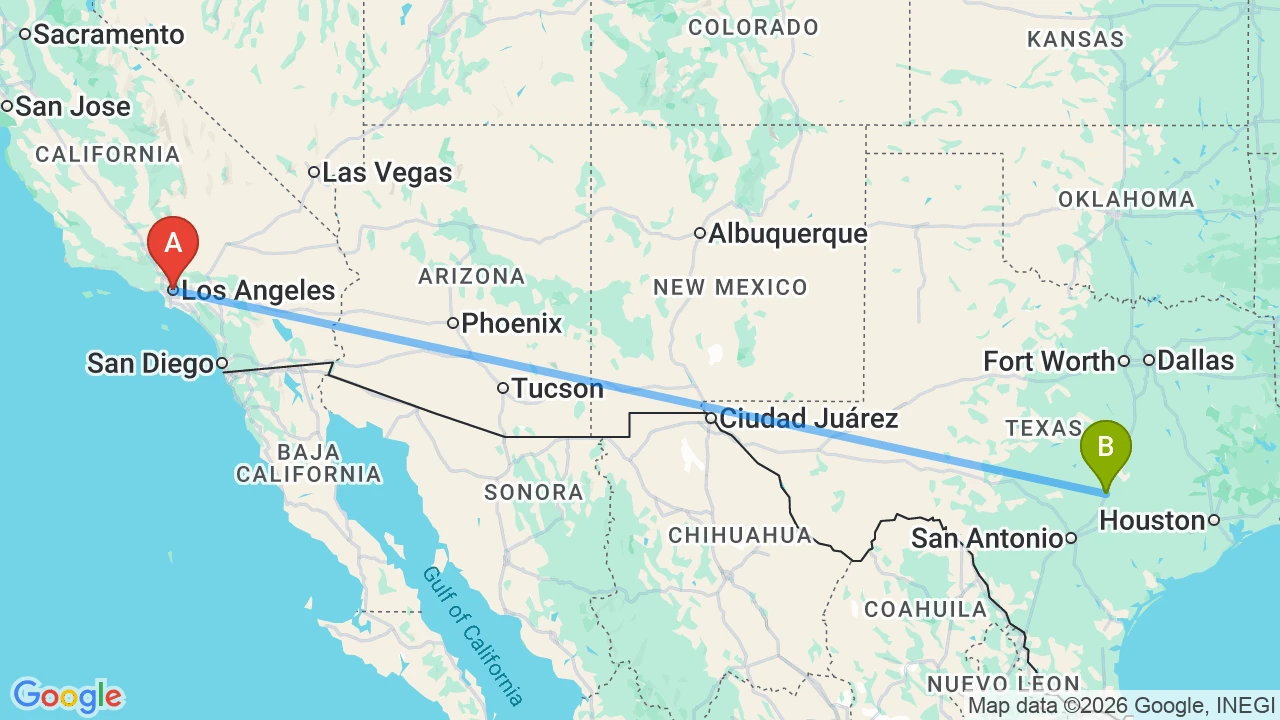
Moving from Los Angeles to Austin isn’t just a change of address—it’s a shift in where your money goes, how your days unfold, and what kind of friction you encounter in routine tasks. The two cities operate on different cost structures, climate patterns, and infrastructure assumptions. This guide explains how pressure redistributes across housing, transportation, utilities, and daily logistics when you make this move, so you can anticipate what changes and prepare accordingly.
This article focuses on cost behavior and lifestyle texture, not total budgets or savings predictions. The goal is to help you understand where expenses concentrate differently, which household routines require adjustment, and who tends to feel relief versus new pressure after relocating.
Why People Consider This Move
Los Angeles to Austin is one of the most traveled relocation corridors in the United States. People move for job opportunities in Austin’s growing tech sector, lower housing entry costs, no state income tax in Texas, and a different pace of life. Others are drawn by Austin’s reputation as a creative hub with a strong live music scene, outdoor access, and a younger demographic profile.
But the move also brings tradeoffs. Austin’s climate is more extreme, its public transit infrastructure is less developed, and its cost of living has risen sharply in recent years. What feels like financial relief in one category often shows up as new pressure in another. Understanding these shifts helps you plan for the transition rather than react to surprises after arrival.
Cost Pressure Shifts: Where Money Moves
The most immediate financial change is in housing. Los Angeles has a median home value of $822,600 and median gross rent of $1,791 per month. Austin’s median home value is $461,500, with median gross rent at $1,549 per month. That’s a substantial reduction in upfront capital required for homeownership and a moderate decrease in rental costs.
However, Austin’s housing market has experienced rapid appreciation in recent years, and inventory constraints mean competition remains intense in desirable neighborhoods. The lower entry barrier doesn’t guarantee easy access—it shifts the challenge from absolute price to speed and positioning in a fast-moving market.
Median household income also shifts: Los Angeles reports $76,244 per year, while Austin’s median is $86,556 per year. This income difference reflects Austin’s concentration of higher-wage tech and professional jobs, but it also means the local market prices housing and services with that income profile in mind. If you’re moving without a comparable income increase, you may feel more stretched than the raw housing numbers suggest.
Utilities: Climate Drives the Bill
Utility costs behave very differently between the two cities. Los Angeles electricity rates are 31.91¢/kWh, while Austin’s are 16.04¢/kWh—roughly half the price per unit. But Austin’s extended cooling season and triple-digit summer heat mean you’ll use significantly more electricity to maintain comfort. Air conditioning dominates summer bills, and the seasonal swing is more pronounced than in Los Angeles, where the coastal climate moderates temperature extremes.
Natural gas pricing also inverts: Los Angeles pays $21.94/MCF, while Austin pays $30.71/MCF. Heating demand is lower in Austin overall, but the pricing structure means winter months can still surprise households accustomed to minimal heating costs in Los Angeles.
The practical takeaway: your utility bills won’t necessarily drop just because electricity is cheaper per kilowatt-hour. Usage intensity often outweighs rate differences, especially in older homes or apartments without modern insulation and HVAC efficiency.
Transportation: Gas, Commutes, and Car Dependence
Transportation costs shift in multiple directions. Austin’s gas price is $2.47/gal, compared to Los Angeles’ $4.34/gal—a significant per-gallon reduction. But Austin’s infrastructure assumes car ownership. The average commute is 24 minutes, shorter than Los Angeles’ 31 minutes, but only 4.8% of Austin workers work from home, compared to 13.1% in Los Angeles. And 33.1% of Austin commuters face long commutes (over 30 minutes), compared to 52.1% in Los Angeles.
Austin has rail transit and bus service, and the city shows strong pedestrian infrastructure in certain neighborhoods—particularly downtown and near the University of Texas. Bike infrastructure is also notable, with a high bike-to-road ratio. But outside these walkable pockets, daily errands, grocery runs, and social activities typically require a car. If you’re moving from a Los Angeles neighborhood where you relied on a mix of driving and transit, you may find Austin’s transit less comprehensive for cross-town trips.
The lower gas price helps, but the need to drive more frequently—and the expectation that each adult in a household will have their own vehicle—can offset the per-gallon savings. Insurance, maintenance, and registration costs remain, and Texas vehicle registration fees can surprise newcomers unfamiliar with the state’s fee structure.
Groceries and Daily Spending
Grocery costs are similar between the two cities, with Austin showing slightly lower prices on most staples. For example, ground beef in Austin is estimated at around $6.55/lb, compared to $6.69/lb in Los Angeles. Eggs are $2.66/dozen in Austin versus $2.71/dozen in Los Angeles. Milk is $3.97/half-gallon in Austin compared to $4.05/half-gallon in Los Angeles. (Derived estimate based on national baseline adjusted by regional price parity; not an observed local price.)
These differences are modest, but they add up over time, especially for larger households. Austin’s food and grocery establishment density is high, with options broadly accessible across the metro area. You’ll find familiar chains, local co-ops, and farmers’ markets, plus a strong taco and barbecue culture that influences how people eat out and shop for ingredients.
The bigger shift isn’t price—it’s access pattern. In Los Angeles, grocery shopping often happens in clusters near work or along commute routes. In Austin, the car-dependent layout means most households do larger, less frequent shopping trips, which can change how you plan meals and manage perishables.
Housing and Neighborhood Patterns
Austin’s housing market is defined by rapid growth and constrained supply. The lower median home value makes ownership feel more attainable, but competition is fierce, especially in neighborhoods with good school access, walkability, or proximity to downtown. Bidding wars are common, and many buyers find themselves stretching budgets to secure a home in their preferred area.
Rental pressure is also present, though less extreme than in Los Angeles. Austin’s median rent is lower, but lease renewals can bring sharp increases, particularly in high-demand areas like East Austin, South Congress, or near the University of Texas. Renters should budget for the possibility of significant rent hikes at renewal time, especially if the unit is in a rapidly appreciating neighborhood.
Neighborhood form varies widely. Downtown Austin and the surrounding urban core feature more vertical development, mixed-use buildings, and walkable streets. Suburban areas—such as Round Rock, Pflugerville, and Cedar Park—are more car-oriented, with single-family homes, larger lots, and fewer pedestrian amenities. If walkability and transit access matter to you, you’ll need to prioritize neighborhoods carefully, as the difference in daily logistics is substantial.
Austin’s park density is high, with green space well-integrated throughout the city. Water features—including Lady Bird Lake and the Barton Creek Greenbelt—are accessible and heavily used for recreation. Family infrastructure is strong, with schools and playgrounds meeting density thresholds in most areas. Healthcare access includes hospital facilities and pharmacies, making routine medical needs manageable without long drives.
Lifestyle and Daily Rhythms
Daily life in Austin operates at a different tempo than Los Angeles. The city is smaller, less sprawling, and more socially connected. People tend to know their neighbors, participate in local events, and engage with the city’s music and food scenes in a way that feels more accessible than in Los Angeles, where social life often requires navigating long distances and heavy traffic.
Austin’s climate shapes daily routines. Summers are hot and humid, with temperatures regularly exceeding 100°F. Outdoor activities shift to early mornings or evenings, and air conditioning is non-negotiable. Winters are mild, with rare freezing nights, making it easy to stay active year-round. The extended outdoor season is a major lifestyle draw, but the summer heat is a real adjustment for people accustomed to Los Angeles’ more moderate coastal climate.
Commuting feels different. Austin’s average commute is shorter, but traffic congestion has worsened as the city has grown. Interstate 35 and Mopac Expressway are notorious bottlenecks during rush hour. Many residents adjust by shifting work hours, working remotely part-time, or choosing housing closer to their workplace. The shorter average commute is real, but it’s not universal—location matters significantly.
Because Austin’s pedestrian infrastructure is concentrated in specific neighborhoods, daily errands and social activities often require driving. Grocery stores, gyms, restaurants, and entertainment venues are broadly accessible, but the layout assumes car travel. If you’re moving from a Los Angeles neighborhood where you could walk to a coffee shop or corner store, you may find Austin’s suburban areas less convenient for spontaneous errands.
The city’s food and grocery density is high, meaning you’ll have plenty of options once you’re in the car. Tacos, barbecue, food trucks, and local breweries dominate the dining scene. Farmers’ markets and specialty grocers are common, and the city’s culinary identity is strong. But the rhythm of eating out and shopping is more car-dependent than in denser parts of Los Angeles.
Relocation Logistics and Practical Friction
The physical move from Los Angeles to Austin is straightforward—it’s a common route for moving companies, and the distance is manageable for a multi-day drive or a single flight. But the logistical adjustments after arrival can surprise people who underestimate how different the two cities are in daily operation.
Texas has no state income tax, which many movers cite as a financial benefit. But property taxes are higher to compensate, and homeowners should budget for annual tax bills that feel substantial compared to California’s Proposition 13-protected rates. Renters don’t pay property taxes directly, but landlords pass those costs through in rent pricing, so the tax structure still influences housing affordability.
Vehicle registration and inspection requirements differ. Texas requires annual safety inspections for most vehicles, and registration fees vary by county. If you’re bringing a car from California, you’ll need to re-register it in Texas within a set timeframe, which involves paperwork, fees, and sometimes emissions testing depending on the county.
Utility setup is typically straightforward, but some neighborhoods have homeowners’ associations (HOAs) that bundle certain services or impose rules on landscaping, exterior modifications, and parking. If you’re buying in a planned community, read the HOA bylaws carefully—fees and restrictions can affect both monthly costs and long-term flexibility.
Healthcare transitions require attention. If you’re moving with an employer-sponsored plan, confirm that your provider network includes Austin-area doctors and hospitals. If you’re self-insured or on a marketplace plan, research local options before the move so you’re not scrambling to find care after arrival. Austin has strong healthcare access overall, but continuity of care requires planning.
Who This Move Works Best For
This relocation tends to benefit people who are priced out of Los Angeles homeownership but have stable income and career mobility. If you’re in tech, finance, healthcare, or another sector with strong Austin demand, the combination of lower housing entry costs and higher local wages can create meaningful financial breathing room.
Families with school-age children often find Austin appealing due to strong school infrastructure, accessible parks, and a more neighborhood-oriented lifestyle. The city’s outdoor culture and year-round activity options make it easier to keep kids engaged without the logistical complexity of Los Angeles’ sprawl.
People who value live music, food culture, and a younger social scene also tend to adapt well. Austin’s identity as a creative hub is real, and the city’s size makes it easier to participate in local culture without the gatekeeping or inaccessibility that can characterize Los Angeles’ entertainment industry.
Who May Feel More Pressure
Renters without income growth may find the cost relief less dramatic than expected. While Austin’s rent is lower on average, the gap has narrowed in recent years, and lease renewal increases can be steep. If you’re moving to escape high rent but not increasing your income, you may still feel stretched, especially in high-demand neighborhoods.
People who rely on public transit or prefer walkable, car-free living will find Austin more limiting than Los Angeles. While the city has walkable pockets and decent transit in the urban core, most of the metro area assumes car ownership. If you’re moving without a vehicle or don’t want to drive daily, your neighborhood options narrow significantly.
Households sensitive to heat and humidity may struggle with Austin’s summer climate. The extended cooling season drives up utility costs, limits outdoor activity during peak hours, and requires lifestyle adjustments that aren’t necessary in Los Angeles’ milder coastal zones. If you’re moving from a temperate Los Angeles neighborhood, the summer heat is a real factor in daily comfort and cost exposure.
Finally, people who value proximity to the ocean, mountains, or diverse natural landscapes may find Austin’s geography less varied. The city has excellent parks, lakes, and greenbelt access, but it lacks the coastal and alpine diversity that defines Southern California. If outdoor recreation is central to your lifestyle, consider whether Austin’s offerings align with your priorities.
How this article was built: In addition to public economic data, this article incorporates location-based experiential signals derived from anonymized geographic patterns—such as access density, walkability, and land-use mix—to reflect how day-to-day living actually feels in Austin, TX.
Frequently Asked Questions
- Does Austin feel more or less expensive than Los Angeles?
- Austin’s housing entry costs are substantially lower, but ongoing expenses like utilities, transportation, and property taxes redistribute the pressure. Where you feel relief or strain depends on whether you’re renting or buying, how much you drive, and how your income compares to the local median. The cost structure is different, not universally cheaper.
- How do the housing markets differ between Los Angeles and Austin?
- Los Angeles has higher absolute prices but more stable rent control protections in some areas. Austin has lower entry barriers but faster appreciation and sharper lease renewal increases. Ownership is more attainable in Austin, but competition is intense, and property taxes are higher than many California transplants expect.
- What feels different about daily life after moving to Austin?
- The pace is slower, the social scene feels more accessible, and outdoor culture is central to the lifestyle. But the climate is more extreme, car dependence is higher outside the urban core, and the city’s infrastructure assumes you’ll drive for most errands. The change is most noticeable in summer heat and commute patterns.
- When does this move tend to feel easiest or hardest?
- The transition feels smoothest when you have a job lined up, a clear neighborhood preference, and realistic expectations about climate and car dependence. It’s hardest when you’re moving without income growth, underestimate summer utility costs, or expect Los Angeles-level transit access across the metro area.
- What are the most common adjustment pressures after relocating?
- Summer heat and air conditioning costs surprise many newcomers, especially those from coastal Los Angeles. Car dependence is another adjustment—errands that felt walkable in LA often require driving in Austin. Property taxes and HOA fees also catch buyers off guard if they’re not factored into the housing budget upfront.
- Who does this move work best for, and who might struggle?
- The move works well for people with strong income, career mobility, and a preference for homeownership and outdoor living. It’s harder for renters without wage growth, people who rely on transit or walkability, and households sensitive to heat or humidity. Families with kids and professionals in high-demand sectors tend to adapt most easily.
Conclusion
Moving from Los Angeles to Austin shifts where your money goes and how your days unfold. Housing entry costs drop, but utility exposure increases. Commutes shorten on average, but car dependence rises. The lifestyle becomes more neighborhood-focused and outdoor-oriented, but the climate demands adjustment and the infrastructure assumes you’ll drive.
This move works best when you understand the tradeoffs in advance and plan accordingly. If you’re priced out of Los Angeles homeownership, have strong income, and value a slower pace with better access to live music and outdoor recreation, Austin offers real advantages. But if you’re moving primarily to cut costs without increasing income, or if you rely on transit and walkability, the financial and logistical relief may be less dramatic than expected.
For deeper cost breakdowns, neighborhood comparisons, and Austin-specific guides, explore the Austin living hub and Los Angeles living hub on IndexYard.